
Baseball, often referred to as America’s pastime, is deeply ingrained in the nation’s history and culture. One of the sport’s most iconic landmarks is Yankee Stadium, located in the Bronx, New York. The stadium has served as a cathedral of baseball, imbuing fans with a sense of nostalgia and pride. Over the years, Yankee Stadium has undergone significant transformations, with the most notable change being the transition from the original stadium, known as Yankee Stadium I, to its modern successor, Yankee Stadium II.
Yankee Stadium II, which opened in 2009, stands as a testament to the enduring legacy of the New York Yankees, one of Major League Baseball’s most storied franchises. The design and construction of the new stadium aimed to honor the rich history of its predecessor while incorporating modern amenities and state-of-the-art features that enhance the fan experience. As a result, Yankee Stadium II bridges the gap between the past and future, blending tradition with innovation.
This article delves into the history, design, and significance of Yankee Stadium II, exploring how it preserves the legacy of Yankee Stadium I while offering a glimpse into the future of baseball stadiums. We will examine the architectural elements, technological advancements, and the cultural impact of this iconic ballpark, providing a comprehensive overview of its role in shaping the baseball experience for fans and players alike.
Architectural Design and Symbolism
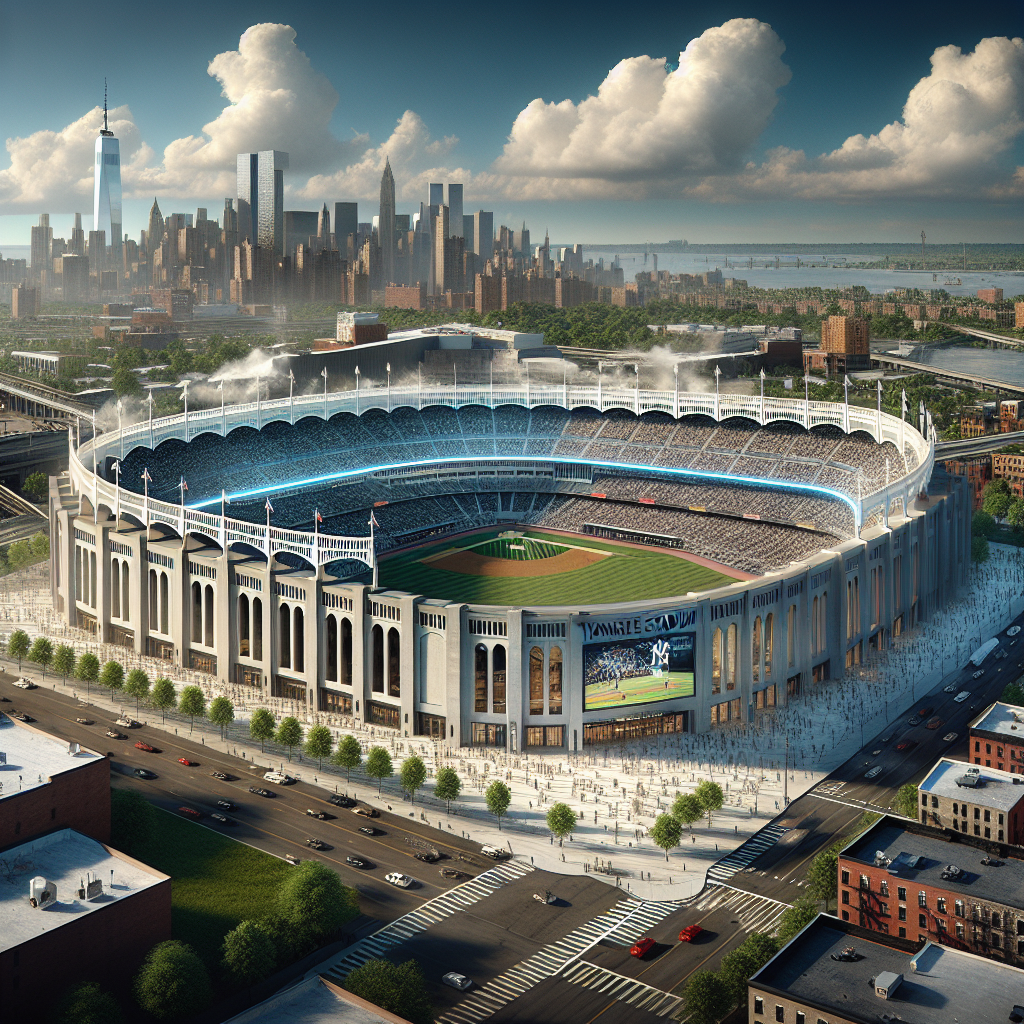
Yankee Stadium II’s architectural design seamlessly merges the old with the new. Designed by the architectural firm Populous, the stadium’s exterior pays homage to the original 1923 Yankee Stadium, with its neoclassical façade featuring limestone, granite, and pre-cast concrete. This nod to the past is further emphasized by the stadium’s Great Hall, a grand concourse that mirrors the original stadium’s exterior design, creating a sense of continuity and reverence for the Yankees’ storied history.
Inside the ballpark, fans are treated to a state-of-the-art experience. From luxury suites to a wide array of dining options, Yankee Stadium II boasts modern amenities that cater to the needs and preferences of contemporary spectators. The stadium’s seating capacity is approximately 46,000, slightly less than its predecessor, yet it offers improved sightlines and greater comfort for fans.
One of the most symbolic features of Yankee Stadium II is Monument Park, an open-air museum located behind the center-field fence. It houses plaques, monuments, and retired numbers that honor the greatest players and contributors in Yankees’ history. This sacred space reinforces the connection between past and present, allowing fans to pay homage to legends such as Babe Ruth, Lou Gehrig, Mickey Mantle, and Derek Jeter.
Technological Advancements
Embracing modern technology, Yankee Stadium II offers a range of innovative features that enhance the experience for both fans and players. One of the most prominent technological advancements is the high-definition video board located in center field. Measuring 59 by 101 feet, it provides crystal-clear replays, statistics, and entertainment for the audience.
Additionally, the stadium is equipped with an extensive Wi-Fi network, ensuring that fans can stay connected and share their experiences in real-time. Interactive kiosks and mobile apps further enhance the fan experience, offering features such as digital ticketing, real-time game updates, and access to exclusive content.
For the players, Yankee Stadium II includes state-of-the-art training and rehabilitation facilities. The clubhouse is equipped with advanced video analysis systems, allowing players to review their performance and make necessary adjustments. These technological enhancements not only improve the playing experience but also contribute to the overall competitiveness and success of the team.
Cultural Impact and Community Engagement
Yankee Stadium II is more than just a ballpark; it is a cultural landmark that plays a significant role in the community. The stadium serves as a gathering place for Yankees fans, fostering a sense of camaraderie and pride. The traditions and rituals associated with the Yankees, from the singing of “Take Me Out to the Ball Game” to the retirement of iconic numbers, contribute to the unique atmosphere that defines Yankee Stadium II.
The stadium also engages with the local community through various initiatives and programs. The Yankees organization is committed to supporting education, healthcare, and youth development in the Bronx and beyond. The stadium hosts numerous community events, including charity walks, youth baseball clinics, and educational tours, creating opportunities for meaningful engagement and positive impact.
Furthermore, Yankee Stadium II has had a profound influence on the broader baseball community. Its design and amenities have set a new standard for modern ballparks, inspiring the construction of similar stadiums across Major League Baseball. The blend of tradition and innovation exemplified by Yankee Stadium II serves as a model for future ballparks, ensuring that the spirit of the game is preserved while embracing the advancements of the 21st century.
Memorable Moments and Milestones
Since its opening, Yankee Stadium II has been the site of numerous memorable moments and milestones that have further cemented its place in baseball history. From historic games to unforgettable performances, the stadium has witnessed it all. One of the most notable events was Derek Jeter’s 3,000th hit on July 9, 2011, a milestone celebrated by fans and players alike.
The stadium has also hosted several postseason games, including the 2009 World Series, where the Yankees clinched their 27th championship. These high-stakes games have added to the stadium’s legacy, creating lasting memories for fans and showcasing the Yankees’ dominance in Major League Baseball.
In addition to baseball, Yankee Stadium II has hosted a variety of other events, from concerts featuring top musical artists to soccer matches and even boxing bouts. These diverse events highlight the stadium’s versatility and its significance as a premier venue in New York City.
The Future of Yankee Stadium II
As Yankee Stadium II looks to the future, it continues to evolve and adapt to meet the needs and expectations of fans and players. The stadium’s management team is committed to maintaining its status as a premier sports and entertainment venue, continually exploring ways to enhance the overall experience for all who visit.
One area of focus is sustainability and environmental responsibility. Yankee Stadium II has implemented various green initiatives, including the use of energy-efficient lighting, recycling programs, and eco-friendly transportation options. These efforts align with broader trends in the sports industry, where sustainability is becoming an increasingly important consideration.
Future developments at Yankee Stadium II may also include technological upgrades, such as advanced data analytics systems and immersive fan experiences using augmented and virtual reality. These innovations have the potential to transform how fans engage with the game, offering new ways to interact with and appreciate baseball.
Conclusion
Yankee Stadium II is a remarkable embodiment of the New York Yankees’ enduring legacy and their commitment to excellence. By blending architectural homage with modern innovation, the stadium has successfully bridged the past and future, creating a ballpark that honors tradition while embracing the advancements of the 21st century.
From its symbolic design elements to its state-of-the-art technology, Yankee Stadium II offers an unparalleled experience for fans and players alike. It serves as a cultural landmark, fostering a sense of community and pride while inspiring future generations of baseball enthusiasts. The stadium’s impact extends beyond the confines of the Bronx, influencing the broader baseball community and setting a new standard for modern ballparks.
As Yankee Stadium II continues to evolve, it remains a beacon of tradition and progress, ensuring that the spirit of Yankee Stadium I lives on in every game, every cheer, and every unforgettable moment. Whether you are a longtime Yankees fan or a first-time visitor, Yankee Stadium II offers an experience that is both timeless and cutting-edge, capturing the essence of America’s pastime in the heart of the Bronx.
Frequently Asked Questions
1. What is Yankee Stadium II, and how does it differ from the original Yankee Stadium?
Yankee Stadium II refers to the more modern version of the Yankees’ home ballpark, which debuted in 2009 right across from the original site. While it maintains the name and legacy, this new stadium incorporates state-of-the-art amenities that cater to modern-day fan experiences. It is more than a venue; it is a bridge between the storied past of the Yankees and the franchise’s future expectations.
The original Yankee Stadium, known affectionately as “The House That Ruth Built,” was enveloped in genuine nostalgia, having hosted decades’ worth of legendary games, iconic athletes, and historic moments. When compared, Yankee Stadium II seamlessly marries those historic sentiments with contemporary comforts like enhanced seating, better sightlines, luxurious suites, more diversified concession stands, and, importantly, accessibility for fans with disabilities—an all-encompassing upgrade that enhances the game-day experience. Yet, even with its modern adaptations, many architectural inspirations from the original, such as the iconic frieze, are elegantly woven into the new design’s fabric, paying homage to its predecessor.
2. Why was it necessary to build a new Yankee Stadium?
The decision to construct a new Yankee Stadium stemmed from several pragmatic concerns surrounding the aging infrastructure of Yankee Stadium I, which needed substantial renovations and updates to meet modern safety codes and provide enhanced services and amenities that modern sports fans expect. Over the decades, the original Yankee Stadium, while beloved, faced serious spatial constraints and logistical challenges. Infrastructure ages, and its maintenance accelerated in financial outlays without yielding adequate returns in enhanced fan experiences or stadium revenue.
Building Yankee Stadium II was an uncanny shift toward ensuring that baseball’s quintessential cathedral was not only preserved in spirit but also transformed into a state-of-the-art venue, which could compete and stand among its peers in the 21st century. This new stadium addressed spacing issues, offered incredible sightlines from all fan perspectives, and created an undeniable draw that combined the intimacy of the game with contemporary attractions.
3. How has the experience of attending a game in the Bronx changed with the new stadium?
The upgrade to Yankee Stadium II revolutionized how fans experience America’s beloved pastime. From the moment you set foot in this historic landmark, you encounter a seamless fusion of the past’s evocative spirit and modern enjoyment’s excitement. Fans are treated to enhanced comfort, a wide range of food choices, and advanced technology.
Before the game, fans now can wander through the expansive Great Hall, with its grand openness underscored by towering banners featuring Yankees legends. This communal space serves as a monument to the franchise’s illustrious history. Furthermore, technological advancements such as massive HD displays ensure fans don’t miss a moment of the action. The stadium also includes numerous interactive elements, such as children-friendly areas and history-rich exhibitions which highlight the rich tapestry of baseball history interwoven with the Yankees’ legacy. Purchasing tickets, finding your seat, ordering food, and even witnessing replays have all been enhanced significantly, transforming the act of attending a game into an immersively enjoyable journey.
4. How does Yankee Stadium II honor the history of its predecessor?
While Yankee Stadium II is undoubtedly a leap forward in terms of contemporary architecture and fan engagement, it doesn’t dismiss the storied history enshrined by its predecessor. Careful architectural prowess was applied in bringing elements from the original stadium into the new edifice. Key features like the iconic white frieze—an unmistakable relic first seen in the 1923 design—has been married seamlessly into the new structure.
Beyond physical structures, the new stadium serves as a living archive, perpetuating the stories of legendary Yankees and extraordinary events borne from the old stadium. Exhibitions and museums interspersed throughout the venue’s concourses allow fans to relive great moments from baseball’s golden history. This integration of the old with the new ensures fans, both old and new, feel a palpable connection to the Yankees’ past triumphs while savouring the present-day innovations.
5. What impact has the new Yankee Stadium had on the local Bronx community?
Yankee Stadium II’s construction and subsequent operations have significantly impacted the Bronx community both economically and culturally. As a major economic driver, the stadium attracts millions of visitors annually, who patronize local businesses, restaurants, and hotels, boosting the area’s economic vitality. The increased foot traffic and heightened interest in the surrounding area have given local entrepreneurs unprecedented opportunities to thrive.
Culturally, the stadium has become a mecca of sports that extends the local community’s exposure to world-class baseball while encouraging civic pride. Furthermore, the Yankees organization, through its various charitable engagements and community programs, has contributed back to the neighborhood, supporting education, youth outreach, and athletic initiatives that foster a strong community spirit.
The transition from the original site to Yankee Stadium II involved acknowledging the community’s history while creating new community landmarks, parks, and green spaces. The stadium’s presence and the Yankees’ engagement have fostered a symbiosis between the team and the Bronx’s residents showcasing how much their home field is more than just a ballpark but part of the community fabric.