
The history of baseball is a tapestry woven from the threads of iconic ballparks, each significant not only for the games played within their confines but for the cultural and communal impact they’ve had on their respective cities. Exhibition Stadium in Toronto is one such venue that holds a special place in the annals of Major League Baseball, serving as the launchpad for the Toronto Blue Jays’ journey into the big leagues. Before the glitz and modern allure of the Rogers Centre, there was Exhibition Stadium—a quirky yet character-laden ballpark that provided the backdrop for some of the earliest and most formative years of Toronto’s big league baseball narrative.
Exhibition Stadium originally opened in 1959, primarily as a venue for Canadian football. Situated in Exhibition Place, an entertainment district that hosts the annual Canadian National Exhibition, the stadium was initially a multi-purpose open-air venue. It wasn’t until 1977 that it welcomed the Blue Jays, a major shift that would forever leave a mark on Toronto’s sporting landscape. The journey from its initial days to its closing in 1989 is a story of adaptation, resilience, and the growing pains associated with big league baseball in a city on the brink of a sporting renaissance.
The stadium’s early days were marked by the chilly Toronto weather, often leaving fans bundled up, braving the elements to support their nascent team. Despite these challenges, Exhibition Stadium is fondly remembered for the role it played in bringing Major League Baseball to Canada. Its existence laid the foundation for the Blue Jays’ eventual successes, nurturing a fan base that would see the team grow in both prowess and popularity.
The Stadium’s Layout and Challenges
Exhibition Stadium’s initial design was far from perfect for baseball. Originally constructed to accommodate Canadian Football League (CFL) games, it lacked the quintessential elements of a proper baseball venue. When the Blue Jays made their debut on April 7, 1977, the stadium’s limitations were on full display. With a seating capacity that initially held around 43,737 spectators, the stadium layout required baseball fans to navigate a space that wasn’t exactly built with America’s pastime in mind.
The diamond and outfield felt awkwardly placed, leading to poor sightlines for fans. The distance from the seats to the action was often a point of frustration, and the playing surface transitioned poorly from football to baseball. The asymmetrical shape of the outfield gave the stadium its quirky character, yet it was also the source of many challenges for players and fans alike. The weather, particularly early in the season, was another notable hurdle. The open-air structure offered little protection from Toronto’s often inclement spring weather, leading to games played in freezing temperatures and, on occasion, snow.
Despite these challenges, the stadium had its charm. The intimacy of sitting in a smaller venue fostering a close-knit feeling among the fans who braved the conditions. While Exhibition Stadium may not have been the most ideal place to watch a game, it was a bridge to something greater for the Toronto Blue Jays and their supporters.
Opening Day and Early Years
The Toronto Blue Jays’ inaugural game on April 7, 1977, is a significant marker in Canadian baseball history. The date is forever etched in the memories of fans who witnessed the Blue Jays beat the Chicago White Sox 9-5 in a game played under an unusual mix of snow and sunshine. The sight of players scraping snow off the field before the start of the game epitomized the unique challenges that Exhibition Stadium presented.
That memorable Opening Day set the tone for the Blue Jays’ early years at Exhibition Stadium. Throughout the late 1970s and early 1980s, the stadium became the heartbeat of baseball in Toronto, carving out its own history with every game played. The enthusiasm of Toronto fans, combined with the stadium’s humble yet determined atmosphere, helped foster a deep sense of community and belonging.
The early years also saw moments of individual brilliance and milestones that added to the stadium’s growing lore. Players like Dave Stieb and Lloyd Moseby began their careers at Exhibition Stadium, setting the stage for the more fruitful years that lay ahead. These formative seasons were about more than just wins and losses; they were about laying a foundation that would support the burgeoning cultural and sporting identity of Toronto as a baseball city.
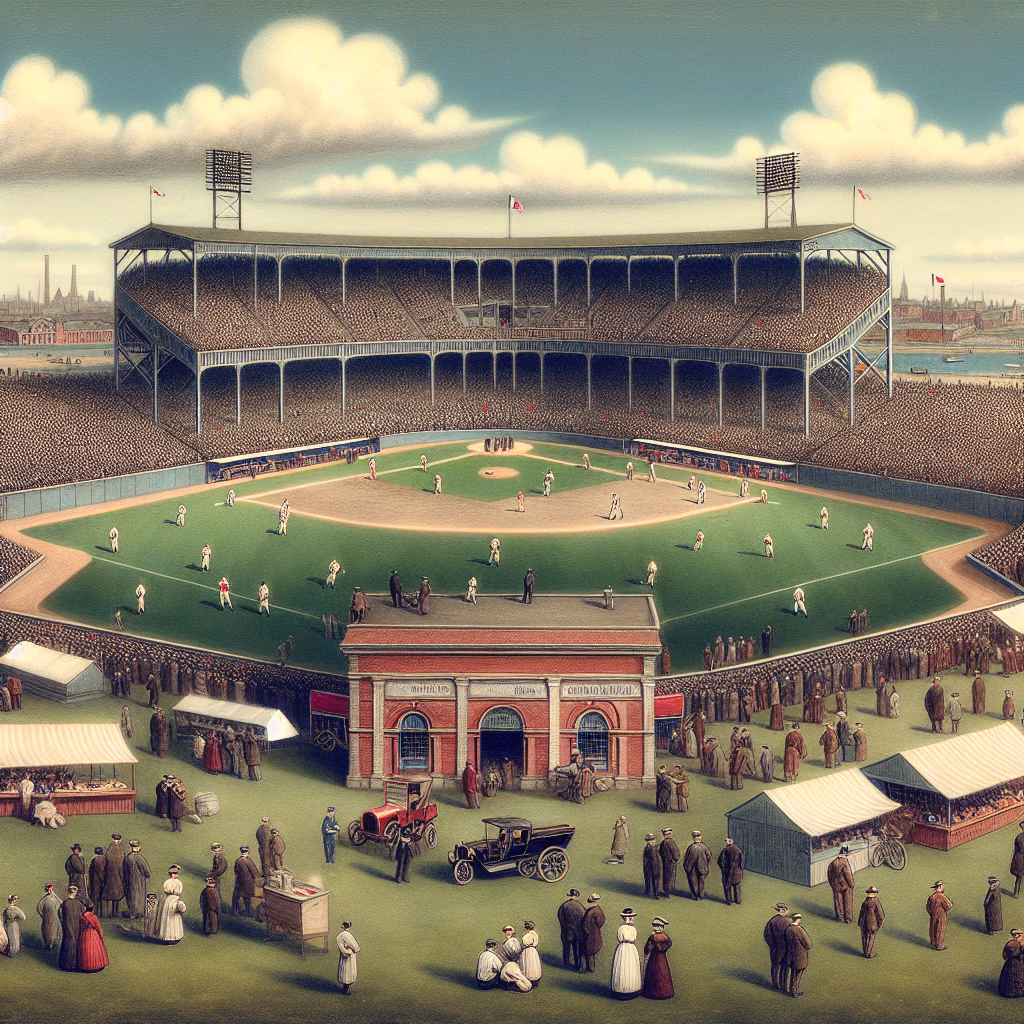
Memorable Moments
Exhibition Stadium, despite its quirks and imperfections, was the venue for numerous memorable moments in baseball history. In 1978, the Blue Jays recorded their first winning streak with significant wins that would raise hopes and solidify the team’s presence in the league. One of the standout moments came in 1983 when the Blue Jays finished the season with their first-ever winning record, signaling their arrival as a competitive team in Major League Baseball.
The stadium also hosted several especially notable games, such as the May 15, 1979, match against the Cleveland Indians, remembered for being interrupted by a huge flock of seagulls. Players and fans alike were amused and bemused by the sight of birds swooping down onto the field, adding a whimsical chapter to the stadium’s story. Another significant milestone was accomplished on September 27, 1985, when the team clinched their first American League East Division title, marking the start of what would become a golden era for the Blue Jays.
While the stadium might not have been the most modern or comfortable, it was the backdrop to these and many other special moments that resonate with fans even today. Every cheer, every moment of suspense, and every triumph contributed to the mystique of Exhibition Stadium.
Transition to the Skydome
By the mid-1980s, it became clear that Toronto’s growing love for baseball necessitated a more modern and suitable venue. The limitations of Exhibition Stadium were hard to ignore—its exposure to the elements, awkward layout, and deteriorating infrastructure signaled it was time for a change. In 1989, the Toronto Blue Jays would make a significant move to the then newly constructed Skydome (now Rogers Centre), marking the end of an era.
The decision to transition to a new stadium was driven by several factors, including a growing fan base that demanded a better viewing experience and the need for a multipurpose facility that could shield fans and players from Toronto’s unpredictable weather. The Skydome, with its retractable roof and modern amenities, was the answer to these calls. It was a state-of-the-art facility that promised to elevate the game day experience to new heights.
The final baseball game at Exhibition Stadium was played on May 28, 1989, against the Chicago White Sox, ending a chapter that had lasted 12 years. The move to the Skydome ushered in not only a new venue but a period of heightened success for the Blue Jays, culminating in back-to-back World Series titles in 1992 and 1993.
While the switch to the new stadium was a moment of progress, it was also a point of sentimental reflection for fans who had grown to love the rough-and-ready charm of Exhibition Stadium. The memories forged in the old ballpark would forever remain a significant part of Toronto’s baseball heritage.
Legacy and Memories
Exhibition Stadium may not exist today, but its legacy endures in the hearts and minds of those who experienced baseball there. It wasn’t just a place where games were played; it was a community hub where fans gathered, shared experiences, and celebrated their love for the game. The stadium played an instrumental role in the growth and development of the Toronto Blue Jays, setting the stage for the team’s future successes.
Many fans recollect with fondness the peculiarities of the stadium—the biting cold of an early season game, the distant outfield stands, and the indomitable spirit of the fans who made it their home. It was at Exhibition Stadium that many Toronto residents first fell in love with baseball, creating a generation of fans and memories that would be passed down through the years.
The site of the former stadium now hosts BMO Field, a soccer-specific stadium, continuing the tradition of sporting excellence in the area. The echoes of the past, however, are never far away. The impact of Exhibition Stadium on Toronto’s cultural and sports landscape is undeniable, and its contributions to the city’s baseball history cannot be overstated.
Conclusion
Exhibition Stadium stands as a testament to Toronto’s journey into the realm of Major League Baseball. Though it was far from the perfect venue, its significance lies in its role as the birthplace of big league baseball in the city. It was here that the Blue Jays took their first steps, and it was here that a city and its people came together to embrace America’s pastime in a uniquely Canadian setting.
The move to the Skydome marked progress and success, yet the memories of Exhibition Stadium continued to linger, cherished by those who witnessed the Blue Jays’ early years. The stadium’s quirks and challenges became endearing traits that added character to Toronto’s baseball narrative, a story of resilience and passion that mirrored the city’s own journey.
As fans today cheer on the Blue Jays at the modern Rogers Centre, the legacy of Exhibition Stadium lives on. It laid the foundations for a sporting tradition that thrives today, affirming Toronto’s place in the world of baseball. Exhibition Stadium may be gone, but its spirit remains an indelible part of Toronto’s baseball story.
Frequently Asked Questions
1. What is the historical significance of Exhibition Stadium in relation to Major League Baseball?
Exhibition Stadium holds a pivotal place in Major League Baseball history as it was the original home of the Toronto Blue Jays, marking the team’s entry into the MLB in 1977. The stadium wasn’t just the birthplace of the Blue Jays’ big league adventure; it was also a symbol of Toronto’s burgeoning sports culture and passion for baseball. The move to establish a franchise team in Toronto was reflective of the city’s growth and an emerging global identity. Exhibition Stadium was where it all began, setting the stage for the city to host major league sports and eventually, more advanced venues like the Rogers Centre.
2. Why was Exhibition Stadium considered unique compared to other Major League ballparks?
Exhibition Stadium was quite distinct for several reasons. Primarily, it was originally constructed as a multi-purpose facility meant not solely for baseball but also accommodating football and other large events. This multi-use aspect meant that the baseball configuration was somewhat unconventional, leading to quirky features like unusual sightlines and dimensions. Its proximity to Lake Ontario also made it notorious for having unpredictable weather conditions, notably strong winds that could affect gameplay. These elements made it a unique, if sometimes challenging, venue where fans and players shared in its historic charm and character.
3. How did the weather affect games played at Exhibition Stadium?
Weather played a notably disruptive role at Exhibition Stadium, thanks considerably to its location near Lake Ontario. This proximity meant that the stadium was frequently subjected to chilly breezes, particularly at the start and end of the baseball season, making it sometimes uncomfortable for players and fans alike. There were instances of games being delayed or impacted by fog and snow. The famous “snowstorm game” during the Blue Jays’ inaugural home game against the Chicago White Sox in 1977 remains a striking testament to how the elements became part of the narrative of Exhibition Stadium, cementing its reputation as a venue where anything could happen.
4. What led to the decision to replace Exhibition Stadium with the Rogers Centre?
The call to move from Exhibition Stadium to the Rogers Centre (formerly known as the SkyDome) was driven by several factors. Firstly, the need for a modern, more baseball-specific facility was evident as the Blue Jays gained popularity and their fanbase expanded. Exhibition Stadium’s limitations in terms of seating and comfort became apparent, with seating arrangements and views not ideally suited for a dedicated baseball experience. The Rogers Centre provided a state-of-the-art solution, with a retractable roof eliminating weather woes and offering an arena that combined modern comfort with a more immersive baseball experience. This transition marked an evolution in Toronto’s sporting infrastructure, aiming to boost both attendance and fan enjoyment.
5. Are there any memorable events or achievements associated with Exhibition Stadium?
Exhibition Stadium was the backdrop for numerous memorable moments in Major League Baseball history. The Toronto Blue Jays hosted their first-ever MLB game at the venue, marking their entry into professional baseball with a victory against the Chicago White Sox on April 7, 1977. The stadium also witnessed the rise of the Blue Jays as a competitive team, hosting crucial games that included divisional races and intense playoff pushes throughout the 1980s. Another memorable event was the decision of the 1991 MLB All-Star Game to be held at the stadium, showcasing the venue’s historical importance. While the All-Star game did not materialize at Exhibition Stadium as it was replaced before then, this consideration demonstrated the recognition of its significance by the baseball community during its operation years.