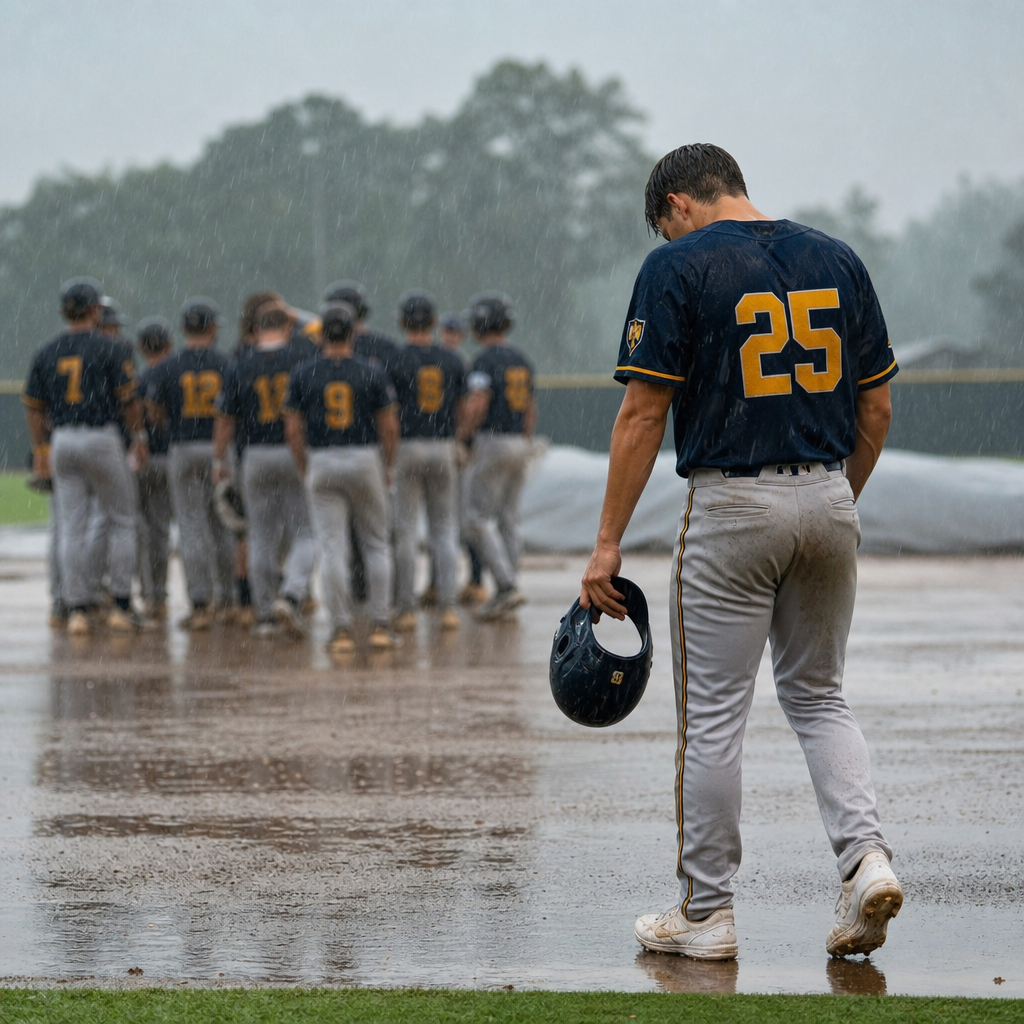
College baseball is often described through rankings, draft picks, and rivalry series, but the daily reality is shaped just as much by disruption, adaptation, and resourcefulness. Weathering the storm: challenges faced by college baseball teams is not just a catchy phrase; it captures the layered pressures that programs manage across a long spring season and a demanding academic year. In my experience working with baseball operations staffs and advising athletic departments on scheduling and player development, the “storm” can mean literal rainouts, but it also refers to scholarship limits, travel strain, injuries, roster turnover, compliance rules, and the constant need to keep athletes progressing as students and competitors.
College baseball teams sit in a unique space between amateur education-based sports and professional-style performance environments. They recruit nationally, use advanced tools such as TrackMan, Rapsodo, and force plates, and build year-round strength programs, yet they remain bound by university budgets, conference policies, NCAA regulations, academic calendars, and campus support systems. That combination creates complexity. A Southeastern Conference contender with multimillion-dollar facilities may face different operational issues than a cold-weather mid-major, but both must solve the same core problem: how to build a winning, healthy, eligible roster over months of uncertainty.
This matters because college baseball has become one of the most competitive developmental pathways in the sport. More than 300 NCAA Division I programs, plus Division II, Division III, NAIA, and junior college teams, compete for players, exposure, and postseason access. A single weather week can erase practice volume. A transfer portal cycle can change a pitching staff. A compressed exam schedule can affect recovery and focus. Understanding these challenges helps coaches plan better, helps parents and players evaluate programs more realistically, and helps fans appreciate how much work happens beyond the box score. As a hub topic within minor leagues and college baseball, this overview connects the miscellaneous issues that shape nearly every season.
Weather, facilities, and the hidden impact of geography
Weather is the most visible challenge because it alters baseball at every level: preparation, scheduling, field quality, injury risk, and competitive fairness. Northern programs routinely begin preseason training indoors while southern programs are already on dirt and grass. That gap matters. Live reads off the bat, mound landing consistency, wind management, and defensive communication improve fastest in game-like outdoor conditions. If a team spends six weeks in a hitting barn and then opens against an opponent that has already played ten home games, the disadvantage is practical, not theoretical.
Facility access determines how well a team can reduce that gap. Programs with indoor cages, portable mounds, high-speed video, and full-strength staff can maintain sharper development through bad weather. Programs with limited indoor space often split groups, shorten reps, and lose defensive work. I have seen staffs redesign entire practice plans around one small multipurpose room, using constrained drill stations simply to preserve throwing volume. That kind of compromise is common, especially outside the power conferences.
Field conditions also influence performance and safety. Wet surfaces increase slip risk for pitchers and middle infielders. Poor drainage leads to cancellations and doubleheaders, which then overload bullpens and reduce recovery windows. Travel-heavy schedules become more expensive when rainouts force return trips or late hotel changes. Geography is not destiny, but it shapes the operational burden a team carries before first pitch.
Roster construction, scholarship limits, and retention pressure
College baseball roster building is harder than many people realize because coaches must balance talent evaluation, financial aid, positional depth, development timelines, and player retention at the same time. Baseball has historically operated under partial scholarship constraints, requiring coaches to divide aid across a large roster. Even as roster rules and scholarship structures evolve, the central challenge remains: most teams cannot simply sign the best available player at every spot. They must build around tradeoffs.
A coach may choose between an advanced junior college arm who can help immediately, a projectable high school right-hander who might bloom in two years, or a transfer with proven college innings but durability concerns. Catcher depth, left-handed relief, middle infield defense, and weekend starter availability all carry different roster values. One recruiting miss can echo for multiple seasons.
The transfer portal has amplified this pressure. Players who do not start quickly, lose at-bats, or seek stronger competition can leave, forcing staffs to recruit while also re-recruiting their own clubhouse. Name, image, and likeness opportunities add another layer, especially when players compare support across conferences. Retention now depends on honest role communication, individualized development plans, and visible pathways to innings. Teams that fail to align expectation with opportunity often lose useful contributors, not just stars.
| Challenge | How it affects teams | Common response |
|---|---|---|
| Partial or limited aid | Forces difficult scholarship splits across deep rosters | Target versatile players and prioritize premium positions |
| Transfer portal movement | Creates annual turnover and depth uncertainty | Maintain year-round recruiting and internal retention plans |
| MLB draft decisions | Late signings can remove incoming recruits | Recruit multiple contingency options per class |
| Injury attrition | Weakens pitching depth and defensive stability | Use workload monitoring and recruit extra arms |
Player development under time, health, and academic constraints
Player development in college baseball is sophisticated, but it happens under strict limitations. Coaches are trying to increase bat speed, improve swing decisions, optimize pitch shapes, build force production, and sharpen defensive instincts without overloading athletes who are also attending class, traveling, lifting, and studying. Unlike professional baseball, there is less margin for daily individualized work, especially during the season.
Pitching development shows the tension clearly. Modern programs track velocity, spin efficiency, vertical approach angle, extension, and workload trends. Those metrics are useful, but they do not replace healthy progression. A pitcher can gain velocity through improved intent, strength, and mechanics, yet if his recovery, sleep, and tissue tolerance are poor, the gain may come with elevated injury risk. Ulnar collateral ligament stress, shoulder fatigue, and forearm tightness are recurring concerns, particularly when schedules compress because of weather or travel.
Hitters face a similar balancing act. Data can reveal chase rate, contact quality, attack angle, and platoon splits, but in-season overcorrection can backfire. I have seen players drown in swing cues because every poor weekend triggered another mechanical intervention. The best staffs pair technology with simple language, stable routines, and role clarity. Development is not just adding tools; it is knowing what to ignore until the offseason.
Academics matter here too. Lab courses, attendance requirements, and exam blocks narrow training windows. A team with many science majors may struggle to schedule full defensive sessions. Progress depends on coordination between coaches, athletic trainers, strength staff, academic advisors, and the athletes themselves.
Travel, scheduling, and the wear of the season
College baseball schedules are demanding even before unexpected changes hit. Teams often open with long road trips, especially if their home climate is unreliable. Midweek games can require bus rides that eat an entire day, then players return late and sit in class the next morning. That rhythm compounds fatigue. Recovery is not just about ice baths and soft-tissue work; it is also about sleep timing, nutrition access, and reduced cognitive overload.
Conference play increases intensity because every series affects postseason positioning. If a Friday game is postponed, a team may play a Saturday doubleheader and a Sunday finale with limited bullpen recovery. Catchers absorb extra stress. Position players lose treatment time. Starting pitchers may have their routines shifted, which can affect command and readiness. Over a season, those disruptions change outcomes.
Budget differences make travel strain uneven. Well-funded programs charter occasionally, stay in quality hotels, and feed players consistently. Others rely almost entirely on buses, tighter meal budgets, and minimal staff travel. That is not an excuse for losing, but it is a real performance variable. Anyone assessing why one team fades in late April while another peaks should look beyond batting average and ERA to the logistics behind those numbers.
Mental performance, team culture, and public pressure
One of the most underestimated challenges faced by college baseball teams is the mental load attached to performance. Players are not only trying to win; they are trying to keep scholarships, earn starting roles, impress professional scouts, satisfy coaches, and manage social media scrutiny. Even at levels where crowds are modest, visibility is much higher than it was a decade ago. A rough outing can be clipped, posted, and discussed instantly.
Pressure hits different groups in different ways. Freshmen often struggle with failure frequency because elite amateur players are used to dominating. Transfers may feel they must justify a move immediately. Draft-eligible juniors can become overly outcome-driven, chasing radar gun readings or pull-side power instead of executing winning baseball. Teams with mature cultures handle this better because standards are clear and communication is direct.
Mental performance support is now a competitive advantage. Sports psychologists, breathing protocols, journaling, pre-pitch routines, and individualized reset plans are no longer fringe ideas. They help players recover from errors, maintain attention, and avoid emotional volatility. Good culture is also operational. It shows up in how leaders respond to rain delays, slumps, role changes, and losing streaks. When a staff says “next man up,” the phrase only works if development and trust have backed it all year.
Compliance, eligibility, and the off-field details that change seasons
Many seasons are shaped by issues casual fans barely notice: eligibility certification, transfer paperwork, amateurism questions, class attendance, and medical clearance. Coaches and administrators spend major energy making sure athletes can actually compete. A player who misses required credit thresholds, mishandles a transfer process, or falls behind academically can disappear from a lineup regardless of talent. That creates instability, especially for teams relying on narrow depth.
Compliance also intersects with recruiting communication, visit rules, financial aid administration, and outside participation. Summer baseball decisions, including Cape Cod League, Northwoods League, or other collegiate wood-bat placements, carry developmental upside but must fit academic and health priorities. Return-to-play protocols after concussion, hamstring strain, or elbow soreness require coordination across sports medicine and coaching staffs. Rushing any of it can cost more later.
For families evaluating programs, this is one of the best indicators of organizational quality. Ask how academic support works during travel, how injury communication is handled, how players receive development feedback, and how roster expectations are discussed. Programs that manage details cleanly tend to handle adversity better. In college baseball, chaos usually shows up first in the margins.
College baseball rewards talent, but sustained success belongs to programs that solve problems faster than they multiply. Weather, geography, roster churn, scholarship pressure, injuries, academics, travel fatigue, and mental strain are not side stories; they are the environment every team must navigate. The best clubs build systems that absorb disruption. They recruit with contingency in mind, invest in health and recovery, communicate roles honestly, and match technology with practical coaching. That is how they stay functional when schedules shift, starters go down, or a midseason slump tests confidence.
For readers following minor leagues and college baseball, this miscellaneous hub matters because it connects the operational realities behind results. Wins and losses are visible, but preparation quality, retention, compliance, and resilience often explain them better. If you want to understand why one program rises while another stalls, start by looking at how each team handles these everyday challenges. Explore the related articles in this subtopic, compare how different programs respond, and you will see college baseball more clearly: not just as a game, but as an ongoing test of planning, depth, and adaptability.
Frequently Asked Questions
What are the biggest day-to-day challenges college baseball teams face during a season?
One of the biggest misconceptions about college baseball is that the main pressure points are limited to wins, losses, rankings, and postseason positioning. In reality, the day-to-day strain is often much more operational. Teams are constantly managing travel logistics, weather delays, class schedules, training loads, recovery needs, facility access, and roster availability, all while trying to maintain competitive consistency. A midweek game may require missed class time, altered lifting schedules, and changes to pitching plans, while a rainy weekend can force doubleheaders, compressed recovery windows, and rapid travel adjustments. Those disruptions create a ripple effect that extends well beyond the field.
Another major challenge is the sheer length and unpredictability of the season. College baseball programs must sustain focus over months, not days, and that requires discipline from players, coaches, athletic trainers, academic support staff, and operations personnel. Even teams with deep talent can struggle if they do not have systems in place to respond to setbacks quickly. Small issues such as bus timing, meal coordination, bullpen usage, or practice modifications can become meaningful competitive factors over time. The programs that handle these demands best are usually the ones with strong internal communication, flexible planning, and a clear understanding that success often depends on how well a team responds when the week does not go according to plan.
How does weather affect college baseball teams beyond simply postponing games?
Weather impacts college baseball in ways that are far more significant than most fans realize. A postponement is only the most visible consequence. Rain, cold temperatures, wind, and severe weather can change field conditions, affect player safety, alter travel plans, disrupt pitching rotations, and compress competition schedules. When a weekend series is delayed or restructured, coaches may have to rethink who starts, who is available out of the bullpen, and how much workload key players can absorb over a shortened time frame. Position players may face long periods of inactivity followed by abrupt game starts, which can affect readiness and increase the risk of soft-tissue issues if preparation is not adjusted properly.
Weather also creates logistical and financial pressure. Teams may need to extend hotel stays, rebook buses, shift meals, reschedule practice times, or find indoor alternatives on short notice. In some cases, an entire travel itinerary must be rebuilt around storm systems or flight disruptions. For programs with limited resources, those decisions are not just inconvenient; they can affect budgets, staffing, and athlete recovery. Weather also influences competitive fairness. A team may lose normal pregame routines, have fewer warm-up opportunities, or be forced into a schedule that favors depth over development. That is why experienced baseball operations staffs treat weather as a strategic variable, not just an external nuisance. The best-prepared programs build contingencies well in advance and coordinate closely with facilities, compliance, sports medicine, and academic support when conditions shift.
Why is balancing academics and athletics especially difficult for college baseball players?
College baseball players are asked to perform in two demanding environments at the same time, and that balance is harder than it appears from the outside. The spring season overlaps heavily with the academic calendar, which means travel, practice, competition, treatment, meetings, and strength work all take place while players are trying to attend class, complete assignments, prepare for exams, and stay on track toward graduation. Midweek travel can create repeated class absences, and weekend series often leave little room for recovery before the next academic obligation begins. Even highly organized student-athletes can feel stretched when a road trip, a lab requirement, and a performance slump all hit at once.
The challenge is not simply time management; it is energy management. Baseball demands concentration, emotional control, and repetition, while academics require sustained mental focus and accountability. After a late-night return from a road game, players still have to wake up for class, communicate with professors, and meet deadlines. That is why strong academic support systems are so important. Successful programs tend to create clear structures around study hall, travel itineraries, assignment planning, and communication with faculty. Coaches also play a major role when they reinforce that academic stability supports athletic performance rather than competing with it. The teams that weather a long season most effectively are often the ones where players have reliable support, consistent routines, and realistic expectations about how to handle both responsibilities without falling behind in either.
How do injuries, roster depth, and player development shape a team’s ability to handle adversity?
Injuries and roster depth often determine whether a college baseball team can absorb adversity or be derailed by it. Over the course of a season, very few teams remain fully healthy, especially given the demands placed on pitchers, catchers, and everyday position players. When injuries occur, the impact is not limited to one spot on the lineup card. It can change defensive alignments, reduce bullpen flexibility, affect leadership presence, and force younger players into larger roles sooner than expected. In that sense, adversity exposes how prepared a roster really is, not just how talented the top of it may be.
Player development becomes critical because depth only matters if backup options are game-ready. Programs that invest consistently in development throughout the fall, preseason, and in-season practice periods are far better equipped to handle inevitable attrition. That means giving reserve players meaningful repetitions, preparing multiple athletes for positional versatility, and developing enough pitching options to survive schedule compression and matchup changes. It also means aligning coaching, strength and conditioning, and sports medicine so players are progressing without being overextended. Teams that survive difficult stretches usually do so because they have built trust beyond the starting nine and weekend rotation. They understand that resilience is not just an emotional quality; it is a roster construction and development strategy that allows the group to stay functional when circumstances become less than ideal.
What separates college baseball programs that successfully “weather the storm” from those that struggle?
The programs that consistently weather adversity tend to have one thing in common: they are operationally disciplined long before problems arise. They do not rely on talent alone to carry them through bad weather, injuries, travel complications, academic conflicts, or schedule changes. Instead, they build repeatable systems for communication, contingency planning, recovery, and decision-making. Coaches, operations staff, athletic trainers, strength coaches, academic advisors, and administrators are aligned on how to respond when a series is moved, a player is unavailable, or a travel plan changes at the last minute. That alignment reduces confusion and allows the team to focus on execution rather than scrambling for answers.
Culture also matters, but in a practical way. The strongest programs create an environment where adaptability is expected, preparation is detailed, and roles are clearly understood. Players know how to pivot when routines change, and staff members know who is responsible for each part of the adjustment process. Just as important, successful teams do not let disruption become an excuse. They acknowledge the challenge, make the necessary adjustments, and move forward without wasting energy on circumstances they cannot control. That mindset, paired with good planning and resource management, is often what separates steady programs from inconsistent ones. In college baseball, weathering the storm is rarely about one dramatic moment. More often, it is about how well a team handles dozens of smaller disruptions over time and still finds a way to compete, develop, and stay intact across a demanding season.