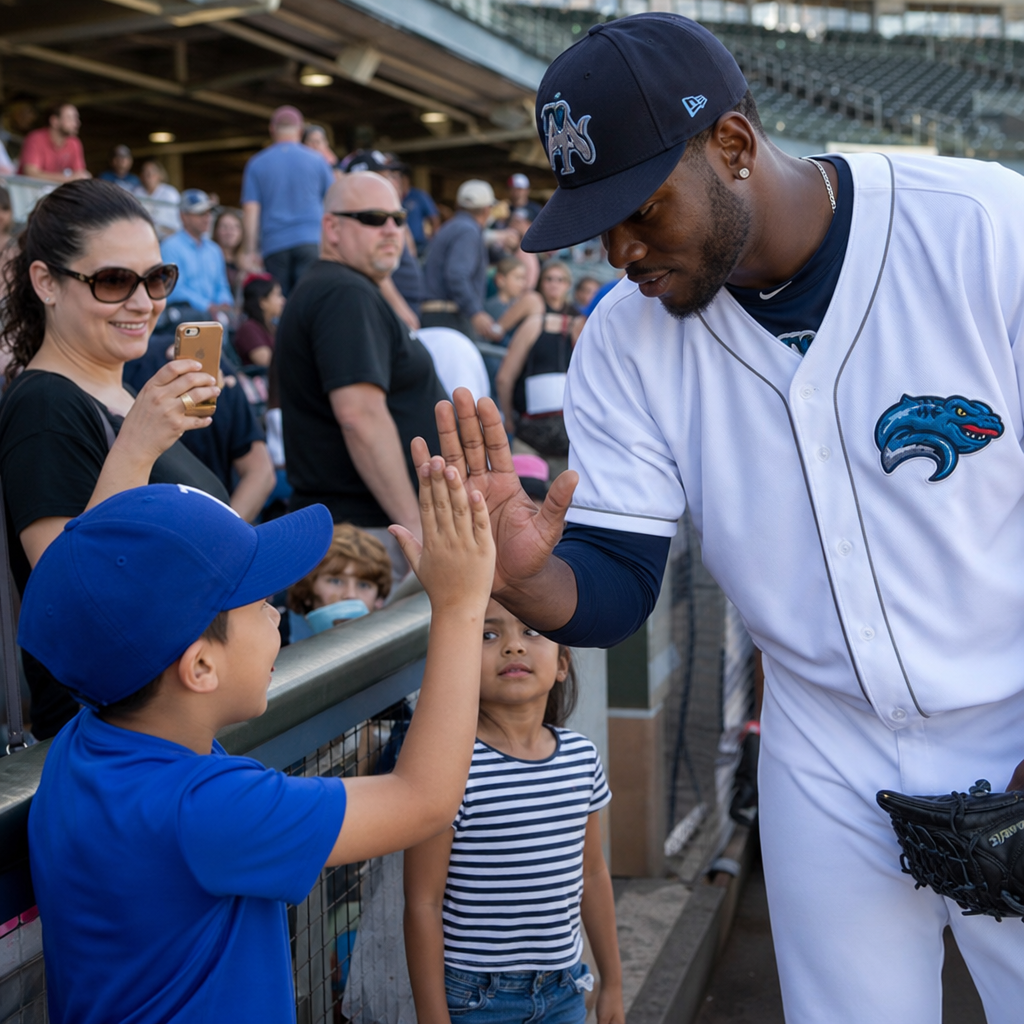
Minor League Baseball’s cultural impact reaches far beyond player development, because it has long served as a civic meeting place, a laboratory for local traditions, and a stage where diverse communities see themselves reflected in the game. In this context, cultural impact means the effect a team, league, or ballpark has on identity, belonging, language, music, food, memory, and everyday social life. Diversity includes race, ethnicity, nationality, class, age, religion, disability, military service, and regional background, but it also includes the wide range of hometown customs that give each club a distinct personality. That breadth matters because the minor leagues operate in cities and towns where baseball is often more intimate than in the majors. Fans sit close to the field, promotions are built around neighborhood habits, and players routinely interact with schools, civic groups, immigrant communities, and local businesses. After years covering and working around club operations, I have seen that a minor league team can function like a town square with a scoreboard. It brings together people who may not share politics, income, or culture, yet will still stand for the anthem, debate a manager’s bullpen choice, and line up for the same postgame fireworks. That civic glue explains why this subtopic matters within the broader “Minor Leagues and College Baseball” conversation. If college baseball often reflects campus identity, Minor League Baseball reflects community identity in motion.
How Minor League Baseball became a cultural institution
Minor League Baseball became culturally significant because it spread professional baseball into places that Major League Baseball never consistently reached. By the early twentieth century, networks of leagues connected industrial cities, farming regions, railroad hubs, and border communities. Even as leagues folded and reorganized, the core pattern remained: teams gave local residents a recurring public ritual at an affordable price. That affordability is crucial. A minor league game usually costs less than a major league outing, and the lower barrier to entry broadens the crowd. Families attend together, seniors return for weekday matinees, youth teams march in pregame parades, and workers stop by after a shift. The result is not simply attendance; it is repeated social contact.
The ballpark itself reinforces that role. Minor league venues are designed for access rather than exclusivity. Berm seating, picnic areas, kids’ zones, and close concourses encourage movement and conversation. Promotions are often hyperlocal: oyster festivals on the Chesapeake, bratwurst races in the Midwest, rodeo nights in Texas, and school reading programs nearly everywhere. These are not random gimmicks. They are deliberate acts of local storytelling. Teams package community symbols into baseball entertainment, and fans respond because they recognize their own lives in the presentation. Over time, mascots, alternate identities, and annual theme nights become shared reference points that outlast individual players.
Representation on the field and in the stands
Diversity in Minor League Baseball starts with player movement across borders. Rosters routinely include athletes from the Dominican Republic, Venezuela, Cuba, Mexico, Panama, Colombia, Curaçao, Japan, South Korea, and increasingly other baseball-growing regions. In clubhouses, that means multiple languages, food preferences, religious practices, and baseball traditions meet every day. For American fans in smaller markets, the minor leagues are often the most direct exposure to baseball as a global sport. A child in Iowa or North Carolina may watch a shortstop from Santiago, a catcher from Caracas, and a reliever from San Pedro de Macorís before ever seeing an international big league star in person.
That visibility matters because representation changes how communities understand both the sport and themselves. Teams that provide bilingual announcements, Spanish-language social media, heritage nights, and culturally informed concessions signal that Latino fans are not side audiences; they are central participants. The same principle applies to Black baseball history celebrations, Asian American and Pacific Islander community events, Pride nights, sensory-friendly games, and military appreciation programs. Effective clubs do not treat these efforts as isolated calendar entries. They build relationships with churches, chambers of commerce, tribal organizations, disability advocates, veterans groups, and school districts so that the event reflects real community partnership rather than surface branding.
Local identity, alternate brands, and the business of belonging
One of the clearest examples of baseball’s cultural impact is the rise of alternate identities. The strategy accelerated after Copa de la Diversión, a national initiative that encouraged teams to adopt culturally resonant names and logos for select games, especially those connecting with Latino communities. Clubs such as the Montgomery Biscuits became the Montgomery Viscachas, while other organizations created identities tied to regional food, folklore, or language. When done well, these rebrands are more than merchandise plays. They acknowledge that communities contain layered histories that deserve visibility at the ballpark.
I have seen clubs succeed when they involve local artists, historians, and bilingual staff early in the process. The strongest programs explain symbolism publicly, train front-office employees on pronunciation and cultural context, and connect the brand to music, youth outreach, and neighborhood vendors. The weakest versions treat culture as costume. Fans can tell the difference quickly. Authenticity depends on whether the club has built year-round credibility. A thoughtful identity night can increase attendance, merchandise sales, and media attention, but its lasting value is deeper: it tells residents that the team understands where it plays. In a fragmented media environment, that sense of being understood is one of sports’ most valuable assets.
Food, music, language, and ritual at the ballpark
Culture is lived through details, and minor league parks are full of them. Concession menus can reflect immigrant influence and regional pride at the same time, from Cuban sandwiches in Florida to elote-inspired dishes in the Southwest and pierogi races in Pennsylvania. Walk-up songs expose fans to reggaetón, bachata, country, hip-hop, and regional Mexican music in a single inning. Between-inning entertainment often borrows from county fairs, church socials, and school carnivals. These small choices build a multilayered atmosphere that major league standardization sometimes smooths out.
Language is especially important. Public-address announcements in English and Spanish, translated community materials, and bilingual customer service reduce friction and signal welcome. That matters not only for ticket buyers but for host families, local sponsors, and youth participants. Baseball terminology already crosses languages—think “doble play,” “jonrón,” and “beisbol” in Caribbean contexts—so minor league environments are naturally suited to multilingual communication. Teams that embrace this reality usually strengthen trust and broaden their audience.
| Cultural element | How teams use it | Why it matters |
|---|---|---|
| Food | Regional dishes, heritage-night specials, local vendors | Turns the ballpark into a recognizable community space |
| Music | Bilingual playlists, local bands, genre-specific theme nights | Reflects the sound of the market and expands audience connection |
| Language | Spanish announcements, translated signage, bilingual social media | Improves access and communicates respect |
| Ritual | Parades, school nights, military tributes, church group outings | Builds repeat traditions that anchor civic identity |
Community connection beyond the game
The strongest evidence of Minor League Baseball’s cultural impact appears away from the field. Teams host reading initiatives, food drives, blood donations, youth clinics, and nonprofit fundraisers because the business model depends on local trust. In many markets, the club is one of the few institutions capable of gathering businesses, public schools, city officials, and families in the same place without a crisis driving the meeting. That convening power has real social value.
Consider how clubs respond to local needs after storms, plant closures, or public health emergencies. Ballparks become distribution sites, fundraiser venues, and communication hubs. Staff members who normally sell group packages end up coordinating relief logistics with charities and municipal departments. Those moments reveal what minor league teams really are: flexible community organizations with a baseball operation attached. The game creates the relationship; the relationship creates resilience.
College baseball programs can have a similar regional pull, especially in the Southeast, Texas, and parts of the West Coast, but the minor leagues differ because their audiences are usually less tied to alumni identity. That makes them unusually inclusive. A fan does not need a degree, family legacy, or prior baseball expertise to belong. Buy a ticket, wear the cap, and you are in. For a miscellaneous hub page in this topic cluster, that openness is the key theme connecting future articles on promotions, language access, mascots, food culture, labor history, and fan traditions.
Historical progress, persistent challenges, and what comes next
Any honest discussion of diversity in baseball must include exclusion as well as celebration. The sport’s history includes segregation, uneven hiring, limited front-office pipelines, and barriers to access for lower-income families. Minor League Baseball has reflected those problems at times and helped challenge them at others. Jackie Robinson’s legacy transformed the professional game, but integration did not erase structural inequality. Even today, the demographics of coaching staffs, executives, broadcasters, and ownership groups do not fully mirror the communities many clubs serve.
There are practical challenges too. Some teams want to expand inclusion but operate with lean staffs and tight budgets. Translation, community liaison work, accessible seating upgrades, and authentic programming all require planning and money. Facility geography can also limit reach if parks are hard to access by public transit or distant from immigrant neighborhoods. And after Major League Baseball’s 2020 restructuring of the minors reduced affiliated teams, several communities lost local clubs entirely, weakening a long-standing cultural bridge.
Still, the direction of travel is clear. The most effective organizations now treat inclusion as operations, not decoration. They track who attends, which groups return, what languages patrons use, and which community partners generate sustained engagement. They hire staff with local knowledge. They consult recognized standards for accessibility and event management. They understand that a packed heritage night means little if the rest of the schedule feels indifferent. The future of minor league cultural relevance will belong to clubs that build genuine reciprocity with their markets and let communities shape the experience.
Strength in diversity is not a slogan in Minor League Baseball; it is the reason the sport continues to matter in places far from the major league spotlight. The minor leagues endure because they offer more than prospect watching. They preserve local memory, introduce global perspectives, create affordable rituals, and give communities a public space where difference is visible without preventing connection. That is why the cultural impact of Minor League Baseball deserves hub-level attention within any serious guide to minor leagues and college baseball.
The core takeaway is simple. When a team reflects the people around it—in its staff, programming, language, food, music, outreach, and storytelling—it becomes more resilient and more valuable to the town it serves. Fans feel that difference immediately. They stay longer, return more often, bring relatives, and pass traditions forward. Communities benefit too, because the ballpark becomes a place where identity is not flattened but shared.
Use this page as your starting point for the broader miscellaneous side of the subject: fan culture, heritage promotions, civic partnerships, labor stories, local branding, accessibility, and the everyday customs that make baseball feel like home. If you cover or follow the game, look closely at what happens beyond the box score. That is where Minor League Baseball explains itself best.
Frequently Asked Questions
How has Minor League Baseball helped shape local identity in diverse communities?
Minor League Baseball has often played a powerful role in shaping local identity because it operates at the neighborhood and regional level, where culture is experienced most directly. Unlike major professional sports, which can feel distant or highly commercialized, Minor League clubs are woven into the rhythms of everyday life. Ballparks become familiar gathering places where residents from different backgrounds share routines, traditions, and memories. Over time, teams come to symbolize the character of a city or town, reflecting its industries, migration patterns, languages, foodways, and civic pride.
In diverse communities, that influence becomes especially meaningful. A team can serve as a visible and recurring space where different racial, ethnic, national, and generational groups see one another participating in a common civic ritual. Cultural identity is reinforced not only through the game itself, but also through the surrounding experience: bilingual announcements, heritage nights, regional music, local vendors, and celebrations that recognize the people who make up the community. These details signal that the ballpark is not just a place to watch baseball, but a place where local culture is acknowledged and shared.
Because Minor League Baseball is accessible and community-centered, it helps turn abstract ideas like belonging and identity into lived experience. Families return year after year, children grow up with the team as part of their hometown memory, and newcomers use the ballpark as an entry point into local social life. In that sense, a Minor League club does more than entertain. It helps tell a community who it is, who it welcomes, and how its many stories fit together.
Why is Minor League Baseball considered an important civic meeting place beyond sports?
Minor League Baseball is widely seen as an important civic meeting place because it brings together people who might not otherwise share the same public space in such a relaxed and recurring way. The affordability and accessibility of many Minor League games make the ballpark one of the few venues where families, students, retirees, workers, veterans, faith groups, local businesses, and neighborhood organizations can gather side by side. That kind of casual social mixing matters. It strengthens community ties and creates a setting where civic life can unfold organically.
The ballpark often functions as a kind of public square. It hosts school nights, charity fundraisers, military recognitions, disability inclusion programs, youth leagues, cultural heritage events, and local small-business promotions. These activities broaden the meaning of the stadium experience. People are not simply attending a game; they are participating in a shared civic environment where community groups are visible and valued. This visibility can foster mutual recognition across lines of age, class, race, religion, and background.
That civic role becomes even more significant in places where there are limited public institutions capable of uniting the broader population. A Minor League team can anchor local traditions, offer continuity during periods of economic or demographic change, and give residents a common point of reference. In many towns and small cities, the team’s schedule, promotions, and special events become part of the annual social calendar. As a result, Minor League Baseball contributes to civic cohesion not by replacing other institutions, but by providing a welcoming and repeatable setting where everyday community life can be seen and experienced together.
In what ways does Minor League Baseball reflect cultural diversity through language, music, food, and traditions?
Minor League Baseball reflects cultural diversity most clearly when teams embrace the everyday expressions of community life that go far beyond the scoreboard. Language is one of the most visible examples. In communities with multilingual populations, teams may use bilingual signage, public address announcements, social media, and promotional materials to make more fans feel recognized and included. That choice does more than improve communication; it acknowledges that the community itself speaks in more than one voice and that those voices belong in the ballpark.
Music and entertainment also play a major role. Teams frequently incorporate genres, performers, and ceremonial elements that reflect the backgrounds of local residents. A ballpark soundtrack, pregame performance, or between-inning celebration can communicate whose stories and traditions are being welcomed into the public experience. When done thoughtfully, these choices help fans see the stadium as a place where their culture is not treated as a special exception, but as a normal and valued part of community life.
Food may be one of the most immediate ways cultural diversity becomes tangible at a game. Concession menus that include regional specialties, immigrant-influenced dishes, and culturally specific flavors can turn the ballpark into a showcase for local history and taste. Those offerings often reflect migration, labor history, family entrepreneurship, and neighborhood identity. Likewise, themed nights and long-standing rituals can highlight everything from heritage celebrations to local festivals and military appreciation. Together, language, music, food, and traditions help demonstrate that Minor League Baseball is not culturally neutral space. It is a living community setting where diversity can be expressed, shared, and normalized in memorable ways.
How has Minor League Baseball created a sense of belonging for underrepresented groups?
Minor League Baseball has created a sense of belonging for underrepresented groups by offering proximity, familiarity, and opportunities for visible inclusion that are harder to achieve in larger, more distant sports environments. Because Minor League teams are deeply embedded in local communities, they are often better positioned to respond to the people around them. When organizations invest in inclusive programming, accessible facilities, community partnerships, and culturally responsive events, they signal that the ballpark is intended for everyone, not only a traditional or narrowly defined fan base.
This sense of belonging can take many forms. For racial and ethnic minority communities, it may come through representation in team outreach, heritage-focused celebrations, local partnerships, and recognition of neighborhood histories. For immigrant families, it may come through multilingual communication and an atmosphere that makes attending games feel welcoming rather than unfamiliar. For people with disabilities, belonging is reinforced through physical accessibility, sensory accommodations, and programming that treats access as essential rather than optional. Military families, older adults, working-class fans, and faith-based communities may likewise find that the ballpark acknowledges their presence through events, pricing, partnerships, and traditions that respect their role in local life.
Importantly, belonging is not created by symbolism alone. It grows through repeated experiences of comfort, recognition, and participation. When fans return to a ballpark and consistently see people like themselves represented, welcomed, and involved, the experience becomes personal. The team becomes part of their routine, memory, and identity. That is one reason Minor League Baseball can have such durable cultural impact: it offers not just entertainment, but a community setting where people who are often overlooked in public life can feel seen, included, and connected.
Why does the cultural impact of Minor League Baseball matter as much as its role in player development?
The cultural impact of Minor League Baseball matters as much as player development because the value of a team cannot be measured only by the athletes it sends to higher levels of competition. While developing players is central to the structure of the minor leagues, the day-to-day importance of these teams in many communities lies in what they mean to the people who attend, work, and gather around them. Minor League clubs influence how residents experience public space, celebrate local traditions, build family memories, and understand their community’s identity. That influence can persist even when players, coaches, and affiliations change.
Player development is fundamentally about the future of the sport, but cultural impact is about the present life of a community. A Minor League ballpark can serve as a site of intergenerational memory, where grandparents, parents, and children participate in shared rituals that become part of family history. It can also act as a bridge across social differences, offering one of the rare spaces where people from different classes, ages, and backgrounds gather in a common atmosphere. In this way, the game becomes a vehicle for social connection, local storytelling, and civic continuity.
This broader significance is especially important when discussing diversity. Minor League Baseball can validate the experiences and contributions of communities that have not always been fully recognized in mainstream sports narratives. Through inclusive traditions, community engagement, and everyday visibility, teams help define who belongs in the public life of a town or city. That is why the cultural impact of Minor League Baseball deserves serious attention. It reveals that the sport’s deepest legacy is not only found in professional advancement, but also in the ways local teams help communities see themselves, celebrate difference, and create lasting bonds.