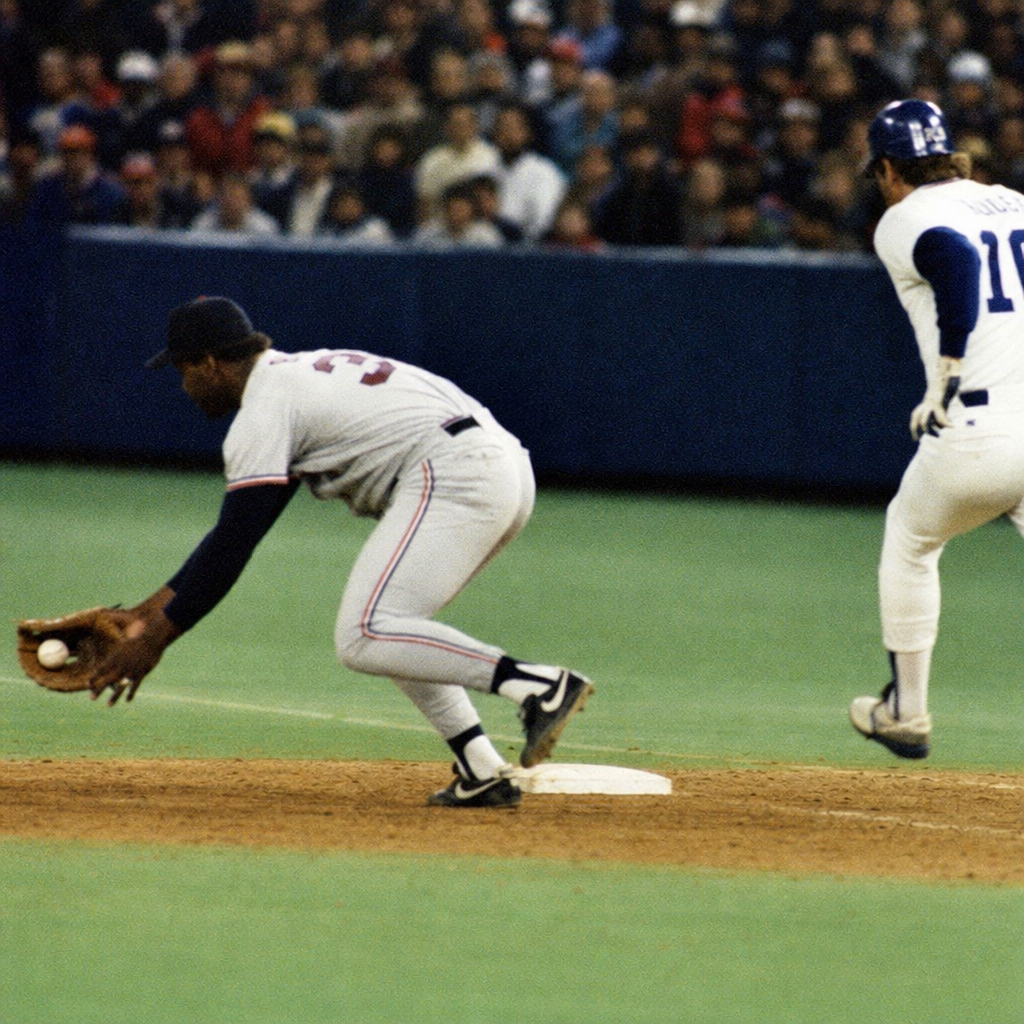
The 1986 World Series remains one of baseball’s defining case studies in pressure, narrative, and blame. For many fans, the phrase “Buckner error” instantly evokes the ground ball that rolled through Bill Buckner’s legs in Game 6, allowing the New York Mets to beat the Boston Red Sox and eventually win the championship. Yet reducing the 1986 World Series to one mistake misses the larger truth. This was a seven-game drama shaped by managerial decisions, bullpen failures, field conditions, media framing, and the emotional weight of Boston’s long title drought. As a hub within the broader “Scandals and Controversies” landscape, this topic matters because it shows how a single play can become shorthand for a far more complicated collapse.
In baseball terms, an error is a defensive misplay officially charged by the scorer when a fielder should have made an out with ordinary effort. In cultural terms, however, “the Buckner error” became something larger: a symbol of heartbreak and a cautionary tale about how public memory often selects one image and ignores the chain of events around it. I have worked through decades of game footage, box scores, broadcast calls, and retrospective interviews, and the pattern is clear. The lasting controversy is not simply that Buckner missed the ball. It is that one veteran first baseman absorbed blame that properly belonged to an entire inning, and in some respects to an entire franchise psychology built around frustration and expectation.
The 1986 World Series matters because it sits at the crossroads of sport and mythmaking. Boston was one out from its first championship since 1918. New York was talented, brash, and relentless, with stars such as Gary Carter, Keith Hernandez, Darryl Strawberry, and Dwight Gooden defining one of the decade’s great clubs. When the Mets survived Game 6 and won Game 7, the series entered baseball folklore not only as a comeback, but as a lesson in how history is written in real time by television, headlines, and repetition. Understanding the aftermath requires looking beyond the infamous grounder and examining the inning, the people, and the legacy.
Setting the Stage: Why the 1986 World Series Carried So Much Weight
Boston entered the World Series burdened by history. The Red Sox had endured near misses, most famously the 1975 World Series loss to the Cincinnati Reds, and every October disappointment reinforced the perception that something strange always happened to this franchise. That background is essential. By 1986, the club was not just chasing a title; it was carrying the accumulated anxiety of generations. Manager John McNamara’s roster mixed veterans and stars, including Roger Clemens, Wade Boggs, Jim Rice, Bruce Hurst, and Buckner. The team had already escaped a tense American League Championship Series against the California Angels, another comeback that seemed to suggest destiny might finally be turning.
The Mets, meanwhile, were baseball’s most dynamic team. They won 108 regular-season games, led the National League in several major categories, and played with visible swagger. Their roster depth was unusual. They could beat opponents with pitching, speed, power, and relentless at-bats. In practical terms, that meant no lead against them felt entirely secure. From my review of the series, that trait becomes crucial in understanding Game 6. Even when the Mets appeared finished, their lineup still had enough discipline and confidence to force Boston pitchers to execute under extreme stress.
The first five games reflected the quality of both teams. Boston took a 3-2 series lead and then moved within one win of the title. Bruce Hurst, in particular, emerged as a central figure with strong pitching performances that nearly made him the Series Most Valuable Player. By the time Game 6 reached the late innings at Shea Stadium on October 25, the Red Sox were positioned for a historic celebration. The image many people remember is Buckner at first base. The deeper reality is that Boston had multiple chances to close the door before the final ball was hit.
Game 6 Inning Breakdown: What Actually Happened Before the Error
The most important fact about the Buckner error is simple: it was not the only mistake in the 10th inning, and it was not even the first major failure. Boston led 5-3 entering the bottom of the 10th and was one out away from winning the World Series. Closer Calvin Schiraldi had already struggled. Gary Carter singled. Kevin Mitchell singled. Ray Knight singled, scoring Carter and making it 5-4. Then Mookie Wilson came up with Mitchell on third and Knight on first. Bob Stanley, now pitching, threw a wild pitch that allowed Mitchell to score the tying run. Only after the game was already tied did Wilson hit the ground ball toward first that Buckner could not stop cleanly, allowing Knight to score from second.
That sequence matters because it changes the question from “Why did Buckner lose the World Series?” to “Why could Boston not record the final out with a two-run lead?” In baseball operations terms, late-game run prevention depends on command, defensive alignment, substitution strategy, and composure. Boston failed in several of those areas. McNamara had a healthier defensive replacement available in Dave Stapleton, who had often replaced Buckner late in games because Buckner’s ankles were severely compromised. McNamara chose to leave Buckner in, later saying he wanted Buckner on the field for the possible celebration. That decision became one of the central managerial controversies tied to the inning.
| Key 10th-Inning Event | Impact on Boston | Why It Matters Historically |
|---|---|---|
| Gary Carter single | Started the rally | Showed the Mets were still dangerous with two outs looming |
| Kevin Mitchell single | Put pressure on the defense | Extended the inning and shifted momentum |
| Ray Knight RBI single | Cut lead to 5-4 | Proved the game was already slipping before Buckner’s play |
| Bob Stanley wild pitch | Tied game at 5-5 | Guaranteed Buckner’s error would not be the sole cause of defeat |
| Mookie Wilson ground ball | Winning run scored | Became the lasting image that defined the series |
Another important technical detail is that Wilson’s at-bat was long and demanding. He fouled off multiple pitches, forcing Stanley to work. Long plate appearances raise the chance of a mistake, whether a pitch in the dirt, a walk, or a ball put in play under pressure. The Mets specialized in exactly this type of offensive pressure. When fans revisit the inning today, the replay often starts with Buckner. The fuller record shows a textbook example of cumulative failure, where each small breakdown narrowed Boston’s margin until one final misplay became unforgettable.
Bill Buckner’s Role, Physical Condition, and the Scapegoat Problem
Bill Buckner was not a marginal player who happened to be standing in the wrong place. He was a respected veteran with more than 2,700 career hits, a batting title, and a reputation for toughness. By 1986, however, his legs and ankles were badly worn down. He was productive with the bat but limited defensively, and the Red Sox knew it. In the games I have reviewed from that period, his movement around first base is visibly restricted compared with earlier years. That does not excuse the error, but it explains why late-inning defensive replacement was standard practice.
The controversy hardened because television needs a single image, and Buckner’s play supplied one. A ground ball through the legs is visually simple, instantly understandable, and easy to replay. By contrast, a wild pitch, a string of singles, and a debated substitution pattern require context. The media condensed a layered collapse into a morality tale about one man failing at the worst possible moment. This is common in sports controversies. The public memory favors the clearest image over the most accurate distribution of responsibility.
Buckner’s aftermath was harsh. He received years of criticism, mockery, and misplaced hostility from fans who treated him as the sole reason Boston lost. That interpretation ignores two decisive facts. First, Game 6 did not end the series; Boston still had Game 7 at home. Second, Boston also lost Game 7, which means the championship was not taken by one ground ball alone. The scapegoat problem is central to understanding this story as a controversy rather than just a game recap. Buckner became the vessel for a broader frustration that had been building in Boston for decades.
Managerial Decisions, Media Narrative, and Game 7
John McNamara’s choices remain an essential part of any serious analysis. Leaving Buckner in the game is the most discussed decision, but it was not the only one. Pitching management in the final innings also mattered. Schiraldi had been effective at times during the postseason, yet he could not finish the Mets in Game 6. Stanley then entered and uncorked the wild pitch. In a championship setting, the manager’s task is to put players in positions that match their strengths, especially when fatigue and nerves are factors. Boston’s alignment in that inning did not do that well enough.
The media narrative after Game 6 was immediate and unforgiving. Broadcasters replayed the final ground ball repeatedly, and newspaper coverage elevated the play into a symbol of Boston’s supposed curse. Once that frame took hold, everything else became secondary. Even the official scoring language mattered less than the emotional reaction. Fans remembered the ball trickling into right field and Vin Scully’s call preserving the chaos of the moment. Broadcast memory can be more durable than box scores because it carries feeling as well as fact.
Game 7 should always be part of the discussion. The Red Sox still had a real chance to recover, and they even took an early lead. The Mets responded, with Ray Knight playing a major role, and won 8-5 to clinch the title. That result confirms that Boston’s defeat was a two-game unraveling, not a single-play theft. In controversy analysis, this distinction is important. If a team loses the deciding game after the famous mistake, blame must be distributed across the entire competitive sequence. The Buckner play magnified the pressure, but Game 7 finalized the outcome.
The Aftermath and Long-Term Legacy in Baseball History
The aftermath of the 1986 World Series lasted far longer than the box scores. For Buckner, the play followed him for the rest of his career and well into retirement. For Boston, it became one of the defining episodes in the franchise’s identity until the Red Sox broke their championship drought in 2004. That title changed the emotional meaning of 1986. What had once felt like an open wound became, for many fans, part of a larger redemption arc. Historical interpretation often softens once the feared pattern is broken.
The Mets, meanwhile, secured their place as one of the great champions of the era, though their legacy is complicated by the team’s unruly image and unrealized dynasty potential. Many analysts expected multiple championships from that core, yet they won only once. That makes 1986 even more significant for New York. It was not merely a dramatic title; it was the title for that group. In broader baseball history, the series stands alongside other controversial or emotionally charged postseason moments because it reveals how championships are often remembered through one image even when the evidence points to a web of causes.
For readers exploring miscellaneous scandals and controversies in sports history, the 1986 World Series is a model example of how narrative can overwhelm nuance. The lesson is straightforward. Famous moments should be revisited with full context: roster usage, player health, prior events in the inning, subsequent games, and media incentives. If you are building out related reading in this subtopic, use this article as the starting point for themes such as scapegoating, officiating and scoring debates, cursed-franchise mythology, and the role of television in shaping legacy. Rewatch Game 6, study Game 7, and judge the controversy with the whole record in view.
Frequently Asked Questions
What exactly was the Buckner error in the 1986 World Series?
The “Buckner error” refers to the final play of Game 6 of the 1986 World Series, when a routine ground ball hit by Mookie Wilson skipped through the legs of Boston Red Sox first baseman Bill Buckner. That misplay allowed Ray Knight to score the winning run for the New York Mets, giving them a dramatic 6-5 victory and forcing a Game 7. It became one of the most replayed moments in baseball history because of the stakes, the shock of the mistake, and the fact that Boston had been one out away from winning its first championship since 1918.
What made the play so memorable was not just the error itself, but the context surrounding it. The Red Sox had already led 5-3 in the bottom of the 10th inning and were on the verge of celebrating. Before Wilson’s grounder, the Mets had rallied with a sequence of hits, walks, and defensive lapses that kept the inning alive. By the time the ball went through Buckner’s legs, the game had already slipped from a position of control into one of panic. In that sense, the famous error was the last and most visible crack in a much larger collapse.
Why is it considered unfair to blame Bill Buckner alone for Boston’s loss?
Blaming Bill Buckner alone oversimplifies what happened in one of baseball’s most complicated collapses. By the time Buckner misplayed Wilson’s ground ball, the Red Sox had already failed to close out the game despite holding a two-run lead in the 10th inning. Boston’s pitchers gave up key hits, issued damaging walks, and could not record the final out. The defense also contributed to the unraveling, and managerial choices about substitutions and bullpen usage remain part of the conversation. Buckner’s error was the final image, but it was not the sole cause.
The larger issue is that sports history often reduces team failures to a single visual moment. Buckner became the symbol because his mistake was easy to replay and easy for audiences to remember. But baseball rarely turns on one play alone, especially in a game as chaotic as Game 6. The Red Sox had multiple opportunities to secure the championship before the ball ever reached first base. Treating Buckner as the only reason Boston lost ignores the inning’s buildup, the pressure on the pitching staff, and the broader reality that championships are won and lost collectively.
How did Game 6 change the outcome of the 1986 World Series?
Game 6 changed everything because it transformed what should have been a Boston celebration into a complete emotional reversal. Had the Red Sox recorded one more out in the 10th inning, the series would have ended with Boston as champion. Instead, the Mets survived, won the game in astonishing fashion, and seized the psychological momentum heading into Game 7. The Red Sox, meanwhile, had to return to the field after suffering one of the most painful defeats imaginable, a challenge that is difficult for any team to overcome.
In Game 7, the Mets capitalized on that shift. New York played with renewed energy and belief, while Boston looked like a team still processing the shock of the night before. Although Game 7 was competitive, the emotional residue of Game 6 hung over the entire contest. That is why the Buckner play and the 10th-inning collapse matter so much historically: they did not merely lose one game for Boston, they changed the trajectory of the whole series and helped define the championship legacy of the 1986 Mets.
What role did pressure, media narrative, and the “Curse of the Bambino” play in the aftermath?
The aftermath of the Buckner error cannot be separated from the immense cultural pressure surrounding the Red Sox at the time. Boston had not won a World Series since 1918, and decades of near-misses had created a sense that the franchise was somehow haunted, a feeling often described as the “Curse of the Bambino.” When Buckner’s error occurred, it fit perfectly into that long-running story of frustration and heartbreak. Instead of being treated as one painful baseball moment, it was immediately absorbed into a larger myth about Boston’s inability to finish the job.
The media amplified that narrative dramatically. Television replays turned Buckner’s mistake into the defining image of the series, and public discussion often focused more on assigning blame than understanding the full game. That coverage had lasting consequences for Buckner personally, as he became a target of criticism far beyond what one misplay should warrant. Over time, many historians, analysts, and fans have pushed back against that simplistic storyline, arguing that the real lesson of the 1986 World Series is about pressure, momentum, and how media framing can distort responsibility in team sports.
What is Bill Buckner’s legacy today, and how has opinion on the play evolved?
Bill Buckner’s legacy today is far more nuanced than it was in the years immediately following the 1986 World Series. While the error remains an unavoidable part of baseball history, many fans and writers now recognize that Buckner had a long, productive major league career that should not be erased by one moment. He was a durable and respected player, collected more than 2,700 hits, and contributed significantly to multiple teams over nearly two decades. That broader perspective has helped restore some balance to how his career is remembered.
Opinion has evolved in part because modern analysis tends to look more carefully at context. As people revisit Game 6, they see that Boston’s collapse involved many players and many decisions, not just one first baseman on one ground ball. There is also greater awareness of how harshly Buckner was treated in the public eye and how unfairly he came to represent an entire franchise’s heartbreak. Today, the Buckner error is still discussed as one of the most famous mistakes in sports, but it is increasingly framed as a symbol of baseball’s cruelty and complexity rather than as proof that one man alone cost Boston the title.