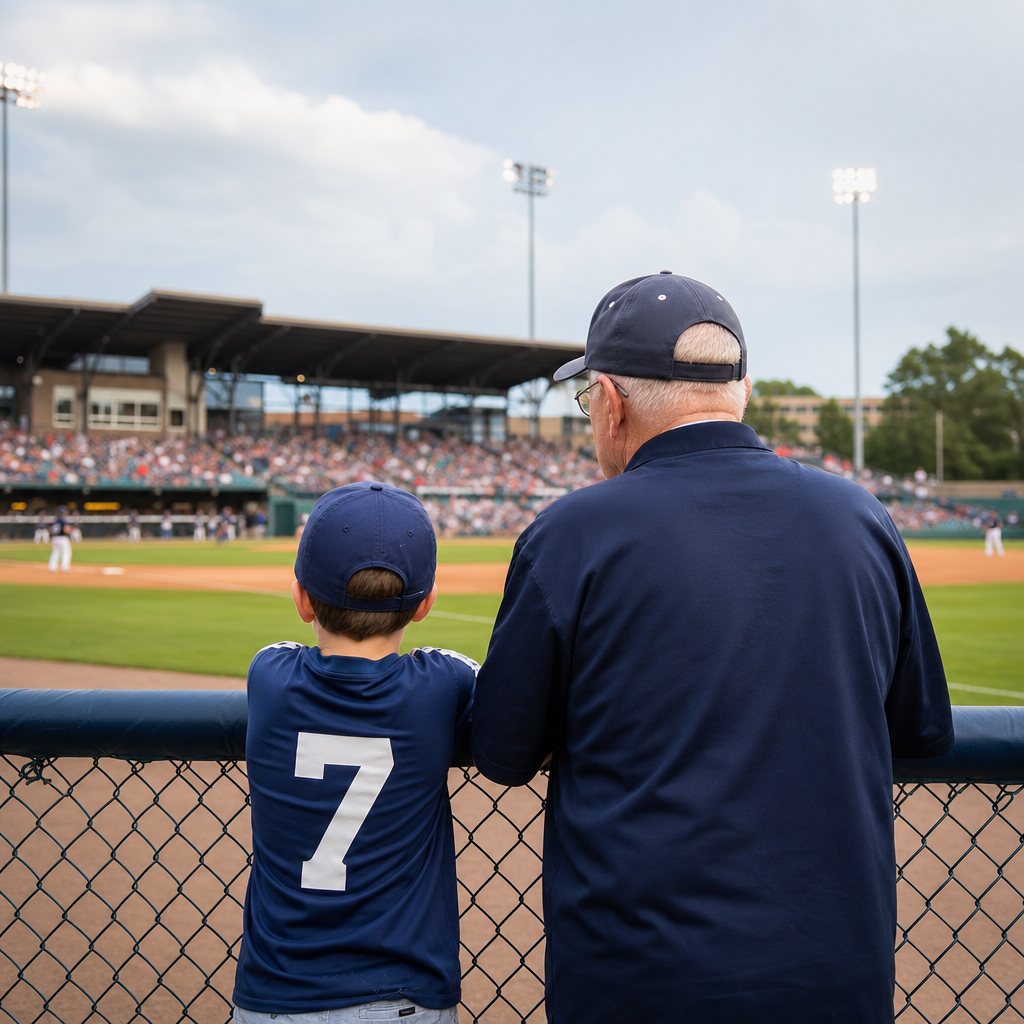
Minor league teams shape communities long before a prospect reaches the majors, and their real legacy is measured in local identity, economic resilience, and generations of baseball habits. In the broad landscape of Minor Leagues and College Baseball, this miscellaneous hub topic matters because it connects the pieces fans often study separately: player development, stadium culture, civic investment, college pipelines, summer leagues, ownership models, and the everyday experiences that make smaller clubs endure. When I have worked with teams, municipal partners, and local sponsors, the most consistent lesson has been simple: a minor league club is rarely just an entertainment property. It is a recurring public gathering point, a marketing platform for regional businesses, a proving ground for front-office talent, and a bridge between amateur baseball and the professional game.
The term minor league team usually refers to a professional club operating below Major League Baseball, whether affiliated or part of an independent league. Yet the long-term impact of minor league teams also touches nearby college programs, youth organizations, host cities, and state tourism boards. Legacy, in this context, means the durable effects a team leaves after wins and losses fade. Those effects can include stadium districts that anchor redevelopment, alumni who inspire local players, charitable foundations, internships that launch sports careers, and traditions that survive ownership changes. This article serves as a hub for the miscellaneous side of the subject by explaining how these teams create value, where that value is fragile, and why understanding the full ecosystem helps readers make sense of baseball below the major league level.
How minor league teams become civic institutions
Minor league teams become civic institutions because they offer repeated, affordable, place-based experiences that residents can share across age groups. A typical club hosts more than sixty home dates in a season, giving communities far more touchpoints than most cultural organizations. That repetition matters. Families build routines around Friday fireworks, school groups take annual field trips, local companies host client outings, and city leaders use the ballpark as a neutral venue for public events. Over time, the team logo becomes shorthand for the town itself. In places such as Durham, Toledo, and Round Rock, the ballpark is not peripheral to downtown identity; it is part of the city’s public narrative.
This civic role often deepens because minor league teams are accessible in ways major league brands are not. Ticket prices are lower, parking is easier, and player interactions are more direct. Fans can collect autographs, talk to ushers who know them by name, and return often enough to feel ownership. I have seen this dynamic turn teams into community memory keepers. A child attends a summer camp at the stadium, later works there in college, then brings their own children back as adults. That cycle is legacy in practical terms. Even when affiliations change or leagues are reorganized, the emotional continuity can remain stronger than the administrative structure surrounding the club.
Economic impact beyond the turnstiles
The long-term economic impact of minor league teams extends beyond ticket revenue because the club activates spending across restaurants, hotels, retail corridors, and service businesses. Economists rightly caution that sports impact studies can overstate gains by counting spending that would have happened elsewhere in the market. That caution is important. Still, a well-run team with a consistently used facility can generate meaningful localized effects, especially in small and midsize cities where incremental foot traffic matters. Game nights create predictable demand for nearby establishments, and non-baseball events such as concerts, festivals, corporate outings, and youth tournaments can increase annual venue utilization.
Ballpark districts offer some of the clearest examples. Durham Bulls Athletic Park is frequently cited in discussions of downtown revitalization because the venue helped anchor a broader redevelopment strategy rather than functioning as a standalone project. Similar patterns appear when a city pairs a minor league venue with mixed-use planning, transit access, and year-round programming. The lesson is not that every stadium project succeeds. It is that the strongest outcomes come when the team is integrated into an economic development plan with realistic attendance assumptions, disciplined public financing, and a clear operating model for dark days when baseball is not being played.
| Impact area | How minor league teams contribute | Long-term result |
|---|---|---|
| Downtown business activity | Game-day foot traffic supports bars, restaurants, parking, and retail | More stable commercial corridors and higher repeat visitation |
| Employment | Seasonal jobs, internships, grounds crews, concessions, security, marketing roles | Workforce development and local sports business experience |
| Tourism | Tournaments, themed weekends, concerts, and regional road-trip appeal | Additional hotel nights and broader destination awareness |
| Real estate perception | Ballparks can anchor mixed-use districts when paired with planning | Improved investor confidence in adjacent development |
Teams also shape labor markets in overlooked ways. Many sports executives begin in minor league baseball, where staffs are lean and employees learn ticketing, sponsorship sales, promotions, operations, and community relations at once. That cross-training creates a durable talent pipeline not only for baseball but for collegiate athletics, event management, and municipal venue operations. For college students in sports management, communications, business, and hospitality, the local team often provides the first real laboratory for applying classroom concepts under pressure. The impact is subtle but cumulative: cities with stable clubs frequently produce experienced sports professionals who continue working in the region.
The player pipeline and its connection to college baseball
Minor league teams matter because they sit in the middle of baseball’s developmental chain. For fans following college baseball, these clubs are the most visible next stop for drafted players, undrafted free agents, and late bloomers. They translate amateur promise into professional evaluation through daily repetition against stronger competition. A college ace may dominate one weekend series at a time, but in the minors he must hold velocity, command, and recovery across a full season. Position players face the same reckoning. Wooden-bat adjustment, travel demands, defensive consistency, and data-informed swing decisions all become central to advancement.
This connection gives minor league markets educational value for local baseball communities. Fans learn how development actually works, rather than how it is imagined. They see that a former college star may need two seasons to refine chase rates, improve bat speed, or add a defensive position. They also see why player development departments rely on technologies such as TrackMan, Hawk-Eye, Rapsodo, and force-plate testing. Those tools do not replace scouting judgment; they sharpen it. A pitcher’s induced vertical break, release consistency, and extension can explain results that a box score cannot. For college coaches and recruits, observing these standards helps align training with the demands of professional baseball.
The relationship is reciprocal. College baseball also sustains minor league relevance by supplying familiar names and regional storylines. When a local fan base can watch a former SEC slugger, Pac-12 left-hander, or in-state mid-major standout, the team gains narrative depth. Summer collegiate leagues amplify that bridge by preparing players for bus travel, compact schedules, and fan-facing community roles. In practical terms, minor league teams preserve continuity between the amateur game and the majors. They are where development becomes visible, measurable, and personal.
Branding, promotions, and the creation of local memory
One reason minor league teams leave such a deep legacy is that they understand experiential branding better than many larger organizations. Promotions are not sideshows; they are strategic tools that make the ballpark relevant to casual fans while giving sponsors, schools, and local nonprofits reasons to participate. Alternate identities such as the Rocket City Trash Pandas, Montgomery Biscuits, and Eugene Exploding Whales work because they are distinctive, visually marketable, and rooted in local storytelling. Merchandise becomes both revenue and cultural signal. When residents wear the cap year-round, the team has moved beyond sport and into civic expression.
Theme nights matter for similar reasons. Education days introduce children to the venue. Heritage celebrations connect immigrant communities to the club. Military appreciation, youth sports takeovers, and regional food festivals invite groups that might not otherwise attend. Over multiple seasons, these experiences become family folklore. People remember first foul balls, mascot skits, on-field proposals, and postgame fireworks with more clarity than individual standings. That memory accumulation is not trivial. It is what keeps support alive during losing years, affiliation changes, or stadium debates.
Promotions are most effective when they fit a clear brand architecture. Teams that succeed long term know which traditions should remain stable and which can rotate. They maintain recognizable uniforms, mascots, and rituals while refreshing the calendar with timely concepts. They also measure outcomes carefully. Redemption rates, per-cap spending, walk-up ticket patterns, and sponsorship renewals show whether a promotion attracted attention or built durable value. In my experience, the best clubs combine creativity with operational discipline. The fan sees fun; the front office sees repeatable audience development.
Ballparks as public spaces and development tools
A minor league ballpark is valuable because it can function as both sports venue and civic infrastructure. The strongest facilities are designed for flexibility: baseball sightlines, modern concessions, ADA accessibility, premium inventory, group spaces, and non-game-day usability. Public return improves when a stadium hosts high school championships, college showcases, community fundraisers, winter festivals, and corporate meetings. This is one reason facility age and maintenance matter so much. Once fan comfort declines, restrooms feel outdated, or technology lags, attendance headwinds appear quickly, and the broader district loses energy.
The recent restructuring of the affiliated minor leagues by Major League Baseball highlighted how central facility standards have become. Clubhouses, player nutrition, lighting, and training areas are now treated as essential development assets, not extras. That shift benefits players but creates pressure for local owners and municipalities. Renovations can be expensive, and public sentiment is often mixed. The balanced view is that stadium investment should be judged by use, governance, and broader planning discipline. A modernized park with year-round programming and accountable financing can support local goals. A lightly used venue without a district strategy is harder to justify.
When these projects work, they create visible legacy. A ballpark can reconnect neglected parcels, encourage pedestrian activity, and give residents a shared gathering place. When they fail, the reasons are usually identifiable: weak site selection, unrealistic revenue expectations, insufficient maintenance reserves, or overreliance on baseball dates alone. Legacy is therefore not automatic. It is built through competent venue management.
Ownership, affiliations, and what threatens continuity
The biggest threat to a minor league team’s long-term impact is instability. Ownership transitions, lease disputes, league realignment, and affiliation changes can unsettle even strong markets. Fans often assume a popular club is automatically safe, but the business model can be narrow. Weather, sponsorship churn, debt service, rising labor costs, and facility obligations all matter. Independent league teams face added pressure because they do not receive the same player-development support structure as affiliated clubs. At the same time, they can be more nimble in marketing and roster construction.
Affiliation changes influence identity in complex ways. A new major league parent may improve prospect quality and media attention, but local fans usually stay loyal to the city name, mascot, and stadium traditions first. That distinction is important for understanding legacy. The deepest bonds are local, not transactional. Still, continuity benefits from transparent leadership. When owners communicate clearly about facility needs, ticket strategy, and community priorities, trust survives difficult periods more easily.
Another pressure point is media fragmentation. Regional newspapers have smaller staffs, radio rights are thinner, and younger audiences consume highlights differently. Teams that adapt by improving streaming, email segmentation, CRM usage, and short-form storytelling can maintain relevance. Those that treat marketing as posters and schedule magnets alone fall behind. Long-term impact now depends on digital competence as much as on-game presentation.
How teams build legacy intentionally
Legacy is strongest when a minor league team treats community value as a design choice rather than a byproduct. That means investing in school partnerships, accessible pricing, youth clinics, alumni storytelling, and foundation work that addresses local needs such as literacy, food insecurity, or neighborhood recreation. It also means preserving institutional memory. Teams should document milestones, honor longtime staff, archive uniforms and scorecards, and tell the stories of groundskeepers, billet families, broadcasters, and interns alongside star players. Those details give a franchise depth.
For readers exploring the wider Minor Leagues and College Baseball hub, the core takeaway is clear: minor league teams matter because they connect sport to place. They develop players, animate downtowns, train future industry leaders, and create traditions durable enough to outlast standings. Their legacy is most powerful when ownership is steady, facilities are functional, and community partnerships are authentic. If you are evaluating a club, a city project, or the future of baseball in your region, look past attendance alone and examine the broader ecosystem. Follow the local stories, visit the ballpark, and support the teams that invest back into their communities.
Frequently Asked Questions
1. How do minor league teams create a lasting legacy in their communities?
Minor league teams create a lasting legacy by becoming part of the everyday rhythm of local life, not just a seasonal entertainment option. Their impact often starts with something simple: giving residents a shared place to gather. Over time, that gathering place becomes woven into a city or town’s identity. Families build traditions around opening day, fireworks nights, school fundraisers, and summer games that mark the calendar year after year. Those routines shape how people experience their community, and they often continue across generations. A child who attends games with a grandparent may later bring their own children, turning the ballpark into a living archive of family memory and civic belonging.
The legacy also grows through visibility and participation. Minor league teams are typically more accessible than major professional franchises, which means players, staff, mascots, and team executives are often present in schools, charity events, youth leagues, and local business partnerships. That proximity matters. It makes the team feel less like a distant brand and more like a genuine community institution. In many markets, the club becomes a symbolic ambassador for the region, representing local values such as resilience, pride, hospitality, and hard work.
Just as importantly, minor league teams often preserve and amplify local stories. Team names, logos, uniforms, promotions, and stadium traditions frequently draw from regional history, agriculture, industry, geography, or folklore. That creates a form of cultural storytelling that residents can rally around. Even when players and coaches move on, the local meanings remain. This is why the long-term impact of a minor league team is rarely measured only by wins, losses, or future major leaguers. Its deeper legacy is found in the identity it helps a place express, the memories it helps create, and the sense of continuity it gives to people who call that community home.
2. What is the economic impact of a minor league team over the long term?
The long-term economic impact of a minor league team goes far beyond ticket sales. While game-day revenue is certainly important, the broader effect comes from how a team helps activate an area consistently over many years. Ballparks can serve as anchors for surrounding restaurants, bars, hotels, retail spaces, and mixed-use development. On game nights, nearby businesses benefit from increased foot traffic, and over time that regular activity can help stabilize commercial districts that might otherwise struggle to draw recurring crowds. In some cities, a minor league stadium has played a meaningful role in downtown revitalization or in giving underused areas a new purpose.
Minor league teams also support local employment in ways that are often overlooked. Full-time front office roles, seasonal stadium positions, concessions, security, grounds crews, marketing staff, and event personnel all contribute to the local labor picture. Beyond direct jobs, teams create contracting opportunities for printers, food vendors, maintenance companies, media outlets, and small businesses that support operations throughout the year. The venue itself may host concerts, festivals, amateur sports, corporate events, and community gatherings, extending its value beyond baseball season and making it a more consistent economic asset.
Perhaps most importantly, the economic legacy of a minor league team is tied to resilience rather than sheer scale. Few minor league markets expect the kind of massive direct revenue associated with major league franchises. Instead, the value comes from steady, repeatable activity and the confidence that a respected local institution can bring to civic investment. When a team is managed well and integrated into the community, it can help sustain consumer habits, encourage adjacent development, and reinforce a town’s image as a place where people want to spend time and money. That kind of long-term economic contribution may be modest in any single transaction, but over decades it can become significant.
3. How do minor league teams influence youth baseball, college baseball, and player development pipelines?
Minor league teams influence the broader baseball ecosystem by making the sport visible, tangible, and aspirational at the local level. For young players, seeing professional baseball up close helps turn an abstract dream into something more real. Children can watch skilled athletes compete in person, study routines, attend camps or clinics, and begin to understand the discipline required to move through the development ladder. That exposure often strengthens youth participation, especially in markets where baseball culture is reinforced by local schools, travel programs, and summer leagues.
The connection to college baseball is also important. In many regions, fans think of college baseball and the minor leagues as separate worlds, but in practice they often support the same developmental and cultural pipeline. A community that regularly attends minor league games is more likely to value the sport year-round, follow local college programs, and invest in baseball infrastructure such as fields, coaching, and training resources. College players may spend summers in wood-bat leagues, local fans may track prospects across amateur and professional levels, and scouts often move fluidly through these environments. This creates a more connected baseball culture in which developmental stages feel linked rather than isolated.
From a player development standpoint, minor league teams are essential because they represent the space where raw talent becomes professional refinement. But their legacy is not limited to the athletes who eventually reach the majors. They also educate fans about the process itself. Supporters learn to appreciate growth, patience, setbacks, and incremental improvement. That perspective deepens baseball literacy within a community. People begin to understand not only what makes a star, but what sustains a career. Over time, that knowledge influences how communities view local talent, college recruits, draft picks, and prospects, enriching the overall baseball environment far beyond one roster or one season.
4. Why does stadium culture matter so much to the legacy of minor league teams?
Stadium culture matters because it is the most visible and memorable expression of what a minor league team means to its community. In the minor leagues, the ballpark experience is often intentionally intimate, affordable, and participatory. Fans are close to the field, promotions are creative, and the atmosphere is designed to welcome everyone from die-hard baseball followers to families attending their first game. That inclusiveness is one of the defining strengths of minor league baseball. It helps turn the stadium into a civic space rather than just a sports venue.
Over time, those stadium rituals become part of local tradition. Signature food items, between-inning games, theme nights, mascot antics, walk-up songs, scorecard habits, kids running the bases, and postgame fireworks all contribute to a shared culture that people remember vividly. These details may seem small on their own, but together they create emotional attachment. They give fans specific reasons to return and specific stories to tell. In many communities, the ballpark becomes one of the few places where multiple generations regularly spend time together in a setting that feels both festive and familiar.
Stadium culture also shapes how a team is perceived during periods of change. Affiliations may shift, players may rotate constantly, and ownership structures may evolve, but the experience of being at the ballpark can provide continuity. If the venue remains a place where people feel welcome, entertained, and connected, the team’s identity can endure even as the on-field cast changes. This is a major reason minor league clubs can leave such a durable imprint. Their legacy is sustained not only by who played there, but by how it felt to be there and what the place came to represent in the life of the community.
5. What role do ownership, civic investment, and local support play in the long-term success of a minor league team?
Ownership, civic investment, and local support are foundational to whether a minor league team becomes a short-lived attraction or a lasting institution. Strong ownership matters because these teams operate in environments where margins can be thin and community trust is essential. Owners who understand their market, invest in the fan experience, maintain the stadium, and treat the club as a civic partner rather than a purely transactional asset are far more likely to build durable goodwill. In the strongest examples, ownership aligns baseball operations with local culture, education initiatives, charitable work, and long-term business planning.
Civic investment is equally important because a minor league team often functions as public infrastructure in addition to being a private entertainment business. Municipal leaders, economic development groups, and community organizations frequently play a role in ballpark development, transportation access, neighborhood planning, and event programming. When those stakeholders see the team as part of a broader strategy for quality of life and place-making, the relationship becomes more sustainable. A stadium can then serve as a multipurpose public asset that supports not only baseball, but also festivals, fundraisers, school events, and regional tourism.
Local support ultimately determines whether all of that effort has staying power. Fans who buy tickets, sponsor businesses that partner with the team, volunteer in community programs, and pass down attendance habits create the social foundation that no ownership group can manufacture on its own. This support is especially powerful in smaller markets, where the team’s relevance depends on being embedded in the daily life of the community. When ownership, civic leadership, and local residents all invest in the same vision, a minor league team can leave a legacy that lasts well beyond any one era of prospects or affiliations. It becomes a source of pride, continuity, and identity that future generations inherit rather than simply observe.