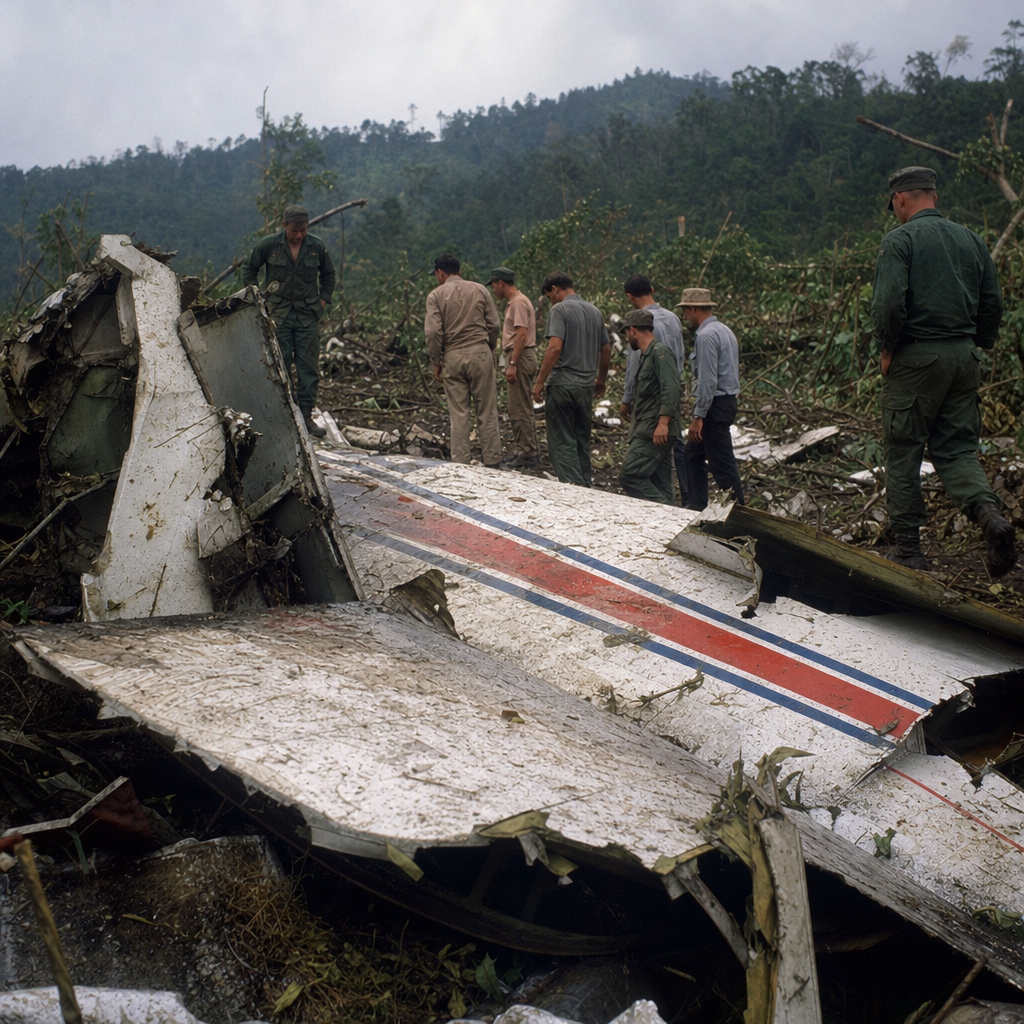
Roberto Clemente’s death in a plane crash on December 31, 1972 remains one of baseball’s most heartbreaking events, but the tragedy is also a lasting case study in aviation safety failures, disputed responsibility, and the power of public legacy. For readers exploring scandals and controversies in sports history, the Roberto Clemente plane crash sits in a distinctive category: it was not a cheating scandal or courtroom drama, yet it generated years of questions about negligence, regulation, cargo practices, and whether the disaster could have been prevented. Clemente was already one of Major League Baseball’s most accomplished and respected figures, a Pittsburgh Pirates star known for his cannon arm, 3,000 hits, and fierce commitment to dignity for Latin American players. His final mission, however, transformed him from a Hall of Fame athlete into a humanitarian symbol whose name now stands for service as much as sporting excellence.
Understanding this event requires defining two parallel issues. First is the crash itself: a four-engine Douglas DC-7 carrying relief supplies for earthquake victims in Nicaragua went down shortly after takeoff from San Juan, Puerto Rico. Second is the controversy: investigators, journalists, and historians have long scrutinized the aircraft’s mechanical condition, possible overloading, crew qualifications, and the business practices of the charter operator. Those concerns matter because the flight was not routine. Clemente personally intervened after hearing that earlier aid shipments were being diverted by corrupt officials in Nicaragua, and he decided to accompany the cargo so the supplies would reach civilians directly. That decision made him a passenger on an aircraft that many believe should never have been dispatched in the first place.
This article serves as a hub for the miscellaneous branch of the broader scandals and controversies topic by examining the facts of the crash, the operational failures that fueled suspicion, the unanswered questions that still shape public memory, and the legacy that followed. It also connects the event to larger themes readers often ask about: How did Roberto Clemente die? Why is the plane crash controversial? What did investigators conclude? How did his death change baseball and charitable work? From my work reviewing historical sports controversies, this is one of the clearest examples of a tragedy where the central dispute is not whether a bad outcome occurred, but how many preventable decisions stacked together to make it inevitable.
The Flight, the Mission, and the Immediate Disaster
On December 23, 1972, a devastating earthquake struck Managua, Nicaragua, killing thousands and leaving many more without shelter, food, or medical support. Clemente, a native of Puerto Rico and one of the most prominent Latin American athletes in the world, organized relief efforts almost immediately. He became frustrated when reports indicated that aid sent from Puerto Rico was not reliably reaching victims. Witness accounts and later coverage consistently describe his concern that supplies were being intercepted or misdirected. Rather than simply donate money or attach his name to a campaign, he chose direct oversight. That decision reflected the same personal seriousness he had shown throughout his career, especially in off-field causes affecting Puerto Rican and Latin American communities.
The aircraft used for the relief mission was a Douglas DC-7, an aging propeller-driven airliner operated by a cargo charter company based in Puerto Rico. By 1972, the DC-7 was no longer a front-line passenger aircraft in most major operations. That did not automatically make it unsafe; older aircraft can remain airworthy if maintained properly and flown within limits. The issue was whether this particular plane met those standards. Shortly after takeoff from Isla Verde International Airport in San Juan, the aircraft failed to gain stable altitude and crashed into the Atlantic Ocean. Clemente and the others on board were killed. His body was never recovered, a painful detail that intensified the emotional impact across Puerto Rico, Pittsburgh, and the wider baseball world.
In practical terms, the loss was immediate and total. Clemente had recorded his 3,000th hit earlier that year and was still an elite player. He was 38 years old, preparing for another season, and had become a bridge figure between baseball excellence and social responsibility. News of the crash spread rapidly on New Year’s Eve and New Year’s Day, turning a relief mission into an international headline. For many fans, the first shock was that a superstar had died while delivering aid. The second, and more enduring, shock was that details soon emerged suggesting the flight may have involved serious avoidable risks.
Why the Roberto Clemente Plane Crash Became Controversial
The controversy around the Roberto Clemente plane crash centers on preventability. Most historical summaries point to four major concerns: the aircraft’s maintenance status, possible overloading, questions about crew readiness, and the operating history of the charter service. None of these issues alone guarantees a crash, but together they form a pattern that has kept suspicion alive for decades. In sports history, that pattern matters because the event is often remembered only as a tragedy. It was also a potential systems failure involving commercial decision-making under humanitarian pressure.
Reports at the time and later retellings noted that the aircraft had a history of mechanical issues. There were claims that one engine had shown signs of trouble before departure and that the plane had been flown despite concerns. Aviation accidents frequently involve chains of small failures rather than a single dramatic cause, and this case fits that model. Investigators and commentators also raised the issue of weight. Relief cargo can be difficult to standardize, especially when shipments are assembled quickly from donations, but basic load planning remains essential. A heavy aircraft, particularly an older propeller plane operating from a warm-weather airport at night, has reduced performance margins during takeoff.
The charter operator’s judgment also drew scrutiny. In plain terms, critics argued that a flight carrying humanitarian supplies and a globally known passenger may have been handled with inadequate discipline. Questions about recordkeeping, maintenance practices, and dispatch standards became part of the story. While not every historical source agrees on every technical detail, the broad consensus is clear: the flight was risky before it ever reached the runway. That is the root of the controversy and the reason the crash still appears in discussions of preventable disasters.
| Issue | Why It Mattered | How It Shaped the Controversy |
|---|---|---|
| Aging DC-7 aircraft | Older planes require strict maintenance and conservative operations | Raised doubts about whether the aircraft was fit for a demanding cargo mission |
| Possible overloading | Excess weight reduces takeoff performance and climb capability | Suggested the plane may have been unable to recover after liftoff |
| Mechanical concerns | Engine reliability is critical on four-engine propeller aircraft | Fed claims that known defects were ignored or minimized |
| Operator practices | Dispatch, documentation, and oversight determine flight safety culture | Focused blame beyond fate and toward organizational negligence |
What Investigators Found About Cause and Responsibility
The official investigation concluded that the aircraft crashed into the sea shortly after takeoff and identified loading and mechanical factors as central concerns. In broad historical retellings, the plane is commonly described as overloaded, poorly maintained, or both. Those conclusions align with the practical realities of takeoff accidents: if an aircraft is too heavy, operating with reduced power, or compromised by engine performance problems, the crew has very little time to correct the situation after liftoff. Night departures over water are especially unforgiving because visual references are limited and options for emergency return are narrow.
One important nuance is that official findings in older aviation cases can leave room for debate. Records from the era are not always as complete or standardized as modern accident documentation from agencies such as the National Transportation Safety Board. That has allowed differing emphases in the Clemente case. Some accounts stress overloading above all else. Others focus more heavily on maintenance deficiencies and the charter company’s safety culture. The most responsible reading is that the crash likely resulted from a combination of conditions rather than one isolated mistake. That interpretation is consistent with established accident analysis models, including the idea that organizational weaknesses create openings for operational failure.
Responsibility therefore extends beyond the cockpit. Even when pilots are the final actors in a flight, they operate within constraints created by owners, mechanics, dispatchers, and commercial pressures. If an aircraft is released despite unresolved defects, if cargo is loaded outside prudent limits, or if a mission is rushed because of urgency and publicity, the seeds of disaster are planted before takeoff. That is why historians continue to treat the Roberto Clemente plane crash as controversial: the evidence points less toward random misfortune and more toward a cascade of preventable decisions.
Clemente’s Humanitarian Purpose and Why It Changed the Story
If the same crash had involved a routine cargo run, it would still have been tragic, but it would not carry the same historical weight. Clemente’s purpose changed everything. He was not traveling for profit, vanity, or personal convenience. He boarded the plane to make sure relief aid reached earthquake victims. That fact gave the disaster moral force and sharpened public anger. People were not simply mourning a baseball star; they were mourning a man who died while trying to correct corruption and inefficiency in a humanitarian crisis.
This context also explains why the legacy of the crash grew larger than the accident report. Clemente had long spoken against discrimination faced by Latin players, especially in media coverage that portrayed them as unintelligent or temperamental. He demanded respect in interviews, represented Puerto Rico with visible pride, and used his fame to support children and community causes. His final act fit the pattern of his life. In practical reputation terms, that matters because legacy is shaped not only by achievement but by the circumstances people remember most vividly. Lou Gehrig is linked with courage in illness; Jackie Robinson with integration and competitive fire; Clemente with excellence joined to service.
Baseball institutionalized that image quickly. The Hall of Fame waived its waiting period for his induction, and the league later attached his name to an annual award recognizing sportsmanship and community involvement. Those honors were not sentimental gestures detached from fact. They reflected a documented record of charitable action and a death directly connected to relief work. For readers using this page as a hub within miscellaneous controversies, this is the key distinction: the scandal element lies in the failures surrounding the flight, while the enduring public meaning lies in Clemente’s intentional act of service.
Long-Term Impact on Baseball, Memory, and Public Debate
The long-term impact of the Roberto Clemente plane crash can be measured in at least three areas: baseball culture, Puerto Rican identity, and public understanding of preventable tragedy. In baseball, Clemente’s death accelerated recognition of Latin American players as central figures in the sport’s history rather than peripheral stars. He had already won an MVP award, multiple batting titles, a World Series MVP, and twelve Gold Gloves. After his death, those accomplishments were revisited through a broader lens that included language bias, representation, and the burden many Latin players carried while trying to earn equal respect in U.S. media markets.
In Puerto Rico, Clemente became more than an athlete. He became a civic icon whose life expressed national pride, discipline, and duty. Schools, stadiums, highways, and programs have been named after him. The airport in Carolina, Puerto Rico bears his name, a poignant reminder given the circumstances of his death. In my experience reviewing how sports figures enter public memory, naming practices matter because they signal which values a society wants to keep visible. Clemente’s name is attached not just to baseball facilities but to educational and humanitarian institutions, confirming that his reputation rests on character as much as performance.
The debate over the crash also continues to influence how people discuss accountability. Modern readers often ask whether the disaster would have been preventable under current oversight standards. While no one can answer that with certainty, many of the red flags associated with the flight—aging equipment, questionable maintenance, weight concerns, and commercial pressure—are exactly the issues modern aviation safety systems are designed to catch. That does not erase risk, but it reinforces the historical lesson: tragedies become controversies when evidence suggests that known safeguards were weak, ignored, or absent.
Roberto Clemente’s plane crash remains significant because it combines three stories in one: an aviation disaster, a controversy over preventable failure, and the final chapter of one of baseball’s most honorable lives. The essential facts are clear. Clemente died while escorting relief supplies to earthquake victims in Nicaragua. The flight appears to have involved serious operational problems, including concerns about maintenance and loading. Those failures turned mourning into scrutiny and gave the event a permanent place in discussions of sports controversies that do not fit the usual scandal template.
The larger lesson is just as clear. Legacy is not created by sentiment alone; it is shaped by actions under pressure. Clemente’s decision to go personally, after hearing aid might be diverted, explains why his memory endures with unusual force. He remains a model of athletic greatness tied to public responsibility, and the unresolved frustrations around the crash only deepen that impression. For readers exploring the miscellaneous branch of scandals and controversies, this hub should be a starting point: continue into related articles on sports tragedies, institutional negligence, and the lasting reputations forged when character is tested in real time.
Frequently Asked Questions
What happened in the Roberto Clemente plane crash?
Roberto Clemente died on December 31, 1972, when the cargo plane he boarded crashed shortly after takeoff from San Juan, Puerto Rico. Clemente was traveling with relief supplies intended for earthquake victims in Nicaragua, and he reportedly chose to accompany the shipment because of concerns that earlier aid deliveries had been mishandled or diverted before reaching people in need. The aircraft, a heavily loaded DC-7, failed to complete a safe climb and went down into the Atlantic Ocean soon after departure.
The crash immediately became more than a sports tragedy. Clemente was one of baseball’s most admired stars, known not only for his Hall of Fame talent but also for his humanitarian character. Because he died while personally escorting aid, the disaster was viewed through both emotional and public-interest lenses from the start. It raised painful questions about why the flight was allowed to depart, whether the airplane was in proper condition, and whether commercial and regulatory failures contributed to the loss of life. Those questions helped turn the incident into a lasting part of both sports history and aviation safety discussions.
Why is the Roberto Clemente plane crash considered controversial?
The controversy comes from the belief that Clemente’s death may have been preventable. Investigations and later reporting focused on several troubling issues, including the plane’s age, maintenance history, cargo load, and the qualifications and decisions tied to the flight’s operation. Critics argued that the aircraft may have been overloaded or improperly managed, and that known mechanical or operational concerns should have raised red flags before takeoff. When a tragedy involves a beloved public figure and signs of possible negligence, it naturally invites long-term scrutiny.
What makes this case especially distinctive is that it sits at the intersection of sports, humanitarian relief, and transportation safety. It was not a scandal in the usual sense of rule-breaking on the field, but it carried the same lasting public tension because responsibility appeared disputed. Questions persisted about who should be held accountable: the charter operators, maintenance personnel, cargo handlers, regulators, or the broader system that allowed a questionable aircraft to fly. That unresolved sense of blame is a major reason the crash remains part of conversations about controversy in sports history.
What safety and negligence issues were raised after the crash?
Several key aviation safety concerns were raised in the aftermath. One of the biggest was whether the plane was overloaded, which can severely affect a large aircraft’s ability to gain altitude after takeoff. Investigators and commentators also examined the condition of the aircraft itself, since aging cargo planes require careful inspection and maintenance to remain airworthy. Any combination of excess weight, poor weight distribution, engine performance problems, or deferred maintenance could create dangerous conditions during the most vulnerable phase of flight.
Beyond the technical concerns, the crash highlighted broader issues of regulatory oversight and operational judgment. People asked whether the flight should have been approved in the first place, whether warning signs were ignored, and whether commercial pressure overrode safety standards. In that sense, the Clemente crash became a case study in how tragedy can result not from one dramatic failure alone, but from multiple smaller failures in planning, compliance, and accountability. That is why the event still resonates in discussions of negligence: it symbolizes the human cost when aviation safeguards are inadequate or inconsistently enforced.
How did Roberto Clemente’s death affect his legacy?
Clemente’s death profoundly deepened an already extraordinary legacy. He was celebrated during his life as a brilliant player, but the circumstances of his final mission gave his public image a moral dimension that few athletes ever attain. He was not traveling for personal gain, publicity, or ceremonial reasons; he was trying to make sure humanitarian aid reached earthquake victims who needed it. That fact permanently linked his name not just with baseball excellence, but with service, dignity, and sacrifice.
In the years since, Clemente has come to represent a rare ideal in sports: greatness measured both by performance and by character. His story continues to inspire awards, tributes, educational efforts, and broader recognition of Latin American influence in baseball history. The tragedy also sharpened public memory of who he was beyond statistics. Instead of being remembered only as a superstar right fielder, he is remembered as a figure of compassion and integrity whose final act reflected the values he lived by. That is a major reason his legacy has endured so powerfully across generations.
Why does the Roberto Clemente plane crash still matter today?
The crash still matters because it remains relevant on several levels at once. In sports history, it marks the sudden loss of one of baseball’s most important and admired figures. In public memory, it stands as a reminder that athletes can have cultural and humanitarian significance far beyond competition. And in aviation history, it continues to serve as an example of how maintenance concerns, cargo questions, oversight gaps, and operational decisions can combine into catastrophe. Cases like this endure because they are not simply about what happened, but about what should have been prevented.
It also matters because unresolved or debated responsibility tends to keep historical events alive in public conversation. Readers interested in scandals and controversies often return to the Clemente case because it shows that sports-related controversy does not always involve corruption, doping, or legal spectacle. Sometimes the deepest controversy comes from institutional failure surrounding a tragedy. Clemente’s death remains a powerful subject precisely because it combines heartbreak, unanswered questions, and an enduring legacy of service. That combination ensures the story continues to be revisited by historians, baseball fans, and anyone interested in accountability when public loss could have been avoided.