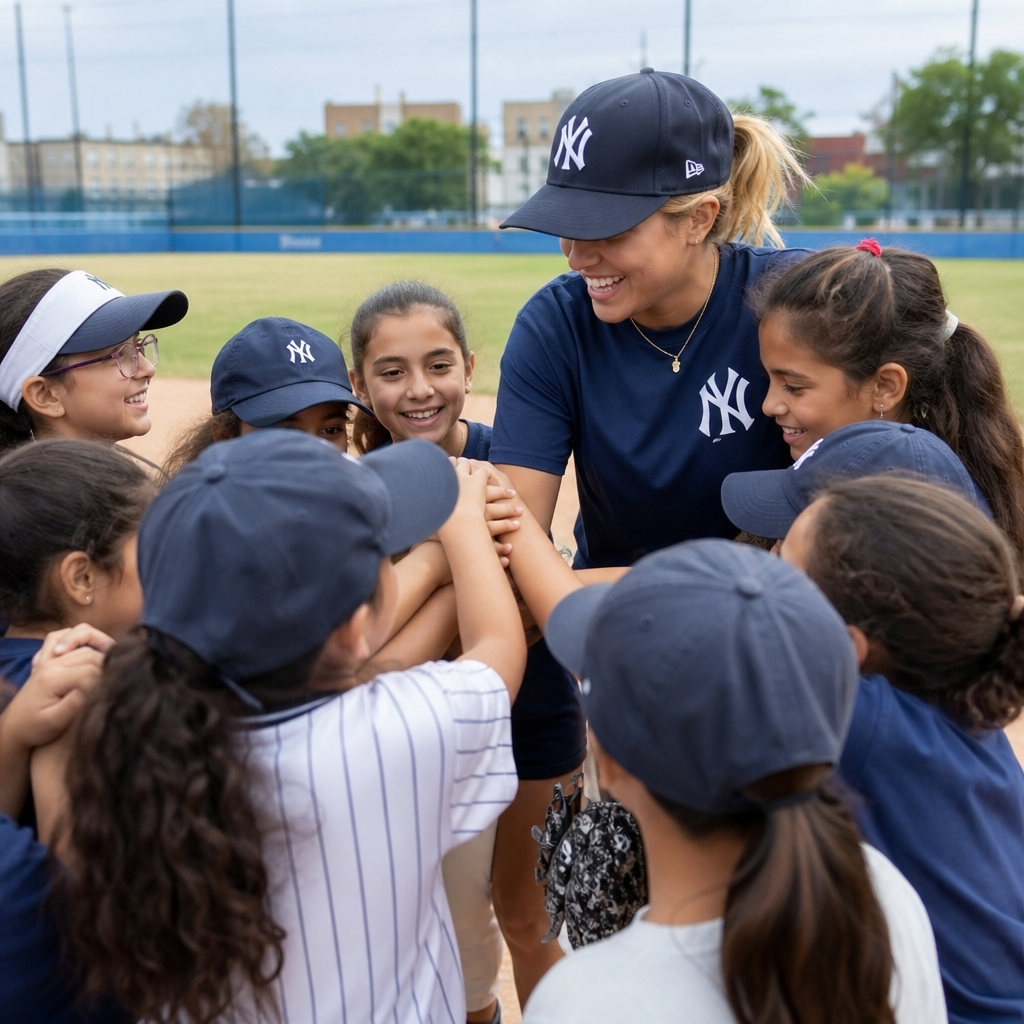
Women in baseball philanthropy and community engagement have reshaped how the sport serves neighborhoods, schools, families, and future players, turning baseball from a game watched at a stadium into a year-round civic platform. In this context, philanthropy means organized giving of money, time, influence, and expertise to improve public life, while community engagement means sustained, two-way participation with local people rather than one-off charity events. I have worked on baseball-adjacent outreach calendars and sponsorship planning, and one lesson is constant: the women leading these efforts are often the connective tissue between a club and its community. They build scholarship funds, design youth clinics, coordinate health campaigns, and create inclusive spaces for girls, women, veterans, immigrants, and underserved families. This topic matters because Major League Baseball clubs, minor league teams, college programs, and nonprofit baseball foundations all rely on trust to keep fans invested. Ticket sales and wins matter, but civic credibility matters too. When women in baseball lead charitable strategy, employee volunteerism, player-family foundations, or grassroots programming, they influence access to sport, educational opportunity, and public perception. They also broaden baseball’s cultural relevance by aligning the game with local needs such as literacy, food security, mental health, and safe recreation. As a hub topic, women in baseball philanthropy and community engagement includes executives, owners, foundation directors, broadcasters, player spouses, former athletes, coaches, and nonprofit founders. Their work is not peripheral. It is structural, measurable, and increasingly central to how baseball organizations define leadership.
How women shaped baseball’s community mission
Women have supported baseball communities for more than a century, but their influence became more visible as clubs professionalized foundation work and public-impact reporting. Early women owners such as Effa Manley, the co-owner of the Newark Eagles and the first woman inducted into the National Baseball Hall of Fame, demonstrated that baseball leadership could pair business discipline with civic responsibility. Manley was active in civil rights causes and understood that a club could represent community pride as much as entertainment. That model still matters. Modern baseball philanthropy often combines fundraising, advocacy, and program design, and women have consistently driven all three. In front offices, they have built formal community relations departments that manage grants, volunteer days, school partnerships, and disaster response. In independent and minor league baseball, where teams are deeply tied to local identity, women frequently oversee outreach that connects players with classrooms, libraries, and neighborhood nonprofits.
The practical shift over the last two decades has been from ceremonial appearances to impact programs with defined goals. Instead of simply hosting a charity night, teams now fund STEM education, renovate fields, provide transportation for youth leagues, and evaluate participation outcomes. Women have played a major role in that shift because many came into baseball from nonprofit management, education, public health, communications, and corporate social responsibility. They brought methods such as logic models, grantmaking criteria, and partnership metrics. A successful baseball charity program today might track how many girls attended a clinic, how many returned for a second session, how many parents reported improved confidence, and whether schools requested continued programming. That level of operational rigor has made community engagement more credible and more useful to the people it aims to serve.
Where women lead today across teams, foundations, and local programs
Women in baseball philanthropy work across several channels, each with different responsibilities. Team community relations directors manage local partnerships, ceremonial events, and employee engagement. Foundation executives handle grant cycles, donor relations, annual fundraising campaigns, and compliance. Ownership family members often serve as public champions for signature causes, especially education, youth development, and healthcare. Broadcasters and media professionals amplify these efforts by turning local work into stories that fans can understand and support. Player spouses and relatives frequently organize fundraising around pediatric care, bereavement support, domestic violence services, or military family assistance, using baseball’s visibility to speed donor trust.
At the club level, this work is highly operational. A women-led foundation office may coordinate jersey auctions, 50/50 raffles, community ticket distributions, and school reading programs while also managing budgets and measuring impact. During the season, outreach has to fit around game operations, player travel, and sponsor deliverables. During the offseason, the same department often shifts to grant review, annual reporting, strategic planning, and board management. The strongest programs treat community engagement as a core business function rather than a side activity. That means integrating ticketing, sponsorship, public relations, legal review, and baseball operations. I have seen the difference firsthand: when outreach teams get early planning access instead of last-minute event requests, programs become more inclusive, better staffed, and easier to sustain.
| Area of work | Typical women-led responsibilities | Community result |
|---|---|---|
| Youth baseball and softball | Clinics, equipment grants, transportation support, coach education | Higher participation and safer play environments |
| Education | Reading programs, scholarships, STEM events, school partnerships | Improved student engagement and opportunity |
| Health initiatives | Screenings, hospital visits, mental health campaigns, wellness fairs | Better access to trusted health information |
| Inclusion and belonging | Girls clinics, adaptive baseball support, cultural heritage events | Wider access for underrepresented groups |
| Crisis response | Relief fundraising, supply drives, local nonprofit coordination | Faster aid delivery after disasters |
Signature causes: youth access, education, health, and inclusion
The most effective women in baseball philanthropy usually focus on a defined set of causes instead of trying to support everything equally. Youth access is the clearest example. Baseball remains expensive for many families once league fees, bats, gloves, cleats, and travel are added. Women running team foundations often direct funds toward equipment banks, registration scholarships, and field improvements because these remove practical barriers. MLB’s Reviving Baseball in Inner Cities program and the PLAY BALL initiative have provided national frameworks, but local leaders make them work. A city clinic only succeeds if someone has arranged transportation, translated registration materials, confirmed liability coverage, and ensured girls feel welcome on arrival. Women have often led those details.
Education is another major area. Reading incentive programs tied to game tickets are common, but the strongest versions go beyond attendance rewards. They include school assemblies, librarian partnerships, summer book drives, and author visits. Scholarship programs also carry real weight when they are structured transparently, with published criteria, independent review, and mentoring support after the award. Health initiatives have expanded substantially as well. Team-affiliated foundations now support breast cancer awareness, maternal health, mental health literacy, and hospital family services. Women leaders have been especially important in reframing health outreach from symbolic pink merchandise campaigns to patient-centered support, such as transportation vouchers, childcare assistance during treatment, or evidence-based screening education developed with local hospitals.
Inclusion work is equally important. Community engagement in baseball now covers girls in sport, adaptive baseball for athletes with disabilities, LGBTQ+ inclusion, multilingual access, and heritage celebrations that reflect local demographics. Women often drive this agenda because they are close to feedback from families and partner nonprofits. They recognize quickly when an event is performative rather than useful. A girls clinic, for example, works better when participants see women coaches, executives, athletic trainers, or broadcasters in visible roles. Representation changes whether a child sees baseball as “for me” or “not for me.” That is why women in baseball philanthropy do more than organize events; they influence who feels invited into the game.
How programs are built, funded, and measured
Good intentions do not guarantee effective outreach. Strong baseball philanthropy follows a disciplined process: identify a community need, select credible partners, fund the work appropriately, define outcomes, and report results. Women leading these programs often borrow standards from the nonprofit sector, including board governance, restricted grants, conflict-of-interest policies, and annual audits. Team foundations commonly operate as charitable entities with separate oversight, which requires legal compliance as well as donor stewardship. That professionalism protects trust. Fans are more likely to support an auction or raffle when they know where money goes and what it accomplishes.
Funding models vary. Some programs rely on owner contributions, others on sponsor-backed campaigns, event revenue, direct fan donations, or employee giving. Matching gifts can extend impact, especially when corporate partners align a campaign with a specific cause like youth literacy or field renovation. Measurement is where mature programs stand apart. Counting attendance is not enough. A high-quality girls baseball initiative should track repeat participation, age distribution, retention between seasons, coach training completion, and parent satisfaction. If the goal is education, metrics may include books distributed, school participation rates, reading logs completed, and scholarship persistence. For health campaigns, useful measures include screenings delivered, referrals completed, or patient services funded.
There are limitations, and responsible leaders acknowledge them. One clinic cannot solve inequity in youth sports. One grant cycle will not reverse underinvestment in public recreation. Travel baseball economics still price out many families. Yet targeted baseball philanthropy can create durable progress when it is consistent and local. I have seen modest budget programs outperform large branded events because the smaller effort had a trusted school partner, clear follow-up, and year-over-year continuity. In community work, reliability usually beats spectacle.
Examples that show what meaningful engagement looks like
Meaningful engagement is specific, repeated, and responsive to local conditions. Consider a team foundation that notices low girls participation in neighborhood baseball leagues. A weak response would be a single promotional clinic. A stronger response would include free introductory sessions, equipment kits, parent information in multiple languages, women instructors, follow-up registration support, and coordination with parks departments to secure field space. The difference is not public relations polish. It is program architecture. Women leading these initiatives often ask the practical questions that reveal whether access is real: Who can get there? Who feels safe there? Who pays if equipment breaks? Who follows up after the event?
Another example is disaster relief. When hurricanes, wildfires, or floods affect a team’s region, baseball organizations often mobilize quickly. Women in community relations frequently coordinate the most time-sensitive parts: identifying verified local nonprofits, setting supply priorities, aligning sponsor donations, and communicating clearly with fans. Effective relief avoids dumping unusable goods and instead funds vetted organizations that understand local logistics. Hospital partnerships provide a third example. Instead of making symbolic visits only during holidays, strong baseball foundations support family lodging, meal programs, pediatric play spaces, and transportation assistance. Those services solve immediate problems for caregivers under stress.
Media and storytelling matter here too. When women broadcasters, writers, or team content leaders document community programs accurately, they help the public understand impact beyond a photo opportunity. That support can increase participation, sponsor confidence, and volunteer recruitment. It also creates internal accountability because once a team publicly states a mission, the community can judge whether the work continues.
Why this hub matters for the wider women in baseball conversation
Women in baseball philanthropy and community engagement deserve hub status because this work connects every other part of the sport. It links women executives to neighborhood trust, women coaches to youth development, women owners to civic leadership, and women media professionals to public understanding. It also shows that influence in baseball is not measured only by roster decisions or on-field titles. Influence is measured by who gets access, who gets funded, who feels welcome, and which communities benefit when the sport succeeds.
For readers exploring the broader women in baseball landscape, this subtopic provides a practical lens on leadership. Philanthropy reveals how power is used. Community engagement reveals whether inclusion claims are real. If you are building related content, connect this hub to articles on women team owners, women front-office leaders, women in baseball operations, women broadcasters, girls baseball development, and women’s impact on fan culture. Together, those topics show a complete picture: women do not simply participate in baseball; they help define its public purpose. The clearest takeaway is simple. When women lead baseball philanthropy with strategy, transparency, and local knowledge, the game becomes more accessible and more valuable to the communities that sustain it. Use this hub as a starting point, then explore the people, programs, and partnerships shaping baseball’s civic future today.
Frequently Asked Questions
1. What does philanthropy and community engagement mean in the context of women in baseball?
In this context, philanthropy goes far beyond writing checks or sponsoring a single event. It includes organized giving of money, time, relationships, visibility, and professional expertise to improve public life through baseball. Women involved in baseball philanthropy often help shape scholarship funds, youth development programs, equipment access initiatives, literacy campaigns, health outreach, and neighborhood partnerships tied to the sport. Their work frequently connects baseball organizations with schools, nonprofits, families, and local leaders in ways that make the game more relevant to everyday community needs.
Community engagement is equally important, and it is different from one-off charity. Real engagement is ongoing, collaborative, and responsive. Rather than deciding what a neighborhood needs from the top down, women leading in this space often build sustained relationships with community members and institutions, listen carefully, and adapt programs over time. That can mean co-designing after-school activities with educators, supporting safe spaces for girls in sports, partnering with local health organizations, or creating family-focused events that reflect the culture and priorities of the surrounding community. The result is a model where baseball becomes a year-round civic platform, not just a seasonal entertainment product.
2. How have women helped reshape baseball’s role in local communities?
Women have helped expand baseball’s community role by pushing the sport to think beyond attendance, ticket sales, and game-day promotions. Their leadership has often emphasized long-term impact: educational opportunity, youth mentorship, access to recreation, civic trust, and neighborhood well-being. In many organizations, women have served as the bridge between baseball institutions and the people those institutions hope to serve, making programs more inclusive, more strategic, and more accountable to real community outcomes.
This reshaping has happened in practical ways. Women in front offices, team foundations, nonprofit partnerships, player relations, and community affairs have helped launch programs that bring baseball into classrooms, libraries, clinics, community centers, and parks. They have also helped frame baseball as a tool for addressing broader issues such as equity in youth sports, transportation barriers, food insecurity, career exposure, and family access to public programming. In doing so, they have moved the conversation from “What can we donate?” to “How can baseball help strengthen civic life?” That shift is significant because it turns community work into a core function of the sport rather than an optional add-on.
3. Why is women’s leadership especially important in baseball philanthropy?
Women’s leadership matters because it has often brought a more relational, cross-sector, and community-centered approach to how baseball organizations engage the public. While leadership styles vary from person to person, many women in this space have been instrumental in building trust-based partnerships rather than transactional campaigns. They have often excelled at listening to stakeholders, aligning resources across departments, and translating institutional power into programs that are accessible and meaningful to families, young people, educators, and nonprofit partners.
Women’s leadership is also important because it broadens who feels seen in baseball. When women shape philanthropic priorities, they often help ensure that programming reflects the realities of entire communities, not just traditional assumptions about the sport’s audience. That can include creating opportunities for girls and young women in athletics, improving family-friendly outreach, supporting school-based initiatives, and designing programs with inclusion in mind from the start. Their influence can also challenge old patterns inside baseball itself by showing that community impact requires strategic planning, cultural competence, and long-term stewardship. In that sense, women are not simply participating in baseball philanthropy; they are helping redefine what responsible sports leadership looks like.
4. What are some examples of effective community engagement strategies led by women in baseball?
Effective strategies usually share a few core features: they are sustained over time, shaped by community input, and connected to measurable goals. Women leading baseball community engagement often develop multi-year partnerships with schools, youth leagues, local nonprofits, and health providers rather than relying on isolated appearances or ceremonial giving. For example, a strong strategy might include reading and literacy initiatives tied to school calendars, free or reduced-cost clinics for underserved youth, mentorship pipelines that connect students with careers in sports and business, or neighborhood events that combine baseball activities with wellness screenings and family services.
Another effective strategy is designing programs that remove participation barriers. That can mean addressing equipment costs, transportation, language access, scheduling, or the lack of safe and welcoming spaces for girls and underrepresented groups. Women in baseball philanthropy have often been central to identifying those obstacles because they tend to work closely with families and community-based organizations. They also frequently champion evaluation, asking whether a program merely looked good publicly or actually improved access, confidence, belonging, and opportunity. The strongest efforts are not built around publicity alone; they are built around trust, consistency, and the ability to evolve based on what local people say they need.
5. How can baseball organizations create more meaningful philanthropic impact moving forward?
To create more meaningful impact, baseball organizations need to treat philanthropy and community engagement as strategic, embedded responsibilities rather than side projects. That starts with listening. Teams, foundations, and related organizations should invest in regular dialogue with schools, parents, youth leaders, local nonprofits, and residents to understand what issues matter most and where baseball can genuinely contribute. It also means setting clear goals, funding programs for the long term, and evaluating success through community outcomes instead of only media impressions or event attendance.
Organizations should also empower women at every level of decision-making, especially in roles tied to foundation leadership, partnerships, youth development, and public-facing community strategy. When women have authority, budget input, and institutional support, community programs often become more inclusive, more collaborative, and more responsive to real needs. Going forward, meaningful impact will depend on durability: maintaining partnerships beyond a single season, creating pathways for youth and families to stay involved, and ensuring that baseball’s resources are used to build trust and opportunity over time. When done well, philanthropy is not separate from the sport’s mission; it is one of the clearest ways baseball can prove its value to the communities that sustain it.