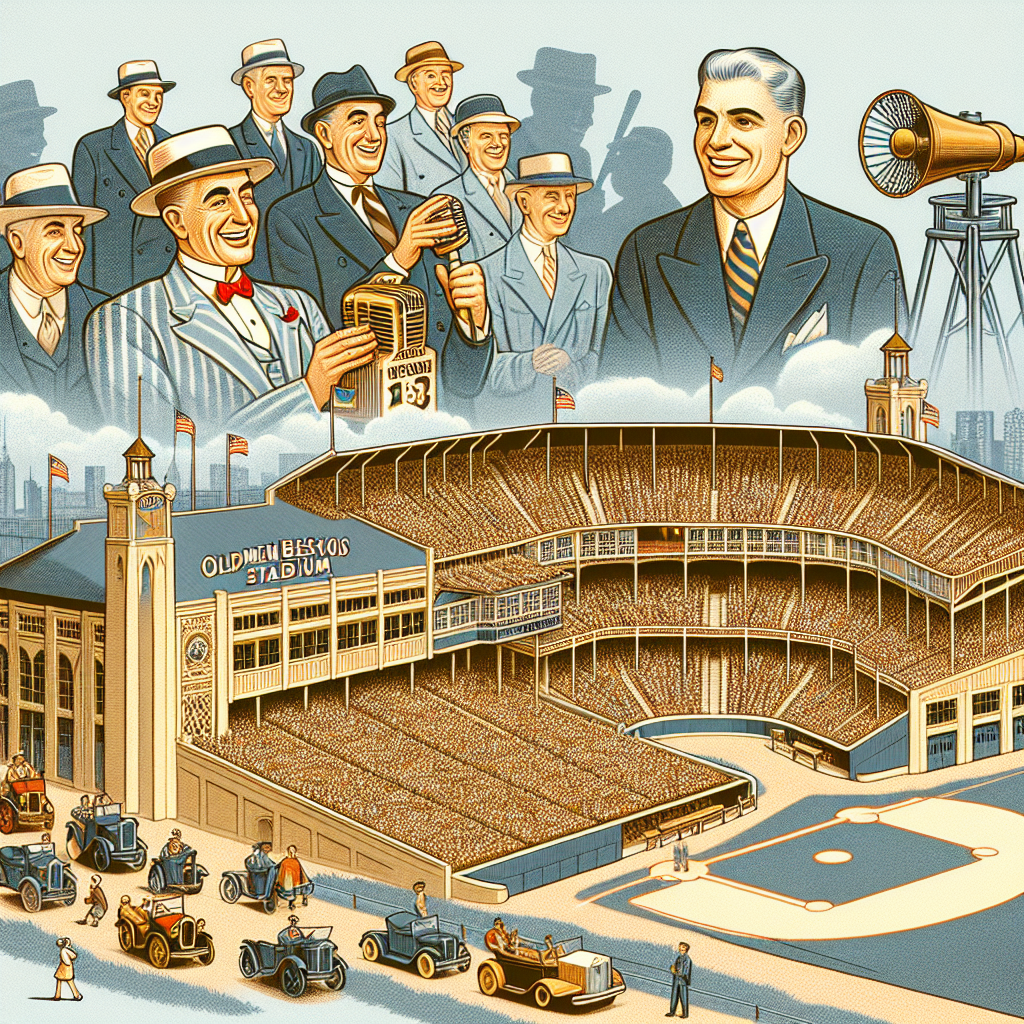
When considering the most iconic ballparks in history, Dodger Stadium promptly comes to mind. Situated in Los Angeles, California, this sports venue has been a witness to countless memorable games, legendary players, and the groundbreaking commentaries of Vin Scully. Constructed amidst a cloud of controversy and protest in the late 1950s, it has grown to become an integral part of American sports culture. In this detailed retrospective, we will walk through the evolution of Dodger Stadium from its nascent days to its present incarnation, capturing the essence of a venue that has held a steadfast place in America’s favorite pastime.
The Birth of a Landmark
Dodger Stadium opened its gates for the very first time on April 10, 1962. However, the journey to this grand opening was marred by controversy. The site chosen for the stadium was in the Chavez Ravine, a predominantly Mexican-American community. The residents were displaced, leading to widespread protests and a deep sense of injustice among the community members. Despite this turbulent beginning, the stadium, with its capacity of over 56,000 seats and stunning views of the Los Angeles skyline and the San Gabriel Mountains, soon enchanted baseball fans.
Designed by Emil Praeger, Dodger Stadium is the third oldest park in Major League Baseball and is famous for its contemporary style and geometric simplicity. It was created with the intent to provide an ultimate viewing experience, with seats that arc around the infield and uninterrupted sightlines. Unlike many other ballparks, Dodger Stadium has managed to retain its historic charm while undergoing various upgrades over the decades, always staying one step ahead in terms of fan convenience and comfort.
Vin Scully: The Voice of Dodger Stadium
Any discussion about Dodger Stadium’s history would be incomplete without mentioning its legendary commentator, Vin Scully. Scully’s tenure as the play-by-play announcer for the Dodgers lasted an astounding 67 years, making him one of the most recognizable voices in sports.
Scully was not just a commentator; he was a storyteller who had an innate ability to weave narratives that added an extra layer of magic to the games. His voice painted vivid pictures that captivated listeners, turning mundane moments into epic tales. For fans, his narrations became as much a part of the game-day experience as the stadium itself.
Scully retired in 2016, but his influence and legacy continue to resonate within Dodger Stadium. His iconic words, “It’s time for Dodger baseball!”, are still proudly displayed, and the press box has been named in his honor, forever linking his voice with the essence of the stadium.
Renovations and Upgrades: Keeping Up with the Times
Dodger Stadium has undergone numerous renovations to ensure it remains a top-tier sports venue. One major renovation project began in 2012, coinciding with the 50th anniversary of the stadium.
- 2012 Renovations: Focused on modernizing the stadium’s infrastructure without compromising its historic charm. Key improvements included updated restrooms, expanded concourses, and enhanced food and beverage offerings.
- 2013-2014 Upgrades: Continued with high-definition video screens, upgraded sound systems, and improved Wi-Fi connectivity, ensuring fans stayed connected and entertained.
- 2020 Enhancements: A significant transformation saw the addition of a new centerfield plaza, featuring interactive areas and upgraded dining options. Enhanced social spaces and shaded seating areas were also introduced to improve fan comfort.
Each round of renovations respected the stadium’s classic aesthetics while integrating modern amenities, ensuring Dodger Stadium remained on par with newer ballparks.

Memorable Moments and Milestones
Over the years, Dodger Stadium has been the backdrop to numerous historic moments and milestones in baseball. One of the most unforgettable moments was when Sandy Koufax pitched a perfect game on September 9, 1965. This game is still remembered as one of the greatest pitching performances in the history of Major League Baseball.
Another historic event was Kirk Gibson’s incredible walk-off home run in Game 1 of the 1988 World Series. With injuries hobbling him, Gibson’s dramatic home run became a legendary moment not only for Dodger Stadium but for baseball as a whole.
The stadium also played host to nine World Series, with the Dodgers claiming six championships within its walls. Beyond the triumphs on the diamond, Dodger Stadium has welcomed millions of fans, fostering a sense of community and shared history.
The Fans: The Heart and Soul of Dodger Stadium
Fans have been the beating heart of Dodger Stadium, turning it into a throbbing epicenter of excitement, particularly during home games. The “Dodger Blue” faithful have supported their team through thick and thin, creating a lively and vibrant atmosphere that is unmatched.
One of the most beloved fan traditions is the playing of “Take Me Out to the Ball Game” during the seventh-inning stretch. Whether it’s the jubilant waves of the “kiss cam,” the energy of the “ice cream helmet” vendors, or the simple pleasure of enjoying a Dodger Dog, the fan experience at Dodger Stadium transcends the game of baseball itself, becoming a cherished part of Los Angeles community life.
Moreover, the stadium’s location in the heart of Los Angeles means it attracts a diverse crowd, embodying the culture and spirit of the city. The fans, with their unwavering enthusiasm, ensure that every game at Dodger Stadium is an electrifying experience.
Modern Day Innovations and Sustainability Efforts
In recent times, Dodger Stadium has placed a strong emphasis on sustainability, becoming more eco-friendly. A notable initiative is the installation of LED lights, reducing energy consumption by 60%. The stadium has also implemented recycling programs and eco-friendly transportation options, including bike racks and electric vehicle charging stations.
Moreover, innovating for fan convenience has been a constant drive. The introduction of mobile ticketing, cashless payments, and app-based food and beverage orders has streamlined the fan experience, reducing wait times and enhancing safety, especially in the current post-pandemic era.
The stadium’s modern upgrades and sustainability initiatives ensure it not only remains a premier sports venue but also sets an example for other stadiums to follow, merging tradition with innovation seamlessly.
Conclusion: The Enduring Legacy of Dodger Stadium
Dodger Stadium is far more than just a ballpark; it is a monument to the timeless allure of baseball. Through its storied past, vibrant present, and promising future, it continues to captivate fans and athletes alike. The echoes of Vin Scully’s narrations, the roars of ecstatic fans, and the immortal moments of sporting prowess weave together, creating an enduring tableau of American sports heritage. Dodger Stadium stands not only as an architectural marvel but also as a testament to the passion, history, and community that baseball brings to life. Whether you’re catching a game on a warm Los Angeles evening or reminiscing about historical milestones from its past, Dodger Stadium remains a timeless icon of the sport – an enduring beacon of baseball’s rich and dynamic history.