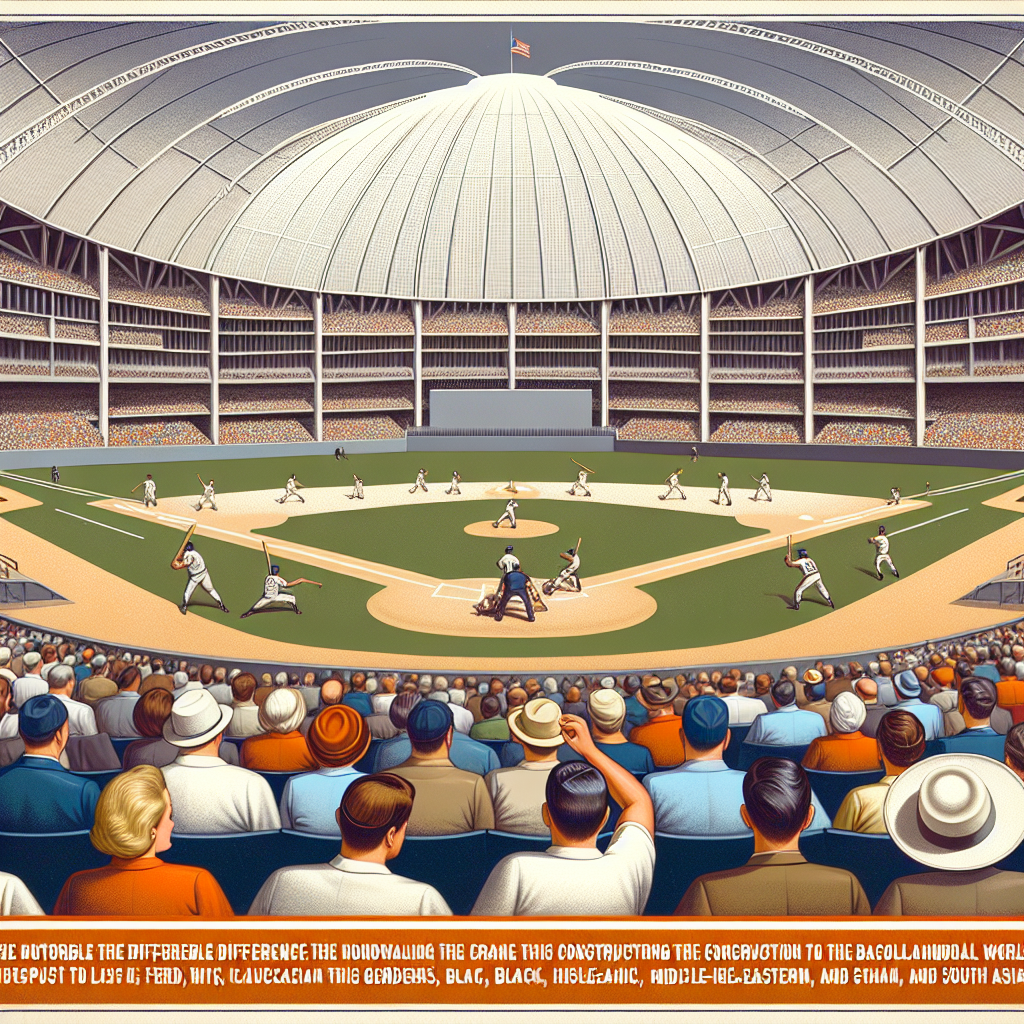
The history of baseball is one that intertwines with the American spirit, reflecting the cultural shifts and technological advancements of the times. Among the many iconic ballparks that have graced the sport is the Houston Astrodome, a revolutionary structure that redefined how we think about sports venues. Often called the “Eighth Wonder of the World,” the Astrodome was not just a baseball field; it was an architectural marvel that brought innovation in design and technology to the forefront of sports entertainment.
The Astrodome was unveiled to the public on April 9, 1965, and quickly became a symbol of modernity and progress. It was the world’s first multi-purpose, domed stadium, featuring a roof that was an engineering spectacle. This roof protected players and fans from the whims of weather, a significant departure from traditional open-air ballparks. Equipped with artificial turf known as “AstroTurf,” the stadium also introduced a new playing surface that would influence the sport for decades.
This article delves into the groundbreaking design of the Houston Astrodome, examining its structural innovations, its impact on the game of baseball, and its cultural significance. Through technological advancements and architectural brilliance, the Astrodome didn’t just set the stage for future stadiums—it created an entirely new paradigm. Whether you’re a baseball aficionado or someone fascinated by architectural innovation, the story of the Astrodome offers a compelling glimpse into an era of transformation.
Structural Innovations
The architectural ingenuity of the Astrodome began with its massive domed roof, a structure unlike any other at the time of its construction. Designed by architects Hermon Lloyd & W.B. Morgan and developed by Houston’s Harris County Domed Stadium Corporation, the dome stretched an impressive 642 feet in diameter and 208 feet high. The design utilized over 4,500 tons of steel, creating a seamless structure that would endure for decades.
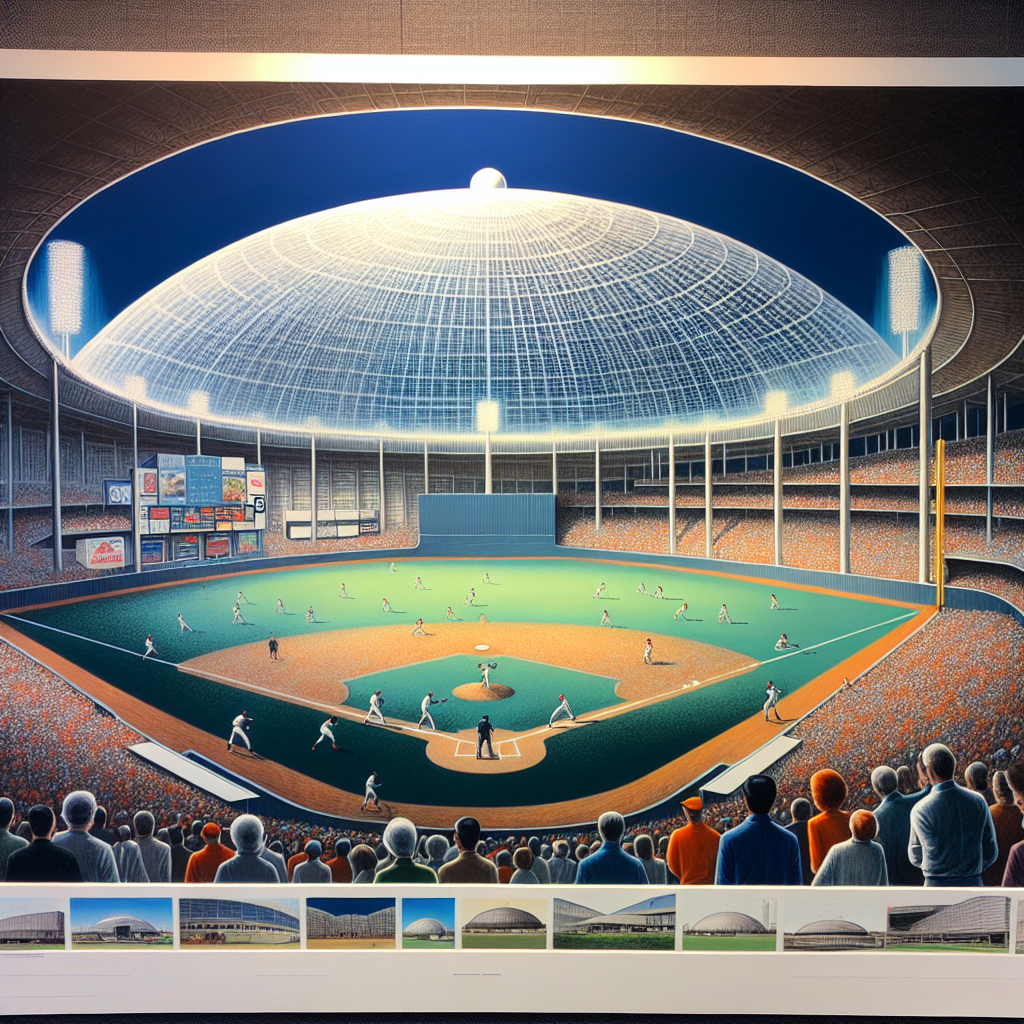
One of the most significant innovations was the use of laminated glass panels in the roof, designed to admit natural light while still keeping out the elements. However, these panels initially posed a challenge: they created blinding glare zones that made it nearly impossible for players to catch fly balls during daytime games. This issue was eventually mitigated when the panels were painted over, leaving a translucent surface that balanced light while eliminating the glare.
Below the iconic dome, the stadium boasted an advanced climate control system that allowed for the maintenance of a comfortable indoor environment regardless of the searing Texas heat. This was an essential feature that promised fans an enjoyable experience in a climate-controlled setting, free from the interruptions of rainouts and excessive heat.
Another notable aspect of the Astrodome’s design was its circular seating arrangement, which maximized visibility for fans. Unlike traditional baseball stadium designs, where some seats could have obstructed views, the circular format offered a consistently good line of sight from nearly every seat in the house. This innovative design element is now a common feature in modern stadiums, further cementing the Astrodome’s status as a trailblazer in stadium architecture.
AstroTurf and Its Influence
The introduction of AstroTurf at the Astrodome represented one of the most revolutionary advancements in sports surface technology. Real grass was initially installed for the stadium’s opening, but it quickly became apparent that natural grass could not survive under the dome due to insufficient sunlight. After struggling with growth issues and maintenance costs, the decision was made to install artificial turf created by Monsanto, which was later coined “AstroTurf.”
AstroTurf was made from synthetic fibers that provided a durable and consistent playing surface. It had a significant impact on the game, not only in Houston but also across the sports world. Baseball players had to adapt to quicker ball speeds and higher bounces, which fundamentally changed the dynamics of infield play. In addition, the hard surface impacted player safety, as the lack of natural cushion led to more injuries, prompting further innovations in artificial turf technology.
The success and practicality of AstroTurf led to its widespread adoption in both baseball and other sports. Multi-purpose stadiums across the country began installing similar surfaces, recognizing the cost savings and maintenance benefits that came with artificial turf. Thus, the influence of the Astrodome’s innovation extended far beyond its walls, shaping the future of sports surface technology for generations.
Cultural Impact
Beyond its architectural and technological advancements, the Astrodome had a profound cultural impact. It symbolized the burgeoning space age and the optimism of a generation that believed in limitless possibilities. Often referred to as the “Eighth Wonder of the World,” the Astrodome embodied American ingenuity and the spirit of innovation that characterized the 1960s.
The Astrodome wasn’t just a venue for baseball. It hosted an array of events that showcased its versatility and grandeur. From concerts featuring musical legends like Elvis Presley and The Rolling Stones, to historic sporting events like Muhammad Ali fights, the Astrodome was a cultural hub. It hosted groundbreaking political events, including the 1976 Republican National Convention, solidifying its place in both sporting and cultural history.
The stadium also played a significant role in community and civic life in Houston. It was emblematic of the city’s growth and ambitions, serving as a source of pride for its residents. The Astrodome’s design and functionality became a model for future stadiums, not just in terms of structure, but also as community landmarks that could bring people together.
Legacy and Preservation Efforts
Despite its groundbreaking design and cultural significance, the Astrodome has faced numerous challenges in recent years. The advent of newer, more advanced stadiums and facilities has cast a shadow over this once-revolutionary structure. As the years passed, debates about the Astrodome’s future began to emerge. Should it be preserved as a historic landmark or repurposed for modern uses?
Efforts to preserve the Astrodome have been ongoing. In 2014, it was added to the National Register of Historic Places, a designation that recognized its cultural and historical importance. Various proposals for repurposing the building have been put forward, ranging from transforming it into an indoor park to making it a multi-use space for community events.
These preservation efforts highlight the significance of the Astrodome, not just for Houston but as a part of American history. It stands as a testament to a time of bold architectural and technological experimentation. While its future may still be uncertain, the Astrodome’s legacy is well-cemented, and its story continues to inspire those passionate about sports, architecture, and community.
Comparison to Modern Ballparks
When comparing the Astrodome to modern ballparks, it’s crucial to recognize that many of the features we take for granted today originated with this iconic structure. Climate control, artificial turf, and versatile design elements have all become standard in contemporary stadiums, thanks to the pioneering steps taken by the Astrodome.
Modern ballparks often strive for a balance between technological sophistication and nostalgic charm. Many feature retractable roofs, allowing for both open-air experiences and weather-protected environments. These advances can trace their roots back to the Astrodome’s innovative design. Today’s stadiums also integrate state-of-the-art amenities, digital technologies, and sustainable practices, further expanding upon the groundwork laid by the Astrodome.
In terms of fan experience, modern ballparks have expanded upon the Astrodome’s vision by incorporating interactive elements, high-definition scoreboards, and diverse entertainment options. These features ensure that fans have an immersive experience from the moment they step into the venue. While the Astrodome was revolutionary in its time, today’s ballparks build on its legacy with even more advanced and fan-oriented innovations.
Ultimately, the Astrodome set a new standard for what a sports venue could be. Its influence persists in every modern stadium, reminding us that the boundary-pushing spirit it embodied is still very much alive in contemporary sports architecture. The Astrodome continues to be a beacon of innovation, inspiring new generations of designers and architects.
Conclusion
The Houston Astrodome remains a landmark in the history of baseball and stadium design. Its groundbreaking architectural features and technological advancements have left an indelible mark on the sport and culture. More than just a ballpark, the Astrodome represented an era of innovation and ambition, capturing the spirit of a generation that dared to dream big.
Today, as we look to the future of baseball and stadium design, the Astrodome offers a compelling lesson in the power of innovation. It reminds us that the intersection of technology, architecture, and culture can create something truly extraordinary. From its pioneering use of AstroTurf to its climate-controlled environment, the Astrodome’s legacy is one of pushing boundaries and redefining possibilities.
Efforts to preserve and repurpose the Astrodome highlight its ongoing significance. Whether it becomes an indoor park, a multi-purpose event space, or remains a historic landmark, the Astrodome’s story continues to inspire. It stands as a monument to human ingenuity, a testament to what can be achieved when we dare to think differently.
As we celebrate the history and future of baseball, the Astrodome will always hold a special place. It is a symbol of how far we have come and a reminder of the endless possibilities that lie ahead. The Houston Astrodome’s legacy is a beacon for all who believe in the power of innovation, community, and the enduring spirit of the great American pastime.