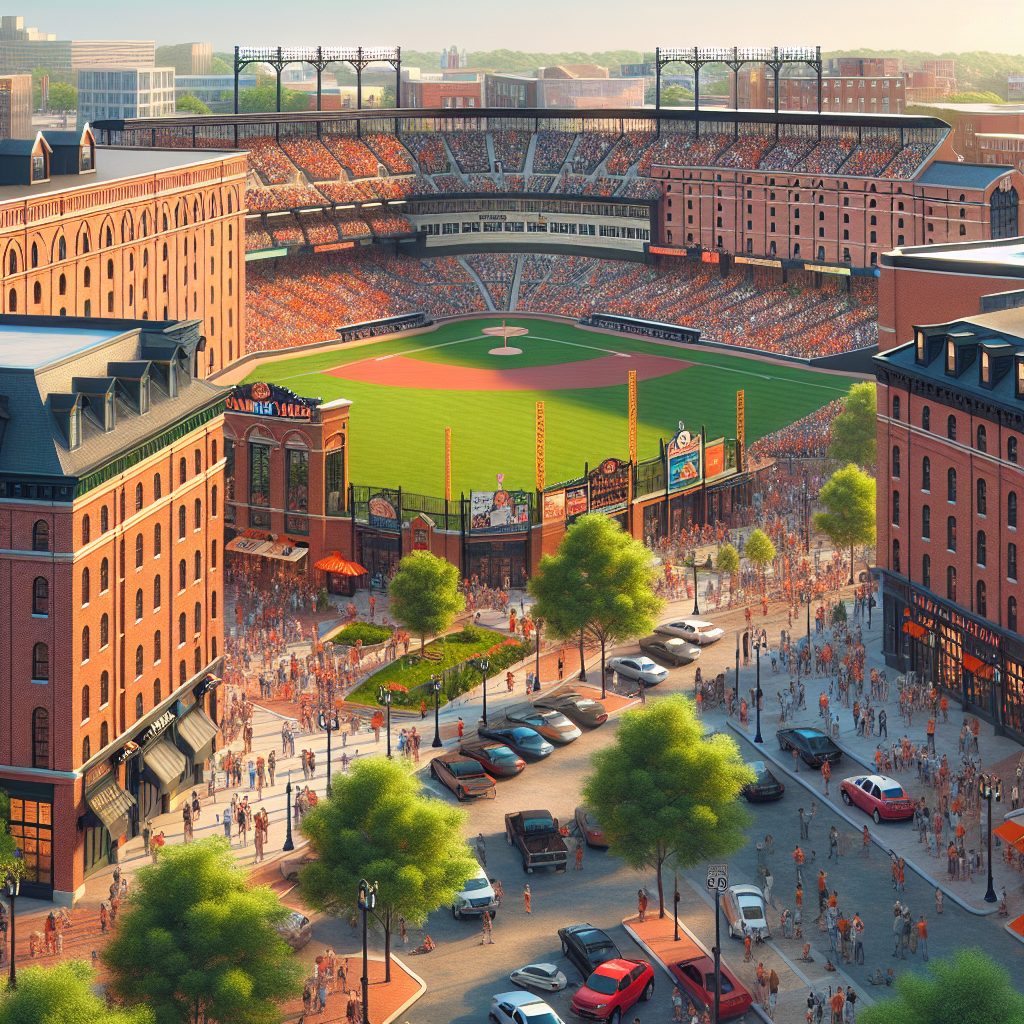
When Oriole Park at Camden Yards opened its gates for the first time on April 6, 1992, it was more than just another ballpark. It was a revolutionary shift in the design and experience of Major League Baseball (MLB) stadiums. Located in the heart of downtown Baltimore, this unique ballpark symbolized the blending of modern amenities with historic charm, creating an inviting atmosphere that drew fans from across the country. Camden Yards not only catalyzed a resurgence in the city’s downtown area but also set a new benchmark for future ballpark designs. This monumental stadium has a compelling story worth exploring, from its inception and architectural brilliance to its lasting impact on Baltimore.
The visionaries behind Camden Yards sought to replace the multi-purpose Memorial Stadium with a venue that would capture the nostalgic essence of baseball’s early days while also incorporating modern comforts for fans. The result was a meticulously crafted ballpark that exuded character and authenticity. The architects, HOK Sport (now Populous), took inspiration from classic parks like Fenway and Wrigley, blending vintage aesthetics with state-of-the-art facilities. The decision to integrate the existing B&O Warehouse into the design was particularly ingenious, adding a unique historical element that complemented the ballpark’s retro look.
The Architecture of Camden Yards
Camden Yards stands as a quintessential example of the retro-classic stadium design that has become popular since its inception. Unlike the cookie-cutter stadiums of the 1970s and 1980s, Camden Yards was purpose-built for baseball, with a focus on providing spectators with an intimate experience. The 45,971-seat stadium features asymmetrical playing dimensions, natural grass, and an open concourse that connects fans to the action on the field. Moreover, the designers left no stone unturned in paying homage to baseball’s golden age through the use of exposed steel trusses, brick facades, and distinctive Ebbets Field-style advertising signage.
One of the standout features of Camden Yards is the incorporation of the adjacent B&O Warehouse into the ballpark’s design. This seven-story structure, built-in 1905, runs parallel to the right-field wall and stretches an impressive 1,116 feet, making it the longest building on the East Coast at the time. Rather than demolishing it, the architects integrated the warehouse as a functional space, housing offices for the Baltimore Orioles, a restaurant, and banquet facilities, among other amenities. Its presence adds a unique charm to the ballpark, with its rough, industrial aesthetics juxtaposed against the lush green field, enhancing the nostalgic atmosphere.
Impact on Downtown Baltimore
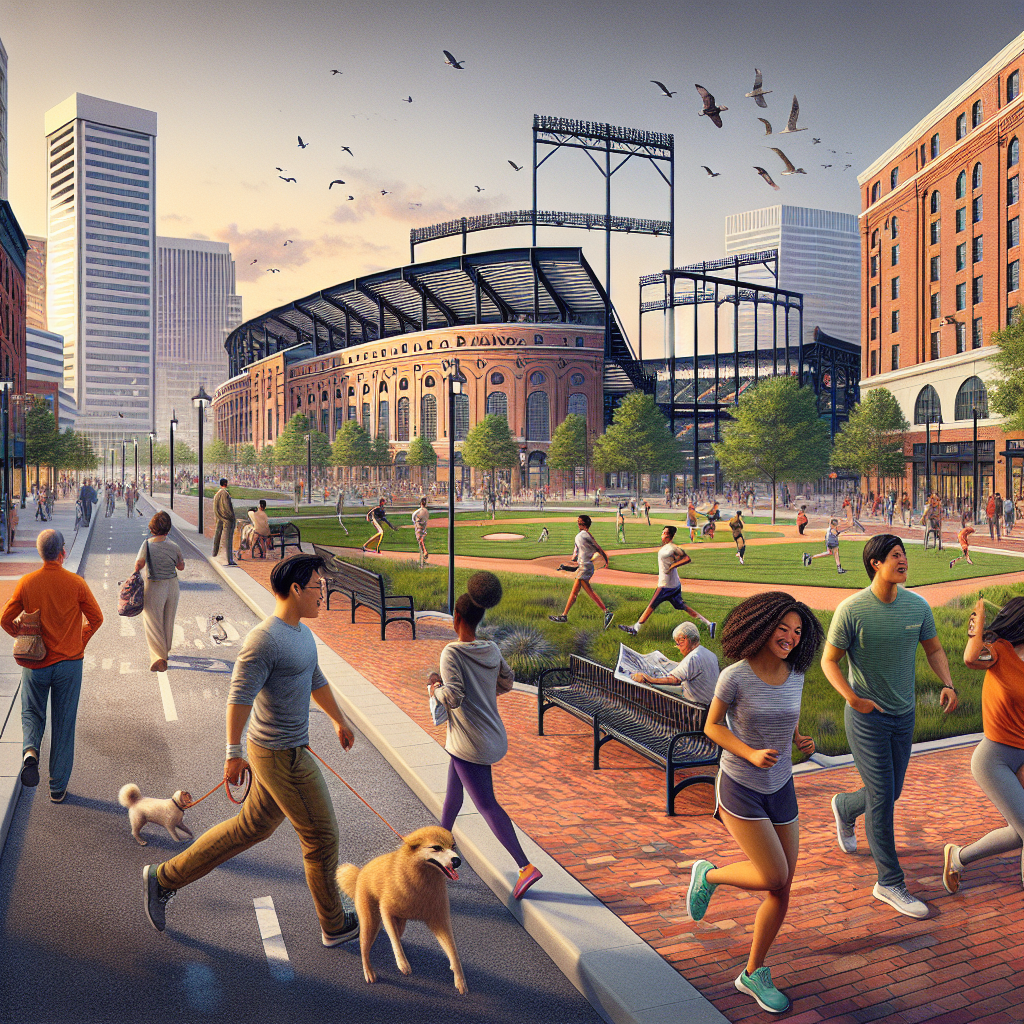
Camden Yards has had a profoundly positive impact on downtown Baltimore since its opening. Before its construction, the area where the ballpark now stands was a neglected industrial zone, characterized by dilapidated warehouses and urban decay. The opening of Camden Yards acted as a catalyst for urban renewal, transforming the surrounding area into a vibrant hub of activity. Visitors to the ballpark can now enjoy a wide array of dining, shopping, and entertainment options in the nearby neighborhoods of Federal Hill, Harbor East, and the Inner Harbor.
The economic impact of Camden Yards on Baltimore is undeniable. It has generated a steady influx of revenue from ticket sales, concessions, and related tourism activities. The stadium also serves as a venue for concerts and other events, drawing even more visitors to the city. Additionally, the ballpark has created numerous jobs, from seasonal positions during baseball season to permanent roles in hospitality and service industries. Camden Yards exemplifies how sports infrastructure can contribute to urban renewal and economic revitalization, providing a blueprint for other cities looking to rejuvenate their downtown areas.
The Fan Experience
One of the reasons Camden Yards has remained a beloved ballpark is its exceptional fan experience. From the moment visitors step through the gates, they are treated to an immersive baseball environment. The ballpark offers a variety of seating options, from cozy bleachers to luxury suites, ensuring that every fan can find their ideal vantage point to watch the game. The open concourse design allows spectators to keep an eye on the action while exploring the stadium’s amenities, reducing the sense of disconnect that can occur in other venues.
Food and beverages are an integral part of the Camden Yards experience. The ballpark boasts a diverse range of culinary offerings, from traditional ballpark fare like hotdogs and peanuts to more sophisticated options like crab cakes and gourmet pizzas. Local vendors are given prominence, with iconic Baltimore flavors available at concession stands throughout the stadium. Additionally, fans can enjoy a variety of local craft beers, enhancing the regional flavor of their ballpark visit.
Memorable Moments at Camden Yards
Camden Yards has been the backdrop for numerous memorable moments in baseball history. It was here that Cal Ripken Jr. broke Lou Gehrig’s consecutive games played record on September 6, 1995, an achievement celebrated by baseball fans worldwide. The ballpark also hosted the first two games of the 1997 American League Championship Series, where the Orioles battled the Cleveland Indians. Camden Yards has seen countless thrilling performances, walk-off homers, and spectacular catches, cementing its reputation as a premier venue for America’s pastime.
The ballpark is also notable for its fan-friendly events and promotions, such as bobblehead giveaways, fireworks nights, and themed game days. These events foster a strong sense of community and engagement, making every visit to Camden Yards a memorable experience. Even for non-baseball fans, the stadium offers a captivating atmosphere, with its blend of historical charm and modern amenities creating a welcoming environment for all visitors.
Camden Yards’ Influence on Ballpark Design
The success of Camden Yards has had a far-reaching influence on the design of ballparks across the MLB. Its retro-classic architecture and fan-centric amenities set a new standard, prompting other teams to re-evaluate their stadium designs. Ballparks like Coors Field in Denver, AT&T Park in San Francisco, and T-Mobile Park in Seattle have drawn inspiration from Camden Yards, embracing its aesthetic while incorporating elements unique to their respective cities.
Camden Yards demonstrated that fans prefer ballparks that celebrate the rich history of baseball while offering modern comforts and conveniences. The shift away from generic, multi-purpose stadiums to baseball-specific venues has enhanced the overall fan experience and contributed to the resurgence of the sport’s popularity. Camden Yards’ influence extends beyond baseball, serving as a model for sports infrastructure projects in other leagues, including football and soccer.
Conclusion
Camden Yards remains a testament to the transformative power of well-conceived sports infrastructure. Its groundbreaking design, historical elements, and positive impact on downtown Baltimore have made it a beloved landmark in the city and a revered venue in the world of baseball. For over three decades, Camden Yards has captivated fans with its charm and authenticity, providing an unforgettable experience that celebrates the timeless appeal of America’s pastime.
As MLB teams continue to build and renovate their ballparks, the lessons learned from Camden Yards’ success will undoubtedly guide their efforts. The ballpark’s lasting legacy is not just in its architecture but in its ability to foster a sense of community, drive economic revitalization, and preserve the history of the sport. Camden Yards proves that a ballpark is more than just a place to watch a game; it is a cultural touchstone that can enrich its city and leave a lasting impact on all who visit. In the years to come, Camden Yards will continue to stand as a symbol of innovation and excellence, a beacon of what is possible when vision meets determination.