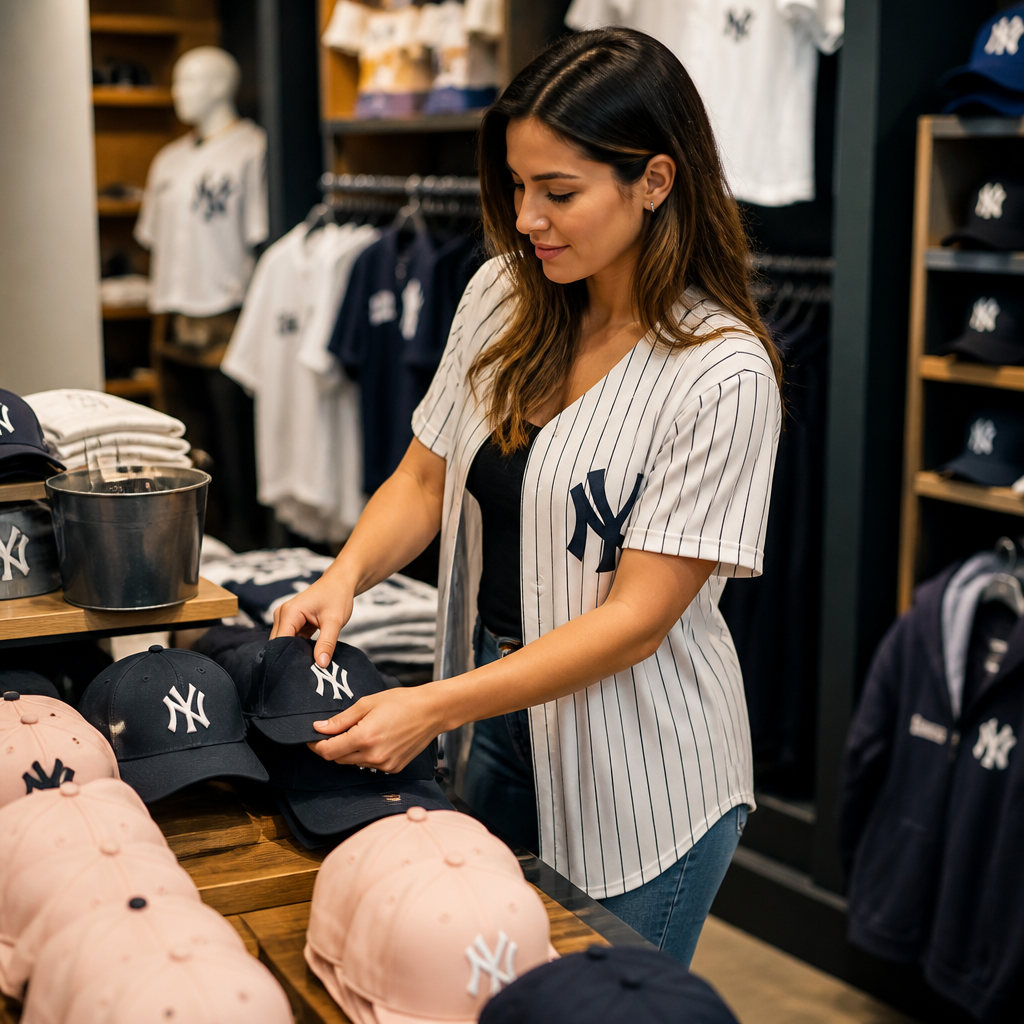
Baseball merchandising has never been just about caps, jerseys, and souvenirs; it is a mirror of who the sport believes its fans are. The influence of women in baseball merchandising is therefore more than a retail story. It is a business case, a branding shift, and a cultural correction that has changed how teams design products, market loyalty, and define the modern baseball audience. As someone who has worked around sports content, licensing campaigns, and fan-product strategy, I have seen one pattern repeat: when organizations finally treat women as core baseball consumers rather than afterthought buyers, merchandise lines become more relevant, sales messaging becomes sharper, and fan engagement broadens across generations.
In this context, baseball merchandising refers to the licensed products connected to the game, including apparel, collectibles, accessories, stadium exclusives, digital goods, and collaborative fashion releases. Women’s influence includes women as buyers, designers, licensors, executives, athletes, creators, and community leaders who shape what gets made and why it resonates. That distinction matters. For years, the industry treated “women’s merchandise” as a narrow pink-and-shrink category, meaning standard products recolored in pastel tones and resized without regard for fit, taste, or identity. The market has moved beyond that outdated formula because women fans repeatedly proved they wanted authentic design, quality construction, broader sizing, and merchandise that reflected baseball culture without reducing their fandom to stereotypes.
This topic matters because merchandise is one of the clearest commercial signals in sports. Ticket scans show attendance. Broadcast ratings show viewership. Merchandise shows emotional investment. When women influence merchandising, they influence revenue forecasting, inventory planning, brand collaborations, e-commerce strategy, and in-stadium retail. Their impact also reaches youth participation and family fandom. A daughter who sees apparel designed with intention is more likely to feel that baseball includes her. A mother buying team gear for a household often determines which logos, players, and traditions become part of family identity. In that way, women’s influence in baseball merchandising shapes not only what is sold, but how baseball fandom is inherited.
Historically, women have always been present in baseball commerce, even when they were rarely centered in official narratives. Women operated concessions, managed local promotions, organized community events, sewed garments, collected autographs, and purchased memorabilia long before brands acknowledged them as a strategic consumer segment. Over the last two decades, the rise of direct-to-consumer retail, social media, better customer data, and lifestyle collaborations has made their influence far more visible. Teams and league partners can now track who buys, what styles convert, and which campaigns inspire repeat purchasing. The result is a more precise understanding of women not as a niche market, but as a driving force within baseball merchandising.
Women as a Core Consumer Market in Baseball Merchandise
The first and most measurable influence women have on baseball merchandising is economic. Women are major sports consumers overall, and baseball is no exception. Industry reporting across sports has consistently shown that women drive a substantial share of licensed merchandise purchases, especially in family households, gift cycles, and lifestyle apparel. In baseball retail operations, that translates into strong demand across fitted apparel, outerwear, everyday basics, fashion caps, jewelry, bags, and player-specific products. The shift is important because it changes planning assumptions. Instead of treating women’s products as seasonal add-ons around Mother’s Day or postseason campaigns, stronger organizations build year-round assortments tied to Opening Day, rivalry series, city connect launches, heritage nights, and holiday retail calendars.
In practice, this means teams that once stocked a small corner of women’s items now devote meaningful floor space and homepage real estate to female-focused product discovery. The best operators segment by use case rather than stereotype: game-day wear, work-friendly apparel, premium lifestyle pieces, youth-and-mom matching sets, cold-weather products, and collectibles. This mirrors what sophisticated retailers outside sports already know: consumers do not buy categories, they buy for contexts. A fan may want a replica jersey for the ballpark, a minimalist crewneck for everyday wear, and a vintage logo jacket for style. Women have pushed baseball merchandisers to recognize those distinctions and to stop assuming one product type can satisfy every expression of fandom.
How Product Design Evolved Beyond the “Pink It and Shrink It” Era
One of the clearest signs of women’s influence is the improvement in product design standards. For years, women’s baseball merchandise often meant low-quality fabrics, awkward cuts, glitter graphics, or forced color palettes unrelated to team identity. That model underperformed because it misunderstood the customer. Women wanted authenticity first. They wanted the same logos, traditions, and player connections available in men’s lines, but translated through better fit architecture, fabric choice, and styling options. Once brands listened, the category improved quickly.
Today, leading baseball merchandise programs offer cropped silhouettes, relaxed fits, premium fleece, boxy tees, varsity jackets, and elevated embroidery without compromising team marks. This evolution reflects broader apparel trends and stronger retail discipline. Fit blocks are more intentional. Size ranges are more inclusive. Fabric hand feel matters. So does versatility. A well-designed women’s Dodgers quarter-zip or Yankees vintage tee succeeds because it works beyond the stadium and because it respects the consumer’s taste. In meetings around licensed product assortments, I have repeatedly seen women decision-makers and focus groups reject token designs in favor of items that looked like real fashion products first and fan products second. That insistence changed buying strategies across clubs and retail partners.
The same pattern appears in headwear. Historically, many women adapted men’s caps because women’s options were limited or overly stylized. As demand became obvious, suppliers expanded offerings in adjustable fits, lower-profile crowns, cleaner neutrals, corduroy, washed cotton, and seasonal materials. The result was not a “women’s novelty” section but a more diverse cap business overall. Women’s preferences often improved the assortment for everyone.
The Role of Women in Licensing, Retail, and Brand Strategy
Women influence baseball merchandising not only from the checkout side but also from inside the industry. Female executives, buyers, designers, marketers, licensors, and e-commerce managers shape assortment planning, campaign language, vendor selection, and brand partnerships. In practical terms, they are often the people asking the questions that prevent weak product decisions: Does this fit multiple body types? Is this colorway true to the brand? Would a fan wear this outside a game? Is this collection inclusive, or is it simply performative?
Licensing is especially important. Baseball merchandising operates through a network of rights holders, manufacturers, retailers, and approval processes. Women working in those systems influence what concepts are pitched, which products survive review, and how team marks are protected while still allowing fresh design. They also tend to see merchandising as part of a broader fan journey rather than a siloed transaction. That perspective matters in omnichannel retail, where the fan may discover an item on Instagram, research it on a mobile site, buy it through a team shop, and pick it up at the ballpark. Merchandise strategy now depends on understanding not only product economics but also customer experience, and women have been central to that operational shift.
| Area of influence | How women changed baseball merchandising | Practical example |
|---|---|---|
| Product design | Demanded authentic team aesthetics with better fit and quality | Premium fleece and vintage logo apparel replacing novelty pink tees |
| Retail planning | Expanded women’s assortments from side category to year-round business | Dedicated homepage navigation and in-store floor space for women’s collections |
| Brand partnerships | Pushed fashion-forward collaborations that reach new audiences | Capsule launches with lifestyle labels and female-led designers |
| Family purchasing | Influenced household buying decisions and multi-item orders | Matching parent-child gear and gift-driven holiday bundles |
| Community marketing | Connected products to events, causes, and identity-based fandom | Theme-night merchandise tied to local women’s baseball initiatives |
Collaborations, Fashion Culture, and the Expansion of Baseball Style
Another major development is the rise of fashion collaborations that treat baseball marks as lifestyle assets. Women helped drive this expansion because many female fans were already integrating team identity into streetwear, casualwear, and seasonal fashion long before official channels caught up. Brands such as ’47, New Era, Nike, and Fanatics recognized that baseball logos carry everyday style value, especially when paired with trend-aware silhouettes and limited-edition drops. Teams that once relied mostly on performance apparel now release collections designed for brunch, travel, work-from-home wear, and social occasions.
This matters because it increases both reach and margin. Lifestyle pieces often command stronger average order values than basic souvenir products. They also create urgency through scarcity, color stories, and collaboration narratives. Female-led boutiques, local creators, and fashion influencers have amplified that effect by showing how baseball merchandise can be styled rather than merely worn. A satin bomber jacket with a retro team script or a monochrome cap can attract a buyer who may not purchase a standard replica jersey. That broadens the customer base without weakening team identity.
Collaborations also help clubs tell more nuanced stories. A women-designed capsule tied to Negro Leagues heritage, women’s history activations, or local community art can turn merchandise into storytelling instead of simple logo placement. When done well, these collections honor baseball history and invite deeper participation. When done poorly, they look opportunistic. Women inside merchandising teams often spot that difference quickly, which is one reason their leadership improves campaign credibility.
Digital Commerce, Social Media, and Creator-Led Discovery
The digital marketplace has made women’s influence easier to measure and harder to ignore. E-commerce platforms show conversion rates by category, device, campaign, and audience segment. Social media comments reveal when fans feel unseen by a product line. Creator content shows which items generate save-worthy styling ideas rather than passive impressions. In baseball merchandising, women have been especially important in this creator-driven discovery layer because they often translate fandom into practical recommendations: how a jacket fits, whether a jersey runs large, what to wear to a night game, or which accessories make a team look feel polished rather than costume-like.
That kind of content directly affects sales. A polished product page matters, but user-trusted demonstration often matters more. I have seen merchandise campaigns perform better once teams included women creators who understood both baseball culture and apparel language. Instead of generic promotional shots, fans got real guidance and believable context. That reduces return risk and increases confidence, especially for first-time buyers.
Digital retail also gives women stronger feedback power. Reviews, wish lists, sell-through data, and social engagement create a constant stream of signals. Smart clubs and retailers study that information carefully. If women repeatedly buy neutral colorways, request extended sizing, or respond to heritage logos over flashy graphics, the assortment should change accordingly. Successful baseball merchandising today is not built on assumptions. It is built on observed behavior.
Community, Representation, and the Future of the Category
Women’s influence in baseball merchandising extends beyond transactions into representation. Merchandise tells fans whether they are visible to the sport. That is why the category now includes more products tied to girls’ baseball initiatives, women’s baseball organizations, community events, and historical recognition. These products may support participation programs, celebrate trailblazers, or connect major league brands to local development efforts. Their best function is not symbolic alone; it is relational. They give fans a way to wear support for a broader baseball ecosystem.
This hub topic also belongs within a larger conversation about women in baseball because merchandising intersects with media, fandom, youth development, and leadership. A woman broadcaster with a distinctive style can move product demand. A female executive can reshape licensing priorities. A girls baseball tournament can create a new market for commemorative goods. Even clubhouse-adjacent roles influence aesthetics through player family culture, social storytelling, and community visibility. “Miscellaneous” in this subtopic is therefore not random. It is connective tissue linking many parts of the women in baseball landscape.
There are still limitations. Some clubs continue to underinvest in women’s assortment depth. Others launch special collections without maintaining core inventory quality. Sizing consistency remains uneven across vendors. International women fans are often underserved in shipping and localization. Yet the direction is clear. Baseball merchandising performs better when women are involved at every level: conception, design, promotion, purchase, and feedback. Their influence has already transformed the category from token inclusion to genuine market intelligence.
Why This Matters for Teams, Retailers, and Fans
For teams, the lesson is straightforward: women are not an auxiliary audience. They are essential to merchandise growth, brand resilience, and household fandom. For retailers, the opportunity lies in precise assortment building, better storytelling, and meaningful collaboration. For fans, the benefit is better product, wider representation, and more ways to express baseball identity authentically. The influence of women in baseball merchandising proves that inclusion is not separate from business performance. In this category, inclusion is business performance.
As this women in baseball hub expands, merchandising should be treated as a serious lens for understanding the sport’s evolution. It reveals who baseball values, how fandom is commercialized, and where future growth will come from. The smartest organizations already know the answer: listen to women, design for real life, and build products worthy of the passion fans bring to the game. Explore the related articles in this subtopic to see how that influence connects to every corner of baseball culture.
Frequently Asked Questions
Why is the influence of women in baseball merchandising such an important topic today?
The influence of women in baseball merchandising matters because it reveals how the sport has evolved in its understanding of who its fans really are. For decades, much of baseball retail was built around a narrow assumption: that the core buyer was male, and that women were a secondary audience purchasing gifts rather than products for themselves. That outdated view shaped everything from sizing and color palettes to in-stadium inventory and marketing language. As women became more visible not just as attendees, but as dedicated fans, collectors, season-ticket holders, content creators, and decision-makers within sports business, merchandising had to catch up.
Today, this topic sits at the intersection of revenue growth, brand identity, and fan inclusion. Teams and licensed brands have realized that women are not a niche segment. They are a major force in consumer behavior, and their preferences influence what sells, how products are designed, and how baseball presents itself culturally. When merchandising reflects women as authentic fans rather than afterthoughts, it strengthens emotional loyalty and broadens the sport’s commercial appeal. In other words, this is not simply about adding more apparel options. It is about recognizing women as central to the baseball economy and to the modern image of the game.
How have women changed the types of baseball merchandise teams and brands create?
Women have significantly changed both the product mix and the design standards of baseball merchandise. In the past, “women’s merchandise” was often limited to a small rack of altered team gear, usually with less attention to quality, fit, and authenticity. Many items were overly stylized, impractical, or disconnected from what serious fans actually wanted. As women’s buying power and visibility increased, teams and manufacturers began rethinking that approach. The result has been a broader and smarter merchandise strategy built around real demand rather than stereotypes.
That shift shows up in several ways. First, there is more emphasis on fit diversity, better materials, and true-to-team aesthetics rather than simply producing smaller versions of men’s apparel or heavily gendered alternatives. Second, product categories have expanded far beyond jerseys and T-shirts to include premium athleisure, fashion collaborations, outerwear, heritage pieces, accessories, and lifestyle collections that allow fans to express loyalty in more personal ways. Third, the design process itself has become more responsive to how women wear sports apparel in everyday life, not just on game day. This has raised the overall quality of baseball merchandising and pushed brands to think more creatively about fan identity, style, and function.
What business impact has women’s influence had on baseball merchandising?
The business impact has been substantial. Women’s influence has helped turn baseball merchandising into a more sophisticated and segmented retail operation, one that recognizes multiple customer journeys instead of relying on a one-size-fits-all strategy. When teams and retail partners invest in merchandise that women actually want, they open up new revenue streams, increase average order values, improve repeat purchase behavior, and create more opportunities for seasonal and lifestyle-based product launches. This is especially important in a sports economy where fan engagement is no longer measured only by ticket sales, but by year-round brand interaction.
There is also a strong retention and loyalty effect. Fans who feel seen by a team’s merchandise offerings are more likely to buy again, wear products publicly, and become organic brand advocates. That visibility matters because merchandise is also marketing. Every well-designed cap, jacket, tote, or jersey worn outside the ballpark extends the team’s reach into daily life. From a licensing perspective, women’s influence has encouraged brands to refine assortments, improve market research, and pursue collaborations that blend sports culture with fashion and mainstream retail trends. In practical business terms, women have helped baseball merchandise become more profitable, more relevant, and more resilient.
How has the marketing of baseball merchandise changed because of women’s influence?
Marketing has changed in both tone and strategy. Historically, baseball merchandise campaigns often treated women as peripheral shoppers, especially around holidays, framing them as gift buyers rather than devoted fans. As women’s role in the baseball audience became impossible to ignore, smarter teams and brands began changing the narrative. Marketing started to reflect women as passionate supporters with their own traditions, tastes, and long-term loyalty to clubs. That meant showing women in campaign imagery not just as companions to male fans, but as the primary voice and focal point of fandom.
This influence has also led to more nuanced storytelling. Instead of relying only on promotions tied to pink products or generic “ladies’ collections,” teams increasingly market merchandise through authenticity, versatility, and identity. Social media has accelerated this shift by allowing women fans to shape trends directly, review products publicly, and hold brands accountable when offerings feel lazy or performative. The most effective campaigns now understand that women respond to quality, credibility, and representation, not token gestures. As a result, baseball merchandising marketing has become more inclusive, more lifestyle-driven, and more aligned with how real fans discover and connect with products today.
What does the future of women’s influence in baseball merchandising look like?
The future points toward deeper integration rather than separate treatment. Women’s influence is likely to keep pushing baseball merchandising away from the old model of creating a basic men’s line and a secondary women’s line. Instead, the industry is moving toward a more audience-aware approach where product development begins with broader fan insights, better segmentation, and more flexible design thinking. That means more inclusive sizing, more fashion-forward but authentic team apparel, and more collections that acknowledge how varied baseball fandom looks across age, style, and lifestyle preferences.
Just as important, women’s influence will continue to shape who gets a voice behind the scenes. As more women contribute to sports licensing, retail strategy, branding, and creative direction, the merchandising conversation becomes more informed and less reactive. That can lead to better products, stronger campaigns, and a more accurate representation of the baseball fan base. In the long run, this is not a temporary trend. It is a structural change in how the sport understands its consumers. The teams and brands that embrace that reality will be better positioned to grow revenue, build stronger fan relationships, and present baseball as a more modern and welcoming cultural brand.