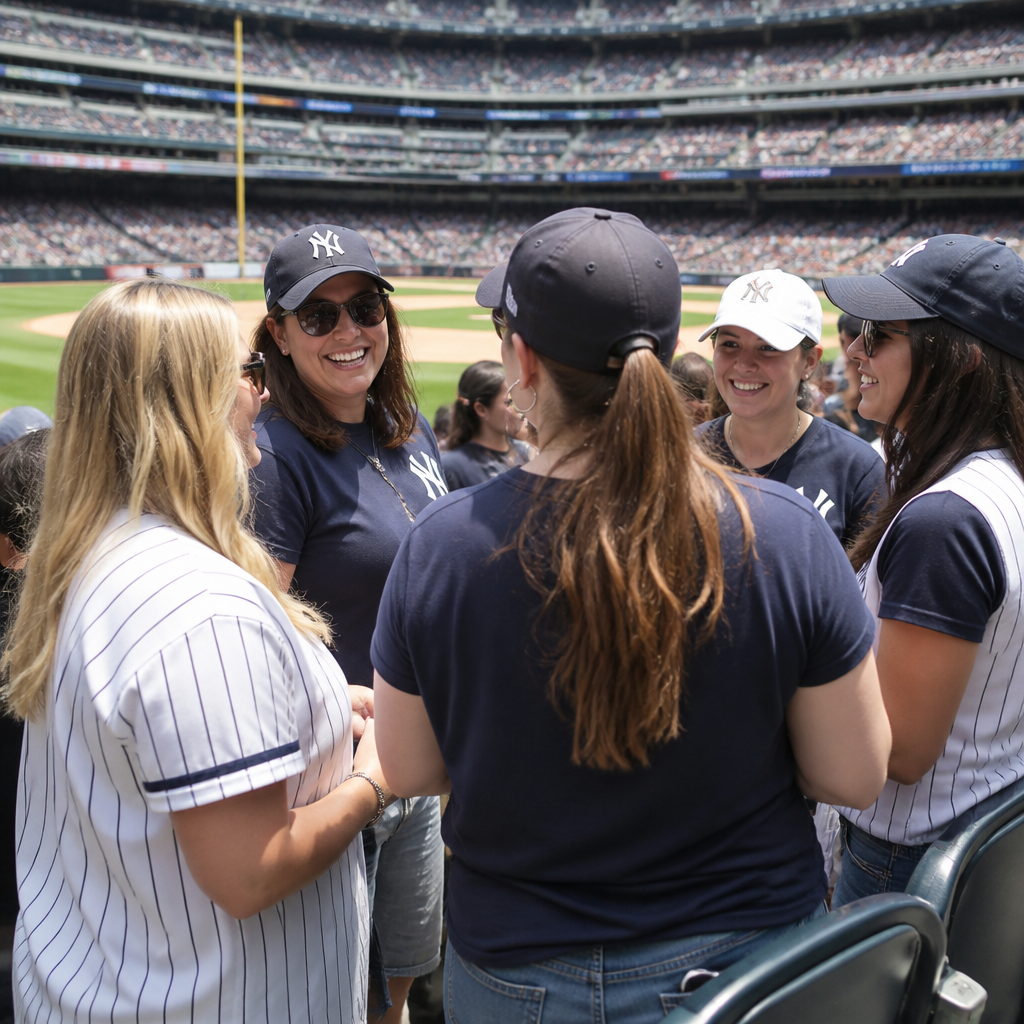
The growth of women-led baseball fan organizations reflects a major shift in how the sport is experienced, discussed, and sustained beyond the field. These groups are organized communities created and run by women who gather fans around teams, ballparks, history, advocacy, media, and social connection. In practical terms, they range from local meetup clubs and digital communities to nonprofit initiatives, travel groups, podcast networks, and game-day event organizers. I have worked with sports communities long enough to see a clear pattern: when women build fan spaces themselves, participation broadens, conversation deepens, and teams gain more resilient support systems. This matters because fandom is not a side story in baseball. Fan culture drives attendance, merchandise sales, local media attention, charitable giving, and the intergenerational traditions that keep baseball relevant in competitive entertainment markets.
Understanding women-led baseball fan organizations also requires separating old assumptions from current reality. Women have always been baseball fans, scorekeepers, season-ticket holders, and historians, but their organizing power was often overlooked or treated as informal. Today, that informal labor has become visible and structured. Social platforms, affordable event tools, and direct-to-fan communication have lowered the barrier to building membership communities. At the same time, broader conversations about representation in sports have made women more intentional about creating welcoming environments, setting standards for conduct, and documenting contributions that earlier eras ignored. For a hub article within women in baseball, this subject belongs in the miscellaneous category because it touches many adjacent topics at once: community building, fan identity, digital media, game-day experience, inclusion, baseball history, and the business value of engaged audiences.
Women-led fan organizations matter for another reason: they solve practical problems that traditional team outreach often misses. New fans want beginner-friendly explanations without condescension. Parents want safe, inclusive events. Traveling fans want curated group experiences. Longtime supporters want spaces where advanced baseball talk can coexist with friendship and civic engagement. In successful organizations, these needs are met through thoughtful programming rather than slogans. Some groups host pregame meetups and charity drives; others create educational threads explaining arbitration, park factors, or roster construction in plain language. The result is not a niche add-on to baseball culture. It is a durable layer of the sport’s ecosystem, and its growth says as much about baseball’s future as it does about women’s leadership.
What women-led baseball fan organizations are and how they evolved
A women-led baseball fan organization is any baseball-centered community where women direct strategy, programming, moderation, and member experience. That definition includes formal memberships with dues, volunteer-run social clubs, digital-first communities on Discord or Facebook, and content-led groups built around newsletters, podcasts, or local events. The common feature is leadership, not exclusivity. Most of the strongest groups are open to everyone while intentionally centering women’s perspectives and safety. That distinction matters. These organizations are not simply women’s sections of existing booster clubs; they are independent or semi-independent structures that shape culture from the top down.
Historically, women organized around baseball in ways that were rarely archived well. They coordinated travel, managed fan correspondence, ran civic fundraisers tied to teams, and preserved memorabilia in family and local collections. What changed in the last two decades was visibility and scale. The rise of blogs in the 2000s gave women baseball fans public bylines outside traditional media gatekeeping. Twitter, Instagram, TikTok, and podcast platforms later made community discovery easier. A woman in Chicago could launch a Cubs-focused meetup, collaborate with a Yankees history podcaster, and promote a charity auction with fans in Los Angeles, all without institutional backing. That network effect accelerated growth.
Another key shift was the normalization of women as public baseball experts. As women gained traction in sports journalism, analytics, broadcasting, and front-office roles, fan communities saw proof that serious baseball analysis and women’s leadership were fully compatible. Organizations benefited from this credibility. Members were more likely to expect quality programming, from scorekeeping workshops to discussions about labor negotiations under the collective bargaining agreement. In my experience, the most durable groups blend joy with substance: they celebrate walk-off wins, but they also know how to explain why a team option matters or how minor league development affects the major league roster.
Why these organizations are expanding now
The current expansion is driven by social, technological, and economic factors working together. First, digital infrastructure has made community management simple. Platforms such as Eventbrite, Meetup, Substack, Discord, and Canva allow small volunteer teams to launch polished organizations quickly. A founder can collect RSVPs, send newsletters, moderate discussion, sell branded merchandise, and coordinate group ticket purchases with tools that were either expensive or inaccessible fifteen years ago. That operational efficiency turns enthusiasm into repeatable programming.
Second, baseball itself has needed new pathways to audience growth. Major League Baseball has competed with the NFL, NBA, global soccer, gaming, and short-form entertainment for attention. Teams now understand that fan development cannot rely only on inherited loyalty. Women-led groups are effective because they create belonging, which is stronger than passive awareness. A person may discover a team through a social clip, but they become a repeat attendee when they have friends to text, a meetup to attend, and a community that remembers them. That is not abstract engagement; it translates into ticket sales and retention.
Third, women have responded to gaps in mainstream fan culture. Many traditional spaces tolerated dismissive behavior, gatekeeping trivia tests, or the assumption that women attended games as companions rather than primary fans. Women-led groups counter this by setting explicit norms. New members can ask basic questions without ridicule, and advanced fans can discuss spin rate, framing, or service-time manipulation without having to justify their legitimacy. That combination of access and depth is one reason growth has been steady rather than fleeting.
| Growth driver | How it helps organizations | Baseball example |
|---|---|---|
| Digital platforms | Lower startup cost and simplify events, newsletters, and moderation | A local fan club uses Eventbrite for watch parties and Substack for game recaps |
| Demand for inclusive spaces | Creates safer, more welcoming environments for new and longtime fans | A meetup group publishes conduct standards before Opening Day events |
| Women’s visibility in baseball media | Normalizes women as analysts, historians, and organizers | A fan organization invites a woman beat writer to discuss the trade deadline |
| Team interest in community partnerships | Improves access to group ticketing, ballpark events, and co-branded initiatives | A club partners with a women-led fan network for a heritage night |
Finally, the pandemic era changed how sports communities think about connection. Virtual watch parties, livestreamed Q and A sessions, and online scorekeeping tutorials became normal. Many women-led groups emerged or stabilized during that period because they offered continuity when in-person attendance was limited. Once ballparks fully reopened, those digital habits remained useful. The strongest organizations now operate in hybrid form, combining online discussion with real-world events. That model expands reach and keeps members engaged between homestands.
What successful women-led fan groups actually do
The best organizations are not built on identity alone; they are built on recurring value. In practice, that means programming with a clear purpose. Some groups focus on social connection through watch parties, road trips, and ballpark crawls. Others emphasize baseball education, offering beginner guides to scoring, explainers on waiver rules, or sessions on how to read Statcast data. History-centered communities might organize museum visits, archival projects, or discussions about the All-American Girls Professional Baseball League, the Negro Leagues, or women pioneers in scouting and broadcasting. Many combine all three approaches.
One model I have seen work especially well is the layered membership experience. Newcomers receive easy on-ramps, such as a welcome message, a glossary of common baseball terms, and a calendar of low-pressure events. Returning members get deeper engagement through volunteer roles, fantasy leagues, prospect discussions, or charity committees. Core supporters may help negotiate group seating, moderate online channels, or represent the organization at team-hosted meetings. This structure mirrors good association management: clear entry points, reasons to stay, and pathways to leadership.
Content is another major function. Women-led fan organizations increasingly act like small media brands. They publish newsletters, record podcasts, post game threads, interview authors, and create ballpark guides. That content matters because it captures search traffic, improves discoverability, and gives members something useful between events. More importantly, it preserves perspective. Fan culture is often ephemeral, but written and recorded materials create an archive of what members cared about at a given moment, whether that was a pennant race, a rule change, or concerns about stadium accessibility.
Many groups also connect fandom with civic purpose. Charity raffles, school-supply drives, support for girls’ baseball programs, and partnerships with local nonprofits are common. This is where women-led organizations often outperform generic fan clubs: they tend to be highly intentional about linking baseball joy with community impact. That practical orientation builds credibility with members, local businesses, and sometimes the teams themselves.
How they influence baseball culture, media, and business
Women-led baseball fan organizations influence culture by changing who gets heard and what counts as legitimate fan expertise. In older models, authority often flowed from credentialed media downward. Now authority also comes from consistent, high-quality community leadership. If a women-led Dodgers history group produces excellent research threads, organizes successful events, and hosts respected speakers, it becomes a trusted node in the baseball information ecosystem. Fans, journalists, and even team staff may begin to rely on it. That is cultural power.
These groups also shape media narratives. They surface stories that otherwise remain marginal, such as the experiences of women traveling alone to ballparks, the practical barriers disabled fans face, or the overlooked labor of women scorekeepers and collectors. Because community leaders are close to members, they often identify trends earlier than formal institutions do. I have seen organizations recognize demand for family-friendly late-season events, safety guidance for transit after night games, and stronger anti-harassment standards well before teams addressed them clearly.
The business impact is measurable even when not always publicly disclosed. Engaged fan communities improve repeat attendance, group sales, and merchandise demand. They generate user-created media that extends a team’s reach without requiring direct advertising spend. They also help baseball recruit adjacent audiences: readers of women’s sports media, local young professionals, families seeking affordable entertainment, and travelers interested in ballpark tourism. When a women-led organization arranges a road trip package with hotel suggestions, neighborhood recommendations, and meetup schedules, it functions as a practical demand generator for the baseball economy.
There is also a talent pipeline effect. Fan organizations frequently become training grounds for leadership, event operations, writing, audio production, design, moderation, and sponsorship outreach. Members who begin by organizing watch parties may later move into team marketing, sports media, nonprofit work, or youth baseball advocacy. In that sense, these groups are not only responding to baseball culture; they are producing the next generation of baseball professionals and public voices.
Challenges, tradeoffs, and what sustainable growth requires
Growth brings pressure. Volunteer burnout is one of the biggest risks. Many organizations begin with a founder doing everything: scheduling events, answering messages, posting content, resolving disputes, and handling finances. That model can work for a few months, but not for years. Sustainable groups document workflows, share administrative access, set realistic calendars, and decide early whether they are a casual club, a formal membership organization, or a nonprofit. Clarity prevents resentment and confusion.
Moderation is another serious issue. Any baseball fan space can attract trolling, harassment, team rivalry spillover, or conflicts over politics and social values. Women-led organizations often face this more intensely because they are visibly challenging old norms. Effective leaders publish conduct rules, enforce them consistently, and use platform tools to remove abusive behavior quickly. A welcoming atmosphere does not happen by accident; it is designed and protected.
Funding is a practical constraint. Event deposits, digital subscriptions, insurance, accessible venue costs, and merchandise inventory can strain small groups. Some organizations solve this with dues, sponsorships from local businesses, affiliate ticket programs, or limited-edition merchandise drops. Each model has tradeoffs. Dues can exclude some fans, sponsorships require sales effort, and merchandise can create fulfillment headaches. The right answer depends on scale and mission.
For long-term success, women-led baseball fan organizations need intentional succession planning, platform diversification, and meaningful partnerships. They should avoid building everything on a single social network. They should collect first-party member contact information through email lists. They should also connect with youth baseball programs, women’s sports groups, local libraries, independent bookstores, and historical societies. Those partnerships deepen relevance and reduce dependence on any one team’s promotional cycle. If you are building or supporting this kind of community, start with one consistent event, one reliable communication channel, and one clear standard for belonging. Then expand carefully, document what works, and invite more women into visible leadership.
The growth of women-led baseball fan organizations is one of the clearest signs that baseball’s culture is becoming more participatory, inclusive, and durable. These groups are not peripheral. They create better entry points for new fans, richer experiences for longtime supporters, and stronger connections between teams and communities. They also preserve history, generate media, support civic causes, and develop leadership skills that feed back into the sport. That broad impact is why this topic belongs at the center of any serious women in baseball hub, even under a miscellaneous label.
The most important takeaway is simple: when women lead fan communities, baseball benefits in concrete ways. Attendance becomes more social, information becomes more accessible, and fandom becomes easier to sustain across generations. The organizations that thrive do so by combining clear values with practical execution: safe events, useful content, consistent communication, and opportunities for members to participate rather than just observe. They succeed because they answer real fan needs that institutions have often underestimated.
If you cover women in baseball, build internal pathways from this hub to related topics such as women broadcasters, girls’ baseball programs, women in front offices, and baseball community activism. If you are a fan, support a women-led baseball group locally or online, attend an event, subscribe to its content, and recommend it to someone new to the game. Baseball grows where people feel welcome, informed, and connected, and women-led fan organizations are proving that lesson every season.
Frequently Asked Questions
1. What are women-led baseball fan organizations, and why are they growing so quickly?
Women-led baseball fan organizations are communities created, organized, and sustained by women who bring fans together around baseball in ways that go far beyond simply watching games. These groups can take many forms, including local meetup clubs, online fan communities, nonprofit organizations, travel groups, podcast networks, social media collectives, game-day event organizers, and advocacy-based projects focused on inclusion, history, or fan access. What unites them is that women are not just participating in baseball culture within these spaces; they are shaping it, leading conversations, building community, and creating new pathways for engagement.
Their growth reflects several larger changes happening in sports culture. First, fans increasingly want community, not just content. Many people are looking for spaces where they can share analysis, traditions, ballpark experiences, and emotional investment with others who understand the game deeply. Women-led groups have responded by building environments that feel welcoming, knowledgeable, and socially connected. Second, digital platforms have made it easier than ever to organize around shared interests, whether that means hosting a city-based watch party, launching a fan podcast, planning road trips to historic stadiums, or supporting charitable causes tied to baseball.
Another major reason for their growth is that women have long been part of baseball fandom, but their leadership has not always been equally visible. These organizations make that leadership visible and practical. They create room for women to define the fan experience on their own terms, whether through education, storytelling, advocacy, or event planning. As a result, they are not a niche trend. They are part of a broader transformation in how baseball communities are built and maintained, especially at a time when teams, media, and the wider industry are paying closer attention to fan-driven engagement.
2. How do women-led baseball fan organizations change the fan experience?
Women-led baseball fan organizations often change the fan experience by making it more participatory, more connected, and more sustainable over time. Traditional fandom can sometimes feel passive, with people consuming games, highlights, and commentary from a distance. These groups turn fandom into an active experience. Members may attend meetups, organize themed ballpark outings, share historical research, create original media, support community causes, or connect with fans across cities and generations. That kind of involvement helps baseball feel less like a seasonal entertainment product and more like an ongoing social and cultural community.
They also reshape what counts as valuable baseball conversation. In many women-led spaces, discussions include not only team performance and player development, but also stadium culture, fan rituals, accessibility, history, representation, travel, family traditions, and the emotional meaning of following a club over time. This broader view of fandom strengthens the sport because it reflects how people actually experience baseball in their daily lives. It recognizes that loyalty is built through relationships, memories, identity, and shared experience as much as through wins and losses.
Just as importantly, these organizations often create environments where people feel comfortable joining in, especially if they have not always seen themselves reflected in conventional fan spaces. New fans can learn without being talked down to. Lifelong fans can contribute expertise and perspective. Members can build friendships that extend beyond game days. That combination of knowledge, enthusiasm, and hospitality is one of the reasons these organizations are having such a meaningful impact. They are not only amplifying baseball fandom; they are improving the quality of it.
3. What kinds of activities do women-led baseball fan groups typically organize?
Women-led baseball fan groups organize a wide range of activities, and that variety is one of their strengths. Some focus on in-person community building, such as watch parties, ballpark meetups, opening day events, postseason gatherings, or coordinated trips to visit multiple stadiums. Others concentrate on digital engagement through forums, newsletters, live chats, podcasts, video content, and social media discussions. Many combine both approaches, using online spaces to maintain year-round connection and in-person events to deepen relationships among members.
These organizations also frequently build programming around baseball culture and education. That may include discussions of team history, spotlight features on women in baseball, book clubs, interviews with writers or broadcasters, charity fundraising, youth outreach, or campaigns connected to fan inclusion and access. Some groups collaborate with local businesses, museums, minor league clubs, historical societies, or community nonprofits to expand their impact. Others create travel itineraries, fan guides, or special events that help members experience baseball in memorable and organized ways.
Importantly, the activities are often designed with both passion and practicality in mind. A group might host a casual meetup for first-time members, publish useful ballpark tips, coordinate transportation for a game-day outing, or create recurring programs that give members a predictable rhythm throughout the season. That kind of thoughtful organization is part of why these communities endure. They are not just gathering fans at random; they are building systems, traditions, and opportunities that keep people engaged with baseball and with one another over the long term.
4. Why do these organizations matter to baseball as a sport and industry?
Women-led baseball fan organizations matter because they strengthen the ecosystem that keeps baseball relevant between games, across seasons, and across generations. Teams and leagues rely on more than on-field performance to maintain interest. They depend on communities that talk about the sport, attend events, create traditions, introduce new fans, buy tickets, travel to stadiums, and keep baseball woven into everyday culture. Women-led fan organizations do all of that. They generate energy, visibility, and continuity in ways that formal institutions often cannot accomplish on their own.
From an industry perspective, these groups are especially important because they represent highly engaged audiences with real organizing power. They do not simply react to baseball culture; they help produce it. When they host events, launch media projects, advocate for better fan experiences, or spotlight underrepresented stories, they expand the reach of the sport and create more entry points for participation. They can influence how teams think about community engagement, partnerships, fan amenities, content strategy, and brand loyalty. In other words, they are not peripheral to baseball’s future. They are active contributors to it.
There is also a deeper cultural significance. Baseball has always been shaped by communities of memory, conversation, ritual, and belonging. Women-led organizations reinforce that foundation while also modernizing it. They demonstrate that baseball’s identity is richer when more people have the authority to organize around it, interpret it, and celebrate it. Their presence helps ensure that the sport remains dynamic rather than static. For baseball to grow in a changing media and social environment, it needs exactly this kind of fan leadership.
5. What does the rise of women-led baseball fan organizations say about the future of fandom?
The rise of women-led baseball fan organizations suggests that the future of fandom will be more community-driven, more multi-platform, and more inclusive in how it defines expertise and belonging. Fans increasingly want to do more than follow scores or react to headlines. They want to connect with others, create experiences, contribute ideas, and participate in the culture of the sport in meaningful ways. Women-led groups are at the forefront of that shift because they often combine strong organization with a broad understanding of what makes fandom last: relationships, shared identity, access to conversation, and a sense of purpose.
It also shows that leadership in sports culture is becoming more decentralized. In the past, the loudest voices around baseball often came from traditional gatekeepers such as major media outlets, team officials, or long-established institutions. Today, fan communities can build their own platforms, shape narratives, and mobilize around common interests with remarkable speed and effectiveness. Women-led organizations are a clear example of that change. They are proving that committed fans can create influential spaces of their own and that those spaces can be thoughtful, credible, and highly impactful.
Looking ahead, these organizations are likely to play an even greater role in how baseball is experienced and sustained. They can help welcome new audiences, preserve the history of the game, advocate for better fan experiences, and create durable communities that keep people emotionally connected to baseball over time. That is why their growth matters so much. It is not just a story about representation, although that is important. It is also a story about innovation, leadership, and the evolving ways people build lasting sports communities.