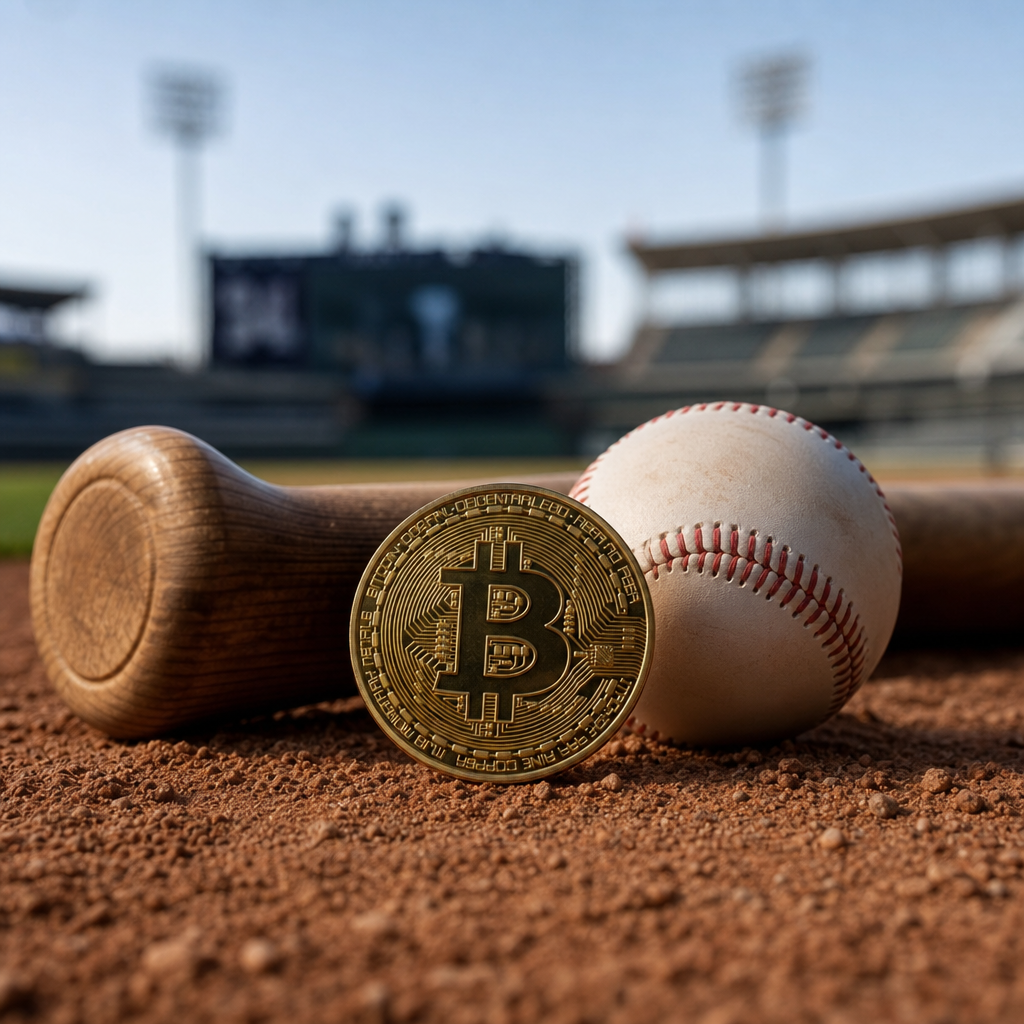
Cryptocurrency and baseball are developing a real economic relationship as teams, leagues, sponsors, broadcasters, and fans test how digital assets fit into a sport built on tickets, media rights, collectibles, and long-term brand value. In practical terms, cryptocurrency refers to blockchain-based digital money such as Bitcoin or stablecoins, while the broader crypto economy also includes tokenized rewards, digital collectibles, smart-contract payments, and blockchain-based identity or ticketing systems. Baseball matters here because it is both tradition heavy and commercially inventive: clubs monetize local loyalty, global audiences, premium experiences, and nostalgia better than almost any sport. That combination makes baseball a useful case study for how emerging financial technology enters a legacy industry.
I have worked on sports business content and commercial strategy projects where crypto proposals ranged from splashy sponsorships to quiet back-office settlement tools, and the pattern is consistent: the headline-grabbing token deal is rarely the whole story. The real question is not whether baseball will “go crypto.” It is which crypto applications solve an existing business problem more effectively than cards, cash, bank wires, or conventional databases. For team executives, that means evaluating new revenue against volatility and reputational risk. For fans, it means asking whether a blockchain product adds ownership, convenience, or access. For the wider industry, it means tracking where innovation improves operations and where it merely repackages speculation.
This hub article examines that relationship in depth. It covers sponsorship economics, fan tokens and digital collectibles, ticketing and payments, payroll and treasury questions, legal and compliance pressures, and the likely next stage of adoption. As a hub for deeper dives into specific innovations, it also frames how these topics connect: crypto in baseball is not one product category but a stack of experiments touching marketing, commerce, authentication, and data infrastructure. Understanding that stack is important because the winners will probably come from useful, low-friction applications rather than the loudest promotions. Baseball has always adapted to radio, television, analytics, dynamic pricing, and streaming. Blockchain tools are now entering that same long cycle of testing, failure, refinement, and selective adoption.
How cryptocurrency entered baseball through sponsorships and brand partnerships
The first major bridge between cryptocurrency and baseball was not payroll or ticketing. It was sponsorship. Crypto exchanges, wallet providers, and blockchain startups spent aggressively on sports marketing because sports deliver trust, frequency, and broad demographics. Baseball offered long seasons, visible signage, local TV inventory, and sponsorship assets that could be tied to in-stadium experiences. In recent years, teams across Major League Baseball explored or signed deals involving jersey patches, stadium signage, premium club activations, or digital campaigns with crypto brands. The logic was straightforward: a crypto company gains mainstream legitimacy, while the club receives a new revenue category competing with banks, insurance firms, and fintech advertisers.
These partnerships created short-term upside but also immediate lessons. When crypto market conditions weakened and prominent firms collapsed, sports properties discovered counterparty risk in a public way. The failure of FTX, though more widely discussed in other leagues and venues, became a benchmark for every baseball executive reviewing category exposure. A sponsorship is only as strong as the sponsor’s balance sheet and compliance posture. In baseball, where partnerships are expected to support family-friendly brand standards and multiyear fan trust, that matters more than a one-quarter revenue bump. Teams now vet crypto sponsors more like regulated financial partners than like ordinary consumer apps, with heavier attention on licensing, reserves, governance, and consumer disclosures.
The deeper business insight is that sponsorship opened the door, but durable value depends on whether the partner can support measurable fan outcomes. A naming-rights style deal may create awareness, yet a club ultimately wants data capture, hospitality sales, app engagement, or cross-border commerce. If a crypto sponsor cannot translate branding into useful fan activity, the relationship looks cosmetic. That is why the next wave of baseball crypto partnerships is likely to be narrower and more operational: payment rails, collectible platforms, loyalty programs, or authenticated merchandise systems that can be tracked against revenue and retention.
Fan tokens, NFTs, and digital collectibles in baseball
Digital collectibles brought the crypto-baseball connection directly to fans. The best-known example is MLB’s relationship with digital highlight collectibles through platforms such as Candy Digital, which focused on officially licensed non-fungible tokens tied to iconic moments, players, and team brands. In concept, these products modernized the baseball card tradition. Instead of a cardboard rookie card, a fan could buy a verifiably scarce digital item recorded on a blockchain. That promise resonated because baseball already has one of the strongest memorabilia cultures in sports. Scarcity, provenance, grading, and collector communities were familiar behaviors long before NFTs existed.
In practice, the market showed both genuine utility and clear limits. The utility came from authenticated digital ownership, direct distribution from licensed entities, and programmable features such as gated access, pack drops, or bundled perks. I have seen this appeal land best with fans who already collect cards or game-used items and understand that value often comes from narrative significance as much as from resale price. A digitally issued commemorative item tied to a no-hitter, postseason milestone, or Hall of Fame legend can function as a modern collectible even if the owner never sells it. The limit is equally obvious: many buyers entered expecting rapid appreciation, and speculative expectations proved unsustainable when crypto markets cooled.
That split matters for baseball’s long-term strategy. Digital collectibles work best when positioned as fan products, not financial products. Teams and leagues should emphasize authenticated ownership, media-rich presentation, player storytelling, and access benefits. They should not imply guaranteed secondary-market upside. Baseball can support this category because the sport generates daily moments, historical archives, and statistically rich narratives that fit collectible formats. But success requires disciplined supply, transparent rights language, and a collector-first product design.
| Baseball crypto innovation | Primary value | Main risk | Most sustainable use case |
|---|---|---|---|
| Team or league sponsorships | New advertising revenue | Partner insolvency or scandal | Deals tied to measurable fan engagement |
| NFTs and digital collectibles | Authenticated digital ownership | Speculative price collapse | Licensed moments with access perks |
| Crypto ticketing | Traceability and resale controls | User friction and wallet complexity | Backend verification with simple UX |
| Crypto payments | Fast cross-border settlement | Volatility and accounting complexity | Stablecoin or instant conversion models |
| Tokenized loyalty programs | Portable rewards and engagement data | Securities and consumer-protection concerns | Non-speculative fan rewards |
Ticketing, payments, and stadium commerce
One of the most practical baseball applications for cryptocurrency is not a speculative asset at all. It is payment infrastructure. Baseball clubs process large volumes of small consumer transactions and a smaller number of high-value transactions for suites, sponsorship installments, international services, and merchandise. Blockchain-based payment tools can reduce settlement time, simplify certain cross-border transfers, and create auditable transaction records. The strongest version of this model often uses stablecoins or immediate conversion to dollars, avoiding direct exposure to Bitcoin or other volatile assets. For a front office, that distinction is critical. Faster settlement is attractive; speculative treasury swings are not.
Ticketing is another area where blockchain has real but often overstated potential. A blockchain-backed ticket can create an immutable ownership trail, helping teams track primary issuance, transfers, and resale activity. In theory, that supports anti-fraud controls and better royalty design in secondary markets. It can also improve identity-linked access for premium areas or special events. However, fans do not want to manage private keys to attend a Tuesday night game. The best implementations hide the complexity and let blockchain operate in the background while the user experience remains as simple as a mobile wallet pass or app barcode. If the product adds friction, adoption drops immediately.
Merchandise authentication fits the same pattern. High-end memorabilia, autographed items, and game-used equipment can benefit from blockchain-linked provenance records. Baseball has decades of experience with forged signatures, disputed game use, and uncertain item histories. A tamper-resistant digital record will not eliminate fraud by itself, because bad data entered at the start stays bad forever, but it can strengthen chain-of-custody documentation when paired with credible authenticators and team controls. That combination is far more valuable than issuing a token with no trusted verification process behind it.
Players, payroll, and treasury management
Public discussion often jumps to whether players should be paid in cryptocurrency. The better question is when digital-asset settlement solves a real payroll or treasury problem. A few athletes across sports have chosen to convert portions of salary or endorsement income into crypto, sometimes through third-party services that receive dollars and buy digital assets on the athlete’s behalf. In baseball, where earnings can be large, tax liabilities are substantial, and careers are finite, advisers usually treat crypto as an allocation decision rather than a payroll standard. Clubs overwhelmingly account in fiat currency, and collective bargaining frameworks, withholding obligations, and financial controls all favor dollars.
Still, there are targeted use cases. International players, trainers, or vendors may benefit from faster cross-border settlement when traditional transfers are slow or expensive. Clubs operating academies in Latin America, for example, deal with multicurrency realities, local banking constraints, and compliance requirements that make payment efficiency a live issue. That does not mean teams should hold speculative coin positions. It means carefully designed payment rails may help treasury operations if legal, tax, and anti-money-laundering standards are fully met. The most conservative structure is instant conversion at the edge: use blockchain rails for transfer, then settle immediately into local currency or dollars.
Treasury management is where baseball organizations must be most disciplined. Sports franchises are asset rich but cash-flow conscious. They budget against payroll, debt service, capital projects, and media uncertainty. Holding volatile crypto on the balance sheet introduces mark-to-market risk and governance headaches that few clubs need. I have seen finance teams become far more open to blockchain-based settlement than to speculative token holdings, and that is the right order of operations. Useful infrastructure can survive a bear market. Treasury speculation usually cannot.
Regulation, governance, and reputational risk
No analysis of cryptocurrency and baseball is complete without regulation. Baseball businesses operate within a dense web of league rules, state consumer laws, advertising standards, tax obligations, and contractual controls. Crypto adds securities questions, money-transmission issues, sanctions screening, know-your-customer requirements, custody risk, and data-privacy concerns. Even when a club is not directly selling tokens, it can still face exposure through promotion, licensing, or sponsorship. If fans believe a team endorsement implied safety, reputational damage can outlast the underlying contract.
This is why governance matters as much as innovation. Before launching any crypto-related product, a baseball organization needs written policies for vendor diligence, wallet custody, dispute handling, cybersecurity, reserve verification where relevant, and consumer disclosures. It also needs clear lines between collectible products and anything that could be interpreted as an investment offering. Regulators in the United States have repeatedly signaled that economic reality matters more than labels. Calling something a “fan token” does not remove legal risk if the structure functions like a speculative instrument promoted with profit expectations.
There is also the issue of audience fit. Baseball serves children, families, and older collectors alongside digitally native fans. That broad audience raises the bar for clarity and fairness. A frictionless purchase flow that hides material terms is not a win. Nor is a promotional campaign that glamorizes risky behavior. The clubs that handle this space best will treat blockchain products like any other sensitive financial-adjacent offering: explain them plainly, limit complexity, and design for consumer protection first.
What the next phase of baseball innovation will look like
The next phase of cryptocurrency in baseball will likely be quieter, narrower, and more useful than the first. Expect fewer grand promises about replacing money or reinventing fandom overnight. Expect more targeted deployments where blockchain solves verification, portability, settlement, or rights management problems. For example, loyalty systems may evolve into portable reward layers that recognize attendance, merchandise purchases, and community participation across multiple team touchpoints. Digital collectibles may become less about standalone resale and more about acting as keys that unlock presales, batting-practice access, meet-and-greets, or archival content. Ticketing systems may use blockchain rails behind the scenes to monitor resale conditions without asking fans to become crypto experts.
This article’s central point is simple: cryptocurrency and baseball have an emerging economic relationship because baseball monetizes trust, identity, and repeat engagement, and blockchain tools can strengthen some of those functions when deployed carefully. The strongest opportunities are not speculative coins on a clubhouse balance sheet. They are operational improvements and fan products with clear utility. Sponsorships can still matter, but only when backed by reputable partners and measurable outcomes. Digital collectibles can thrive, but only when they respect collector culture and avoid hype-driven oversupply. Payments and ticketing can improve, but only when the technology stays mostly invisible to the user.
For readers exploring innovations and changes in baseball, this hub should serve as the starting point for deeper dives into sponsorship models, NFT strategy, blockchain ticketing, sports payments, memorabilia authentication, and regulatory design. The economic relationship is real, but it is not uniform. Some experiments will fade. Others will become standard infrastructure that fans barely notice. Watch for the solutions that reduce friction, improve trust, and create lasting value. Those are the innovations worth following next.
Frequently Asked Questions
How are cryptocurrency and baseball becoming economically connected?
Cryptocurrency and baseball are becoming connected through several overlapping business functions rather than through one single trend. Teams, leagues, media partners, sponsors, and technology companies are exploring how blockchain-based tools can fit into the existing economics of the sport, which already depends on ticket sales, merchandising, sponsorships, broadcasting revenue, premium fan experiences, and long-term brand loyalty. In that environment, crypto enters as both a payment technology and a digital asset ecosystem. Some organizations have tested accepting cryptocurrency for tickets, concessions, or merchandise, while others have partnered with exchanges or blockchain companies for sponsorship deals, fan engagement campaigns, or branded digital experiences.
The relationship also extends beyond simple payment acceptance. Baseball has a natural connection to collectibles, statistics, and fandom, all of which map well to tokenized products such as digital collectibles, authenticated memorabilia records, and blockchain-based loyalty programs. A club or league can use token systems to reward fan participation, offer exclusive access, verify ownership of limited-edition items, or build new membership experiences. Broadcasters and advertisers may also see value in blockchain-enabled promotions that link media engagement to digital rewards. The key point is that baseball’s traditional revenue model is being tested against newer digital frameworks, and cryptocurrency represents one of the tools being evaluated for efficiency, monetization, and fan retention.
What role could crypto payments and stablecoins play in baseball operations?
Crypto payments could play a practical role in baseball where speed, borderless transactions, and programmable settlement matter. For example, international commerce is a major part of the baseball economy, including global fan merchandise sales, overseas sponsorship activity, and cross-border business relationships involving scouts, academies, and media rights. In theory, blockchain-based payments can reduce friction in transactions that would otherwise pass through multiple intermediaries. Stablecoins, which are digital assets designed to maintain a consistent value relative to a fiat currency such as the U.S. dollar, are especially relevant because they are generally less volatile than assets like Bitcoin.
In a baseball context, stablecoins could be useful for faster settlement of certain business payments, streamlined digital commerce, or fan purchases in online ecosystems. A club selling merchandise internationally, for instance, may explore stablecoin payments as part of an e-commerce strategy aimed at reducing delays and simplifying payment options for global buyers. Smart-contract systems could also automate certain transactional processes, such as distributing revenue shares, managing royalty-like structures for licensed digital products, or handling promotional reward campaigns. That said, operational adoption depends on compliance, accounting treatment, tax considerations, consumer protection standards, and the willingness of fans and business partners to use these systems. So while the use case is real, actual deployment requires careful financial and legal planning.
Why does baseball seem like a natural fit for blockchain-based collectibles and fan tokens?
Baseball has always been a sport deeply tied to collecting, history, and statistical identity, which makes blockchain applications particularly compelling. Traditional baseball cards, signed memorabilia, game-used equipment, and archival moments have long carried emotional and financial value. Blockchain technology adds a digital layer by creating verifiable ownership records, programmable scarcity, and traceable transaction histories. That makes it possible to issue digital collectibles tied to specific players, games, milestones, or franchises in ways that are easier to authenticate and potentially easier to trade than many conventional digital items.
Fan tokens and similar blockchain-based reward systems also align with how baseball organizations already build community. Teams are constantly looking for better ways to keep fans engaged between games, during the offseason, and across digital platforms. Tokenized ecosystems can support that goal by offering rewards for participation, voting rights in limited fan experiences, access to exclusive content, or status-based perks tied to loyalty. However, the success of these systems depends on utility. If a token or collectible is merely speculative, fans may lose interest quickly. If it provides meaningful access, memorable experiences, or trustworthy proof of authenticity, it has a much better chance of fitting naturally into baseball’s economic and cultural structure.
What are the biggest risks and challenges in combining cryptocurrency with baseball?
The biggest challenges involve volatility, regulation, trust, and long-term brand risk. Baseball is a legacy-driven business where reputation matters enormously, so any partnership involving crypto has to be evaluated not just for short-term revenue but for its effect on fans, sponsors, and public credibility. The cryptocurrency industry has seen exchange failures, fraud allegations, dramatic price swings, and shifting regulatory oversight. If a baseball team or league aligns itself too closely with an unstable or poorly governed crypto company, the damage can extend well beyond the original deal and affect consumer confidence.
There are also practical concerns. Fans may not understand digital wallets, token custody, or the difference between a stablecoin and a speculative cryptocurrency. That creates adoption barriers and increases the need for education, transparency, and customer support. Teams must also think about data privacy, financial disclosures, anti-money-laundering controls, securities law implications, and the accounting treatment of digital assets on their books. Even when the technology itself works well, the surrounding business environment can be complicated. For baseball organizations, the central question is whether blockchain tools solve a real problem or create unnecessary complexity. The most sustainable uses will likely be the ones that improve efficiency, strengthen fan relationships, or verify authenticity without forcing casual fans into a confusing financial ecosystem.
Could cryptocurrency have a lasting long-term impact on the baseball industry?
Yes, but the long-term impact will probably come from selective, practical adoption rather than from sweeping disruption. Baseball is not likely to be transformed overnight into a fully crypto-native industry. Instead, the more realistic future is one in which certain blockchain-based functions become embedded in specific areas of the sport. Ticketing is a good example: blockchain systems could help with identity verification, fraud reduction, resale controls, and loyalty integration. Collectibles are another strong area, especially where digital ownership can be connected to authenticated physical items, exclusive experiences, or historical archives. Sponsorship and media innovation may also continue as teams and broadcasters experiment with digital campaigns tied to tokenized rewards or blockchain-based fan engagement.
The lasting effect depends on whether these tools deliver measurable value. If cryptocurrency remains mostly a headline-driven sponsorship category, its influence may fade as market cycles change. But if blockchain infrastructure improves how baseball handles commerce, collectibles, ticketing, royalty distribution, membership programs, and digital identity, then the relationship could become durable and economically meaningful. In that sense, the emerging connection between cryptocurrency and baseball is less about replacing the sport’s traditional business model and more about modernizing pieces of it. The most successful applications will likely be the ones that feel invisible to fans while quietly making transactions, verification, and engagement more efficient behind the scenes.