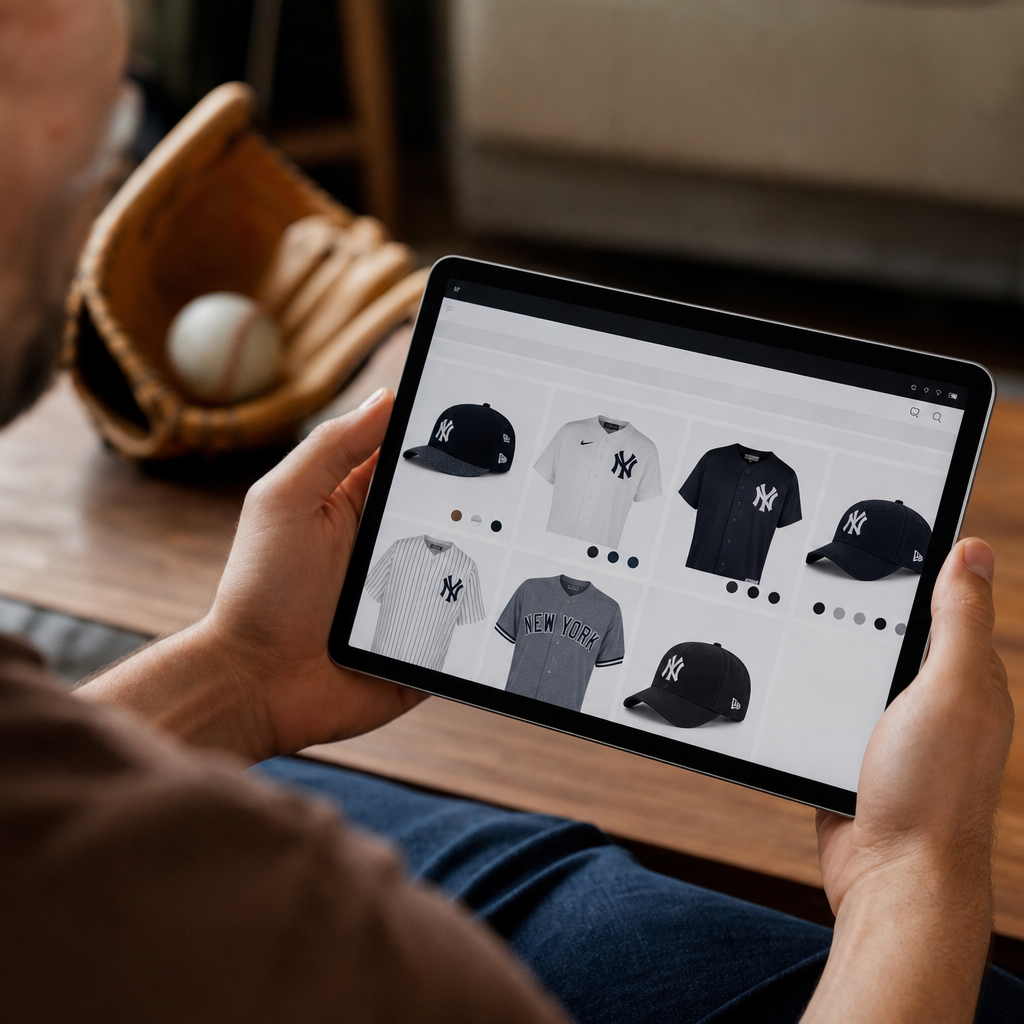
Baseball merchandising is moving from a stadium-first retail model to a connected digital ecosystem where products, content, data, and fan identity are tightly linked. In plain terms, merchandising now means far more than selling jerseys, caps, and collectibles through team stores. It includes mobile commerce, limited digital drops, authenticated memorabilia, personalized products, social shopping, subscription boxes, live-stream retail, and loyalty programs shaped by fan behavior. As teams, leagues, brands, and marketplaces compete for attention, the future of baseball merchandising in a digital world will be defined by how well they blend tradition with technology.
This shift matters because baseball has one of the deepest merchandise cultures in sports. Fans do not just buy team gear; they buy history, ritual, and belonging. A Yankees cap can signal fashion as much as fandom. A signed rookie card can function as both a keepsake and an investment. A City Connect jersey can become a statement about local identity. I have worked on sports retail launches where the winning products were not simply the cheapest or newest. They were the items that connected a fan to a moment, a player, or a community, then made purchase friction almost disappear across mobile, social, and in-venue channels.
Several key terms shape this conversation. Digital commerce refers to online buying across websites, apps, marketplaces, and social platforms. Personalization means customizing products, offers, and recommendations using fan data such as browsing history, purchase behavior, location, or favorite players. Omnichannel retail is the coordinated experience across physical stores, stadium kiosks, team apps, email, and social storefronts. Digital collectibles include officially licensed media, tokenized assets, or interactive memorabilia experiences tied to ownership records. Authentication covers the systems used to verify that a jersey, bat, or autograph is genuine, often using serial numbers, tamper-evident labels, or ledger-based tracking.
Why does this matter now? Because the old model of seasonal product launches and generic storefronts is no longer enough. Fans expect same-day convenience, exclusive access, transparent authenticity, and direct engagement with players and teams. Younger buyers discover products through TikTok clips, creator recommendations, and highlight-driven moments. International fans often experience a club first through digital channels, long before they attend a game. Rising customer acquisition costs, counterfeit risks, and fragmented attention have pushed baseball organizations to rethink merchandising as a strategic media and relationship engine, not a side business.
Looking ahead, future trends and predictions point in a clear direction. Baseball merchandising will become more personalized, more global, more data-driven, and more experiential. Revenue will increasingly come from limited-edition releases, direct-to-consumer programs, and digitally enhanced collectibles rather than only broad seasonal inventory. At the same time, the basics will still matter: product quality, licensing discipline, fulfillment speed, fair pricing, and brand trust. The organizations that win will be the ones that treat every purchase as part of a longer fan journey and build systems that can serve casual buyers, collectors, and lifelong supporters with equal precision.
Direct-to-Consumer Growth Will Reshape Team Retail
The biggest structural change in baseball merchandising is the rise of direct-to-consumer selling. Instead of relying mainly on stadium stores, big-box retail, or broad licensing distribution, teams and leagues are building stronger control over customer relationships. That means more sales through official websites, mobile apps, email campaigns, and membership programs. The advantage is simple: when a team owns the audience, it owns the data, margins, and messaging. It can see which player jerseys convert after a walk-off home run, which regions respond to heritage apparel, and which buyers return for collectibles versus everyday wear.
In practice, direct-to-consumer growth allows faster merchandising cycles. A prospect gets called up, hits two home runs, and his shirt can be promoted immediately through app notifications and social ads. A team reaches the postseason, and commemorative merchandise can be launched within hours. This is not theoretical. Across sports retail, the strongest operators use real-time inventory systems, demand forecasting tools, and customer segmentation platforms to match product drops to fan interest spikes. Baseball clubs that adopt those capabilities consistently will outperform those that still treat merchandise planning like a static preseason exercise.
Another effect is better first-party data strategy. Privacy changes have made paid advertising less predictable, so owned channels matter more. Email lists, app logins, loyalty identifiers, and purchase histories help teams market efficiently without depending entirely on third-party platforms. The future here is not more spam. It is better relevance. Fans should get offers based on team affinity, player preference, climate, and purchase timing. A collector who buys authenticated game-used baseballs should not receive the same message as a parent shopping for youth apparel before Opening Day. Precision increases conversion and protects brand goodwill.
Personalization Will Move From Nice Feature to Core Expectation
Personalization in baseball merchandising will go far beyond adding a surname to the back of a jersey. The next phase combines recommendation engines, dynamic storefronts, and made-to-order production. Fans will increasingly see homepages tailored to favorite teams, local weather, recent purchases, and current baseball moments. A Dodgers fan in Tokyo may see Shohei Ohtani products, Japanese-language buying support, and timing aligned to local shipping windows. A Phillies season-ticket holder might get early access to playoff drops, in-stadium pickup, and personalized bundles tied to attendance history.
Mass customization is becoming more viable because print-on-demand and flexible manufacturing have improved. That reduces overproduction risk and lets retailers test niche products for specific player milestones, heritage nights, or fan communities. It also supports inclusivity. Women’s fits, youth sizing, adaptive apparel, and localized designs can be offered without forcing teams to carry excessive inventory in every variation. In my experience, this is where merchandising strategy often matures: not by chasing every trend, but by using data to serve overlooked segments profitably and respectfully.
There are limits. Personalization can become intrusive if fans feel watched rather than understood. Teams must be clear about data use and provide meaningful preference controls. The best programs earn trust by using information to improve convenience and relevance, not to exploit urgency. If organizations get that balance right, personalized baseball merchandise will feel less like advertising and more like concierge service.
Limited Drops, Scarcity, and Collaboration Models Will Expand
One of the clearest future trends is the growth of limited-edition merchandise released in tightly timed drops. Streetwear has already proven that scarcity can increase attention, conversion, and resale value. Baseball is especially suited to this model because the sport creates constant storylines: rivalry weekends, no-hitters, Hall of Fame anniversaries, throwback nights, and player milestones. Instead of relying only on evergreen catalog products, teams can build release calendars around narrative moments that fans already care about.
Collaborations will also expand. Expect more capsule collections with lifestyle brands, local artists, musicians, and fashion labels. These partnerships help teams reach buyers who may not respond to standard on-field branding. MLB has already shown how alternate uniforms and city-inspired designs can generate broader cultural interest. The next step is more disciplined collaboration strategy, where every release has a clear audience, aesthetic rationale, and distribution plan.
| Trend | What It Means | Likely Impact on Baseball Merchandising |
|---|---|---|
| Limited drops | Small-batch, timed product releases | Higher urgency, stronger sell-through, more social buzz |
| Brand collaborations | Co-created products with fashion or local partners | New audiences, premium pricing, broader cultural relevance |
| Print-on-demand | Production after purchase confirmation | Lower inventory risk, more niche offerings |
| Authenticated memorabilia tech | Digital verification tied to physical items | More trust, stronger collector confidence, reduced fraud |
| Live commerce | Product selling during streams or interactive events | Higher engagement, faster impulse conversion |
The risk with scarcity is fatigue. If every item is “exclusive,” nothing feels exclusive. Smart operators will use restraint, preserve quality, and keep core merchandise available even as they experiment with hype-driven launches. Long-term brand strength depends on balancing accessibility with premium experiences.
Digital Collectibles and Authentication Will Reinvent the Collector Market
Collectors have always been central to baseball merchandising, from trading cards to signed bats. The digital era does not replace that culture; it upgrades the infrastructure around it. The most important change is authentication. Counterfeit autographs and fake game-used claims undermine trust, especially online. Future-ready programs will connect physical memorabilia to verifiable digital records that document origin, chain of custody, event context, and ownership changes. That could involve serialized QR labels, near-field communication chips, photo-match databases, or secure registry systems maintained by official partners.
For fans, the benefit is clarity. If a buyer can confirm that a jersey was worn in a specific game and linked to league-certified authentication, the item becomes easier to value, insure, resell, and display. Major League Baseball’s existing authentication program already set an important standard by using trained authenticators at games to log memorabilia details. The next wave will make that information more accessible and integrated into commerce experiences so collectors can verify claims instantly on mobile devices.
Digital collectibles will continue evolving, but the durable winners will be those tied to real utility or meaning. Pure speculation rarely sustains fan interest. More promising models connect ownership to exclusive content, event access, signed physical counterparts, or interactive storytelling. A historic home run clip, for example, becomes more valuable when paired with authenticated commemorative merchandise and member-only experiences. Baseball’s long memory gives it an advantage here. The richest opportunities will come from blending archive footage, milestone moments, and trusted provenance into products collectors genuinely want to keep.
Social Commerce, Live Shopping, and Creator Influence Will Drive Discovery
Fans increasingly discover baseball merchandise where they consume content, not where teams traditionally sell it. That means social commerce will become a major discovery and conversion channel. Short-form video, athlete clips, clubhouse content, and behind-the-scenes storytelling can all move product when linked to frictionless checkout. Instead of asking a fan to leave a platform, search a store, and find a product manually, the next generation of baseball retail shortens the path from interest to purchase.
Live shopping is especially promising during tentpole moments. A team can host a stream before Opening Day, during the Home Run Derby, or after a major trade, then feature exclusive products in real time. Broadcasters, team hosts, alumni, and trusted creators can explain fit, quality, scarcity, and story while answering fan questions live. This format works because it combines merchandising with entertainment and urgency. In categories like collectibles and memorabilia, where trust and context matter, live explanation often converts better than static product pages.
Creators will matter, but not all influence is equal. The most effective partners will be those with credibility in baseball culture, streetwear, collecting, or local identity. A respected card breaker, uniform historian, or team-focused content creator can drive more qualified demand than a generic celebrity endorsement. Teams should measure not just views, but add-to-cart rates, repeat purchase behavior, and audience fit. Discovery is widening, yet disciplined attribution still separates profitable growth from noisy activity.
Global Fans, Sustainability, and Smart Operations Will Define Long-Term Winners
Baseball merchandising is becoming more global, and that will shape product strategy. International stars expand demand across borders, but global fans need more than translated websites. They need local payment methods, predictable shipping, regional sizing information, and culturally relevant creative. A club with international ambitions should think carefully about assortment by market. For example, lightweight lifestyle apparel may perform better than heavy fleece in some regions, while player-led product pages can outperform team-led pages where individual star power drives fandom.
Sustainability will also move closer to the center of merchandising decisions. Fans are increasingly aware of overproduction, waste, and low-quality fast fashion. In practical terms, that means teams and licensees will face pressure to improve material sourcing, packaging, and inventory planning. Recycled fabrics, water-based inks, right-sized packaging, and demand-responsive production are not just ethics signals; they can reduce markdowns and protect margins when executed well. The challenge is to avoid vague claims. Buyers respond better to specific standards and measurable improvements than to generic eco language.
Operational excellence will ultimately determine who can deliver on all these promises. Fast shipping, clean product data, reliable inventory visibility, and returns management are not glamorous topics, but they shape fan satisfaction more than trend forecasts do. The strongest baseball merchandising programs will combine modern commerce platforms, disciplined licensing, warehouse efficiency, and responsive customer service. Future trends and predictions point to a market where technology creates opportunity, but execution creates trust. Teams, retailers, and brands that invest now in data quality, fulfillment, authenticity, and fan-centered product design will build more resilient revenue and deeper loyalty. For organizations planning the next phase of innovations and changes in baseball, merchandising is no longer an accessory business. It is a direct expression of how the sport meets fans where they live, shop, share, and remember. Audit your current merchandise strategy, identify gaps in personalization and authentication, and build the digital foundations that let every fan interaction become a lasting relationship.
Frequently Asked Questions
1. How is digital technology changing the way baseball merchandise is sold?
Digital technology is transforming baseball merchandising from a simple retail transaction into a connected fan experience that can happen anywhere, at any time. In the past, most sales were tied to ballparks, team stores, special events, and a few licensed retail partners. Today, teams, leagues, and brands can sell directly to fans through mobile apps, e-commerce platforms, social media storefronts, live-stream events, and personalized email or SMS campaigns. That means merchandise is no longer limited by game schedules or physical location. A fan can discover a new product during a highlight clip, buy it instantly through a social post, and receive recommendations for related items based on previous purchases or favorite players.
Just as important, digital tools make merchandising smarter. Teams can use data to understand which products resonate with different fan segments, when demand spikes, and how to tailor offers in real time. For example, a player milestone, a playoff run, or even a viral social moment can trigger immediate demand for specific items. With digital commerce systems in place, organizations can react quickly with themed products, limited-edition drops, and targeted promotions. This creates a much more agile merchandising model, where inventory, storytelling, and fan engagement all work together instead of operating separately.
In practical terms, the future of baseball merchandise is less about a shelf full of products and more about a digital ecosystem. Fans are not just buying jerseys and caps; they are interacting with branded content, unlocking exclusive releases, building personalized collections, and participating in a broader community tied to their identity as supporters. That shift is what makes digital technology so important to the future of baseball merchandising.
2. What role does personalization play in the future of baseball merchandising?
Personalization is becoming one of the most valuable parts of modern baseball merchandising because fans increasingly expect products and shopping experiences that feel relevant to them. Instead of offering the same generic catalog to everyone, teams and retailers can now tailor recommendations based on favorite players, buying history, location, browsing behavior, and engagement across digital channels. A lifelong fan in Chicago may see very different merchandise suggestions than a newer fan following a specific star player from another market. That level of customization helps fans feel recognized rather than treated as anonymous customers.
Personalization also affects the products themselves. Custom jerseys, made-to-order apparel, engraved memorabilia, curated subscription boxes, and limited-edition items linked to specific moments or players are all part of this shift. Fans want merchandise that expresses something about their identity, whether that means honoring a favorite era of the team, celebrating a specific player, or creating a one-of-a-kind collectible. In a digital environment, these options are easier to present and manage because e-commerce systems can support product customization, dynamic pricing, and targeted promotional campaigns at scale.
From a business perspective, personalization improves both fan satisfaction and commercial performance. Relevant recommendations can increase conversion rates, repeat purchases, and loyalty. More importantly, personalization strengthens the emotional connection between fan and team. When merchandise reflects personal fandom instead of mass-market sameness, it becomes more meaningful. That is why personalization is not just a feature of future merchandising; it is becoming a core strategy for how baseball organizations build long-term fan relationships.
3. Why are limited digital drops and authenticated memorabilia becoming more important?
Limited digital drops and authenticated memorabilia are gaining importance because they combine scarcity, trust, and storytelling in ways that strongly appeal to modern sports fans. In a crowded retail landscape, exclusivity matters. When a team releases a short-run product tied to a milestone game, a player achievement, a rivalry series, or a commemorative event, the item carries emotional and collectible value beyond its basic function. Digital platforms make these releases easier to organize and promote because teams can announce them instantly, build anticipation through social channels, and sell directly to fans without relying solely on traditional store traffic.
Authentication is equally important, especially for higher-value memorabilia and collectibles. Fans want confidence that a signed baseball, game-used bat fragment, or commemorative print is genuine. Digital verification tools, serialized tracking, scannable certificates, blockchain-backed records in some cases, and integrated provenance systems can help establish credibility and reduce fraud. That trust is critical in a market where collectible value often depends on authenticity, condition, and documented connection to a specific player or moment.
Together, limited drops and verified memorabilia create a stronger sense of occasion and ownership. They turn merchandise into a deeper form of fan participation. A fan is not just purchasing an object; they are acquiring a piece of the team story with proof of legitimacy and a meaningful reason to value it over time. For baseball organizations, this approach can drive urgency, support premium pricing, and create repeat engagement as fans watch for the next exclusive release. In a digital world, scarcity and authenticity are powerful merchandising tools.
4. How do social shopping, live-stream retail, and mobile commerce affect baseball fans?
Social shopping, live-stream retail, and mobile commerce are changing baseball merchandising by making discovery and buying feel more immediate, interactive, and entertainment-driven. Instead of visiting a team store with a fixed intent to buy, fans now encounter merchandise naturally while scrolling social media, watching player interviews, following postgame reactions, or joining live product launches. A cap, jersey, collectible, or limited-edition collaboration can appear in the same digital spaces where fans already spend their time. That reduces friction and shortens the path from excitement to purchase.
Live-stream retail adds another layer by blending content and commerce. Teams, influencers, former players, or retail hosts can showcase products in real time, explain the story behind them, answer questions from fans, and create urgency around limited availability. This format feels more personal than static product listings because it mimics the excitement of an event. Fans are not just shopping; they are participating in a moment. That works especially well in baseball, where nostalgia, ritual, and community are already central to fan culture.
Mobile commerce ties everything together. Because fans carry their phones everywhere, purchasing becomes woven into everyday behavior. They can buy merchandise during a game, after a trade announcement, while watching highlights, or as part of a loyalty reward experience. Mobile platforms also support digital wallets, one-click checkout, personalized notifications, and location-based offers, all of which make the process faster and more convenient. For fans, the result is a smoother and more engaging experience. For teams and brands, it means more touchpoints, better data, and a stronger ability to convert attention into lasting customer relationships.
5. What will loyalty programs and fan data mean for the future of baseball merchandising?
Loyalty programs and fan data will play a major role in the future of baseball merchandising because they help organizations move from broad, one-size-fits-all marketing to more intelligent and relationship-based engagement. In the digital era, teams can learn a great deal from how fans interact with content, attend games, open emails, browse products, and make purchases. When this information is used responsibly, it can support better merchandising decisions and more relevant fan experiences. Instead of sending the same promotion to everyone, teams can reward different types of fans in ways that match their behavior and interests.
Modern loyalty programs are also evolving beyond simple points systems. They can include early access to limited drops, member-only collectibles, discounts based on milestones, personalized bundles, birthday offers, exclusive content, VIP digital events, and perks tied to both online and in-person activity. A fan who regularly shops through the app, attends games, and engages with team content may receive a more curated experience than someone who only makes occasional purchases. This makes loyalty feel less transactional and more like an ongoing relationship with the brand.
The larger opportunity is that merchandising becomes part of a connected fan journey. Data can help teams understand when a fan is most likely to buy, what kinds of products matter most to them, and how merchandise can reinforce emotional loyalty over time. Of course, trust matters. Fans expect transparency, privacy protections, and clear value in exchange for sharing their information. Organizations that handle data well can create better experiences without crossing the line into intrusive marketing. In the long run, the most successful baseball merchandising strategies will likely be the ones that use data not just to sell more products, but to make fans feel more recognized, rewarded, and connected to the team.