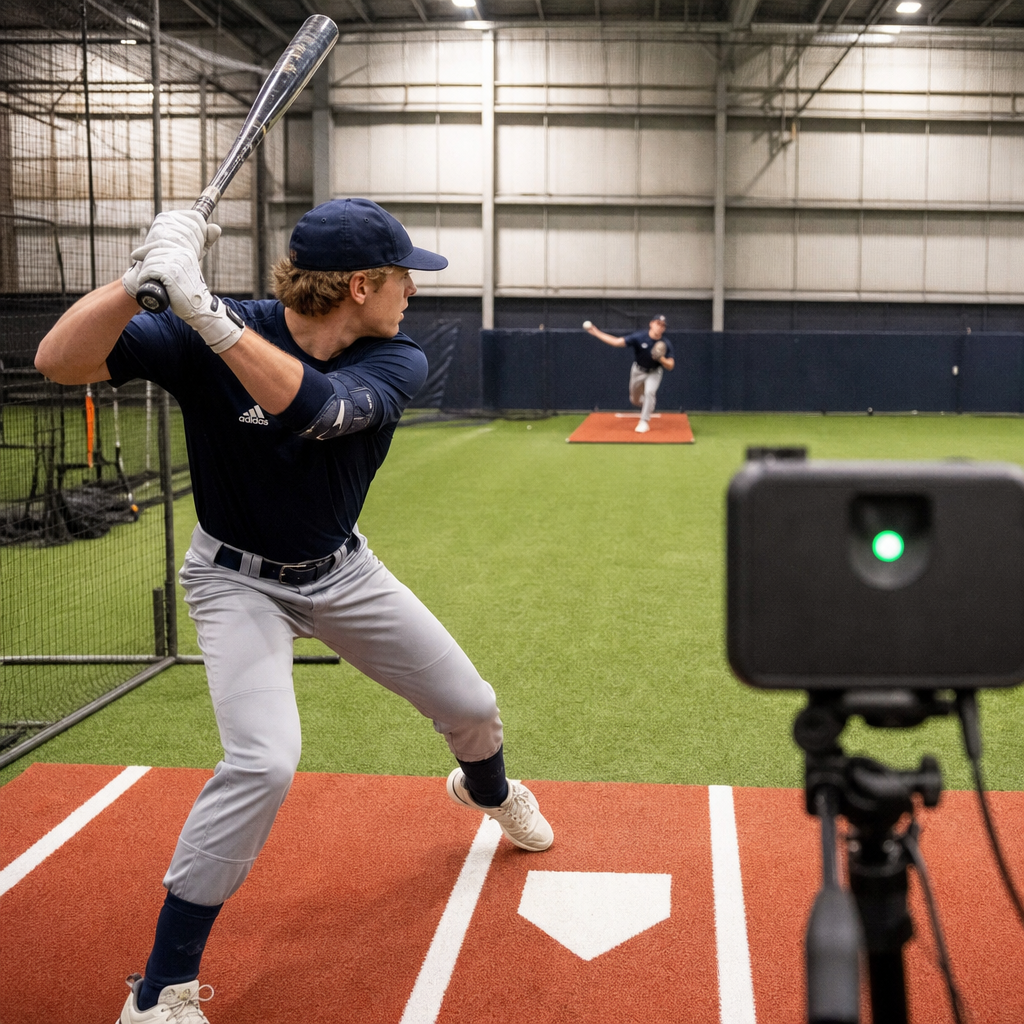
College baseball training has changed faster in the past decade than at any point I have seen around college programs, fall workouts, winter development blocks, and spring competition plans. What used to center on batting practice, long toss, distance running, and a coach’s eye now blends biomechanics, force production testing, workload monitoring, pitch design, nutrition planning, mental performance, and technology-assisted decision making. Innovations in training are advancing the game because coaches are developing more complete athletes, reducing avoidable injuries, and preparing players for the demands of professional baseball with greater precision. In the college baseball world, training no longer means only working harder; it means building systems that connect skill instruction, physical development, recovery, and game strategy.
For readers exploring minor leagues and college baseball, this topic matters because college programs have become one of the sport’s most important laboratories. New methods often appear on college campuses before they become standard at lower professional levels, especially where strength staffs, sports science departments, and analytics teams work side by side. Terms such as biomechanics, pitch efficiency, bat speed, kinetic chain, load management, and individualized development plans are now part of everyday baseball language. Biomechanics refers to how the body moves during actions like throwing or hitting. Pitch efficiency describes how effectively a pitcher converts velocity, spin, and movement into usable results. Load management means controlling total stress from practices, lifts, bullpens, games, and travel so performance improves without breaking the athlete down.
The result is a smarter version of development. College baseball players arrive from very different backgrounds: some have private instruction and elite travel-ball experience, while others come from smaller programs with raw tools but limited technical coaching. Modern training helps close that gap. A freshman pitcher who has never used motion-capture cameras can now learn how his hip-shoulder separation affects velocity and command. A hitter with strong exit velocity but poor swing decisions can use video review and swing-tracking data to improve contact quality against high fastballs. Catchers train receiving, transfer speed, throwing mechanics, and lower-body durability in ways that were rarely coordinated in the past. Even fielding development is more detailed, with reaction drills, pre-pitch movement training, and data-backed positioning work built into daily routines.
This hub article looks at the miscellaneous innovations shaping college baseball training from every angle: technology, strength and conditioning, injury prevention, hitting and pitching design, recovery, mental skills, player tracking, and program building. The central idea is simple. The best college baseball training systems combine measurable data with coaching experience and player feedback. When those pieces align, athletes improve faster and the game itself advances.
Technology and data are redefining player development
Technology is now embedded in serious college baseball training, not as a gimmick but as a daily feedback loop. Rapsodo and TrackMan units measure pitch velocity, spin rate, induced vertical break, horizontal movement, release characteristics, exit velocity, launch angle, and batted-ball trends. Blast Motion sensors provide swing metrics such as bat speed, attack angle, and time to contact. High-speed video from Edgertronic or similar cameras lets coaches review movements frame by frame, making subtle changes visible. In practice, this means a pitcher can see that his slider shape changes when his release point drifts, while a hitter can compare the bat path from his best swings to those that produce weak fly balls or rollovers.
The value of these tools is not the data alone. The value is translation. The best college staffs turn numbers into clear decisions. If a left-handed pitcher has a four-seam fastball with strong carry and a sweeping breaking ball, the staff can shape his attack plan around top-of-zone fastballs and glove-side chase. If a power hitter consistently produces ideal exit velocity but misses spin recognition, the staff can shift some work from cage volume to machine training that mirrors game-speed breaking balls. I have seen the biggest gains happen when athletes receive one or two actionable adjustments rather than a flood of metrics. Data sharpens coaching when it answers a question the player actually needs solved.
Strength, speed, and movement quality now work as one system
College baseball strength training used to be too generic. Many programs now build baseball-specific performance plans that respect the sport’s asymmetries and long competitive season. Instead of emphasizing only bulk or general conditioning, training targets force production, rotational power, deceleration, sprint mechanics, shoulder integrity, and lower-half strength. Olympic lift variations, trap-bar deadlifts, medicine-ball throws, plyometrics, and single-leg work are common because they transfer better to explosive baseball movements than old-school bodybuilding splits alone. Mobility and movement screens also matter more because a player cannot use strength efficiently if he lacks thoracic rotation, hip internal rotation, or scapular control.
Position-specific design has improved as well. Pitchers often follow lifting plans that support velocity, repeatability, and recovery without creating unnecessary fatigue near throwing days. Catchers need durability in the hips, knees, trunk, and shoulders because of repeated squatting and high throwing volume. Middle infielders benefit from first-step explosiveness, lateral force production, and torso stability for throws from multiple arm slots. Outfielders need acceleration, route efficiency, and throwing capacity from longer distances. This is not about treating every athlete completely differently; it is about adjusting the same performance principles to actual game demands.
Programs also test more intelligently. Force plates, jump testing, sprint timing, and wellness questionnaires can reveal readiness and fatigue trends. A player whose countermovement jump drops significantly after a heavy weekend may need reduced volume, more recovery emphasis, or an adjusted bullpen schedule. These changes are small, but over a forty- to sixty-game season they matter. Better training systems help players stay available, and availability remains one of the most underrated performance advantages in college baseball.
Pitching development has become more precise and individualized
No area of college baseball has changed more dramatically than pitching development. Velocity is still prized, but the path to improving velocity and command is far more sophisticated. Coaches now examine force transfer from the ground up, pelvic and trunk timing, scapular loading, arm action efficiency, stride direction, release consistency, and pitch shapes. Weighted ball programs, when used carefully, can increase arm speed and improve specific movement patterns. They can also create risk if applied without workload control, mobility prerequisites, or medical oversight. The better programs use them as one tool inside a broader throwing plan rather than as a shortcut.
Pitch design has also transformed bullpen work. Instead of simply telling a pitcher to throw a better slider, coaches can use tracking devices to define what “better” means. Does the pitcher need more sweep, more depth, a firmer cutter shape, or a different seam orientation? Seam-shifted wake, spin axis, and release slot all influence how a pitch moves. A sinkerballer and a high-slot carry fastball pitcher should not chase the same profile. Colleges that understand this build arsenals around the athlete’s natural traits, not around a template copied from another program.
| Training Area | Traditional Approach | Modern College Approach | Practical Example |
|---|---|---|---|
| Bullpen sessions | Volume-focused, coach observation only | Measured pitch shapes, intent-based sequencing | Pitcher adjusts slider grip after seeing sweep data |
| Velocity training | Long toss and general throwing | Weighted balls, mechanics review, strength integration | Arm-speed gains paired with recovery monitoring |
| Hitting practice | Standard batting practice rounds | Machine work, bat tracking, decision training | Hitter trains against high-spin fastballs up in zone |
| Conditioning | Pole running, generic endurance | Sprint work, repeat power, position-specific conditioning | Catcher builds anaerobic capacity without wasting legs |
| Recovery | Rest after games | Sleep targets, hydration, soft-tissue work, readiness checks | Weekend starter follows structured post-outing reset |
Command training has become smarter too. Rather than separating stuff and strikes, advanced programs train both together. Competitive bullpens include target execution, decision-making, hitter-profile planning, and count-specific pitch calling. The goal is game transfer. A pitcher who throws a sharp breaking ball in isolation but cannot land it at 1-1 or bury it at 0-2 is not finished developing. College baseball is advancing because training increasingly mirrors the decisions pitchers must make under pressure.
Hitting instruction blends bat speed, swing decisions, and game context
Modern college hitting development is much more than trying to hit the ball hard. Coaches now evaluate a hitter’s move pattern, contact point, plane efficiency, timing, pitch recognition, and approach. Bat speed matters, but usable bat speed matters more. A hitter can post strong sensor numbers and still struggle if the swing enters the zone late or if the player chases breaking balls below the strike zone. The best programs combine cage work with decision training, machine velocity, visual training, and opponent-specific preparation.
One major shift is the focus on swing decisions. Analysts can chart chase rate, zone contact, hard-hit percentage, and production by pitch type or location. That helps coaches identify whether a slump is mechanical, tactical, or both. If a player handles fastballs but expands against sliders away, the correction may involve recognition drills and swing restraint, not a full swing rebuild. Conversely, if a hitter’s contact quality drops on pitches he used to drive, video and bat-tracking data may reveal a timing or movement issue. This layered approach prevents coaches from prescribing the same fix for every hitter.
Training environments are also more game-like. High-velocity machines, breaking-ball machines, colored-ball recognition drills, and live at-bats against development arms create better transfer than repetitive front toss alone. Many programs now design batting practice with intent: one round for line drives through the middle, one for situational execution, one for pull-side damage on pitches in a defined zone. That structure respects the reality that successful college hitters need adjustability, not one-dimensional swings.
Recovery, nutrition, and mental performance are now competitive advantages
College baseball schedules are demanding, especially during conference play, road trips, and postseason pushes. Recovery is no longer treated as passive rest. It is an active part of training. Athletic trainers, strength coaches, and performance staffs monitor hydration, tissue quality, soreness, sleep, and workload. Postgame recovery may include bike flushes, mobility circuits, protein and carbohydrate intake, soft-tissue treatment, and individualized shoulder-care routines. None of those methods are glamorous, but they help players maintain output over months rather than days.
Nutrition has improved significantly. Players are more likely to receive guidance on total energy intake, timing around lifts and games, hydration markers, and body composition goals. A starting pitcher trying to hold velocity deep into outings needs different fueling support than a reserve infielder trying to add lean mass. Programs with strong nutrition support often see fewer midseason weight losses, better recovery between games, and more consistent concentration. In my experience, the athletes who treat food and sleep as part of training usually make the most stable gains over a full academic year.
Mental performance is another area where innovation is advancing the game. Failure is constant in baseball, and college players face added pressure from academics, roster competition, social media, and professional aspirations. Sports psychologists and mental skills coaches help athletes build routines for breathing, focus resets, pre-pitch cues, and emotional regulation. These tools are practical, not abstract. A reliever entering with runners on base needs a repeatable process to slow the moment down. A hitter in an 0-for-12 stretch needs objective review rather than panic. Teams that train composure gain an edge because baseball performance depends on recovery between mistakes as much as raw talent.
Program culture, communication, and the future of college baseball training
The most successful innovations in college baseball do not come from technology alone. They come from integrated program culture. When head coaches, pitching coaches, hitting coaches, strength staffs, athletic trainers, analysts, and players share the same development language, training becomes more efficient. Everyone understands the goal of a bullpen, the purpose of a lift, the reason for a reduced workload day, and the standard for recovery. Without that alignment, even expensive tools create noise instead of progress.
Communication is especially important in the current college landscape shaped by the transfer portal, name, image, and likeness opportunities, and accelerated player movement. Programs often have less time to develop athletes than they once did, so onboarding matters. New players need clear assessments, realistic benchmarks, and quick wins. The best staffs build individualized plans early, then revisit them throughout the season. They also explain the why behind training choices. Athletes buy in faster when they understand how a drill, metric, or lift connects to game performance.
Looking ahead, college baseball training will become even more personalized. Expect broader use of markerless motion capture, better fatigue prediction models, more sophisticated vision training, and stronger integration between player development and scouting. At the same time, the core truth will remain the same: tools support coaching, but they do not replace it. Players still need trust, repetition, honest feedback, and competitive environments. Innovations matter because they help coaches teach more accurately and help players improve with fewer wasted reps. For anyone following minor leagues and college baseball, this miscellaneous hub topic is essential because it connects every part of modern development. Better training is not a side story in college baseball. It is one of the main reasons the sport continues to evolve. Follow these trends, study how programs apply them, and you will understand where the game is headed next.
Frequently Asked Questions
How has college baseball training changed in recent years?
College baseball training has evolved from a largely traditional model into a more integrated, data-informed development system. In the past, many programs relied heavily on batting practice, long toss, conditioning runs, and visual evaluation from coaches. Those elements still matter, but they now sit alongside biomechanics assessments, strength and power testing, recovery monitoring, nutrition support, and individualized skill plans. The biggest shift is that training is no longer based only on generalized team routines. It is increasingly built around what each athlete needs to improve performance, stay healthy, and handle the demands of a full season.
That change has been driven by better access to technology and a deeper understanding of how players develop. Coaches and performance staffs now use tools such as high-speed video, motion capture, force plates, bat sensors, and ball-tracking systems to measure movement quality, workload, and on-field output. Instead of simply telling a pitcher to throw harder or a hitter to stay through the ball, staffs can identify specific mechanical patterns, physical limitations, or timing issues and build a targeted plan. As a result, training is becoming more precise, more efficient, and more accountable.
Another major development is the way college programs structure the entire year. Fall training, winter development blocks, preseason ramp-up, in-season maintenance, and postseason recovery are treated as connected phases rather than separate events. Players are not just practicing; they are progressing through a long-term development process. That broader approach is one reason innovations in training are advancing the game at the college level. Athletes are entering competition better prepared physically, mentally, and tactically than ever before.
What role does technology play in modern college baseball development?
Technology plays a central role in how college baseball programs evaluate, train, and improve players. It gives coaches objective information that supports better decisions instead of relying solely on observation and intuition. Tools like radar-based tracking systems can measure pitch velocity, spin rate, spin efficiency, vertical and horizontal movement, release characteristics, and strike-zone outcomes. For hitters, similar systems can assess exit velocity, launch angle, swing decisions, contact quality, and batted-ball trends. This level of detail helps players understand not just whether they succeeded, but why.
Video technology has become especially valuable. High-speed cameras allow coaches to break down movements frame by frame, making it easier to identify inefficiencies in a pitcher’s delivery, a hitter’s swing path, or a catcher’s transfer. Biomechanical analysis can reveal how the body moves through key positions, helping staffs connect performance with mobility, stability, and force production. That means training can be tied directly to the athlete’s actual mechanics. If a pitcher lacks hip-shoulder separation or a hitter struggles to control the barrel in the zone, the program can address the root cause rather than guessing.
Technology also supports workload management and recovery. Wearable devices, readiness questionnaires, and performance tracking help staffs monitor fatigue, throwing volume, sprint output, and overall stress. This matters in a sport where overuse injuries can derail development quickly. By spotting warning signs early, coaches can adjust throwing plans, lift intensity, or recovery protocols before a minor issue becomes a major problem. Used well, technology does not replace coaching. It sharpens it. The best college programs combine data with experience, communication, and context so the information leads to practical improvement rather than overload.
Why are biomechanics and pitch design so important for college pitchers?
Biomechanics and pitch design have become two of the most influential areas in pitcher development because they directly affect performance, consistency, and durability. Biomechanics focuses on how the body moves during the throwing motion. When coaches and sports science staffs understand a pitcher’s movement pattern, they can identify where energy is being produced efficiently and where it may be leaking. That can help a pitcher throw harder, command the ball more consistently, and reduce unnecessary stress on the arm and shoulder. In a competitive college environment, even small improvements in movement quality can create major gains over the course of a season.
Pitch design builds on that foundation by shaping how the ball behaves out of the hand. Using tracking technology, pitchers and coaches can study velocity, spin profile, movement characteristics, release point, and pitch interaction. Instead of simply trying to throw a harder fastball or a sharper breaking ball, they can develop pitches that complement each other and match the pitcher’s natural traits. For example, one pitcher may benefit from a riding four-seam fastball paired with a vertical breaking ball, while another may be more effective with sink, sweep, and contact management. The key is creating an arsenal with purpose rather than collecting pitches without a plan.
This approach also changes how pitchers train between outings. Bullpens are often more intentional, with sessions built around specific objectives such as refining a release cue, improving the shape of a slider, or repeating mechanics under fatigue. Throwing is no longer just about accumulating reps. It is about developing weapons, improving efficiency, and maintaining health. That is why biomechanics and pitch design are now central to college baseball innovation. They help turn raw talent into repeatable, game-ready performance.
How do strength training, nutrition, and recovery influence player performance?
Strength training, nutrition, and recovery are now viewed as core parts of baseball development rather than background support. Modern college programs understand that skill work alone is not enough. A player’s ability to produce force, maintain power through a long season, recover between games, and stay resilient under repeated stress is heavily influenced by what happens in the weight room, training room, and dining hall. Strength and conditioning programs today are typically designed around baseball-specific demands such as rotational power, lower-body force production, sprint ability, deceleration, shoulder integrity, and movement efficiency.
For hitters, improved strength and power can translate to greater bat speed, better stability through contact, and more consistent quality of contact. For pitchers, force production and sequencing can support velocity gains and more efficient mechanics. Position players also benefit from better acceleration, agility, and repeatability over a demanding schedule. Importantly, strong programs are not just about lifting heavier. They focus on when to push, when to maintain, and when to back off. Training loads are adjusted based on the time of year, player position, game volume, and physical readiness.
Nutrition has become equally important because it directly affects energy, recovery, body composition, and long-term adaptation. Athletes are increasingly given guidance on meal timing, hydration, protein intake, carbohydrate support around practices and games, and strategies for travel and late-night recovery. Recovery itself now includes more than rest. It may involve sleep tracking, mobility work, soft tissue treatment, hydration protocols, post-game fueling, and active recovery sessions. When these elements are aligned, players are better equipped to perform consistently, adapt to training, and avoid the wear-and-tear issues that often show up during the season. In practical terms, this means more players can sustain their best baseball deeper into the year.
Are mental performance and decision-making training becoming more important in college baseball?
Yes, mental performance and decision-making training are becoming much more important because the modern game demands more than physical talent. College players are expected to process information quickly, adapt to pressure, handle failure, and make better choices in fast-moving situations. That includes hitters recognizing pitch types earlier, pitchers managing tempo and intent with runners on base, defenders anticipating game situations, and athletes staying composed after mistakes. The mental side is no longer treated as something separate from performance. It is increasingly trained as part of everyday development.
Many college programs now include structured work on focus, emotional regulation, confidence, breathing techniques, competitive routines, and visualization. The goal is not to eliminate pressure, but to help athletes perform effectively within it. Baseball is a game built on repetition and failure, so players who can reset quickly and stay clear-minded often gain a major advantage. A hitter who can move on from two poor at-bats or a pitcher who can regroup after a walk is often more valuable than a player with similar physical tools but less consistency under stress.
Decision-making is also benefiting from video review, scouting data, and game simulation. Players can study tendencies, understand swing decisions, review pitch usage patterns, and prepare with more intention before competition. Over time, that leads to smarter in-game choices rather than reactive play. The strongest programs are combining mental skills coaching with performance data and tactical preparation so athletes can apply what they know in real time. That is a major reason training innovations are advancing college baseball. The game is not just producing stronger and more skilled athletes; it is producing more aware, prepared, and adaptable competitors.