
Few places encapsulate the essence of baseball like Wrigley Field. Nestled in the bustling north side of Chicago, this iconic ballpark is more than just a stadium; it is a sacred space where history, community, and sport converge. Since its opening in 1914, Wrigley Field has become a hallowed ground for baseball enthusiasts around the world. Its ivy-covered walls, hand-operated scoreboard, and storied traditions set it apart from any other ballpark. Among its most cherished customs are the day games, a quintessential aspect of Wrigley Field that has cemented its legacy in baseball lore.
Introduction
When you think of Wrigley Field, one of the first things that come to mind is the unique charm of its day games. Unlike many other Major League Baseball stadiums that prioritize night games, Wrigley Field has long been synonymous with baseball in the sunlight. The tradition of day games initially stemmed from necessity—Wrigley Field did not have lights installed until 1988. However, even after the lights went up, day games remained an integral part of the ballpark’s identity. For many fans, attending a day game at Wrigley Field is a pilgrimage, a rite of passage that offers a glimpse into the sport’s purest form.
The atmosphere of a Wrigley Field day game is unmatched. From the moment you step off the ‘L’ train at Addison Station, you can feel the excitement in the air. The streets surrounding the ballpark, known as Wrigleyville, buzz with activity as fans clad in Cubs gear congregate at local bars and restaurants. As you approach the stadium, the iconic marquee, often adorned with the day’s game information, welcomes you. Once inside, the experience is nothing short of magical. The emerald green field, the crack of the bat, and the roar of the crowd all come together to create a timeless baseball experience.
This article delves into the rich history and enduring tradition of Wrigley Field’s day games. We will explore how this tradition began, its impact on the community, the unique experiences it offers to fans, and the challenges it faced over the years. Whether you are a lifelong fan or new to the sport, understanding the significance of Wrigley Field’s day games will deepen your appreciation for this cherished American pastime.
The Origins of Wrigley Field’s Day Games
The tradition of day games at Wrigley Field began out of necessity. When the ballpark, initially known as Weeghman Park, opened in 1914, it lacked the technology for nighttime illumination. As a result, all games were scheduled during daylight hours. This wasn’t unusual for the time, as no Major League Baseball stadium had lights. However, as the years passed and technology advanced, many ballparks began to install lights to accommodate night games, which were believed to attract larger crowds and higher revenues due to prime-time scheduling.
Wrigley Field remained an outlier. Philip K. Wrigley, the owner of the Cubs from 1932 to 1977, was a staunch traditionalist who believed that baseball was meant to be played under natural light. This conviction was reflected in the ballpark, which continued to host only day games long after other stadiums had transitioned to night schedules. The Cubs’ home games became synonymous with sunny afternoons, and the ballpark earned the affectionate nickname “The Friendly Confines.”
As decades passed, the tradition of day games at Wrigley Field became embedded in the cultural fabric of Chicago. The afternoon start times allowed families to enjoy a day at the ballpark together, and businesses in the surrounding Wrigleyville neighborhood thrived. The consistent schedule also provided a unique routine for Cubs players, who grew accustomed to waking up early and performing with the sun high in the sky. This distinctive element of Wrigley Field experience was a point of pride for both the team and its fans.
The resistance to night games was not without challenges. By the 1980s, the lack of lights became a contentious issue, especially as MLB pushed for prime-time television broadcasts that required evening games. Nevertheless, the Cubs and their fans held steadfast to their tradition, preserving the day game experience against the tide of modernization sweeping through the league.
The Installation of Lights and Its Impact
After years of debate and pressure from Major League Baseball, lights were finally installed at Wrigley Field in 1988. The first official night game took place on August 8, 1988, against the Philadelphia Phillies, but was cut short by rain after just a few innings. The next night, the Cubs played a full game under the lights, marking a significant shift in the ballpark’s long-standing tradition.
While the installation of lights was initially met with resistance from purists who cherished the uniqueness of day games, it ultimately brought several benefits. For one, it allowed for greater schedule flexibility, accommodating television broadcast needs and providing an opportunity for more fans to attend games after work. Night games helped the Cubs’ revenue through increased ticket sales and greater television viewership.
Despite these benefits, the Cubs organization and fans worked to ensure that the essence of Wrigley Field’s day game tradition remained intact. A balance was struck, with the team maintaining a higher percentage of day games compared to other MLB franchises. The commitment to preserving day games became a testament to the ballpark’s unique character and a nod to its storied past.
The transition to night games also impacted the community around Wrigleyville. While local businesses enjoyed the influx of fans during the evenings, daytime games continued to be a cornerstone of the neighborhood’s culture. The dynamic between day and night games enhanced the overall vibrancy of Wrigleyville, making it a diverse and bustling area year-round.
Today, the legacy of Wrigley Field’s day games lives on, honored through a balanced schedule that respects the ballpark’s history while adapting to modern demands. Night games have become part of the Wrigley experience, but the special magic of a day game remains undiminished.
The Day Game Experience Today
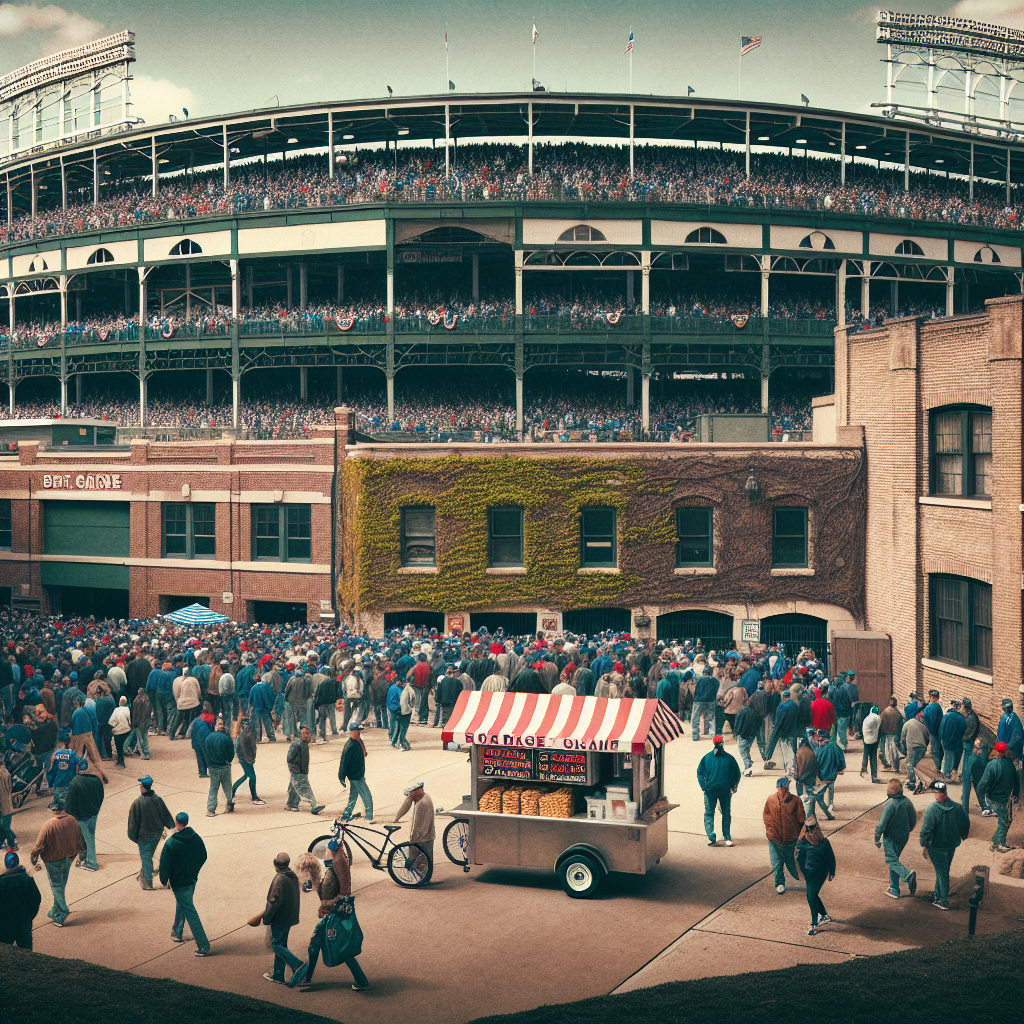
Attending a day game at Wrigley Field today is a journey into baseball’s golden age. From the moment you arrive in Wrigleyville, the ambiance is electric. Streets lined with vendors selling Cubs merchandise, classic ballpark fare, and enthusiastic fans set the tone for an unforgettable experience.
Walking into Wrigley Field, you are immediately struck by its historic beauty. The ivy-covered outfield walls, installed in 1937, and the original hand-operated scoreboard in center field are timeless features that harken back to baseball’s early days. As you find your seat, the excitement builds, and the sight of the perfectly manicured field in the sunlight is a visual treat.
The game-day rituals further enrich the Wrigley Field experience. From the singing of “Take Me Out to the Ball Game” during the seventh-inning stretch to the custom of throwing back an opposing team’s home run ball, these traditions create a sense of camaraderie among fans. The lively atmosphere is amplified during day games, where the natural light and pleasant weather contribute to a festive spirit.
For many, Wrigley Field day games are an opportunity to build lasting memories with family and friends. Whether it’s a child’s first game, a birthday celebration, or a regular part of a summer tradition, the experience is always special. The ballpark’s intimate and nostalgic feel offers a connection to the sport’s roots, providing a different ambiance than the high-energy of modern mega-stadiums.
Local businesses in Wrigleyville also play a significant role in the day game experience. Before and after the game, fans flock to the neighborhood’s bars, restaurants, and shops. Iconic establishments like The Cubby Bear and Murphy’s Bleachers offer a place to gather, celebrate victories, or commiserate losses, making every game day a community event. This sense of connection and continuity defines the timeless charm of Wrigley Field day games.
Challenges and Controversies
Despite its cherished status, the tradition of Wrigley Field’s day games has not been without challenges and controversies. The resistance to installing lights was a major point of contention for decades. Neighbors concerned about increased traffic and noise, as well as traditionalists opposed to change, led a passionate opposition, culminating in legal battles and public debate.
Another challenge has been balancing the needs of a modern sports franchise with the maintenance of historical traditions. The limitations of hosting primarily day games in an era dominated by prime-time television broadcasts required creative scheduling and negotiations with Major League Baseball. The pressure to compete financially with other teams that benefited from night game revenue tested the Cubs’ commitment to their day game tradition.
Additionally, the aging infrastructure of Wrigley Field itself has posed significant challenges. Renovating the ballpark to meet contemporary standards while preserving its historic elements has been an ongoing effort. Ensuring the safety and comfort of fans, players, and staff has required substantial investment and careful planning.
Despite these issues, the Cubs organization and the broader Chicago community have remained dedicated to the preservation of Wrigley Field and its day game tradition. Through concerted efforts, compromises, and innovative solutions, the challenges faced have been addressed while maintaining the ballpark’s unique character. The commitment to preserving day games demonstrates the enduring value placed on tradition and the deep connection to baseball’s history.
The Future of Day Games at Wrigley Field
As Wrigley Field continues to evolve, the future of its day games tradition remains a topic of interest and importance. While night games have become a regular part of the Cubs’ schedule, the emphasis on day games persists, ensuring that future generations can experience their unique charm.
Going forward, balancing modernization with tradition will be key. Enhancements to the ballpark, such as improved seating, state-of-the-art amenities, and expanded facilities, are necessary to keep the venue competitive and comfortable for fans. However, these upgrades are being implemented with a mindful approach to preserving the historic essence of the ballpark.
The Cubs organization has shown a strong commitment to community engagement, recognizing the important role that Wrigley Field plays in the Wrigleyville neighborhood. Initiatives that support local businesses and foster community events help maintain the vibrant atmosphere that defines game days. This focus ensures that Wrigleyville remains a destination for both baseball fans and casual visitors.
Moreover, the passion of Cubs fans worldwide reinforces the significance of day games at Wrigley Field. Their loyalty and enthusiasm drive the ongoing efforts to honor the ballpark’s storied past while looking toward the future. The immersive experience of a day game at Wrigley Field continues to captivate new fans while providing long-time supporters with a cherished ritual.
Ultimately, as Wrigley Field adapts to modern expectations, the heart of the day game tradition endures. The ballpark stands as a living monument to baseball’s rich history, offering an authentic and timeless experience that connects fans with the sport they love. The future of Wrigley Field day games looks bright, ensuring that they remain a cherished aspect of Chicago’s baseball culture for years to come.
Conclusion
Wrigley Field’s day games are more than just a scheduling preference—they are a defining component of its legacy. From their origins rooted in necessity to their enduring presence despite modern pressures, day games at Wrigley embody the timeless charm and tradition of baseball. The experience of attending a day game is unparalleled, offering fans a nostalgic journey into the sport’s golden era while fostering community spirit in the vibrant Wrigleyville neighborhood.
The challenges and controversies faced over the years have only strengthened the resolve to preserve this cherished tradition. Through innovation and dedication, Wrigley Field has balanced the demands of the modern era with the maintenance of its historical integrity. Today, the ballpark stands as a testament to the enduring allure of day games, providing fans with unforgettable memories and a deeper connection to baseball’s roots.
As the Cubs look to the future, the commitment to day games ensures that this tradition will continue to thrive. Enhancements to the ballpark and community engagement initiatives reflect a thoughtful approach to honoring Wrigley Field’s legacy while adapting to contemporary expectations. The passion of Cubs fans around the world fuels the ongoing celebration of day games, solidifying their place as a beloved aspect of Chicago’s sports culture.
In the end, Wrigley Field’s day games are a reminder of what makes baseball special. They capture the essence of the sport in its purest form, providing an intimate and timeless experience that transcends generations. Whether you are a lifelong Cubs fan or new to the game, attending a day game at Wrigley Field is a tradition that offers a unique glimpse into the soul of baseball, preserving its magic for future fans to enjoy.