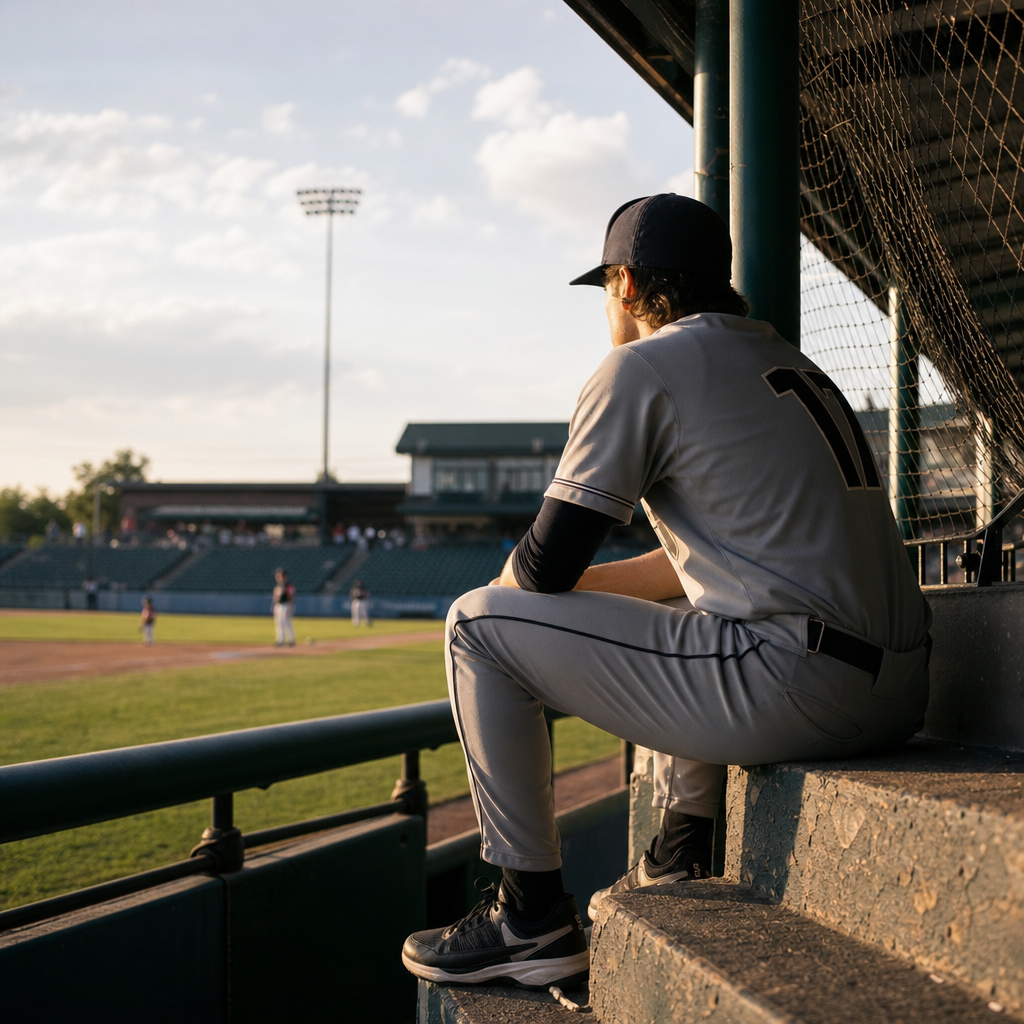
The minor league journey is baseball’s longest proving ground, a daily test of talent, patience, and resilience that shapes future stars, lifers, coaches, and communities alike. In professional baseball, the phrase “minor leagues” refers to the player-development system beneath Major League Baseball, while “college baseball” describes the NCAA, junior college, and NAIA environments that often feed that system. A miscellaneous hub in this context matters because the road from amateur standout to major league contributor rarely follows one clean path. It runs through bus rides, roster cuts, winter leagues, rehab assignments, independent ball, draft disappointments, breakthrough seasons, and, for many players, reinvention. I have covered and worked around player development long enough to know the common public misconception: fans often see the majors as the story and the minors as a waiting room. That is inaccurate. The minors are where players learn to recover after failure, absorb coaching, refine mechanics, handle uneven pay and unstable housing, and perform in front of sparse crowds while still preparing as professionals. Those experiences explain why some first-round picks stall, why overlooked seniors force promotions, and why organizations value adaptability as much as raw tools. For readers exploring minor leagues and college baseball, this hub article connects the miscellaneous but essential topics that define the journey: how prospects develop, what obstacles they face, how affiliates operate, where triumph comes from, and why these stories remain central to the sport’s culture. Understanding that journey makes every box score, promotion, and comeback far more meaningful.
The Real Structure of the Minor League Journey
The modern minor league system is organized by competitive levels, each designed to present a different developmental challenge. Rookie ball and complex leagues introduce newly drafted players and international signees to daily professional routines. Single-A emphasizes foundational skills, High-A raises the tactical demands, Double-A is widely considered the separator for true prospects, and Triple-A functions as both a finishing school and a reserve pool for the majors. College baseball intersects with this pipeline in important ways. SEC and ACC programs may prepare hitters for velocity and breaking-ball quality, while junior colleges often give late bloomers more reps and scouts more reasons to revisit them. In practice, development is not linear. I have seen polished college relievers skip levels because their command translated immediately, while toolsy high school outfielders repeated levels simply to learn swing decisions and defensive routes. The point of the ladder is not prestige; it is exposure to progressively harder baseball and closer scrutiny.
What makes the journey especially demanding is that advancement depends on much more than a batting average or ERA. Organizations use TrackMan, Hawk-Eye, force-plate data, bat-speed readings, and biomechanical evaluations to judge whether performance is sustainable. A hitter batting .310 in Low-A with poor chase control may be less promotable than a hitter batting .250 with elite contact quality and zone discipline. A pitcher with a middling ERA but a high induced vertical break fastball and improving strike percentage might be viewed as a future major league contributor. That can be frustrating for players and fans, yet it explains many seemingly puzzling moves. The minors are not only about winning games that night. They are about building skills that will survive against major league competition. That tension between development and immediate results defines almost every perseverance story in the system.
Perseverance Begins with Daily Hardship
Stories of perseverance in minor league baseball are not abstract motivational slogans; they are grounded in repetitive strain and logistical difficulty. Players often move cities with little notice, share cramped apartments, stretch meal money, and spend long hours on buses before playing that same evening. Even after salary improvements in recent years, the lifestyle remains demanding compared with the glamour associated with professional sports. Before MLB required teams to provide housing for many minor leaguers, housing instability was one of the most common stressors in the game. That change helped, but it did not eliminate the mental burden of constant relocation and occupational uncertainty. A player can go 0-for-12, hear rumors of a release, and still be expected to report early for cage work and defensive drills.
Injuries add another layer of adversity. UCL tears, hamate surgeries, oblique strains, and shoulder fatigue can interrupt a season at the exact moment a player seems ready to break through. Rehab assignments are usually framed as procedural transactions, yet they are often emotionally difficult. The player returning from injury is trying to trust his body, reclaim timing, and prove he still belongs on the organizational depth chart. I have watched players celebrate what fans would consider tiny milestones: a clean inning after surgery, a stolen base without hesitation, a week of pain-free swings. Those moments matter because the minor league journey rewards players who can absorb setbacks without losing their process. That is the true backbone of perseverance in this world.
How Triumph Actually Happens
Triumph in the minors is rarely a sudden movie-style ending. More often, it is incremental, technical, and earned through adjustments that outsiders barely notice. A reliever may finally unlock his career by moving to the first-base side of the rubber, which changes the angle of his slider and makes his fastball play up. A catcher may gain organizational trust by improving one-knee receiving technique and game-planning accuracy rather than by hitting more home runs. A former college starter may become a fast-rising bullpen piece once his arsenal is optimized for shorter outings. Real player development is full of these pivots, and organizations that identify them quickly tend to outperform those relying only on draft pedigree.
Consider common breakthrough patterns. Hitters often improve after addressing swing decisions instead of swing mechanics. Coaches may focus on reducing chase rate, hunting damage in specific zones, and building plans against certain pitch types. Pitchers often break out by sharpening one carrying pitch and aligning the rest of the mix around it. This is why stories of triumph can come from unexpected places: the undrafted senior sign who adds two miles per hour through a strength program, the backup infielder who becomes indispensable because he handles three positions well, or the veteran Triple-A player who earns a call-up when roster needs finally match his skill set. Triumph does not always mean stardom. In the minors, triumph can mean reaching Double-A after being told you were too small, returning from two surgeries to post a full season, or carving out a ten-year professional career by staying useful and coachable.
The Many Paths Players Take
No single route defines success in minor league and college baseball. Some players are high draft picks from powerhouse programs and advance quickly because they entered pro ball with mature approaches. Others emerge from smaller schools, summer leagues, or junior colleges after scouts missed them the first time. Independent leagues also matter more than many fans realize. They provide roster space for released prospects, late bloomers, and veterans seeking one more affiliated opportunity. Organizations regularly sign players from the Atlantic League and Frontier League when data, velocity gains, or visible skill changes justify another chance. The transfer portal in college baseball has also changed the map, giving players who were buried on one roster an opportunity to find playing time, improve, and raise their draft stock elsewhere.
| Path | Typical Challenge | Common Breakthrough |
|---|---|---|
| Power-conference college player | High expectations and quick evaluation | Fast promotion through polished skills |
| Junior college player | Less national visibility | Scouts notice tools after regular reps |
| Small-school standout | Questions about competition level | Summer league success validates performance |
| Independent league veteran | No affiliated roster security | Velocity jump or swing change earns contract |
| Injured former prospect | Rebuilding health and trust | Strong rehab and role adjustment restore value |
These paths matter because the hub for miscellaneous topics should not flatten the baseball experience into prospect rankings alone. Rankings are useful, but they are snapshots. The journey is broader. It includes the fifth-year senior who gets drafted after adding strength, the catcher converted from the infield, the two-way player asked to choose one lane, and the organizational player who becomes a respected mentor in a clubhouse full of teenagers. Every affiliate has these stories, and they explain why development systems are ecosystems rather than conveyor belts.
Teams, Coaches, and Communities Behind the Journey
Player perseverance does not happen in isolation. Minor league coaches, coordinators, athletic trainers, strength staff, mental skills coaches, nutrition personnel, and clubhouse managers all influence whether a player stabilizes or drifts. The best organizations align instruction from the complex league to Triple-A so players hear a consistent message. When that alignment is missing, progress slows. A hitter told by one coach to lift everything and by another to prioritize line drives can lose months to confusion. Consistency in communication is a competitive advantage, which is why successful player-development departments increasingly rely on shared terminology, objective benchmarks, and individualized plans.
Communities also play a larger role than outsiders assume. Minor league towns keep baseball intimate and human. Fans can watch a rehabbing major leaguer, a first-year draftee, and a 29-year-old journeyman in the same lineup. Local host families, billet arrangements in some settings, booster networks around college programs, and loyal ballpark staff help players endure a transient life. These environments create memories that outlast transactions. Ask former players what they remember most, and many will mention not only promotions but also host families, teammates, and small-city clubhouses where they learned professionalism. For a sub-pillar hub, this matters because minor league baseball is more than a feeder system; it is a civic institution tied to affordable entertainment, regional identity, and the everyday labor of becoming excellent at something difficult.
Why These Stories Matter to Fans and Future Players
The enduring appeal of the minor league journey lies in its honesty. Unlike the polished certainty often projected at the top of the sport, the minors expose development in real time. Failure is visible, adjustments are constant, and success is conditional rather than guaranteed. That makes these stories deeply relevant to fans, parents, amateur players, and anyone interested in performance under pressure. If you follow college baseball recruiting, the MLB Draft, prospect promotion patterns, or affiliate-level trends, you quickly learn that tools alone do not decide careers. Availability, coachability, emotional regulation, and the ability to make specific adjustments often decide who lasts.
For readers using this miscellaneous hub as a starting point, the key takeaway is simple: perseverance and triumph in minor league baseball are built through structure, support, and adaptation. The system tests every part of a player’s identity, from mechanics and physical durability to confidence and professionalism. Some players reach the majors. Many do not. Yet the journey still produces meaningful victories, including education, leadership, renewed careers, and communities bonded around the game. Explore the related articles in this minor leagues and college baseball hub to go deeper into player development, affiliate life, draft strategy, college pathways, and the overlooked stories that make baseball’s ladder so compelling. The more you understand the journey, the more every promotion, comeback, and late-career breakthrough will mean.
Frequently Asked Questions
What makes the minor league journey such a powerful test of perseverance?
The minor league journey is powerful because it asks players to prove themselves every single day, often without the comfort, stability, or recognition that comes with the major leagues. Unlike the glamorous image many fans associate with professional baseball, life in the minors is built around long bus rides, modest salaries, crowded schedules, constant evaluation, and the pressure of knowing that every at-bat, inning, or defensive play can influence the next opportunity. It is a development system, but it is also a filtering system. Players are expected to improve while competing against others who are equally determined to move up.
What makes this path especially meaningful is that perseverance in the minors is not only about surviving failure. It is about learning how to respond to setbacks over and over again. A top prospect may struggle after a promotion. A late-round draft pick may need years to earn attention. An undrafted player may have to outperform expectations at every level just to remain in the conversation. Injuries, roster moves, coaching changes, and mental fatigue all become part of the journey. The players who endure often do so because they develop discipline, adaptability, and emotional toughness, not just raw talent.
That is why the minor leagues produce so many compelling stories. For some athletes, the reward is reaching Major League Baseball. For others, triumph comes in a different form: extending a career, becoming a respected teammate, transitioning into coaching, or simply proving they belonged in professional baseball. The journey matters because it shapes identity as much as it shapes skill. It reveals who can keep going when progress is slow, uncertain, and hard-earned.
How does college baseball fit into the path to the minor leagues?
College baseball is one of the most important entry points into the minor league system because it helps players develop physically, mentally, and competitively before they begin professional baseball. In this broader landscape, college baseball includes NCAA programs, junior colleges, and NAIA schools, all of which can serve as stepping stones to the professional ranks. These environments give players regular game experience, exposure to advanced coaching, strength training, and the chance to mature against strong competition before entering the draft or signing as free agents.
For many players, college baseball is where their professional potential becomes clearer. Some athletes arrive on campus as polished prospects and improve their draft stock against elite competition. Others are overlooked out of high school and use college as a place to add strength, refine mechanics, sharpen pitch recognition, or learn how to handle pressure. Junior colleges can be especially valuable for players seeking immediate playing time or a second chance, while four-year programs often offer a longer runway for development and visibility. In all cases, college baseball can prepare players for the structure and demands of the minor leagues.
The connection between college baseball and the minors also matters because the route to professional baseball is rarely identical from one player to the next. Some players are drafted out of high school, some out of major Division I programs, some from smaller schools, and some from nontraditional backgrounds. That is where a miscellaneous hub of information becomes useful in understanding the full journey. The road from amateur standout to professional contributor is not linear. It includes different entry points, different development timelines, and different forms of adversity. College baseball is not the only path, but it is one of the most significant proving grounds feeding the minor league system.
Why do so many minor league stories focus on resilience rather than just talent?
Talent opens the door in professional baseball, but resilience often determines how long a player stays in the room. The minor leagues are full of gifted athletes, including former high school stars, college standouts, international signees, and top draft picks. What separates players over time is frequently their ability to handle difficulty. Baseball is already a sport built on failure, and the minor league environment intensifies that reality because development is not always steady or predictable. A hitter can lose confidence during a long slump. A pitcher can spend months rebuilding command after an injury. A player can perform well and still be passed over because of organizational depth.
Resilience matters because advancement in the minors depends on far more than one hot streak or one impressive season. Players must make adjustments repeatedly as they move from level to level and face smarter opponents, sharper scouting reports, and more refined competition. They have to accept coaching, respond to criticism, maintain routines, and stay prepared even when their role changes. In many cases, the emotional challenge is just as significant as the physical one. The uncertainty of promotions, releases, demotions, and rehab assignments can test a player’s confidence and sense of purpose.
That is why the most memorable minor league stories are often stories of resilience. Fans and communities connect with players who keep showing up, keep working, and keep believing despite obstacles. Triumph in this setting is not always dramatic or immediate. Sometimes it is returning from injury, reinventing a pitch mix, learning a new defensive position, or finally earning a promotion after years of effort. These moments resonate because they reflect the deeper truth of minor league baseball: success is rarely handed out, and perseverance is often the trait that keeps a dream alive.
What does success in the minor leagues actually look like?
Success in the minor leagues is often broader and more nuanced than simply reaching the major leagues. Of course, for many players, the ultimate goal is to make it to MLB, and that remains the clearest public measure of achievement. But within the player-development system, success can also mean making meaningful improvements, earning promotions, staying healthy through a full season, becoming a dependable contributor, or learning how to compete at a higher level. Because the minor leagues are designed to develop players rather than merely showcase finished products, progress is often measured in growth as much as in statistics.
For example, a pitcher may post average numbers while making major gains in command, pitch sequencing, or velocity management. A position player might hit for a lower average but show improved plate discipline, defensive versatility, and situational awareness that make him more valuable to an organization. Coaches and front offices often evaluate underlying development markers that fans do not immediately see. This is why a player’s journey can be considered a triumph even before any major league debut takes place. Improvement, adaptation, and sustainability are all signs that the process is working.
Success also looks different depending on the person. Some players become respected veterans in the minors and help younger teammates navigate the game. Some transition into scouting, coaching, player development, or leadership roles after their playing careers. Others become beloved figures in local communities, where minor league baseball creates strong, personal connections between teams and fans. In that sense, triumph in the minors can be competitive, professional, and deeply human all at once. The journey leaves a mark not only on those who reach the top, but also on those who help sustain the game along the way.
Why do minor league baseball stories matter to fans and communities?
Minor league baseball stories matter because they bring fans closer to the real, unfiltered heart of the sport. At this level, baseball feels immediate and personal. Fans are not just watching established stars perform on a national stage; they are witnessing players fight for opportunity, identity, and advancement in real time. That creates a unique emotional connection. A fan may see a player early in his career, follow his setbacks and growth, and later watch him reach the majors. Even when that promotion never comes, the effort itself often leaves a lasting impression because it reflects commitment, humility, and hope.
Communities also play a major role in giving the minor league journey its meaning. Minor league teams are woven into local culture in ways that go beyond wins and losses. Ballparks become gathering places. Families return year after year. Players interact more directly with fans, sign autographs, visit schools, and become recognizable faces in town. This closeness allows communities to share in the ups and downs of a player’s development. A comeback from injury, a breakout season, or a farewell after a promotion can feel deeply personal because the audience has been part of the story.
These stories matter on a larger level, too, because they reveal how baseball sustains itself across generations. The minor leagues are where future major leaguers are shaped, where overlooked players find chances, and where baseball’s values of patience, resilience, adjustment, and teamwork are tested daily. They also remind fans that triumph is not always defined by fame. Sometimes it is found in endurance, in growth, and in the impact a player or team has on the people around them. That is why the minor league journey continues to resonate so strongly: it is about ambition, but it is also about belonging, persistence, and the shared experience of chasing something difficult and worthwhile.