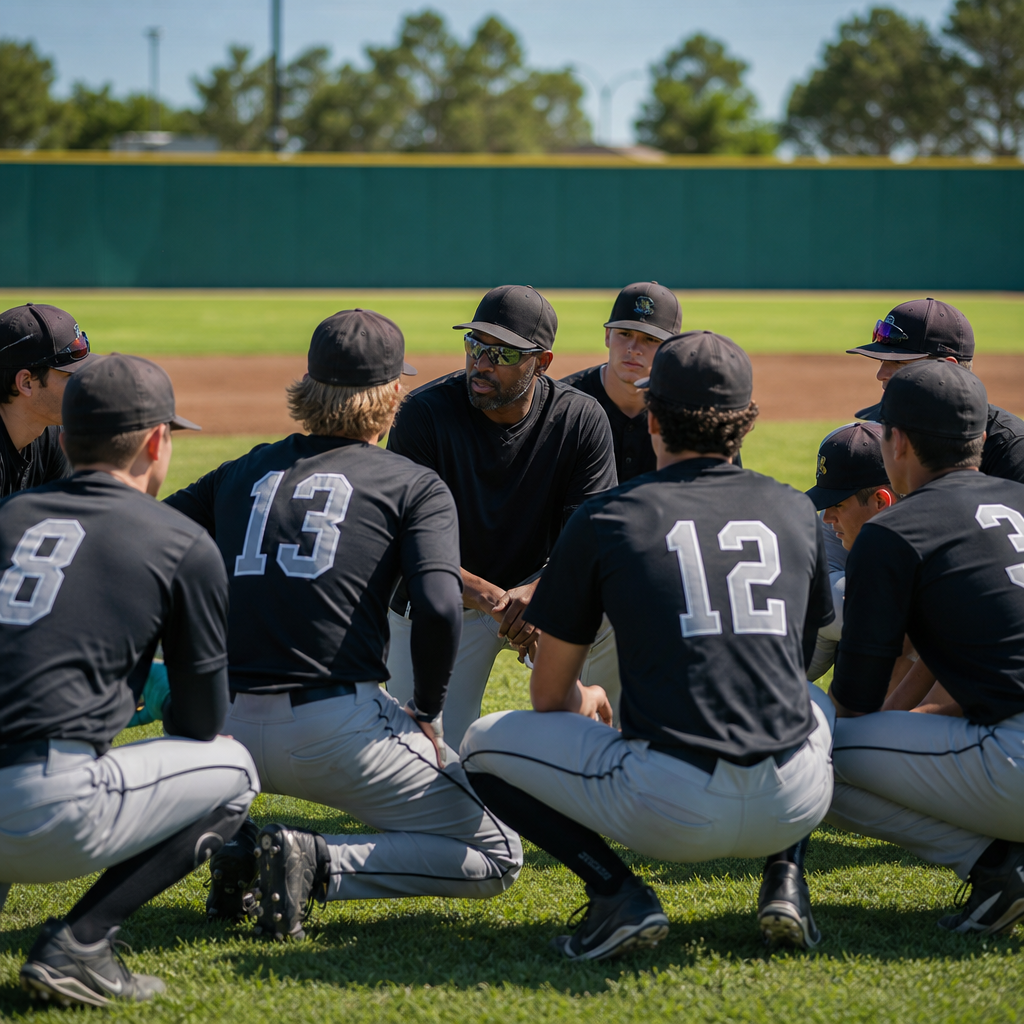
College baseball is changing faster than at any point I have seen in years around the sport, and those changes reach far beyond batting averages, weekend rotations, or the road to Omaha. “Progressive moves” in college baseball means the modern policies, technologies, player welfare standards, recruiting reforms, and equity initiatives that are reshaping how programs operate. For readers exploring the broader Minor Leagues and College Baseball landscape, this miscellaneous hub explains the developments that connect everything else: rules, resources, visibility, athlete rights, coaching methods, and the growing relationship between amateur and professional pathways.
These changes matter because college baseball now sits at a critical intersection. It remains a developmental environment, a campus-based competition, a draft pipeline, a media product, and for many players a life-defining educational experience. Decisions about transfer rules, scholarship structures, conference realignment, facility investment, and sports science now influence roster construction just as much as scouting reports do. When administrators or coaches fail to adapt, programs fall behind quickly. When they adapt intelligently, they improve retention, health outcomes, player development, and long-term competitiveness.
In practical terms, the sport is moving toward more transparency and more specialization. Coaching staffs use force plates, bat sensors, motion-capture assessments, and individualized throwing plans. Recruiting has become data-driven, but also more regulated. Players increasingly expect support in nutrition, mental performance, academic planning, and branding opportunities. Fans expect broader streaming access, better storytelling, and clearer postseason formats. Even discussions once considered peripheral, such as travel burdens, climate risk, and facility accessibility, now affect the health of the game. Understanding these shifts is essential for anyone following college baseball seriously.
This hub article surveys the most important miscellaneous trends shaping modern college baseball and links conceptually to deeper subtopics across player development, governance, and the connection to the minor leagues. The goal is simple: explain what is changing, why the changes are happening, what tradeoffs exist, and which developments are likely to have lasting impact. Progressive change in college baseball is not one single reform. It is a collection of practical moves that, together, are redefining the sport’s future.
Player Development Has Become More Individualized and Measurable
The clearest progressive move in college baseball is the shift from generic practice plans to individualized development systems. In many programs, every player now has a performance profile built from objective testing and ongoing review. Coaches track exit velocity, chase rate, spin efficiency, vertical break, sprint speed, recovery markers, and workload history. Tools such as TrackMan, Rapsodo, Blast Motion, KinaTrax, and force-plate testing have become common at well-funded programs and are spreading down the division structure. The reason is straightforward: data helps coaches separate noise from actual growth.
From my experience around player development environments, the best staffs do not use technology as decoration. They use it to answer practical questions. Can a pitcher add velocity without increasing injury risk? Is a hitter’s swing decision problem mechanical, visual, or tactical? Does a reliever need a shape change on a breaking ball or simply better fastball location? Progressive programs pair the data with video, communication, and realistic goal setting. That matters because numbers without context can create confusion, while integrated development plans create improvement.
College baseball also mirrors the minor leagues in how it builds athletes over multiple years. Freshmen often arrive physically underdeveloped or technically raw. Strong programs use periodized strength training, sleep education, nutrition planning, and arm-care routines to move players from talent to performance. Driveline-influenced pitching models, constraint-led hitting drills, and individualized defensive reps are now part of the vocabulary. The tradeoff is that technology can widen the gap between resource-rich programs and schools with limited budgets, but the broader trend is positive because it replaces guesswork with evidence.
Roster Mobility, Recruiting Reform, and Eligibility Rules Are Rewriting Team Building
If player development is the first major change, roster management is the second. Transfer movement has altered how coaches build and maintain teams. Instead of relying almost entirely on high school recruiting classes, many staffs now recruit their own roster every offseason while also scanning the transfer portal for immediate needs. A program can address a weekend rotation vacancy, find an experienced catcher, or add left-handed power in months instead of waiting years. That flexibility can make teams more competitive quickly, but it also increases volatility and retention pressure.
Recruiting reform has changed timelines as well. Earlier eras were marked by accelerating commitments from very young prospects, often before full physical and academic development could be assessed. More structured recruiting calendars and contact rules aim to reduce that chaos. They do not eliminate pressure entirely, but they create a fairer framework for players and families trying to make informed decisions. Coaches benefit too, because evaluations made later in a player’s development cycle are generally more accurate than those made too early.
Eligibility rules, redshirt usage, and waiver decisions also play larger roles than casual fans realize. A roster may include true freshmen, draft-eligible sophomores, graduate transfers, and players with extra eligibility from prior disruptions. That complexity affects scholarship allocation, playing time, and clubhouse dynamics. The best coaches communicate roles honestly and update plans regularly. Progressive team building is not just about acquiring talent. It is about balancing age, experience, upside, and continuity in a way that supports both winning and player development.
Scholarships, Cost Pressures, and Resource Gaps Are Central to the Sport’s Future
College baseball’s progress cannot be discussed without addressing money. Baseball has long operated under scholarship limitations that force many programs to divide aid among numerous players rather than fully fund large portions of a roster. That creates a complicated financial reality for families and can shape recruiting decisions as much as competitive results do. In practical terms, two schools may offer similar baseball opportunities while presenting dramatically different net costs after institutional aid, academic scholarships, and need-based support are considered.
Resource disparities also define the landscape. Power conference schools often invest in player lounges, indoor labs, advanced analytics staff, charter travel, and full-time nutrition support. Mid-majors and smaller programs may rely on shared facilities, tighter travel budgets, and leaner support staffs. Yet progressive change is not limited to wealthy schools. Some of the smartest programs I have seen succeed by focusing on clear identity: efficient recruiting regions, strong junior college relationships, disciplined player development plans, and smart use of affordable technology like high-speed video and structured workload tracking.
The table below shows how different resource categories often influence modern college baseball operations.
| Resource Area | Higher-Investment Program | Lower-Budget Program | Competitive Impact |
|---|---|---|---|
| Analytics | Dedicated analysts, integrated data systems | Shared staff, limited subscriptions | Improves scouting, player plans, and in-game decisions |
| Facilities | Indoor labs, recovery rooms, premium surfaces | Basic cages, shared weight rooms | Affects development time and recruiting appeal |
| Travel | Reduced fatigue through efficient scheduling | Longer bus trips, tighter itineraries | Influences recovery, academics, and performance |
| Support Services | Nutrition, mental skills, academic specialists | General campus services only | Shapes retention, health, and readiness |
Financial pressure affects more than recruiting. It can influence whether programs survive, expand scheduling opportunities, or add staff expertise. As conferences realign and athletic departments reassess budgets, baseball must continue making the case that it is a developmental sport with community value, regional relevance, and a strong connection to professional baseball.
Player Welfare Now Includes Mental Skills, Workload Management, and Better Daily Support
One of the healthiest changes in college baseball is the broader definition of player care. A generation ago, support often centered on basic athletic training and toughness rhetoric. Today, serious programs understand that performance and welfare are linked. Mental performance coaches, sports psychologists, registered dietitians, and more sophisticated athletic training departments now shape daily routines. This is not cosmetic. Anxiety, sleep disruption, academic stress, injury recovery, and identity challenges can directly affect on-field execution and long-term well-being.
Workload management has improved as well. Pitch counts alone are no longer enough. Staffs monitor acute and chronic throwing volume, recovery timing, velocity fluctuations, and subjective fatigue. Some use wellness questionnaires or wearable data, while others rely on detailed communication and standardized post-throw protocols. The goal is not to eliminate all risk, which is impossible in an overhead throwing sport, but to identify warning signs sooner and build routines that support durability. Arm care is now a system, not a bucket of bands in the dugout.
Nutrition is another area where progress is visible. Better meal planning, fueling education, hydration standards, and postgame recovery options can change body composition and late-season resilience. Players who once skipped breakfast or under-fueled around classes now receive more structured guidance. The limitation, again, is access. Not every school can fund the same level of service. Still, the direction is clear: progressive college baseball recognizes that healthier athletes learn better, recover better, and compete better.
Visibility, Media Access, and the Fan Experience Are Expanding the Sport’s Reach
College baseball used to be easier to follow locally than nationally. That has changed significantly. Conference networks, streaming platforms, improved score data, social media clips, and team-produced content have made the sport more accessible to fans, recruits, scouts, and families. A Friday night start from a regional contender can now reach viewers across the country, and a standout performance can circulate online before the final out is recorded. That visibility helps programs build identity and helps players gain recognition beyond traditional baseball hotbeds.
Media growth also changes expectations. Fans want clean broadcasts, accurate graphics, informed commentary, and reliable archives. Recruits want to see how a program presents itself publicly. Professional scouts benefit from easier access to video, though live evaluation remains essential. Coaches can no longer treat communication as an afterthought. Programs that explain their culture, celebrate development stories, and highlight academic and community contributions build stronger brands. In recruiting terms, that brand can become a meaningful advantage.
At the same time, visibility creates pressure. Players are more public, mistakes circulate faster, and criticism can become constant. Programs need media literacy and social media guidance, not just highlight packages. The most progressive staffs set boundaries around online engagement and help athletes understand that attention is useful only when it supports performance, education, and long-term opportunity. Exposure is a tool, not a mission in itself.
The Connection Between College Baseball and the Minor Leagues Is Tightening
For a sub-pillar hub under Minor Leagues and College Baseball, the most important structural point is this: college baseball and the minor leagues are no longer parallel worlds. They are deeply linked systems in player evaluation, development language, medical planning, and career decision-making. Professional organizations increasingly expect college players to arrive with stronger data literacy, clearer self-awareness, and more polished routines. College programs, in turn, borrow heavily from pro-style development models, from pitch-design sessions to individualized strength cycles.
The MLB Draft is the clearest intersection, but not the only one. Summer leagues, scouting combines, analytics-driven showcases, and relationships with pro scouts all influence how college players are viewed. A pitcher who learns to understand induced vertical break, extension, and fastball shape in college transitions more smoothly into a pro development environment. A hitter trained to interpret swing decisions and attack zones is often easier to onboard than one taught only generic aggressiveness. These details matter because the modern draft process values not just raw tools but developmental readiness.
There are tradeoffs. Heavy professional influence can push some programs toward short-term draft outcomes over complete educational experiences. It can also encourage overemphasis on measurable traits. The best college environments resist that imbalance. They prepare players for professional baseball without forgetting that most athletes will not play in the major leagues. Success should include degrees earned, durable bodies, stronger habits, and career readiness beyond the field.
Inclusion, Governance, and Long-Term Sustainability Will Define the Next Era
Progressive change in college baseball also includes who gets access to the sport, who feels welcome in it, and how responsibly programs are governed. Inclusion is not a side issue. Baseball has long wrestled with participation barriers tied to travel-ball costs, geographic exposure, and unequal access to instruction. Colleges that widen recruiting networks, evaluate more than showcase pedigree, and invest in outreach can uncover overlooked talent while broadening the sport’s base. That is both ethically sound and competitively smart.
Governance matters just as much. Clear compliance systems, transparent communication with athletes, and sound medical decision-making are marks of serious programs. So is scheduling that respects academic demands and travel realities. Climate considerations, especially for early-season play, are becoming harder to ignore as weather volatility increases. Field maintenance, heat protocols, and travel planning all factor into sustainability. Meanwhile, facility upgrades should increasingly consider accessibility, energy use, and year-round functionality rather than prestige alone.
The next era of college baseball will reward programs that can modernize without losing perspective. Data matters, but so does teaching. Exposure matters, but so does privacy. Roster flexibility matters, but so does continuity. Financial ambition matters, but so does broad access. Progressive moves succeed when they improve the athlete experience and strengthen the sport’s foundation rather than simply chasing appearances.
College baseball is being reshaped by smarter development systems, more fluid roster rules, better player support, wider media reach, and a closer relationship with the minor leagues. Those changes are not isolated headlines. Together, they form the new operating model for the sport. Programs that embrace evidence-based coaching, honest communication, and athlete-centered support are better positioned to win consistently and develop players responsibly.
For readers using this page as a miscellaneous hub within Minor Leagues and College Baseball, the main takeaway is that modern college baseball must be understood as an ecosystem. Recruiting, scholarships, analytics, mental skills, visibility, governance, and professional pathways all connect. If you study only one piece, you miss why the sport is changing. If you understand how the pieces fit, team decisions and industry trends become far easier to interpret.
The benefit of following these progressive moves is simple: you will see college baseball more clearly, whether you are a fan, parent, player, coach, or evaluator. Use this hub as your starting point, then continue into the deeper articles on development, recruiting, facilities, player welfare, and the college-to-pro pipeline to build a complete picture of where the game is headed next.
Frequently Asked Questions
What does “progressive moves” in college baseball actually mean today?
In today’s college baseball environment, “progressive moves” refers to the broad set of modern changes that are improving how the sport is governed, taught, funded, and experienced by players. It includes updated recruiting rules, stronger player welfare standards, expanded use of analytics and performance technology, better mental health support, more thoughtful workload management for pitchers, and a growing commitment to fairness and equity across programs. In other words, the game is no longer evolving only on the field through strategy and talent evaluation; it is also changing through policy, sports science, administration, and athlete-centered decision-making.
These changes matter because college baseball sits at the intersection of education, player development, and professional opportunity. Programs are expected to win games, prepare athletes for the next level, and operate in a way that reflects modern expectations around health, transparency, and inclusion. That means progressive change is not just about adding better data tools or changing practice schedules. It is about creating a more sustainable model for athletes and coaches while still preserving the competitive traditions that make college baseball compelling. For fans, recruits, families, and people following the wider Minor Leagues and College Baseball landscape, these developments help explain why the sport feels more sophisticated, more regulated, and more future-focused than it did even a few years ago.
How is technology changing the way college baseball programs develop players?
Technology has become one of the biggest drivers of change in college baseball. Many programs now rely on tools such as high-speed video, motion capture systems, bat and ball tracking devices, force plates, wearable recovery monitors, and advanced data platforms to evaluate performance in far greater detail than traditional observation alone ever allowed. Coaches can break down swing mechanics frame by frame, measure pitch movement with precision, monitor fatigue indicators, and tailor development plans to each athlete’s physical profile. This has changed player development from a largely feel-based process into a much more measurable and individualized one.
The impact is especially visible in pitching and hitting. Pitchers can use data to understand spin efficiency, release characteristics, command trends, and biomechanical risk factors, while hitters can analyze bat speed, attack angle, contact quality, and pitch recognition patterns. Strength staffs and athletic trainers also benefit because they can connect performance data with recovery and injury prevention strategies. The best programs are not simply collecting numbers; they are using those numbers to make smarter choices about training volume, game preparation, and long-term development. At the same time, there is growing recognition that technology works best when paired with experienced coaching and clear communication. Data can sharpen decisions, but it still takes knowledgeable staffs to translate that information into practical adjustments that help players perform under real game pressure.
Why are player welfare and mental health becoming such important issues in college baseball?
Player welfare has moved much closer to the center of the conversation because the demands on college baseball athletes are substantial and increasingly visible. Players are expected to balance academic responsibilities, year-round training, travel, competition for playing time, social pressure, and in some cases aspirations for professional careers. Add in the physical toll of repetitive throwing, high-intensity strength work, and long seasons, and it becomes clear why schools and conferences are placing greater emphasis on health, recovery, and support systems. Progressive programs are recognizing that athlete performance and athlete well-being are closely linked, not separate concerns.
Mental health is a major part of that shift. Coaches and administrators are more aware that anxiety, burnout, confidence loss, injury-related stress, and identity challenges can affect players just as much as mechanical flaws or conditioning issues. As a result, many programs are improving access to sports psychologists, counseling resources, recovery education, and more open communication between athletes and staff. The same applies to physical welfare. There is more attention on pitch counts, throwing plans, rest protocols, nutrition, sleep habits, and evidence-based rehab. This approach does not make the sport less competitive; it makes programs more responsible and often more effective. Healthy athletes tend to develop more consistently, handle adversity better, and contribute at a higher level over time. In that sense, player welfare is no longer viewed as an optional add-on. It is becoming a foundational part of successful program building.
How have recruiting reforms changed the college baseball landscape?
Recruiting reforms have had a meaningful impact on how college baseball programs identify and communicate with prospects. In earlier eras, the recruiting process could become aggressive and accelerated, with young players facing pressure to make decisions well before they were fully ready academically, physically, or emotionally. Recent reforms have aimed to bring more structure, clarity, and fairness to that process by regulating when coaches can contact prospects, visit them, or extend certain types of offers and evaluations. The goal is to reduce chaos, create a more manageable timeline, and give athletes and families a better chance to make informed decisions.
These reforms also affect how programs build relationships and evaluate talent. Coaches now have to be more strategic, patient, and organized, often relying on longer-term scouting, academic review, and clearer communication about roster expectations. For athletes, the process can be less rushed and somewhat less confusing, though it still requires careful guidance because college baseball recruiting remains highly competitive. The transfer portal and broader changes in college athletics have added another layer, giving programs more options to address immediate roster needs while also forcing them to balance high school recruiting with transfer evaluation. Altogether, recruiting reforms reflect a wider move toward modernization and accountability. They are not eliminating the pressures of recruiting, but they are helping reshape it into a system that is at least more structured than the one many coaches, players, and parents dealt with in the past.
What role do equity and access initiatives play in the future of college baseball?
Equity and access initiatives are increasingly important because they address who gets to participate in college baseball, who receives meaningful support once on campus, and which programs have the resources to compete and grow. Historically, access to high-level baseball development has not been evenly distributed. Travel ball costs, regional exposure gaps, facility disparities, and uneven institutional investment have all shaped who gets seen and who gets opportunities. Progressive moves in the sport attempt to confront some of those barriers by encouraging broader recruiting pipelines, more inclusive support systems, and stronger institutional commitments to athlete development across different backgrounds and communities.
This also extends beyond recruiting. Equity in college baseball includes fair access to quality coaching, sports medicine, nutrition, academic support, safe facilities, and development technology. It involves creating environments where athletes feel respected and supported regardless of background, and where program leadership reflects an understanding of inclusion and opportunity. For the sport as a whole, these initiatives can expand the talent base, improve retention, and strengthen the long-term health of the game. They also matter from an institutional standpoint, because universities are under increasing pressure to align athletics with broader educational values. While there is still significant variation from one school to another, the general direction is clear: the future of college baseball will be shaped not only by wins, draft picks, and postseason success, but also by how well programs create access, invest in people, and build systems that are both competitive and responsible.