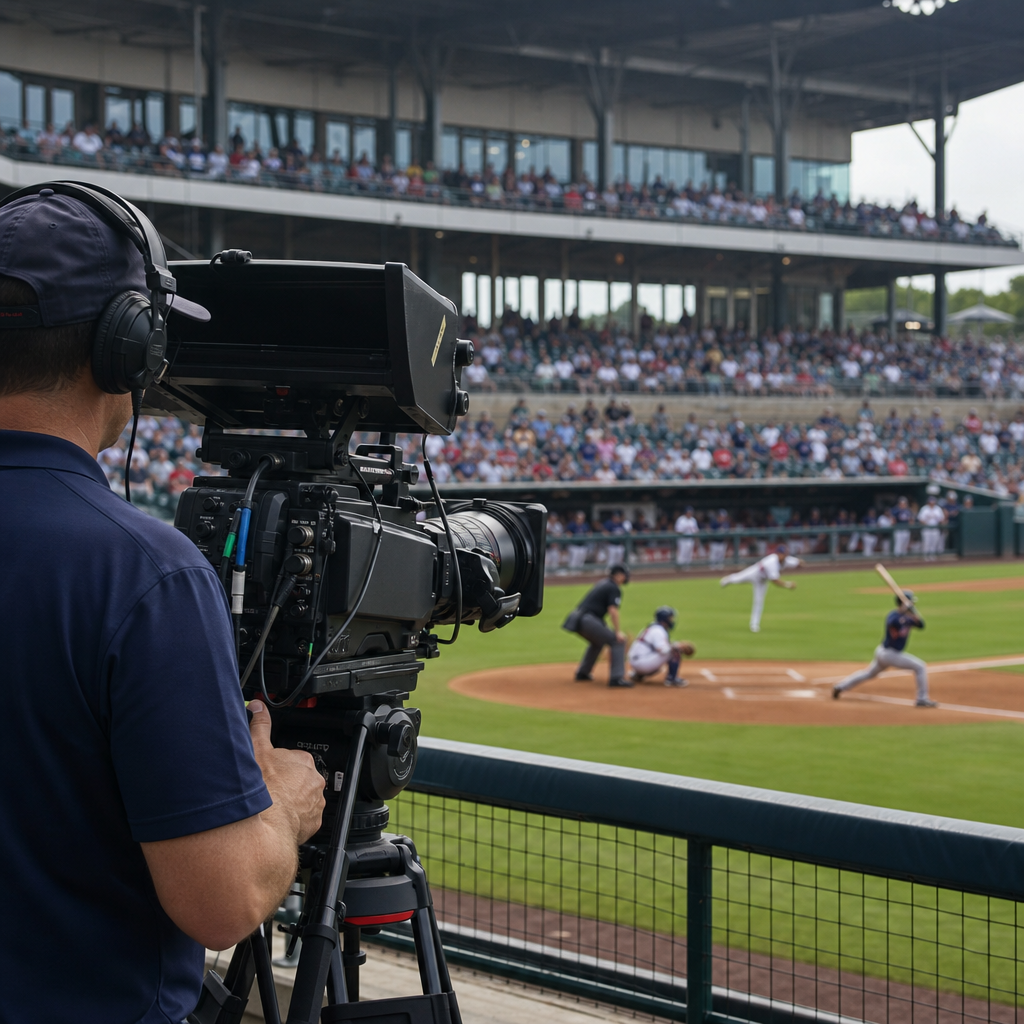
Television and media have transformed college baseball from a regional pastime into a year-round national product, changing how games are scheduled, promoted, watched, and monetized. In this context, television includes traditional broadcast and cable coverage, while media covers digital streaming, social platforms, podcasts, highlights, news sites, and the broader content ecosystem that shapes how fans discover teams and players. For college baseball programs, this shift affects more than exposure. It influences recruiting, conference realignment, postseason access, sponsorship value, coaching visibility, athlete branding, and even the pace and presentation of games.
I have worked around baseball content planning and sports publishing long enough to see the change clearly. Twenty years ago, many excellent programs lived mostly in local newspapers, radio calls, and the occasional regional telecast. Today, a Friday night series can be clipped, discussed, and distributed nationally before the final out. That matters because college baseball sits in a crowded sports calendar. Unlike football, it competes across a long spring season with the NBA, NHL, MLB, March basketball, and a fragmented media market. Any program that wants attention must earn it repeatedly through compelling games, recognizable players, and consistent media presence.
The impact is especially important within the broader minor leagues and college baseball landscape. College baseball now functions as both a destination product and a developmental showcase tied closely to the MLB draft pipeline. Media visibility helps casual fans understand that connection. It also gives schools a way to extend brand reach beyond alumni and local communities. For a miscellaneous hub topic, the key point is simple: television and media are not side issues in modern college baseball. They are central operating forces that shape economics, culture, strategy, and the fan experience from Opening Day through the College World Series.
How Television Expanded the Audience for College Baseball
Television gave college baseball scale. National networks and conference channels turned what was once a largely local sport into something a neutral fan could follow across regions. The SEC Network, ACC Network, ESPN platforms, Big Ten Network, and conference streaming packages increased the number of available games dramatically. That broader inventory created habitual viewing. Fans no longer needed to wait for the postseason to see elite programs. They could watch LSU on Friday, Oregon State on Saturday, and a Sun Belt contender on Sunday, building familiarity with teams outside their own market.
This matters because familiarity drives interest. When viewers repeatedly see programs, coaches, ballparks, and star players, the sport becomes easier to understand and easier to care about. The College World Series in Omaha benefited from that pattern. ESPN’s long-term coverage helped make the event one of the most recognizable championships in college sports. Viewers who followed regular-season games arrived at Omaha with context, which improved ratings and social conversation. In practical terms, television built narratives over months instead of asking the postseason to carry everything.
Game production also changed the way audiences consume baseball. Better camera angles, strike-zone discussion, advanced graphics, and experienced commentators made strategy visible. A casual viewer can now hear why a coach shifted the infield, why a pitcher’s spin profile matters, or how a left-on-left matchup affects late innings. That educational layer is crucial in a sport that can appear slow to unfamiliar audiences. Good television production shortens the learning curve and makes college baseball more accessible without stripping away its nuance.
Media Rights, Revenue, and Program Economics
Media exposure is not only about attention; it is about money and institutional leverage. At the conference level, media rights deals create revenue streams that support facilities, staffing, travel, and recruiting operations. College baseball is rarely the lead driver in those deals, but it benefits from being part of a larger package built around football and basketball. Once a conference owns production infrastructure and distribution, baseball can occupy valuable spring programming windows. That makes the sport more visible while lowering marginal costs of coverage.
At the school level, visibility can help unlock sponsorship and donor support. A televised weekend series gives local and regional sponsors signage value, branded segments, and digital impressions that are much easier to quantify than old-fashioned in-stadium exposure alone. Athletic departments can present concrete evidence: game inventory, audience reach, highlight circulation, and engagement metrics. I have seen this alter internal decision-making. When administrators can point to consistent viewership and sponsor interest, baseball upgrades become easier to justify.
There are limits, though. Not every program benefits equally. Power-conference schools with strong brands and large production budgets receive more slots, higher-quality broadcasts, and better promotion. Mid-major programs often rely on streaming-only distribution, smaller crews, and less consistent commentary. That gap affects perception. A polished broadcast can make a program feel nationally relevant; a poor stream can make even a strong team appear small. Media economics therefore reinforce existing stratification unless conferences and schools invest intentionally in production quality.
| Media factor | Direct effect on college baseball | Real-world implication |
|---|---|---|
| National TV windows | More exposure for marquee series | Higher sponsor value and stronger recruiting visibility |
| Conference networks | Consistent seasonal inventory | Fans can follow teams weekly instead of only in postseason |
| Streaming platforms | Access for smaller programs and niche audiences | Alumni and scouts can watch games from anywhere |
| Social highlights | Rapid distribution of key plays | Players and programs reach casual fans beyond live viewers |
| Production quality | Shapes brand perception | Professional broadcasts make programs look major-league adjacent |
Recruiting, Player Development, and Draft Visibility
Media coverage directly affects recruiting. Prospects want to play in front of large audiences, and families often interpret television exposure as evidence of competitive stature and institutional commitment. Coaches know this. A recruit comparing two similar programs may choose the one with regular national broadcasts, stronger social media storytelling, and a clearer path to becoming known before the MLB draft. Exposure does not replace development, but it can be a tiebreaker.
For player development, regular broadcasts provide useful teaching material. Staffs can review pitch sequencing, defensive positioning, baserunning decisions, and body language through game footage that is often better than internal camera angles used in the past. Public footage also aids scouts. MLB organizations already rely on in-person looks and proprietary data, but broad media coverage helps scouts identify who deserves follow-up. A pitcher whose fastball explodes on a nationally televised game will not stay anonymous long, especially when video clips spread instantly across social channels.
Name, image, and likeness opportunities added another layer. College players with television visibility and strong digital followings can build personal brands more effectively than previous generations. A star shortstop at a visible program can secure local endorsements, appear on team-produced content, and grow an audience through highlight clips and interviews. That visibility can support financial opportunities now and professional reputation later. The tradeoff is pressure. Public performance is magnified, slumps are discussed in real time, and young athletes must learn media discipline quickly.
Scheduling, Rule Presentation, and the Television Product
Television shapes when games are played and how the sport presents itself. Start times often move to fit network windows, with Thursday openers or Sunday finales chosen partly for distribution value. In some cases, that helps attendance by avoiding direct conflict with other campus events. In others, it can create awkward turnaround times for travel, recovery, and class obligations. The effect is not uniformly positive, but the schedule is undeniably more media-conscious than it was in earlier eras.
Broadcast needs also influence presentation. Producers prefer clean pacing, recognizable storylines, and moments that translate to highlights. That does not mean networks control the rules, yet television amplifies every conversation about pace of play, replay, mound visits, pitch clocks, and game length. College baseball has increasingly benefited when telecasts explain these elements clearly. Fans are more tolerant of rule changes when broadcasters connect them to strategy and flow rather than treating them as unexplained interruptions.
The best crews understand that college baseball has distinctive features worth emphasizing: metal bats, energetic dugouts, aggressive baserunning, and intense regional atmospheres. Those traits differentiate the college game from professional baseball. Good television does not try to imitate MLB completely. It packages college baseball on its own terms, highlighting emotion, coaching decisions, and campus environments. That authenticity is one reason postseason crowds and super regional broadcasts feel different and memorable.
Social Media, Streaming, and the Always-On News Cycle
If television gave college baseball scale, digital media gave it speed. Streaming made nearly every program viewable somewhere, even when it lacked a linear TV slot. ESPN+, conference apps, school platforms, and regional services expanded access for alumni, parents, scouts, and dedicated fans. This is especially important for the miscellaneous corners of the sport: midweek games, smaller conferences, developmental stories, and local rivalries that may never draw a major national audience but still matter deeply to their communities.
Social platforms then multiplied the impact of those broadcasts. A walk-off home run, a diving catch, or a 101 mph fastball can circulate within minutes on X, Instagram, TikTok, and YouTube. That clip-first ecosystem changes discovery. Many younger fans encounter teams through short-form video before they ever watch a full game. Programs that understand this treat social media as an editorial extension of the broadcast, not a separate department. They clip quickly, caption accurately, and frame moments with enough context to convert views into lasting interest.
The downside is fragmentation and volatility. Attention is spread across platforms with different algorithms, audience expectations, and copyright constraints. A team may be visible one week and nearly invisible the next if distribution falters or content timing slips. Rumors also move faster than verified reporting. Coaches, players, and athletic departments must respond carefully because a mistaken injury update, transfer report, or lineup rumor can spread widely before formal confirmation. Strong media operations now require both speed and editorial discipline.
Storytelling, Program Identity, and Fan Engagement
Media does more than show games; it tells audiences why games matter. Features on coaching philosophies, player backgrounds, injury comebacks, and rivalry history give emotional weight to the season. In my experience, programs that invest in storytelling outperform their market size. Fans connect faster when they understand who a team is, what style it plays, and which individuals define the roster. That is why behind-the-scenes video, mic’d-up practice clips, documentary-style series, and thoughtful written coverage have become central parts of college baseball communication.
This storytelling strengthens program identity. A school can emphasize tradition, player development, local recruiting roots, analytics, toughness, or ballpark atmosphere depending on its actual strengths. Media then repeats those messages across broadcasts, websites, social posts, and postseason profiles. Over time, identity becomes a recruiting and fundraising asset. Coastal Carolina’s national title run, Vanderbilt’s pitching-development reputation, and Mississippi State’s fan culture all gained additional power because media narratives made them legible to a national audience.
Fan engagement also becomes more measurable through modern media tools. Athletic departments track watch time, click-through rates, subscriber growth, email signups, and social interactions to understand what resonates. Those signals can guide content calendars and in-stadium promotions. The danger is mistaking metrics for loyalty. A viral bat flip is useful, but durable support still comes from consistent winning, clear communication, and authentic connection with the fan base.
Challenges, Inequalities, and What Comes Next
The media boom in college baseball brings real challenges. Resource gaps remain large, and expanded coverage does not automatically create competitive balance. Wealthier programs can hire better creative staffs, build studio spaces, and produce documentary-quality content alongside high-level baseball operations. Smaller schools may depend on students, limited equipment, and inconsistent staffing. Accessibility is another issue. Some fans face subscription fatigue as games spread across cable, conference networks, and multiple streaming services. More availability does not always mean simpler access.
There are also editorial concerns. Broadcasts sometimes drift toward promotional language at the expense of analysis, especially on school-aligned productions. Credible coverage requires balance, accurate injury reporting, and honest discussion of performance. Viewers notice when commentary feels like marketing. The most trusted college baseball coverage combines enthusiasm with clear-eyed evaluation, proper context, and respect for the audience’s knowledge.
Looking ahead, expect more integration of data, betting-adjacent caution in presentation, and smarter personalized distribution. Statcast-style concepts, bat-tracking discussions, and biomechanical language will appear more often as fans become comfortable with deeper analysis. At the same time, college sports leaders will need guardrails around athlete privacy, gambling risk, and over-commercialization. The future of television and media in college baseball is not simply more exposure. It is better, more useful exposure that helps fans understand the game while helping programs grow responsibly.
Television and media now shape nearly every important dimension of college baseball. They expand the audience, drive revenue, influence recruiting, support draft visibility, affect scheduling, and define how programs present themselves to fans and sponsors. They also connect this level of baseball more clearly to the larger minor leagues and college baseball ecosystem, where development, visibility, and long-term opportunity are tightly linked. A televised series is no longer just entertainment. It is branding, evaluation, fundraising, and public storytelling happening at once.
The main benefit is clarity. Better coverage helps fans discover teams, understand strategy, follow players, and stay connected beyond their local market. It also helps programs explain their value to recruits, donors, conference partners, and professional scouts. Still, the strongest results come when exposure is paired with substance: competent production, accurate reporting, strong player development, and authentic storytelling. Media can amplify a program, but it cannot manufacture credibility on its own.
For anyone following this hub within minor leagues and college baseball, use television and media as a lens for understanding the sport’s broader evolution. Watch how coverage shapes perception, where money flows, which programs control their narratives, and how players build visibility before the draft. Then explore the related topics across this sub-pillar to see how broadcasting, scouting, development, and fan culture connect. That is where the modern college baseball story is really being written.
Frequently Asked Questions
How has television changed the visibility and popularity of college baseball?
Television has been one of the biggest forces behind college baseball’s growth from a mostly regional sport into a nationally recognized product. In earlier eras, many programs were followed closely only by local fans, alumni, and nearby media outlets. Expanded broadcast and cable coverage changed that by placing regular-season games, conference tournaments, and postseason matchups in front of much larger audiences. Once fans could consistently watch teams outside their home market, interest broadened beyond traditional baseball regions and helped create a more national fan base.
That visibility also changed the way the sport is marketed and understood. Television gives programs recurring exposure, builds familiarity with coaches and players, and creates storylines that carry from week to week. Rivalries become more compelling when fans can watch them unfold live, and postseason events feel bigger when they are packaged with studio coverage, analysis, and replay-driven storytelling. Over time, that kind of exposure strengthens brand recognition for schools, raises the profile of conferences, and helps college baseball compete for attention in a crowded sports calendar.
Just as important, television has elevated the presentation of the sport. Better camera work, improved graphics, advanced statistics, and expert commentary make the game more accessible to casual viewers who may not already understand roster construction, pitching strategy, or the college postseason format. In short, television did not simply give college baseball more airtime; it reshaped the scale of its audience, improved how the sport is presented, and made it easier for fans across the country to follow teams consistently.
What role do digital media and streaming platforms play in modern college baseball coverage?
Digital media and streaming platforms have expanded college baseball coverage far beyond what traditional television alone could provide. While broadcast and cable networks tend to focus on the highest-profile matchups, streaming services allow more regular-season games, midweek contests, and smaller-market programs to be seen. That means fans are no longer limited to whatever a national network decides to air. They can follow their team throughout the season, watch conference opponents, and keep up with prospects, rankings, and tournament races in much greater detail.
Social platforms, highlight clips, podcasts, news sites, and team-produced content also play a major role in how fans discover and engage with the sport. A single viral defensive play, walk-off home run, or emotional postgame celebration can travel quickly online and introduce a team or player to people who were not actively searching for college baseball content. Podcasts and digital analysis deepen fan engagement by breaking down coaching decisions, player development trends, and conference storylines. Meanwhile, short-form clips and recap packages help maintain attention spans in an environment where many fans consume sports through mobile devices and social feeds.
For programs, this broader content ecosystem creates new opportunities and new expectations. Schools now need strong digital branding, timely social media strategies, and media-ready storytelling to stay visible. Recruits, donors, and casual fans often encounter a program first through its digital presence rather than through a live broadcast. As a result, streaming and digital media are not secondary to television; they are central to how college baseball is consumed, promoted, and discussed year-round.
How do television and media influence scheduling, game times, and the overall college baseball experience?
Television and media partnerships have a direct effect on when games are played and how events are staged. Networks prefer time slots that maximize viewership, which can lead to adjustments in first pitches, tournament windows, and even the sequencing of marquee series. Programs and conferences often coordinate schedules with broadcast partners to place high-interest games in favorable viewing periods, especially on weekends or during postseason play. That can improve exposure, but it also means competitive and logistical decisions are increasingly tied to media value.
The fan experience is affected as well. From one perspective, media-driven scheduling can be a positive because it gives more people access to games at convenient viewing times and allows major matchups to feel like national events. Enhanced production, pregame features, and in-game storytelling can add context and energy. On the other hand, not every schedule change is ideal for athletes, in-person fans, or campus routines. Late-night starts, compressed turnaround times, and altered travel plans can create challenges for student-athletes balancing performance with academics and recovery.
Media influence also shapes how games are presented once they begin. There is often greater emphasis on television-friendly pacing, camera-ready atmospheres, promotional moments, and content hooks that can be shared digitally during and after the game. In that sense, the college baseball experience is no longer defined only by what happens at the ballpark. It is now built around a wider audience that consumes the sport through live broadcasts, second-screen social engagement, highlights, commentary, and postgame coverage.
What financial impact do television and media exposure have on college baseball programs?
Television and media exposure can create meaningful financial benefits for college baseball programs, though the impact varies widely by conference, school brand, and market size. At the broadest level, media rights deals help conferences generate revenue, and strong exposure can improve the commercial value of their baseball inventory. Even when baseball is not the primary driver of a conference’s media contract, regular visibility still matters because it strengthens the overall sports portfolio of the league and gives sponsors more opportunities to connect with fans.
For individual programs, media exposure can support ticket sales, merchandising, fundraising, and sponsorship growth. When a team appears regularly on television or streaming platforms, it becomes easier to build recognition with alumni, local businesses, and national audiences. That familiarity can translate into stronger attendance for home games, greater donor enthusiasm for facility upgrades, and more sponsor interest in associating with a rising brand. A successful televised postseason run, in particular, can have an outsized effect by introducing a program to viewers who may then follow it more closely in future seasons.
There are also indirect economic effects. Better exposure can help with recruiting, which can improve on-field performance over time, which in turn can generate even more attention and revenue opportunities. Media visibility can elevate a program’s place within the university’s broader athletic strategy and make it easier to justify investments in coaching, facilities, travel, analytics, and player support. Still, the financial upside is not evenly distributed. Established programs with strong fan bases and recognizable brands often benefit the most, while smaller schools may gain exposure without seeing the same commercial return. Even so, in today’s environment, media presence is a major factor in a program’s growth potential.
How does increased media attention affect players, recruiting, and the future of college baseball?
Increased media attention has significantly changed the environment for players and recruits. For athletes, more televised games, streaming access, and digital coverage mean more opportunities to showcase their skills to professional scouts, fans, and future supporters of the program. A player no longer needs to be in a traditional power market to gain national attention. If performances are visible online and on television, standout talent can emerge from a much wider range of schools. That greater exposure can help athletes build reputations, strengthen award candidacies, and increase recognition heading into the MLB Draft.
Recruiting has also become more media-driven. Prospective players and their families often evaluate programs not just by coaching staff and facilities, but by visibility, brand strength, and how well a school promotes its athletes. Recruits notice which teams are regularly televised, which programs generate social engagement, and which schools create compelling content around player development and game-day atmosphere. Media presence can signal institutional commitment, relevance, and opportunity. In a competitive recruiting landscape, that matters.
At the same time, constant exposure brings new pressures. Players are more publicly evaluated, coaches operate in a more scrutinized environment, and programs must navigate the demands of branding alongside competition. The sport becomes more vulnerable to trend cycles, hot takes, and attention-driven narratives. Looking ahead, the future of college baseball will likely be shaped by how well programs balance visibility with authenticity. The schools that benefit most will be the ones that use television, streaming, social platforms, and digital storytelling not just to attract attention, but to build sustainable fan relationships, support athletes responsibly, and position the sport for long-term national growth.