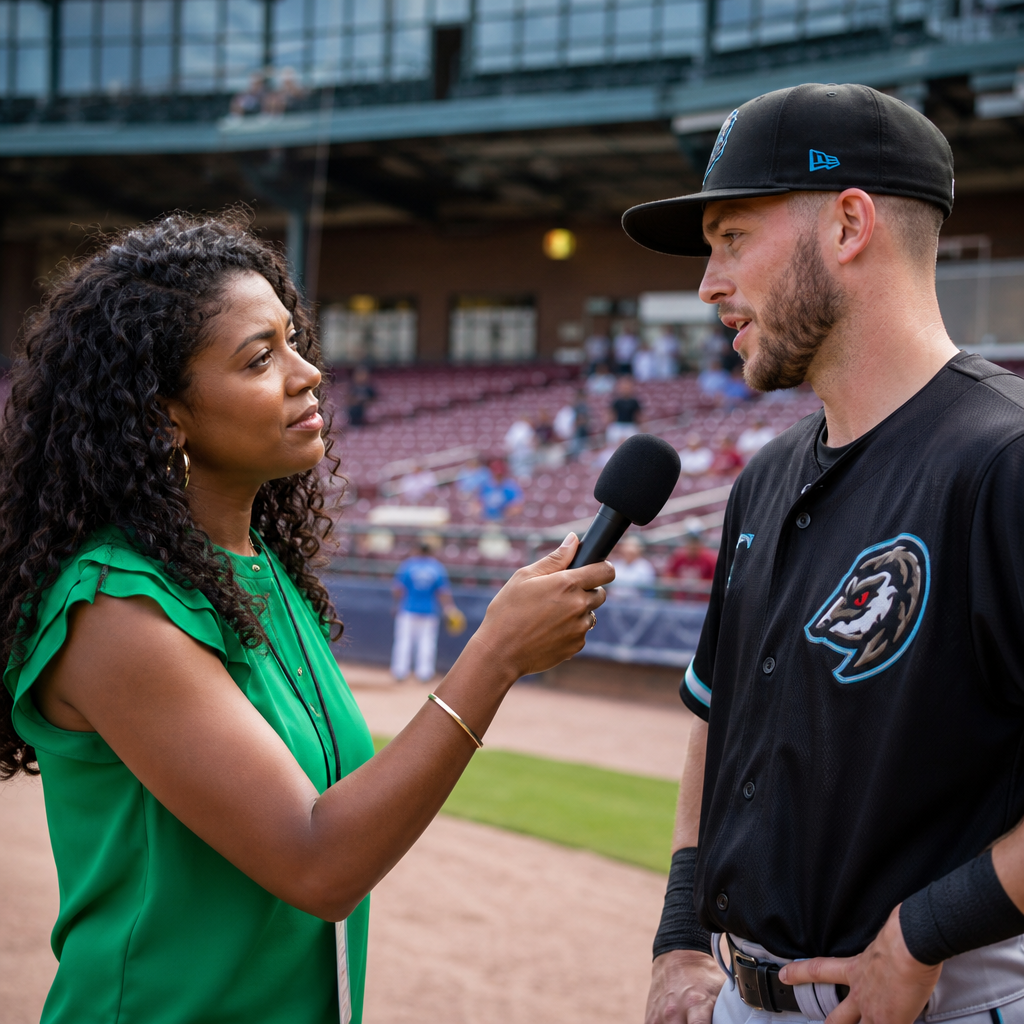
Women in baseball media have transformed how fans understand the minor leagues, turning what was once treated as a box-score sideshow into a rich, human narrative about player development, community identity, and the future of the sport. In this context, baseball media includes beat reporting, broadcasting, podcasting, photography, social video, newsletter writing, public-facing team content, and independent analysis. The minor leagues refer to the layered system below Major League Baseball, from Triple-A to rookie ball, where prospects learn professional routines and towns build lasting relationships with clubs. I have worked with minor league coverage calendars, game notes, interview windows, and clubhouse constraints, and one truth stands out: the people shaping the story shape the audience’s understanding of baseball itself. Women working in this space have expanded who gets quoted, which moments get remembered, and what counts as meaningful baseball reporting.
This matters because the minor leagues are where baseball is most accessible and most vulnerable to being misunderstood. A major league game can survive thin storytelling because television money and star power carry attention. A Double-A series in April cannot. The audience needs context: why a catcher changed his setup, why a reliever is on an innings limit, why a front office promotes a utility player who never appears on top-100 lists, and why a rain delay fundraiser matters to a town economy. Women in baseball media have often filled those context gaps with disciplined reporting and audience-first storytelling. They have built trust with players, coaches, and local readers while explaining player development in plain language. As a hub page for this subject, this article maps the roles, challenges, opportunities, and influence of women covering the minor league game, while pointing to the broader conversations that define this part of baseball culture.
How women changed the scope of minor league coverage
For decades, minor league coverage was frequently limited to transaction notes, gamer recaps, and occasional feature stories when a prospect surged. That approach captured outcomes but missed process. Women entering reporting booths, press boxes, social teams, and broadcast chairs helped widen the lens. Coverage increasingly included nutrition, biomechanics, language learning, travel strain, community events, and the emotional realities of promotion and release. Those topics are not soft alternatives to baseball analysis; they are central to understanding development. A pitcher’s velocity jump means more when tied to a driveline-style offseason plan, a revised arm action, or a new sleep routine. A struggling hitter’s line can be interpreted more accurately when a reporter has established that he is facing upper-level pitching for the first time after a position switch.
Women also helped normalize a more complete source network. Instead of relying only on a manager and postgame stat packet, strong minor league media work now commonly includes coordinators, trainers, clubhouse staff, bilingual conversations, and family-centered reporting where appropriate. That breadth matters in a development environment. When local coverage explains how a player is working on chase rate, receiving metrics, or baserunning reads, fans learn to watch beyond batting average and RBI. This has changed how communities follow affiliates and how parent clubs monitor public understanding of their systems. Better journalism has made better baseball literacy possible.
Key roles women hold across baseball media
Women in minor league baseball media are not concentrated in a single lane. They work as beat writers for local newspapers, digital reporters for league and team sites, play-by-play broadcasters, color analysts, sideline reporters, producers, editors, photographers, videographers, on-camera hosts, newsletter writers, and social media leads. Each role shapes the narrative differently. A beat reporter establishes the daily record. A broadcaster supplies tone, pacing, and immediate explanation for what fans are seeing. A team content producer can introduce a prospect’s background to casual followers who may never read a scouting report. An editor decides whether development, community impact, labor issues, or women’s leadership get sustained attention rather than one-off treatment.
In practice, these jobs overlap. During a six-game homestand, one person may write pregame notes, record a dugout interview, host an in-park segment, clip a strikeout sequence for social, and draft a Sunday feature on a pitcher’s splitter grip. That multi-platform demand is especially common in the minors, where staffs are lean and deadlines are relentless. Women have excelled in these hybrid environments because success depends on preparation, adaptability, and relationship management as much as on-air presence or prose style. The result is a more layered public record of the minor leagues.
Why the minor leagues need different storytelling than the majors
Minor league baseball is not simply a smaller version of the major leagues. The incentives differ. Winning matters, but development usually matters more. Rosters change constantly. Rehabilitation assignments distort competition. Weather, bus travel, and staffing limitations affect preparation. The audience includes diehard prospect followers, families seeking affordable entertainment, and local fans who care deeply about the city but only loosely about farm-system rankings. Effective coverage must serve all three groups without confusing them.
Women covering this level have often been especially strong at framing those layers clearly. A good example is the promotion story. In major league media, a call-up is often framed as an arrival. In minor league media, it must be framed as both achievement and transition. The right report explains what the player improved, what challenge comes next, how the affiliate replaces that role, and what the move says about organizational philosophy. Similar nuance applies to injury updates, workload restrictions, and defensive experiments. Fans deserve direct answers: Is this player struggling, or is he being asked to prioritize a new approach? Is the team losing because it lacks talent, or because its most polished prospects moved up last week? Precise storytelling prevents lazy conclusions.
Core subjects that define the minor league narrative
When coverage is done well, several recurring subjects become the backbone of the minor league story. Player development is the obvious center, but it branches into mechanics, data use, mental skills, recovery, and coaching language. Community connection is another pillar. Minor league clubs function as civic institutions, and media coverage documents school visits, charitable campaigns, local business partnerships, and stadium debates that shape whether a team remains rooted in a city. Labor and working conditions also matter. Housing standards, nutrition resources, pay improvements, and facility upgrades influence performance and quality of life. Women in baseball media have frequently pushed these subjects into public view with consistency rather than token attention.
Another defining subject is identity. Clubhouses in the minors are multilingual and increasingly international. Good reporting reflects that reality. It recognizes the importance of interpreters, Latin American player pathways, visa timing, and cultural adjustment without flattening players into inspirational stereotypes. It also pays attention to women working throughout baseball operations, athletic training, analytics, and coaching, because the media ecosystem helps audiences understand who belongs in the game. As a hub topic, miscellaneous coverage in this space includes all of these intersecting themes.
| Coverage area | What strong reporting explains | Example from minor league context |
|---|---|---|
| Player development | What skill is being targeted, how progress is measured, and why results may lag | A hitter lowers his hand set to improve swing decisions, but power numbers dip for three weeks |
| Community impact | How the club affects local identity, business traffic, and civic life | A downtown ballpark anchors summer foot traffic and charity nights for regional nonprofits |
| Roster movement | Why promotions, demotions, and rehab assignments happen | A top prospect moves to Double-A after improving chase rate and handling advanced breaking balls |
| Working conditions | How housing, travel, food, and facilities shape development | A renovated weight room and better postgame meals support recovery during a 12-game stretch |
| Representation | Who is visible in storytelling and whose expertise gets quoted | A feature includes a female athletic trainer and a bilingual skills coach discussing player progress |
Barriers women still face in baseball media
Progress is real, but it is not automatic. Women in baseball media still navigate credibility tests that male peers often bypass. In the minors, where staffing is lean and formal structures are thinner, those pressures can become more personal. Access depends on trust, and trust can be undermined by outdated assumptions about who understands the game, who belongs in the clubhouse orbit, or who can travel safely and sustainably through a long season. Online harassment remains a practical issue, especially for on-camera talent and social-facing reporters. So does compensation. Many minor league media jobs demand nights, weekends, travel, editing, and public performance for pay that does not match the workload.
There are also professional development barriers. In a small market, one person may not have a senior editor, dedicated producer, or veteran broadcast partner available every day. That can slow growth unless organizations intentionally mentor staff. The strongest clubs and outlets address this with clear access policies, anti-harassment standards, travel support, and meaningful advancement pathways. When they do, the quality of coverage improves. Diverse media rooms do not just look better on a staff page; they ask better questions and catch more of the story.
Broadcasting, digital media, and the new pathways to influence
The rise of league streaming, short-form video, podcasts, and newsletters has created more entry points for women to shape minor league coverage. A broadcaster today may call games on MiLB streaming platforms, cut explainers for Instagram, appear on a prospect podcast, and publish notebook items to a Substack-style audience. That multiplatform reality rewards clarity and expertise. It also allows talented communicators to build reputations beyond local market limits. Listeners who trust a broadcaster’s explanation of pitch sequencing in High-A may later follow that person to a major league role, a national outlet, or a team-side content leadership position.
Digital formats also reward subject-matter precision. A strong segment on why a pitcher added a sweeper can travel far if it clearly explains horizontal movement, usage patterns, and batter handedness. A photo essay on clubhouse routines can deepen public understanding of life below the majors. A carefully reported thread on housing conditions can influence policy conversations. Women using these formats have not merely adapted to media change; they have often led it by combining reporting discipline with accessible delivery.
What organizations, editors, and fans should do next
If teams, leagues, and outlets want better minor league storytelling, they should treat women in baseball media as central to the product rather than peripheral to it. That starts with hiring, pay equity, and safe working conditions, but it does not end there. Editors should assign development stories with the same seriousness as game recaps. Teams should provide consistent interview access, timely notes, and usable statistical context, including advanced metrics when appropriate. Broadcasters should receive technical support and opportunities to grow into signature voices rather than disposable seasonal labor. Professional groups such as the Baseball Writers’ Association of America, the National Sports Media Association, and women-focused sports networks can strengthen mentorship pipelines and visibility.
Fans also play a role. Subscribe to local coverage. Credit reporters when sharing information. Learn the difference between recycled prospect hype and reported development context. The best women covering the minor leagues are building an archive of how baseball actually works: slowly, unevenly, locally, and with more human complexity than the standings reveal. That archive benefits everyone, from front-office-curious fans to young journalists deciding whether there is a place for them in the sport. Women in baseball media are shaping the minor league narrative by making it more accurate, more inclusive, and more useful. Follow their work, support the outlets that invest in it, and use this hub as a starting point for exploring the full landscape of women in baseball.
Frequently Asked Questions
How have women in baseball media changed the way the minor leagues are covered?
Women in baseball media have helped expand minor league coverage from simple game recaps and prospect rankings into a fuller, more textured account of what the level actually represents. Instead of treating the minors as a mere waiting room for Major League Baseball, many women reporters, broadcasters, photographers, podcasters, and digital storytellers have emphasized the human realities behind player development: long bus rides, language barriers, recovery from injury, family sacrifices, clubhouse culture, coaching relationships, and the emotional uncertainty that defines life below the major league level. That shift matters because it gives fans a more accurate understanding of how players grow, stall, adapt, and sometimes reinvent themselves.
Just as importantly, women in baseball media have often helped connect on-field performance to off-field meaning. Their work frequently highlights how minor league teams function as civic institutions within their cities and towns, shaping local identity, family entertainment, and regional pride. Coverage has become less transactional and more relational, showing how a ballpark can serve as a gathering place and how a prospect story can also be a story about labor, ambition, culture, and community. In that sense, women have not simply “joined” the conversation around minor league baseball; they have played a major role in broadening the narrative framework itself.
Why is representation in baseball media especially important at the minor league level?
Representation matters at every level of sports media, but it carries particular weight in the minors because minor league baseball is where so many foundational stories begin. This is the level where players are still becoming professionals, where teams are deeply embedded in local communities, and where coverage often relies on close observation rather than national spotlight. When women are present in those media spaces, the storytelling becomes more reflective of the actual audience, workforce, and cultural ecosystem surrounding the sport. Different perspectives can lead to different questions, different sourcing habits, and different choices about which stories are worth telling.
That has practical effects on coverage quality. A more representative media environment can surface stories that might otherwise be overlooked, such as the role of player families, the realities of housing and travel, the experiences of international prospects adjusting to a new country, or the community impact of a franchise beyond the win-loss record. It also helps normalize the idea that authority in baseball does not belong to one demographic. For younger fans, aspiring journalists, and future team employees, seeing women report, analyze, narrate, and shape baseball coverage signals that expertise in the sport is built through knowledge and work, not gatekeeping tradition. At the minor league level, where access and intimacy are often greater than in the majors, that representation can meaningfully reshape the culture of the industry.
What kinds of stories do women in minor league baseball media often bring into focus?
Women in minor league baseball media contribute across every format, and the stories they elevate often deepen the public’s understanding of development. That can include player profiles that go beyond statistics, reporting on coaching philosophies, breakdowns of how organizations use the minors to test role changes, and features on the everyday life of players trying to reach the majors. It can also include visual storytelling through photography and social video that captures moments fans never see in a box score: early work, dugout interactions, fan rituals, mascot traditions, travel fatigue, and the emotional texture of a season that can feel both endless and fragile.
Another major contribution is attention to context. Women covering the minors frequently illuminate how roster moves affect players’ families, how affiliate changes affect communities, how promotions teams build regional identity, and how player development intersects with issues like health, education, finances, and mental resilience. In newsletters, podcasts, broadcasts, and independent analysis, this work often bridges technical baseball knowledge with accessible storytelling. The result is not a “soft” alternative to traditional coverage, but a more complete one: a version of minor league media that recognizes velocity, swing decisions, and defensive versatility while also understanding that baseball careers unfold inside real lives and real places.
How do women in baseball media influence fan engagement with minor league teams and players?
Women in baseball media have had a significant impact on how fans discover, follow, and emotionally invest in the minors. Because minor league baseball thrives on connection as much as competition, storytelling is essential, and women across media roles have helped build that connection in durable ways. Broadcasters translate player development into something fans can understand in real time. Beat writers and newsletter authors provide continuity across a long season. Social video producers and photographers create shareable moments that make a team feel visible and alive. Podcasters and independent analysts give fans a way to follow prospects, organizational trends, and local storylines with depth that goes beyond promotional messaging.
This kind of engagement is especially important in the minors, where rosters change constantly and casual fans may not know players for long. Effective media coverage gives people reasons to care even when the lineup turns over. It transforms a name on a prospect list into a person with a background, a challenge, a skill set, and a trajectory worth following. It also strengthens the bond between the team and its city by documenting traditions, personalities, and community events that make the club feel locally rooted. In that sense, women in baseball media do more than report on fan interest; they actively help create it by making the minor leagues legible, memorable, and emotionally resonant.
What does the rise of women in baseball media mean for the future of the minor league narrative?
The growing influence of women in baseball media points toward a future in which minor league coverage is more sophisticated, inclusive, and creatively ambitious. As the sport evolves, fans increasingly expect more than top-line results. They want insight into development systems, behind-the-scenes reporting, community perspective, visual storytelling, and clear analysis across multiple platforms. Women working in beat reporting, broadcasting, team content, podcasting, photography, newsletter writing, and independent media are helping define that future by treating the minors as a meaningful subject in its own right rather than simply a feeder mechanism for the majors.
That shift also suggests a healthier media ecosystem overall. When more voices are empowered to interpret the game, the narrative becomes less narrow and more resilient. The future of minor league storytelling will likely depend on exactly this kind of range: people who can explain player development with authority, document local baseball culture with sensitivity, and adapt stories for audio, video, social, and written formats without losing depth. Women in baseball media are already doing that work, and their presence is helping establish a more complete record of what the minor leagues are: a proving ground for players, a vital part of community life, and one of the most revealing places to understand where the sport is headed next.