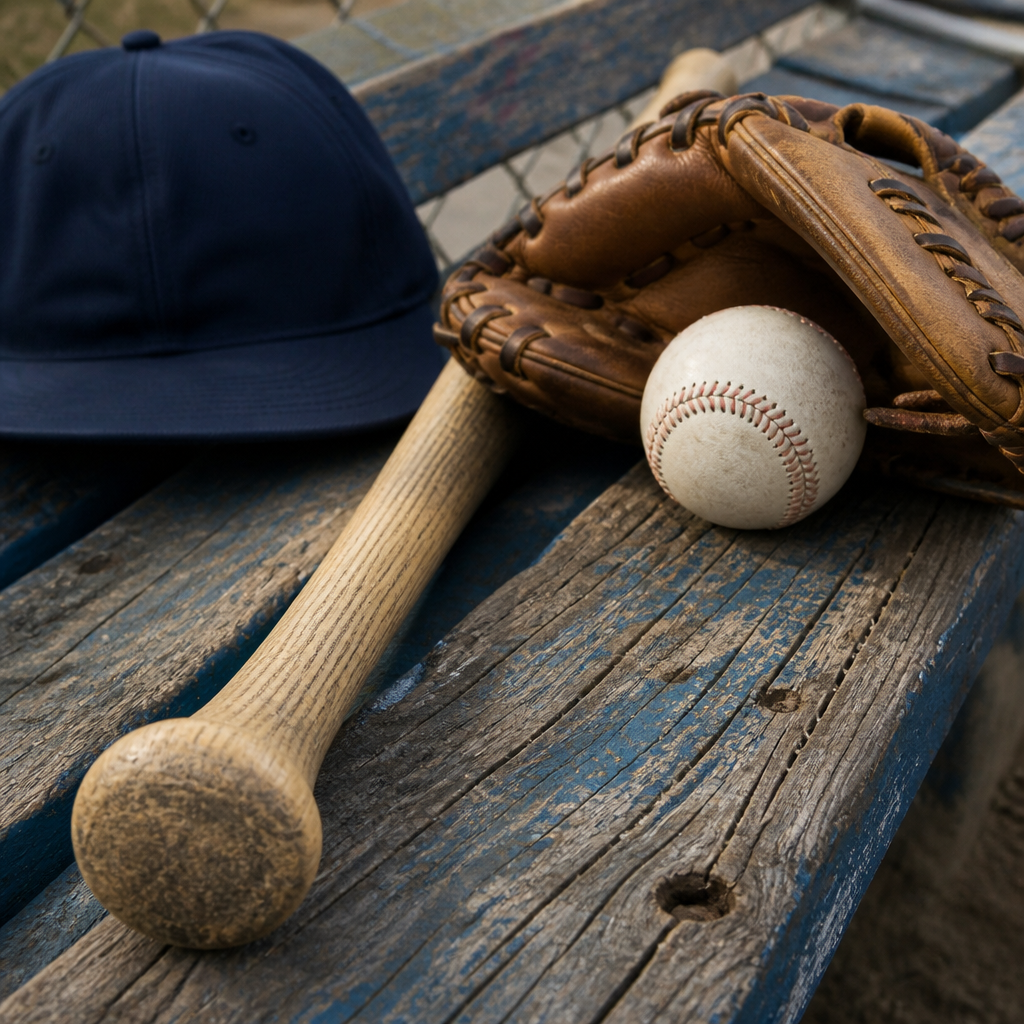
Baseball slang is woven so deeply into American speech that many people use it every day without realizing its origins. Phrases such as “step up to the plate,” “out in left field,” “touch base,” and “throw a curveball” began as practical language for players, managers, and fans, then migrated into offices, classrooms, politics, and family life. Understanding baseball slang means understanding more than colorful expressions. It reveals how the game shaped American culture, how fandom moved from ballparks to radio and television, and why baseball remains a powerful source of shared metaphors across generations.
When I have worked on sports history and language projects, baseball consistently stands apart because its vocabulary became civic vocabulary. Other sports contribute terms to everyday language, but baseball developed alongside mass newspapers, scorecards, rail travel, and a growing national identity in the late nineteenth and early twentieth centuries. Reporters needed vivid shorthand. Broadcasters needed phrases listeners could picture instantly. Fans repeated those phrases at work and at home. Over time, baseball slang stopped sounding like slang at all. It became normal speech, especially in the United States, where the sport was long framed as the national pastime.
Baseball slang refers to informal words, idioms, and metaphors that originated in the game or gained specific meaning through baseball use. Some terms remain technical, like “bush league” or “southpaw.” Others evolved into broad social language, like “cover all the bases.” Many survive because they express common situations efficiently: uncertainty, pressure, failure, ambition, strategy, and teamwork. They also carry emotional color. Saying a proposal is “a home run” feels stronger than saying it was successful. Saying someone was “thrown a curveball” captures surprise in a way plain language often cannot.
This hub article explains how baseball slang entered everyday American language and why it still matters within culture and fandom. It covers common expressions, the media systems that spread them, the role of regional identity, race and class influences, and the ways fans preserve and reinvent the vocabulary. It also acts as a starting point for broader exploration within baseball and society, because language connects to broadcasting, literature, advertising, community rituals, and national memory. If you want to understand how baseball culture travels beyond the field, the words are the clearest place to begin.
Why Baseball Produced So Much Everyday Language
Baseball generated an unusually rich stock of everyday language because of timing, structure, and media exposure. The sport rose as urban America expanded, literacy increased, and daily newspapers became a central habit. Box scores and game recaps taught readers a specialized vocabulary through repetition. Terms like “strike out,” “pinch hit,” and “doubleheader” appeared constantly in print, often next to political cartoons and business reporting that borrowed the same expressions. By the early twentieth century, speech patterns from the ballpark had entered mainstream journalism, where they were reinforced far beyond sports pages.
The game’s pace also mattered. Baseball has clear discrete events: pitches, swings, outs, innings, and strategic substitutions. That structure makes for easy metaphor. A negotiation can have a “rain delay.” A campaign can be in the “late innings.” A rookie employee can be asked to “step up to the plate.” In faster continuous sports, moments blur together. In baseball, each action is legible and nameable. That made the language portable. The expressions could be lifted from the field and dropped into politics, sales, war reporting, and entertainment with little explanation.
Another reason baseball slang spread so widely is that the sport was intergenerational and communal. Grandparents, parents, and children could all follow the same game and discuss it using the same terms. Radio accelerated this effect. Broadcasters such as Red Barber and Mel Allen popularized memorable phrases with conversational clarity, while local announcers embedded team language into regional identity. Once television arrived, visual familiarity deepened verbal familiarity. Viewers heard a phrase and saw the action attached to it. That pairing made baseball idioms durable even among people who never played competitively.
Common Baseball Idioms and What They Mean Today
Many of the most common baseball sayings now function as standard American English. “Step up to the plate” means accept responsibility under pressure. “Touch base” means make contact briefly. “Cover all the bases” means prepare thoroughly. “Out in left field” describes an odd or disconnected idea. “Throw a curveball” means introduce an unexpected complication. “Strike out” means fail completely, often after a sincere attempt. “Ballpark figure” means a rough estimate. “Home run” means a major success. “Pinch hit” means substitute effectively when needed.
Each of these phrases carries a baseball logic that still shapes its modern meaning. “Step up to the plate” implies public accountability, because the batter stands alone with attention fixed on the next action. “Touch base” suggests a quick check-in, not a long meeting, because touching a base is necessary but brief. “Out in left field” likely grew from the perception that left field was physically removed from central action in some early parks and, later, from broad comic usage. Even when historical explanations vary, the image remains understandable.
Business language especially relies on baseball idioms because they simplify complex judgment. A manager can call a product launch a “home run” and signal not merely competence but decisive impact. A recruiter can say a candidate will “pinch hit” for a departing executive and imply temporary, practical competence. Politicians use the same terms because baseball metaphors sound familiar rather than technical. The language lowers the barrier between expert and public audience. That is one reason speechwriters have used baseball references for more than a century, from local campaigns to presidential remarks.
| Baseball phrase | Original game meaning | Everyday meaning | Typical example |
|---|---|---|---|
| Step up to the plate | Come to bat | Take responsibility | A senior nurse stepped up to the plate during the staffing shortage. |
| Touch base | Make contact with a base | Check in briefly | Let’s touch base after the client call. |
| Curveball | A pitch with sharp movement | Unexpected problem | The permit delay threw the project a curveball. |
| Home run | Hit allowing the batter to score | Clear success | The redesigned menu was a home run with customers. |
| Ballpark figure | Approximation tied to a park context | Rough estimate | Give me a ballpark figure for the repairs. |
How Media Turned Ballpark Talk Into National Speech
Baseball slang would not have transformed American everyday language without mass media. In the newspaper era, sportswriters were major stylists. Writers such as Grantland Rice helped turn games into narrative drama, and lesser-known beat reporters repeated terms relentlessly across local markets. Headlines favored compact idioms because they fit columns and conveyed action fast. A mayor could “strike out” in budget talks. A company could “hit a home run” with a new product. Once editors saw readers understood the references, the metaphors spread into non-sports desks.
Radio then gave baseball language voice, rhythm, and intimacy. Listeners built mental pictures from spoken description, so announcers leaned on crisp recurring phrases. This mattered culturally because families heard games together, often daily over a long season. Baseball talk became household talk. During the golden age of radio, people also absorbed announcers’ cadence and word choice, which strengthened idioms as social habits. By the postwar era, television completed the cycle. National broadcasts standardized some terms while regional crews preserved local flavor, producing both a shared national vocabulary and distinctive fan dialects.
Advertising amplified the process. Brands used baseball metaphors to sell insurance, cereal, cars, and political messages because the language already carried trust and accessibility. Hollywood reinforced it through films where baseball represented innocence, aspiration, masculinity, and community. Later, cable sports networks, talk radio, and internet forums kept the vocabulary alive by rewarding quick, image-rich commentary. Even today, search trends show spikes for phrases like “walk-off” or “perfect game” when they are redeployed in business or politics. Baseball slang survives because media repeatedly recontextualizes it for new audiences.
Culture, Fandom, and the Social Life of Baseball Language
Within culture and fandom, baseball slang does more than describe action. It signals belonging. Fans learn not only rules and statistics but ways of speaking that mark them as insiders. Saying a hitter is “due,” a reliever “doesn’t have it tonight,” or a team “left runners stranded” places a speaker within a shared interpretive community. In ballparks, bars, fantasy leagues, group chats, and family rooms, the language creates continuity between strangers. I have seen conversations begin with a simple phrase like “he’s a five-tool player” and quickly open into stories, memories, and debates.
Fandom also preserves older terms that might otherwise fade. Expressions such as “can of corn,” “southpaw,” “rhubarb,” and “bush league” survive because broadcasters, scorekeepers, collectors, and long-time fans keep repeating them. Some of these words require explanation for younger audiences, yet that explanation itself becomes a ritual of fan education. A parent or grandparent defines the phrase, then links it to a player, era, or local team story. In that sense, baseball slang functions like oral history. It transmits values about savvy, patience, hustle, fairness, and respect for craft.
The social life of baseball language is especially visible during big communal moments: Opening Day, the postseason, a no-hitter, a rivalry series, or a Little League tournament. At those moments, even casual followers start using the vocabulary. Office pools and neighborhood watch parties revive phrases people may not use all year. That intermittent intensity helps keep baseball embedded in civic life despite competition from football and basketball. Language is one of the game’s strongest cultural assets because it lets baseball matter even when no game is being played.
Regional Identity, Race, Class, and Change Over Time
Baseball slang reflects regional identity as much as national culture. Different cities and broadcast traditions popularized different catchphrases, and minor league communities often preserved more playful local language than national telecasts did. New York tabloids, St. Louis radio, Chicago neighborhood fandom, and Southern sandlot traditions each shaped how baseball was spoken and remembered. Terms also moved between English and Spanish as Latino players, broadcasters, and fans became central to the modern game. Today, phrases such as “walk-off” circulate globally, while dugout language often reflects multilingual realities.
Race and class are equally important to the story. Baseball language grew through industrial cities, mill towns, military service, schoolyards, and segregated leagues. The Negro Leagues contributed style, storytelling, and innovation to baseball culture, even when mainstream media undercredited those contributions. Working-class participation helped make the slang practical and direct rather than elite or literary. At the same time, some older expressions carry stereotypes or outdated assumptions and deserve scrutiny. Honest cultural history means preserving the record while recognizing where language excludes, caricatures, or loses relevance as society changes.
Modern baseball keeps adding new terms, from analytics-driven language like “exit velocity” and “barrel rate” to fan expressions shaped by social media. Not all of these will cross into everyday speech, but some will. “Walk-off” already has, because it instantly communicates drama and finality. The broader pattern remains unchanged: when baseball provides a clear image for a common human experience, the phrase travels. That is why understanding baseball slang is useful not only for fans but for anyone studying American communication, identity, or public culture.
Why This Hub Matters for Baseball and Society
As a hub within baseball and society, this topic connects language to broader questions of culture and fandom. Baseball slang opens the door to articles on broadcasting history, fan rituals, stadium traditions, baseball in film and literature, youth participation, immigrant communities, gendered fandom, memorabilia, and digital fan culture. If you can trace how “touch base” moved from the diamond to the boardroom, you can also trace how the sport moved from neighborhood pastime to national symbol and then into a contested, evolving cultural institution.
The key takeaway is simple: baseball changed American everyday language because its images are concrete, its media history is deep, and its fandom teaches people how to speak as well as how to watch. Those phrases endure because they still do useful work. They make abstract situations visible, emotional stakes clearer, and social connection easier. If you are building out your understanding of baseball and society, start with the words, then follow them into the stands, the airwaves, the archives, and the communities that keep repeating them. Touch base with the rest of this culture and fandom cluster to explore the full story.
Frequently Asked Questions
Why has baseball contributed so many phrases to everyday American English?
Baseball became one of the first truly national pastimes in the United States at the same moment newspapers, radio, and later television were helping create a shared popular culture. Because so many Americans watched the game, listened to broadcasts, read box scores, and talked about teams at work or at home, baseball’s vocabulary spread far beyond the ballpark. Terms that were once practical on-field shorthand became instantly recognizable metaphors for effort, failure, surprise, strategy, and success. Expressions such as “step up to the plate” or “cover all the bases” worked especially well in daily speech because the underlying images were easy to understand even for people who were not devoted fans. Over time, baseball slang moved into business, politics, education, and family life, where it remained useful as a vivid way to describe pressure, teamwork, and performance. In that sense, baseball did not just lend English a few colorful sayings; it helped shape a common American way of speaking about challenge, opportunity, and results.
What are some of the most common baseball expressions people use without realizing it?
Many of the most familiar American idioms come straight from baseball, and people often use them with no conscious connection to the sport. “Step up to the plate” means to accept responsibility or rise to an important moment, echoing the batter’s role in facing the pitcher. “Touch base” originally referred to a runner making contact with a base, but in modern conversation it usually means to check in briefly. “Out in left field” suggests that an idea seems odd, disconnected, or unexpected. “Throw a curveball” describes an unforeseen complication or surprise, borrowing from a pitch designed to deceive the hitter. “Cover all the bases” means to prepare thoroughly or address every angle of a situation. Other common examples include “big league,” “pinch hit,” “play hardball,” “strike out,” “batting a thousand,” and “get to first base.” What makes these phrases enduring is that they remain concise, visual, and flexible. They communicate complex social situations through a set of images Americans have absorbed for generations, even when the speaker has not watched a game in years.
How did baseball slang move from the ballpark into workplaces, politics, and everyday conversation?
The spread happened gradually, through repetition across public life. In the late nineteenth and early twentieth centuries, baseball was covered obsessively in newspapers, which meant its terminology appeared daily in headlines, columns, and cartoons. Radio broadcasters then brought the sounds and rhythms of the game into homes, making baseball language feel familiar and conversational. Politicians adopted baseball metaphors because they were accessible to broad audiences; saying a campaign had “struck out” or a candidate needed to “step up to the plate” communicated a lot in very little space. Business leaders did the same, using phrases like “touch base,” “cover all the bases,” or “in the big leagues” to make strategy and performance feel concrete. Schools, families, and social groups followed suit, passing these expressions along until they became normal parts of speech. The migration also reflects baseball’s former role as a cultural meeting ground. For decades, it was one of the few experiences widely shared across regions and classes, so its slang became a kind of national verbal toolkit. Once that happened, the expressions no longer needed direct reference to the sport in order to survive.
Do baseball idioms still matter today, even though American culture is less centered on baseball than it once was?
Yes, very much so. Even though the United States now has a more fragmented media landscape and more sports competing for attention, baseball idioms remain deeply embedded in everyday language. Many survive because they are no longer heard primarily as sports references; they function as standard English expressions. Someone can say a project is “in the ballpark,” a meeting is a chance to “touch base,” or an unexpected expense “threw a curveball” without thinking about the diamond at all. That durability shows how thoroughly baseball once shaped American speech patterns. These phrases also continue to work because they describe universal experiences: pressure, timing, preparation, error, momentum, and recovery. In fact, their longevity tells us something important about cultural memory. Even as direct participation in baseball culture shifts, the language remains as a record of the game’s influence on how Americans explain work, relationships, competition, and everyday problem-solving. Baseball slang still matters not because everyone is a fan, but because the metaphors became part of the structure of ordinary communication.
What does understanding baseball slang reveal about American culture beyond the sport itself?
Understanding baseball slang reveals how deeply a popular pastime can shape national identity, values, and communication habits. These expressions reflect more than the rules of a game; they express ideas about individual responsibility, fair play, second chances, strategic thinking, and performing under pressure. When Americans say someone needs to “step up to the plate,” they are invoking a cultural ideal about meeting challenges directly. When they say a proposal is “out in left field,” they are using a shared metaphor for something unconventional or disconnected from expectations. Baseball slang also shows how mass culture traveled through newspapers, radio, television, and casual conversation, turning local fan language into national speech. It highlights the way sports can influence not only entertainment, but also politics, business, education, and family life. Most importantly, it reminds us that language preserves history. Even when speakers do not know the origins of these phrases, they are still carrying forward traces of an era when baseball had extraordinary power to unite communities and give Americans a common vocabulary for making sense of the world.