
The sport of baseball holds a special place in the hearts of millions around the globe, and its history is rich with contributions from diverse cultural backgrounds. Among these influences, Hispanic players have played a crucial role in shaping the game we love today. This article delves into the early Hispanic influence in baseball, celebrating the pioneers whose talent and determination broke barriers and enriched the sport.
From the earliest days of baseball, Hispanic players have showcased their exceptional skills on the diamond. Despite facing numerous challenges, including language barriers, racial discrimination, and cultural differences, these athletes persevered and left an indelible mark on the game. It’s important to recognize and celebrate these trailblazers who paved the way for future generations.
By examining the stories and contributions of early Hispanic players, we gain a deeper appreciation for the sport’s diverse history. Baseball, often referred to as America’s pastime, has been significantly enriched by Hispanic talent. This article explores the achievements and struggles of these early pioneers, highlighting their impact on baseball’s evolution.
The Beginnings: Early Hispanic Players in Major League Baseball
The first documented Hispanic player in Major League Baseball was Esteban Bellán, a Cuban infielder who played in the early 1870s. Bellán’s presence in the league marked the beginning of Hispanic participation in professional baseball. His success opened doors for future Hispanic athletes, inspiring them to pursue their dreams despite the many obstacles they faced.
Bellán’s journey to the major leagues began in the United States when he enrolled at Fordham University in New York City. His outstanding performance on the university’s baseball team caught the attention of professional scouts. In 1871, Bellán joined the Troy Haymakers of the National Association, making history as the first Hispanic player in professional baseball.
While Esteban Bellán’s contributions to the sport were groundbreaking, it would be several decades before other Hispanic players would follow in his footsteps. The early 20th century saw the emergence of more Hispanic talent in the major leagues, particularly from countries like Cuba, Puerto Rico, and the Dominican Republic. These players brought their unique playing styles and cultural influences to the game, enriching baseball and paving the way for future generations of Hispanic athletes.
Challenges and Triumphs: Overcoming Barriers
Hispanic players in the early days of baseball faced numerous challenges that tested their resilience and determination. Language barriers posed a significant obstacle, as many players struggled to communicate with their English-speaking teammates and coaches. This often led to misunderstandings on and off the field, making it difficult for Hispanic players to fully integrate into their teams.
In addition to language barriers, Hispanic players also faced racial discrimination. The early 20th century was a time of segregation and prejudice in the United States, and this discrimination extended to the baseball diamond. Hispanic players were frequently subjected to derogatory remarks and unfair treatment, both from opponents and within their own teams. Despite these challenges, many Hispanic athletes persevered, using their talent and determination to overcome adversity.
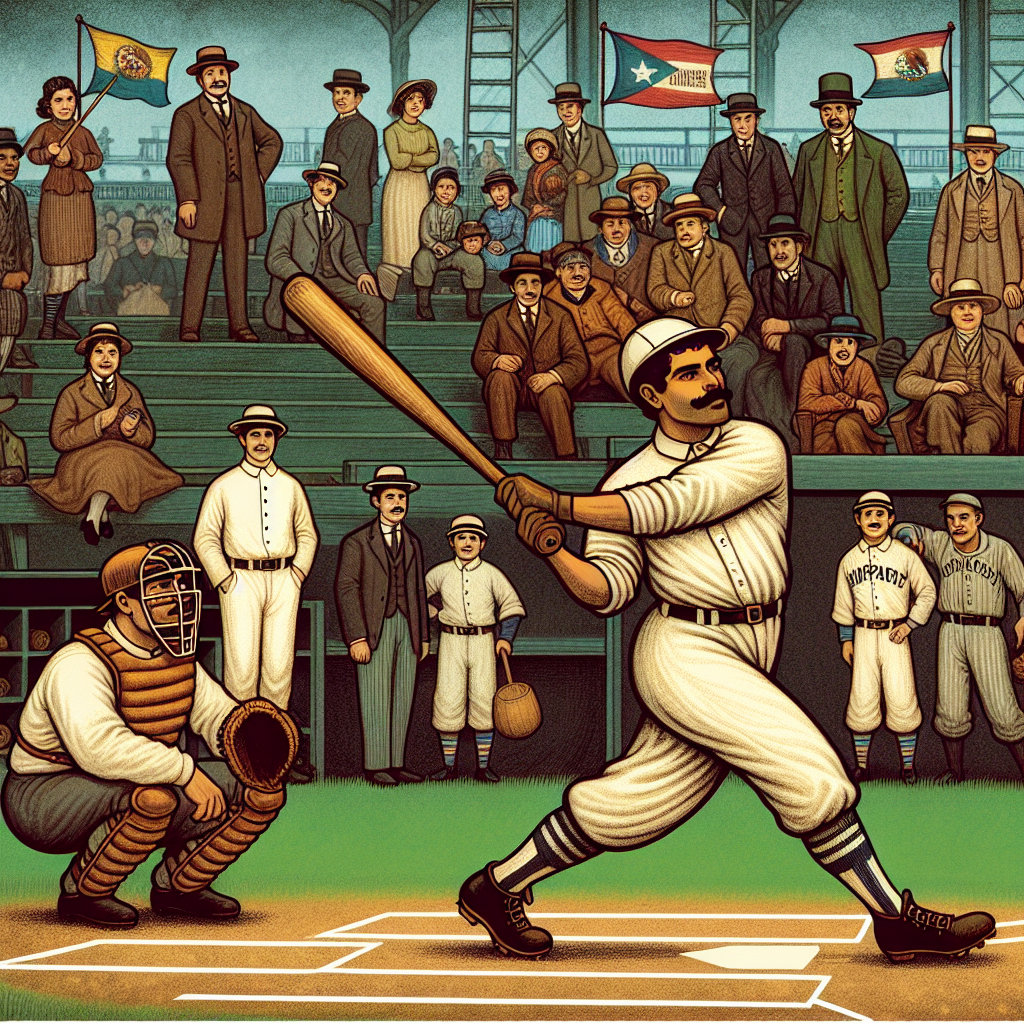
One such player was Adolfo “Dolf” Luque, a Cuban pitcher who made his Major League debut in 1914. Luque faced significant racial discrimination throughout his career but remained determined to succeed. In 1923, he became the first Hispanic player to win a World Series championship, showcasing his exceptional skills and breaking barriers for future Hispanic athletes. Luque’s success served as a powerful reminder of the resilience and talent of Hispanic players in the face of adversity.
The Integration Era: Breaking New Ground
The integration of baseball in the mid-20th century marked a significant turning point for Hispanic players. The breaking of the color barrier by Jackie Robinson in 1947 set the stage for greater inclusion of diverse talent in Major League Baseball. This period saw an influx of Hispanic players who brought their unique skills and cultural influences to the game.
One of the most notable figures of this era was Roberto Clemente, a Puerto Rican outfielder who made his Major League debut in 1955 with the Pittsburgh Pirates. Clemente’s exceptional talent and dedication to the game quickly earned him recognition as one of the greatest players of all time. Throughout his career, Clemente faced and overcame numerous challenges, including racial discrimination and language barriers. His success on the field and his humanitarian efforts off the field left a lasting legacy that continues to inspire future generations.
Clemente’s impact extended beyond his athletic achievements. He played a pivotal role in advocating for the rights and recognition of Hispanic players in Major League Baseball. Clemente’s commitment to his community and his relentless pursuit of excellence set a standard for future Hispanic athletes to follow. His legacy is a testament to the transformative impact of Hispanic players in the sport of baseball.
International Influence: Baseball Beyond Borders
The influence of Hispanic players in baseball is not confined to the United States. Many Hispanic countries have rich baseball traditions and have produced some of the game’s greatest talents. Countries like Cuba, the Dominican Republic, and Venezuela have become baseball powerhouses, consistently producing elite players who make significant contributions to the sport.
The Dominican Republic, in particular, has had a profound impact on Major League Baseball. Since the mid-20th century, the country has produced a steady stream of talented players who have left an indelible mark on the game. Legends like Juan Marichal, Pedro Martínez, and David Ortiz have not only achieved individual success but have also paved the way for future generations of Dominican players.
The contributions of Hispanic countries to baseball extend beyond player development. These nations have also produced influential coaches, scouts, and executives who have helped shape the sport at all levels. Hispanic baseball academies and training programs have become integral to the game’s development, providing young players with the resources and opportunities to pursue their dreams of playing professional baseball.
Legacy and Impact: Celebrating Hispanic Contributions
The early Hispanic influence in baseball has had a lasting impact on the sport, creating a legacy of diversity and excellence that continues to thrive today. The contributions of Hispanic players have enriched the game, bringing new styles, techniques, and cultural perspectives that have enhanced the overall experience for fans and players alike.
Beyond their athletic achievements, Hispanic players have also played a crucial role in breaking down barriers and promoting greater inclusivity in baseball. Their resilience and determination have inspired countless individuals to pursue their dreams, regardless of the challenges they may face. The stories of these trailblazers serve as a powerful reminder of the importance of diversity in sports and the positive impact it can have on society.
Today, Major League Baseball continues to celebrate and honor the contributions of Hispanic players through various initiatives and events. The league’s annual Hispanic Heritage Month celebrations highlight the rich history and cultural significance of Hispanic players, ensuring that their legacy is recognized and preserved for future generations.
Conclusion
The early Hispanic influence in baseball is a testament to the resilience, talent, and determination of the pioneers who helped shape the sport. From Esteban Bellán’s groundbreaking entry into Major League Baseball to the enduring legacy of Roberto Clemente, Hispanic players have made significant contributions that continue to be celebrated and honored today.
As we look back on the history of baseball, it is essential to recognize and appreciate the diverse cultural influences that have enriched the game. The stories of early Hispanic players serve as a powerful reminder of the importance of inclusivity and the positive impact of diversity in sports. By celebrating these contributions, we ensure that the legacy of these trailblazers endures, inspiring future generations to continue breaking barriers and achieving greatness.
As we celebrate the rich history of Hispanic influence in baseball, let us also look forward to a future where the sport continues to embrace diversity and inclusivity. The contributions of Hispanic players have left an indelible mark on the game, and their legacy will continue to inspire and shape the future of baseball for years to come.
Frequently Asked Questions
1. How did early Hispanic players influence Major League Baseball?
Hispanic players have been integral in shaping the history of Major League Baseball (MLB) through their exceptional skills, passion, and unique playing styles. From the very beginning, players hailing from Hispanic backgrounds have brought a distinct flair and energy to the game. Their influence can be seen in various aspects, from the popularization of certain pitching techniques to the dynamic playing strategies often employed by teams. Among the pioneers were players like Esteban Bellán, the first Latin American to play professional baseball in the United States, who laid the groundwork for future generations of Hispanic athletes. These players not only broke ethnic and racial barriers but also highlighted the potential for diversity and inclusion within the sport. It’s important to acknowledge that their contribution goes beyond game statistics; they influenced cultural acceptance, representation, and the globalization of baseball itself.
2. Who were some of the pioneering Hispanic players in MLB, and what impact did they have?
Several Hispanic players have left an indelible mark on MLB, especially during its early years. Esteban Bellán, as mentioned earlier, was a significant figure, being the first Latin American to play professional baseball in the United States in the 1870s. Others include Adolfo Luque, one of the early Cuban stars, who became a major league pitcher and turned into one of the most successful pitchers of the 1920s. His career paved the way for many other pitchers from Latin America. Another legendary figure, Roberto Clemente, not only showcased extraordinary talent but also used his platform to advocate for equal rights, making a considerable impact both on and off the field. These players, among others, helped break racial and cultural barriers, contributing to a more diverse and inclusive environment within baseball.
3. How did cultural perceptions of Hispanic players evolve in the MLB over time?
The initial years for Hispanic players in MLB were filled with challenges due to cultural and language barriers, as well as racial discrimination. Early Hispanic players often faced severe stereotyping and were sometimes treated as outsiders. However, as these players continued to demonstrate unparalleled skill and dedication, perceptions began to shift. Through their successes and resilience, they challenged preconceived notions about their capabilities and potential. Over time, as more Hispanic players entered the league and made significant contributions, attitudes began to change positively. Integration initiatives within teams, cross-cultural collaborations, and increased representation in the sport spurred a greater acceptance and appreciation for Hispanic players. Today, Hispanic players are celebrated for their contributions, and they play a pivotal role in MLB’s global appeal.
4. In what ways did Hispanic players contribute to the evolution of baseball strategies and techniques?
Hispanic players introduced a variety of innovative strategies and techniques that have become cornerstones of modern baseball. Known for their agility and quick reflexes, many Hispanic players have excelled in positions such as shortstop and second base, often employing a style of play that emphasizes defense and small ball tactics. They brought creativity and flair to the base-running and fielding aspects of the game. Pitchers like Pedro Martínez and Juan Marichal introduced new pitching techniques and styles, such as changing speeds and arm angles, which have influenced how the game is played today. The cultural influence of Hispanic players has also contributed to the rise of the power-hitting style seen in sluggers like Alex Rodriguez. Overall, their strategic ingenuity and adaptability have enhanced the complexity and enjoyment of the sport for players and fans alike.
5. What challenges did early Hispanic players face in Major League Baseball, and how did they overcome them?
Early Hispanic players contended with a myriad of challenges that tested their resilience and resolve. They faced significant language barriers, which often made communication with teammates and coaches difficult. In addition to the language issues, there was the pervasive racial discrimination and cultural biases they encountered, which sometimes limited their opportunities and subjected them to unfair treatment. Despite these challenges, they pushed forward by forming support networks within the baseball community, where fellow Hispanic players and allies provided guidance and solidarity. Their determination to succeed was often fueled by a deep love of the game and a desire to pave the way for future generations. Many also dedicated themselves to continuous improvement, mastering the language, and learning to adapt their playing style to thrive in a foreign environment. Through their efforts, they not only achieved personal success but also laid the groundwork for a more inclusive MLB.