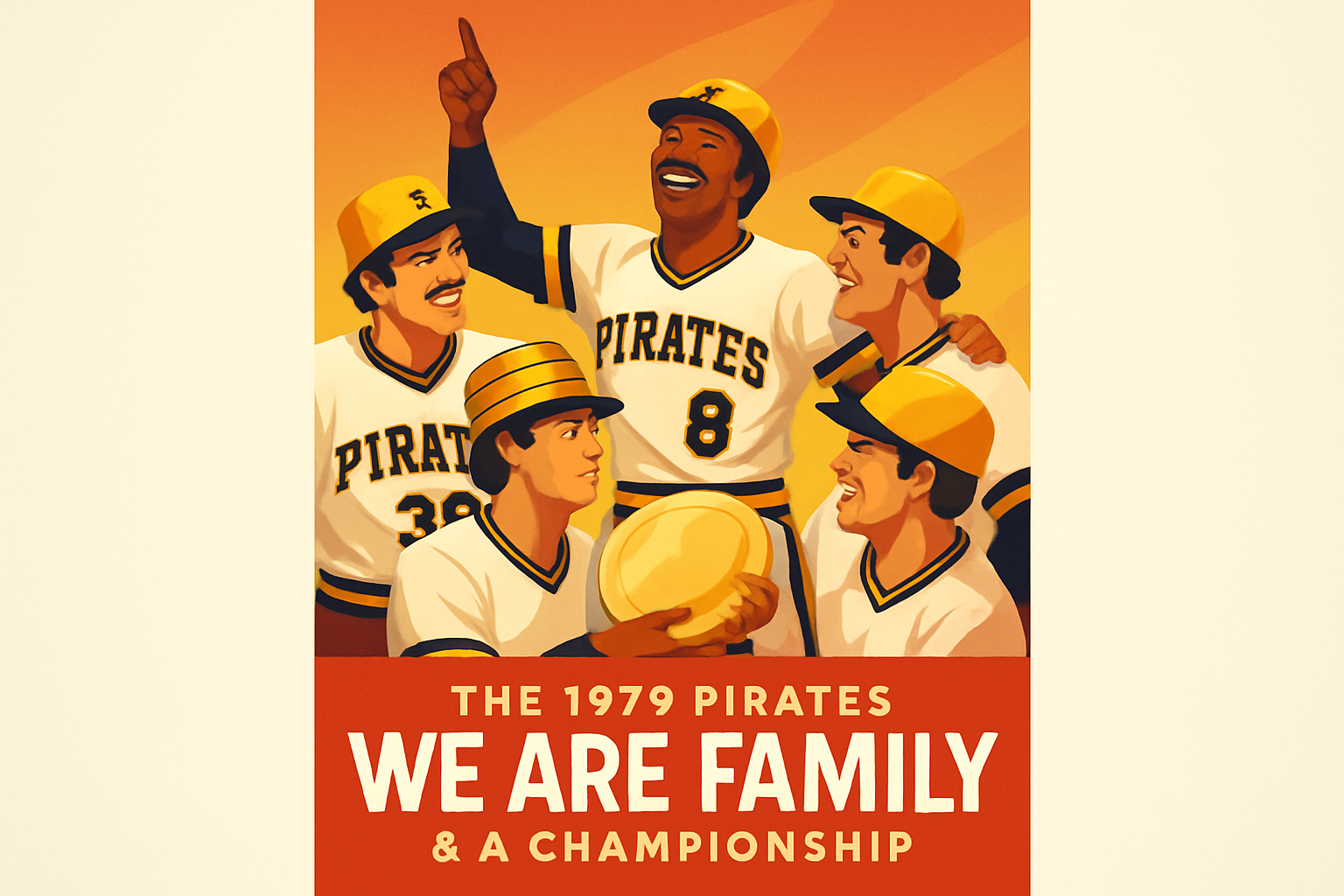
The Pittsburgh Pirates’ journey to the 1979 World Series Championship is forever etched in the annals of baseball history, thanks to their unyielding spirit and camaraderie encapsulated in their beloved motto: “We Are Family.” As both fans and analysts reflect on this celebrated team, they recognize the Pirates not merely for their on-field success but for the indelible legacy of unity and teamwork that transcended the sport. Understanding the significance of the 1979 Pirates involves appreciating the larger social and cultural impact they carried during that era.
In the late 1970s, America was a nation grappling with a plethora of challenges, from economic instability to sociopolitical tensions. Baseball, often referred to as America’s pastime, served as both a distraction and a unifying force for the populace. The Pirates, with their diverse roster and charismatic players, embodied a microcosm of American society—diverse yet united. The team’s anthem, “We Are Family,” artistically encapsulated this sentiment, as it was not just about winning games but about illustrating the potency of togetherness in the pursuit of common goals.
This article delves into the compelling narrative of the 1979 Pittsburgh Pirates, exploring the facets that made this team unique. From key players who became household names to defining games that kept fans on the edge of their seats, and the cultural phenomenon they inspired, understanding the Pirates’ journey provides profound insights into the power of unity. The story of the 1979 Pirates is a testament to what can be achieved when individuals rally around shared values and mutual support, producing not just a winning season but leaving a lasting blueprint for success in all walks of life.
The Assembling of the “We Are Family” Team
Assembling a championship-winning team often requires more than just talent; it requires a blend of skill, personality, and cohesion. The 1979 Pittsburgh Pirates were meticulously crafted by the vision of their manager, Chuck Tanner, and General Manager, Harding “Pete” Peterson. Building on the strength of their 1978 roster, the Pirates made strategic acquisitions and adjustments to their lineup, aiming to address weaknesses and fortify their strengths.
Key acquisitions included players like Tim Foli and Phil Garner, whose arrival was intended to enhance both the defensive and offensive dynamism of the team. At the core, though, were players like Willie Stargell, Dave Parker, and Bill Madlock—stalwarts who were instrumental in leading the team. Stargell, affectionately known as “Pops,” was more than just a player; he was the spiritual leader of the team, his positive attitude and leadership galvanizing his teammates. His influence was profound, as he not only delivered clutch performances but also fostered an environment of inclusion and cooperation.
Peterson and Tanner’s strategy paid dividends as the Pirates showcased balance across their pitching and batting lineups. This harmony was evident in players’ on-field performances and interactions, with each game highlighting their synchronized efforts. The selection of players who complemented each other’s playing style, as much as their character off the field, was pivotal in nurturing a pervasive team unity that would carry them to the championship.
Pivotal Moments of the 1979 Season
The path to championship glory is marked by iconic moments that test the mettle of a team. For the Pittsburgh Pirates, their 1979 season was no exception. The regular season saw a tightly contested battle within the National League East, with the Pirates competing fiercely to clinch the division title. Each game during this period was critical, yet several stand out for their lasting impact.
One such defining moment came on September 1st, where a shutout victory against the Cincinnati Reds displayed the Pirates’ enviable prowess. The impeccable performance by pitcher Bert Blyleven, combined with timely hitting, underscored the Pirates’ tenacity and capability. Moments like these reinforced their belief in their abilities and served as a psychological booster as they entered the latter part of the season with momentum.
Another critical juncture was the National League Championship Series (NLCS) against the formidable Cincinnati Reds. The Pirates showcased their resilience, overcoming the Reds in a nail-biting contest that epitomized the fight and determination they were known for. This series was a direct lead-up to their eventual World Series triumph, cementing the Pirates’ place as a team to be reckoned with.
The World Series Triumph
The 1979 World Series pitted the Pirates against the Baltimore Orioles—a battle where the Pirates’ ethos of “We Are Family” would be tested to its fullest. Going down 3-1 in the first four games, the Pirates found themselves on the brink of elimination. However, embracing their family mantra, they rallied to win three consecutive games, showcasing an indomitable spirit and collective belief in turning the tide.
Willie Stargell’s Game 7 performance proved to be one of the deciding factors of the series. Not only did he hit a decisive home run, but his leadership was instrumental in maintaining team morale. Stargell’s ability to inspire through his play and his words exemplified the family dynamic that the Pirates had nurtured all season. With his efforts, along with strategic plays from his teammates, Stargell’s prowess was recognized, earning him the World Series MVP award.
Cultural Impact and Legacy of “We Are Family”
Beyond their on-field accomplishments, the cultural legacy of the 1979 Pittsburgh Pirates is profound. The adoption of Sister Sledge’s hit, “We Are Family,” resonated well beyond the confines of Pittsburgh. It became an anthem for unity and resilience, symbolizing how camaraderie can lead to triumph in the face of adversity. The unity showcased by the Pirates presented a model for teamwork that influenced not just other sports franchises but also businesses and communities across the nation.
The Pirates of 1979 demonstrated that understanding and building on each individual’s strengths could yield unparalleled success, a mantra that continues to inspire teams in various industries today. Their approach also helped to bridge racial and cultural divides during a time when unity in diversity was needed the most, highlighting the potential of embracing differences for collective good.
A testament to their enduring legacy is how subsequent teams have sought to emulate similar philosophies of cohesion and mutual support. The Pirates’ model highlighted the importance of fostering a sense of belonging and mutual trust—a lesson as relevant today in professional environments as it was then on the baseball field.
The Anatomy of a Winning Team: Key Factors
- Leadership: The leadership within the team, primarily embodied by Willie Stargell, was pivotal in fostering a sense of unity and shared purpose.
- Strategic Management: The astuteness with which the Pirates’ roster was assembled showcased an understanding of complementary skills and personalities.
- Resilience: The ability to overcome challenges, as demonstrated in their comeback in the World Series, highlights an unyielding resolve and belief in one another.
- Cohesion: Above all else, the emphasis on family and unity set apart the Pirates, creating a strong internal bond that elevated their performance.
These elements combined to create a special alchemy that drove the Pirates to the top and left an indelible mark on sports history.
Key Takeaways From the 1979 Pirates’ Success
The 1979 Pittsburgh Pirates not only achieved success through their on-field prowess but also left a lasting blueprint for building winning teams across various domains. Their story exemplifies the power of collaboration—a critical component for success in any undertaking. The Pirates’ emphasis on teamwork, mutual respect, and joint effort became invaluable lessons, resonating widely beyond the baseball diamond.
The principal takeaway from the Pirates’ journey is the undeniable correlation between unity and achievement. By nurturing an inclusive culture where every member feels valued, teams can excel and overcome even the most daunting challenges. The emphasis on equality, irrespective of background, and recognizing the unique contributions of individuals are timeless lessons that remain vital in contemporary dialogues about leadership and success.
For readers looking to implement these lessons, fostering a culture similar to what the Pirates cultivated involves focusing on communication, shared goals, and appreciation for diversity. Whether in sports teams, corporate environments, or community initiatives, the principles exhibited by the 1979 Pirates are applicable and beneficial.
As we conclude this reflection on the 1979 Pittsburgh Pirates, the call to action is clear: strive to create environments where unity is at the forefront, where each member feels like part of a family. Let the legacy of “We Are Family” ignite a spirit of togetherness and collaboration that drives you, your teams, and your communities to new heights of success.
Frequently Asked Questions
1. What was the significance of the motto “We Are Family” for the 1979 Pittsburgh Pirates?
The motto “We Are Family” became synonymous with the 1979 Pittsburgh Pirates, symbolizing more than just a catchy phrase. This mantra encapsulated the essence and spirit of the team throughout their championship season. The phrase originated from the song “We Are Family” by Sister Sledge, and it perfectly mirrored the sense of unity and togetherness that characterized the Pirates’ roster. On and off the field, this motto was a rallying cry that strengthened team bonds, promoting an environment where players supported each other like family members. This unique camaraderie was essential in overcoming challenges during the season, ultimately propelling them to success. Beyond the immediacy of their achievements, the legacy of “We Are Family” endures as a testament to the power of unity and teamwork in sports, reminding fans and players alike that great things can be accomplished when working together harmoniously.
2. How did the team dynamic contribute to the Pirates’ success in 1979?
The team dynamic of the 1979 Pittsburgh Pirates was foundational to their success. This dynamic was characterized by mutual respect, shared goals, and an unwavering belief in each other’s abilities. The players, led by charismatic figures like Willie Stargell, found strength in their diversity, pooling their talents and experiences into a cohesive and formidable unit. Stargell, in particular, played a crucial role as a motivator and leader, providing inspiration through his performance and his steady composure. The dynamic was not just confined to the players; the coaching staff fostered an environment that prioritized open communication and trust, ensuring everyone felt valued and integral to the team’s achievements. This culture of support underpinned their resilience and allowed the Pirates to navigate the ups and downs of the season, ultimately capturing the World Series title.
3. What were some key moments during the 1979 season that defined the Pirates’ path to the championship?
The 1979 season was punctuated with several defining moments that highlighted the Pirates’ tenacity and skill. One such moment was their fierce comeback in the World Series against the Baltimore Orioles. After trailing three games to one, the Pirates exhibited remarkable determination by winning the next three games to clinch the title. Game 7 stood out, where the Pirates triumphed 4-1, a testament to their unwavering spirit. Another memorable moment was during the pennant race, when the team rallied in September, capitalizing on their chemistry and depth to surpass other contenders and secure a spot in the postseason. Additionally, the inspirational performances of team captain Willie Stargell, who earned the MVP award in both the NL Championship Series and the World Series, served to galvanize the team and fanbase alike. These key moments reflected the Pirates’ important qualities: resilience, teamwork, and the ability to perform under pressure. They highlighted how crucial each player’s contributions were to the larger quest for victory.
4. What role did Willie Stargell play in the Pirates’ championship run?
Willie Stargell played an instrumental role in the Pittsburgh Pirates’ 1979 championship run, both as a player and a leader. Known affectionately as “Pops,” Stargell’s influence extended beyond his impressive statistics and clutch hitting. On the field, he was the team’s power hitter, providing pivotal home runs and demonstrating exceptional timing in delivering game-changing performances throughout the season and playoffs. His leadership was equally impactful; Stargell’s ability to unite and inspire his teammates was unparalleled. He nurtured the familial atmosphere that became a hallmark of the Pirates, often encouraging younger players and fostering confidence within the team. His iconic “Stargell Stars,” small gold stars he awarded to teammates for outstanding plays, symbolized this supportive environment and illustrated his belief in celebrating collective success. Stargell’s contributions were recognized as he was awarded both the National League Championship Series and World Series MVP titles, affirming his key role in the Pirates’ path to glory.
5. How did the “We Are Family” Pirates influence baseball culture and the sport in general?
The influence of the “We Are Family” Pirates extended well beyond their 1979 victory, reverberating throughout baseball culture and beyond. Their success story highlighted the importance of camaraderie, diversity, and collective effort, setting a new standard for how teams could achieve greatness through unity. Their emphasis on family-like bonds challenged the traditionally individualistic perspective often highlighted in sports, promoting a renewed focus on team dynamics as a central element of success. The Pirates’ story inspired future generations, fostering the belief that team dynamics can significantly impact performance and creativity on the field. Furthermore, they demonstrated that celebrating diversity and inclusivity within a team structure is not just beneficial but essential for achieving excellence. Off the field, their triumph and ethos resonated with communities, instilling a sense of pride and connection among fans, and illustrating the broader societal power of sports as a force for positive cohesion and unity. The 1979 Pirates left a legacy that transcended their immediate achievements, influencing both the sport and wider cultural perceptions of teamwork and success.