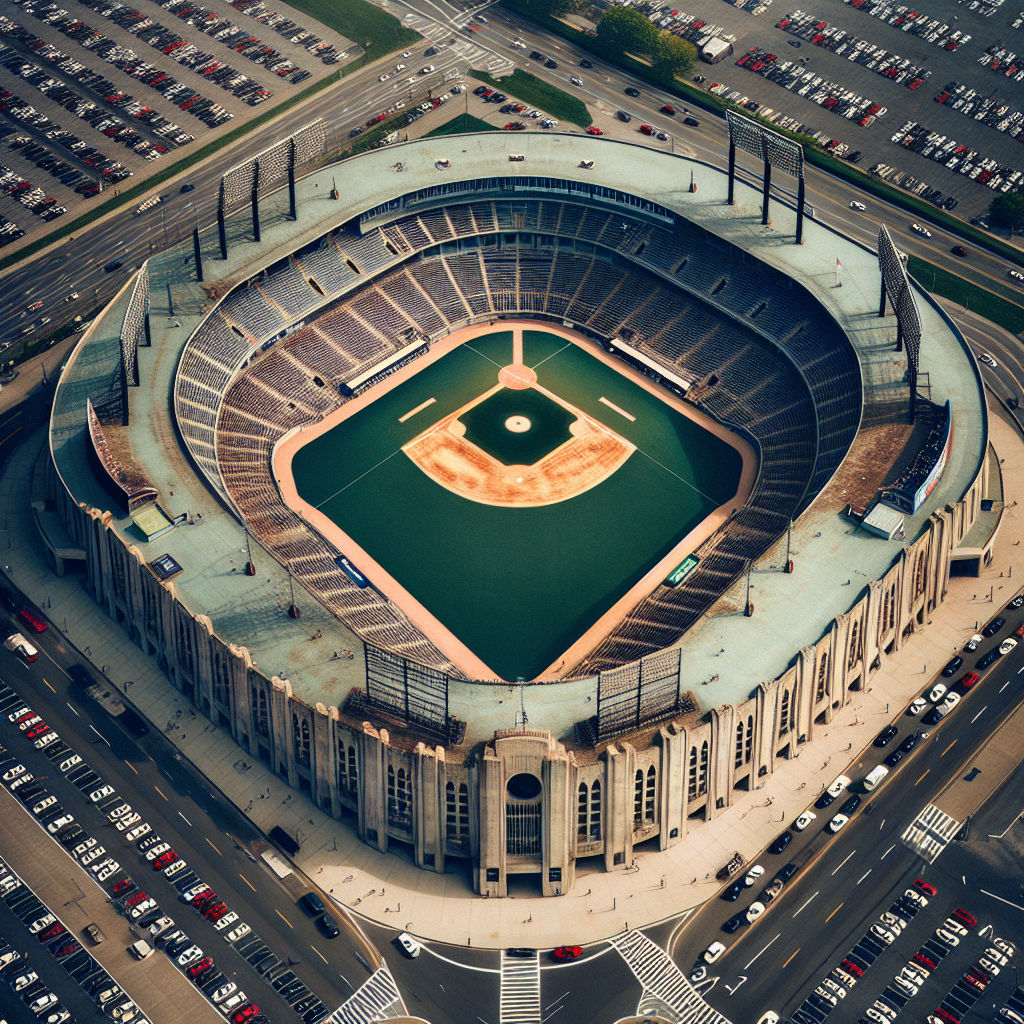
Shea Stadium, a beacon of modernity and excitement, once served as the home ground for one of Major League Baseball’s most beloved teams, the New York Mets. Located in Flushing Meadows–Corona Park in the borough of Queens, New York City, this iconic ballpark has been a significant landmark, not only in baseball history but also in the broader American cultural landscape. Opened in 1964, the stadium was named after William A. Shea, the man instrumental in bringing National League baseball back to New York City after the departure of the Giants and Dodgers to California.
Shea Stadium was more than just a place where games were played; it was a community gathering space that fostered lifelong memories among fans and players alike. From its multi-purpose design, which also allowed it to be used for football and concerts, to the 2000 World Series, often referred to as the “Subway Series” between the Mets and the Yankees, Shea’s contributions to sporting history are innumerable. This stadium lived through the highs and lows of Mets history, being both a witness to their two World Series victories and a host to players’ monumental careers.
This article delves into Shea Stadium’s rich history, examining its construction, some of its most memorable moments, the atmosphere that surrounded the stadium during games, and why, despite no longer standing, it remains an important chapter in New York Mets history. Welcome to Shea Stadium: where heartbreaks mingled with jubilation, and where every voice merged to become one powerful roar in the support of the Queens’ favorite underdogs.
Construction and Early Years:
Designed by the renowned architecture firm Praeger-Kavanaugh-Waterbury, Shea Stadium was an engineering marvel of its time. Its design was revolutionary, featuring a circular plan that allowed for an unobstructed view of the action, which was a rarity at the time. Built with a $28.5 million budget, the construction of Shea Stadium began on October 28, 1961, after the Mets became one of two National League expansion teams in 1962. The stadium officially opened its doors on April 17, 1964, a day quite notable not just for baseball, but also because the World’s Fair was taking place nearby.
Shea Stadium’s opening game saw the Mets face the Pittsburgh Pirates. Although the Mets lost 4-3, it was the beginning of a new era for baseball in New York. One of the unique features of the stadium was its ability to serve multiple purposes. While primarily a baseball stadium, Shea could be converted to host the New York Jets and New York Titans football games as well, thanks to its movable stands. This versatility made it a busy hub for New Yorkers supporting their multiple sports teams.
However, the early years for the Mets at Shea were marked by struggles; the team finished last in its inaugural 1962 season and posted losing records for each of its first seven seasons. But the fans remained loyal, drawn not just by their love for the game but also by the promise and potential that Shea Stadium represented. It wasn’t long before this hope would be realized in one of the most magical seasons in baseball history.
Miracle Mets and the 1969 World Series:
By 1969, just a few years after the Mets’ humble beginnings, the team achieved a miraculous turnaround that shocked the baseball world and gave rise to the “Miracle Mets.” Under the management of the beloved Gil Hodges, the Mets won 100 games that season—improving significantly from their 73-89 record the previous year.
Shea Stadium was electrifying that season, filled with fans who could hardly believe the transformation of their team. One standout moment was the clinching of the National League East division title against the St. Louis Cardinals, followed by their sweep of the Atlanta Braves in the National League Championship Series, which paved the way for their World Series showdown against the favored Baltimore Orioles.
Game 5 of the World Series, held at Shea, was electric. With the Mets up three games to one, the stadium was packed with anticipation and hope. The Mets triumphed in a 5-3 victory, clinching their first-ever World Series title. Fans stormed the field the moment that final out was recorded, turning the hallowed ground into an ecstatic sea of blue and orange. Shea Stadium, which had seen the team’s humble beginnings, was now forever etched in history as the stage for one of the most improbable and heartwarming stories in sports history.
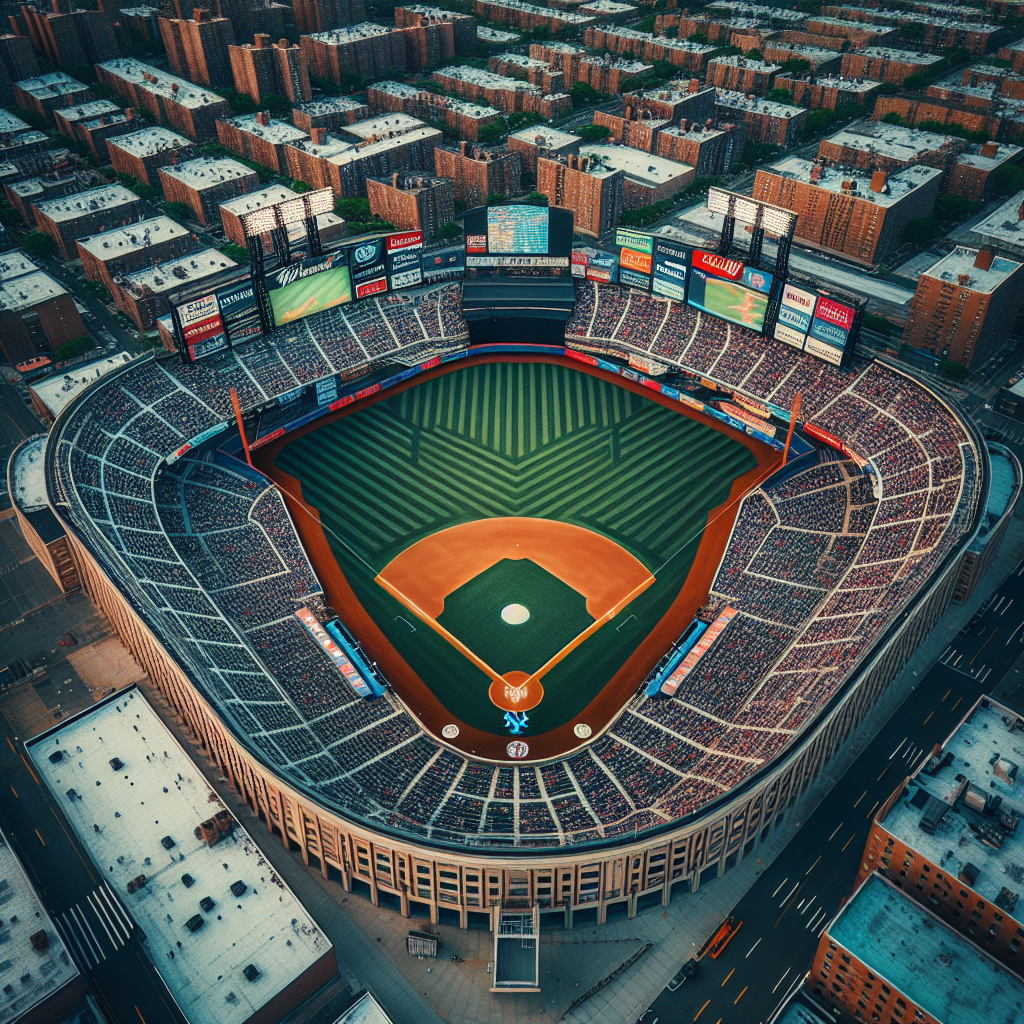
The Subway Series and the 2000 World Series:
While the late 70s and 80s had their own memorable moments, including another World Series victory in 1986, another chapter of Shea’s storied history would be written in the year 2000. Known as the Subway Series, the 2000 World Series was a showdown between New York City’s two baseball giants – the Mets and the Yankees. This series was readymade for drama, pitting the cross-town rivals against each other in the ultimate test of supremacy.
The atmosphere inside Shea during these games was nothing short of electric. Game 3 of this series is particularly memorable. The Mets, who had lost the first two games at Yankee Stadium, returned to Shea needing a victory to stay in the contention. The fans, clad in blue and orange, roared in support of their team, epitomizing the fierce, passionate loyalty that defined the Mets fan base. Despite their spirited performance, the Yankees ultimately emerged victorious in the series, reminding everyone of the tough competition in baseball.
Nevertheless, Shea’s role in hosting such high-stakes games solidified its status as a key theater of baseball drama. The Subway Series highlighted the intense rivalries and shared community spirit that baseball could inspire. For many, it was a bittersweet reminder of Shea’s significance as both a battleground and a haven of hope.
Concerts and Cultural Impact:
Shea Stadium was not only a temple for baseball fans but also served as a significant platform for cultural events, including concerts and rallies. Perhaps one of the most historic events hosted at Shea took place on August 15, 1965, when The Beatles performed what is widely considered the first major stadium concert in music history. With over 55,000 fans in attendance, the event marked a defining moment not only for the stadium but for rock and roll history itself.
In addition to The Beatles, numerous other legendary artists graced the Shea stage, including The Rolling Stones, Bruce Springsteen, and Elton John. Each performance added another layer to Shea’s cultural legacy, making it a centerpiece for both sports and entertainment in New York City. Beyond concerts, the stadium was the site for other momentous events, such as Pope John Paul II’s 1979 address and Nelson Mandela’s 1990 speech following his release from prison.
Shea Stadium also played host to various annual events like the NFL’s Jets games, monster truck rallies, and even professional wrestling, further emphasizing its multipurpose design. The blend of events facilitated at Shea provided a multifaceted cultural experience for fans of all genres, solidifying its place as a versatile venue in the cultural landscape of New York.
End of an Era and the Move to Citi Field:
In 2008, Shea Stadium saw its final baseball game as the Mets prepared to move to their new home, Citi Field. The decision to build a new ballpark was driven by both the aging infrastructure of Shea and the desire for a more fan-friendly, modern stadium. Citi Field promised to offer more amenities, improved sightlines, and a more intimate atmosphere, but the departure from Shea was bittersweet for many fans. As the Mets played their final season at Shea, emotions ran high among both players and fans. The last game at Shea, played on September 28, 2008, was a hard-fought contest against the Florida Marlins. Though the Mets lost, leading to their elimination from playoff contention, the farewell ceremonies that followed were a touching tribute to the stadium that had been home for 45 years. Players from past Mets generations took the field one last time, and the stadium was bid a tearful farewell. Even as Shea Stadium was demolished to make way for Citi Field’s parking lot, its legacy continues to live on. Citi Field itself incorporates many elements reminiscent of Shea, from the Home Run Apple to the Shea Bridge. This transition marked a new chapter for the Mets, but the spirit of Shea Stadium remains a vital part of the team’s heritage.
Conclusion:
Shea Stadium will forever hold a cherished place in the hearts of Mets fans and baseball enthusiasts alike. As a venue that witnessed the highs and lows of the team’s history—from the “Miracle Mets” of 1969 to the dramatic Subway Series and beyond—Shea was more than just a stadium; it was a community landmark. Its multipurpose design and its role as a cultural hub through concerts and significant events further cemented its importance in New York’s cultural topography.
While Shea Stadium is no longer standing, its spirit lives on at Citi Field and in the collective memory of those who experienced its myriad events. The stories, the triumphs, and the heartaches are all part of the lore that makes Shea Stadium an indelible chapter in the narrative of not just the Mets but also the history of American sports and culture. As the Mets continue to play at their new home, Citi Field, the echoes of Shea remind fans of where they came from, anchoring the team’s identity and legacy in a world-class city known for its love of baseball. Here’s to Shea Stadium: a monument to the passion, endurance, and unwavering loyalty of its fans, and a place where countless unforgettable moments unfolded.
Frequently Asked Questions
1. What was the significance of Shea Stadium in baseball history?
Shea Stadium wasn’t just a stadium; it was a monumental piece of baseball history. Opened in 1964 in Flushing Meadows-Corona Park, Queens, it became the cherished home of the New York Mets. The stadium was named after William A. Shea, a key figure who played a pivotal role in reintroducing National League baseball to New York City after the Dodgers and Giants moved to California. The stadium’s grandeur, with its multi-tiered seating and iconic scoreboard, was a sight to behold. Over its 44-year lifespan, Shea Stadium witnessed countless memorable moments – from the Miracle Mets’ victorious 1969 World Series to hosting games in the 1986 championship season. It provided a vibrant, electrifying atmosphere that remains deeply etched in the hearts of players and fans alike.
2. Why was Shea Stadium considered a cultural landmark outside of sports?
Shea Stadium carved a distinct niche in the broader American cultural landscape beyond its baseball legacy. It transcended sports to become a cultural hub, hosting some of the most iconic events of the 20th century. Notably, the stadium was a venue for the Beatles’ historic concert in 1965, an event that set the precedent for the rock band stadium concert phenomenon. Furthermore, it hosted numerous memorable concerts by legendary artists like The Who and The Rolling Stones. The stadium was also featured in numerous films and TV shows, weaving itself into the tapestry of American pop culture. Its sheer presence lent an aura of nostalgia and tradition to Queens and to New York City at large.
3. How did Shea Stadium contribute to the development of its surrounding community?
Positioned in the heart of Queens, Shea Stadium played a vital role in the community’s growth and vibrancy. It wasn’t merely a sports venue but a cradle of communal gatherings and local pride. The bustling activity centered around game days and other events stimulated the local economy, benefiting nearby businesses and services. The stadium helped put Queens on the map, transforming it into a destination for visitors from all around the city and beyond. Events hosted at Shea often translated into increased exposure and tourism for the entire borough, stimulating civic growth and cultural exchange. The stadium acted as a beacon of community spirit, bringing together diverse groups who shared a common passion for the Mets and for baseball, United hundreds of thousands around a common love of sports, music, and culture.
4. What were some of the unique features of Shea Stadium?
Shea Stadium was renowned for a few distinctive architectural and design elements that set it apart. Originally built as a multi-purpose facility, it boasted an innovative, circular design optimized for both baseball and football. This allowed it to host New York Jets’ home games for nearly two decades! The bright blue and orange seating was recognized instantly, symbolizing the team colors of the Mets, and energized every game day with a sea of vibrant hues. The unique “big apple” that would pop up in the outfield to celebrate home runs became a beloved emblem for Mets fans. Moreover, the state-of-the-art scoreboard and the stadium’s exceptional acoustics amplified the excitement of each match and concert alike.
5. What led to the eventual demolition of Shea Stadium?
Despite nostalgia and the fond memories associated with Shea Stadium, the need for modern facilities and amenities eventually led to its closure and demolition. By the early 2000s, the stadium had aged considerably, and the lack of modern infrastructure and luxury amenities became increasingly apparent. Fans and players yearned for an upgraded experience and facilities to match the evolving standards in Major League Baseball. In light of these challenges, plans for a new stadium were set in motion. As a result, Citi Field was constructed just adjacent to Shea, offering state-of-the-art amenities while paying homage to the legacy of its predecessor. Shea Stadium was eventually demolished in 2009, marking the end of an era but setting the stage for new traditions and memories at Citi Field.