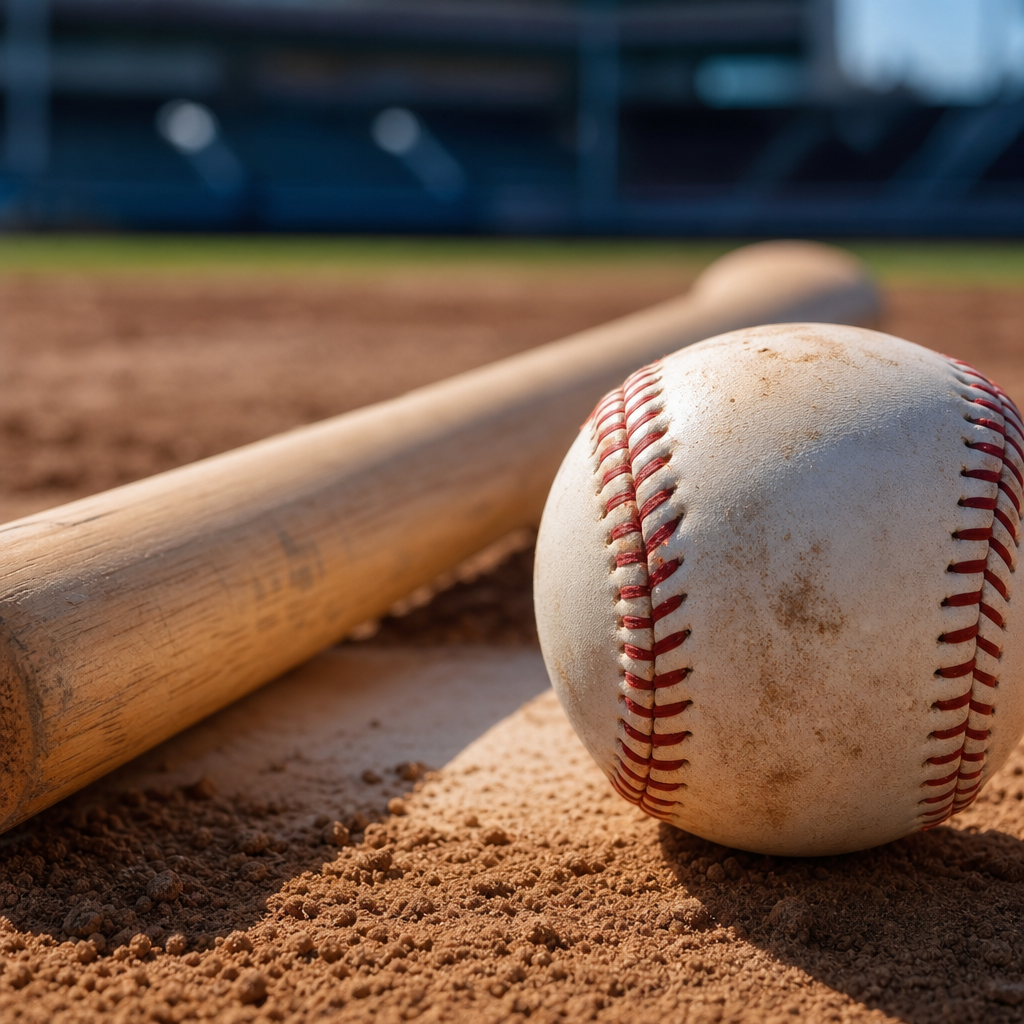
Nanotechnology in baseball is moving from speculative lab work to practical experimentation, and that shift matters because the sport is built on tiny margins. A few grams of bat weight, a fraction of seam height, or a slight change in cleat grip can influence swing speed, spin efficiency, injury risk, and recovery time. When people ask whether nanotechnology in baseball is the next big thing, they are really asking whether engineered materials and nanoscale surface treatments can deliver measurable performance, safety, and durability gains without violating rules or compromising trust. The short answer is yes, but only in specific categories, and only if teams, manufacturers, and governing bodies manage the tradeoffs carefully.
Nanotechnology refers to the design and manipulation of materials at roughly 1 to 100 nanometers, where substances often behave differently than they do at conventional scales. In baseball, that usually means coatings, composites, fibers, sensors, and medical applications rather than science-fiction machines. I have worked on sports technology launches where the hard part was never making a prototype perform in controlled conditions; it was translating a material science advantage into something durable, legal, affordable, and accepted by players. Baseball is especially demanding because its equipment standards are tightly regulated, its culture is tradition-heavy, and its outcomes are intensely scrutinized.
This hub article covers future gazing and predictive trends across the full baseball ecosystem: bats, balls, protective gear, uniforms, playing surfaces, athlete monitoring, medicine, sustainability, regulation, and commercialization. It also frames the questions readers usually have: What is nanotechnology in baseball, where will it arrive first, what benefits are realistic, what risks are underestimated, and which developments deserve the closest attention over the next decade? The topic matters because innovation in baseball rarely appears all at once. It enters through training tools, rehabilitation products, and durability upgrades, then gradually reaches on-field use if standards organizations, leagues, and consumers see clear value.
Where Nanotechnology Will Show Up First in Baseball Equipment
The first major impact will not be a radically different baseball bat or a self-correcting smart ball. It will be incremental upgrades in coatings, composite layups, and wear-resistant surfaces. That pattern mirrors what happened in cycling, tennis, and running shoes. Carbon nanotubes and graphene-enhanced composites can improve stiffness-to-weight ratios in bats, but league and manufacturer standards limit how far designers can go before feel, certification, and competitive fairness become issues. In practice, the near-term opportunity is more modest: reducing microfractures, improving vibration damping, and extending usable life in training bats and consumer models.
Protective gear is a more likely early winner. Catcher’s masks, batting helmets, protective inserts, and sliding mitts can benefit from nanostructured foams, shear-thickening materials, and antimicrobial nanocoatings. Players and equipment managers care about impact attenuation, sweat resistance, odor control, and weight reduction. Those are ideal use cases because they deliver value without changing the essence of the game. I would expect manufacturers to market these advances as durability and comfort improvements first, then document how they affect heat management and force dispersion through third-party testing.
Baseballs themselves are more sensitive. Even tiny variations in leather treatment, seam integrity, coefficient of restitution, moisture handling, or surface roughness can alter drag and grip. That means nanoscale coatings on baseballs face a high regulatory bar. Training balls, however, are different. Expect growth in weather-resistant practice balls, seam-preserving coatings for high-volume use, and sensor-enabled development balls that rely on miniaturized materials rather than traditional electronics packages. These products are easier to test, easier to explain to coaches, and less likely to trigger controversy than game-ball alterations.
Performance, Recovery, and Monitoring: The Most Plausible Growth Path
When evaluating future baseball technology, I always separate direct performance enhancement from support systems. Direct enhancement faces rules and perception problems. Support systems often move faster because they improve preparation rather than game-day legality. Nanotechnology is positioned strongly in this second category. Moisture-wicking fabrics with nanoscale treatments, lightweight compression wear, blister-resistant glove linings, and rehab textiles with embedded sensors all fit modern player development workflows. Teams already invest heavily in force plates, markerless motion capture, bat sensors, and biomechanics labs. Nano-enabled wearables are a logical extension.
Recovery is another realistic growth channel. Nanofiber scaffolds in tissue engineering, targeted drug delivery research, antimicrobial wound dressings, and smart bandages that monitor healing are established areas of medical and materials science. Not all of that will appear in clubhouses soon, but some elements already align with baseball needs. Pitchers deal with repetitive stress, hitters deal with hand and wrist issues, and catchers absorb chronic impact. Products that reduce inflammation risk, improve brace comfort, or provide more precise recovery monitoring could reach elite baseball through sports medicine providers before the public notices the nanotechnology label at all.
The commercial signal to watch is not whether every major league team announces a nano initiative. It is whether sports medicine firms, protective gear brands, and training equipment companies begin filing more patents, publishing more validation studies, and partnering with biomechanics labs. Baseball technology tends to spread through trusted intermediaries: athletic trainers, strength coaches, university programs, private hitting labs, and rehabilitation clinics. If those groups adopt nano-enabled recovery and monitoring tools, the category will become durable rather than trendy.
Applications, Benefits, and Adoption Barriers
The most useful way to assess nanotechnology in baseball is by comparing likely applications against practical constraints. The table below reflects the pattern I see across product development, certification, and team adoption.
| Application | Primary Benefit | Main Barrier | Near-Term Outlook |
|---|---|---|---|
| Composite bat materials | Better durability and vibration control | Certification limits and player feel | Moderate growth in training and consumer segments |
| Helmet and catcher gear materials | Lower weight with improved impact management | Cost and validation testing | Strong adoption potential |
| Nano-treated uniforms and gloves | Moisture control, odor resistance, reduced abrasion | Wash-cycle durability | High adoption potential |
| Ball coatings and seam treatments | Weather resistance and consistent surface properties | Rule sensitivity and fairness concerns | Limited to training first |
| Wearable sensors and smart rehab textiles | Better monitoring and individualized recovery | Data integration and privacy | Very strong adoption potential |
| Nanomedicine and tissue repair tools | More precise treatment and healing support | Medical regulation and evidence standards | Gradual elite-level adoption |
The pattern is clear. The closer an application gets to directly changing game equipment behavior, the more scrutiny it will face. The closer it is to comfort, safety, hygiene, or recovery, the faster it can scale. That distinction matters for anyone researching innovations and changes in baseball because it explains why some technologies jump from prototype to product while others stall for years.
Rules, Standards, and the Trust Problem
Every future trend in baseball has to pass through a legitimacy filter. A material can work perfectly in a lab and still fail in the market if players think it creates an unfair advantage or if leagues cannot measure compliance consistently. That is why standards bodies and certification protocols matter as much as the science. USA Baseball bat standards, BBCOR performance limits, NOCSAE helmet testing, ASTM methods for protective equipment, and league-specific equipment rules all shape what can realistically reach the field. Nanotechnology will not bypass those systems; it will be judged through them.
There is also a communication challenge. Fans and players often hear “nano” and imagine hidden performance enhancement. Manufacturers need to be exact about what a material does. Does it increase abrasion resistance? Improve force distribution? Reduce bacterial buildup? Extend structural integrity under repeated impacts? Those are credible claims when backed by repeatable test methods. Vague promises about “revolutionary performance” will draw skepticism, and rightly so. In my experience, the fastest way to lose trust in sports tech is to describe a materials upgrade in marketing language that outruns the validation data.
Expect governing bodies to be conservative with anything touching ball flight, bat performance, or pitcher grip. Expect them to be more open to safety and durability innovations if the testing is transparent. That means the winners in this space will be companies that treat compliance as a design input from day one, not a problem to solve after the launch deck is finished.
Future Trends: What the Next Decade Is Likely to Bring
Over the next ten years, nanotechnology in baseball will probably evolve in four phases. First, consumer-visible upgrades will appear in apparel, gloves, protective gear, and training aids. Second, elite programs will deepen their use of nano-enabled wearables, smart rehab products, and advanced medical materials through sports science departments. Third, manufacturers will improve process consistency in composites and coatings, making equipment more durable and predictable rather than dramatically more powerful. Fourth, if testing and governance keep pace, some nano-derived material innovations may influence certified on-field products in subtle, approved ways.
Several broader forces support that forecast. One is the maturation of graphene, nanofiber, and advanced polymer manufacturing, which is making once-experimental materials more commercially viable. Another is the normalization of individualized player development. Baseball now accepts high-speed video, edgertronic cameras, bat sensors, Hawkeye tracking, K-Vest systems, and force-plate assessment as part of serious training environments. Once teams get comfortable integrating new data streams, nano-enabled monitoring tools have a clearer path. A third driver is sustainability. Longer-lasting coatings, more durable textiles, and lower-material-weight designs can reduce replacement cycles, which appeals to both clubs and consumers.
The main limitation is that nanotechnology is not a shortcut around baseball’s fundamentals. It will not replace swing decisions, command, pitch design, or strength development. It will matter most when it improves consistency, reduces avoidable losses, and supports healthier workloads. That may sound less dramatic than futuristic headlines, but it is how meaningful innovation usually wins in professional sport. For readers following future gazing and predictive trends, the smart approach is to track adoption in training rooms, equipment labs, and player development systems before expecting dramatic changes under stadium lights.
Nanotechnology in baseball is the next big thing only if “big” is defined correctly. The breakthrough is unlikely to be a single headline product that transforms the sport overnight. It will be a steady wave of material and medical advances that make equipment lighter, safer, more durable, and more precisely tuned to athlete needs. The most credible near-term gains are in helmets, catcher’s gear, gloves, uniforms, recovery products, and monitoring systems. The most restricted area will remain game-critical equipment such as bats and baseballs, where certification, fairness, and public trust carry enormous weight.
For teams, coaches, parents, and equipment buyers, the key question is not whether nano-labeled products exist. It is whether a product solves a real baseball problem, complies with standards, and shows evidence beyond marketing copy. Look for independent testing, named material properties, and practical performance outcomes such as reduced vibration, better impact attenuation, improved moisture handling, or stronger durability after repeated use. Those indicators separate meaningful innovation from speculative branding.
As a hub within innovations and changes in baseball, this page sets the framework for evaluating future trends across equipment, player health, analytics integration, and regulation. The core takeaway is simple: nanotechnology will influence baseball first through support systems, then through approved material improvements, and only later through broader on-field adoption. Watch the categories where science, rules, and player trust align. If you want to stay ahead of the sport’s next shift, start by following the products and practices that quietly improve preparation, protection, and recovery today.
Frequently Asked Questions
What does nanotechnology in baseball actually mean?
Nanotechnology in baseball refers to the use of materials, coatings, and engineered surface structures designed at the nanoscale to improve how equipment performs and how players recover. In practical terms, that can include nano-enhanced bat composites, ultra-thin protective coatings on balls or gear, moisture-resistant glove treatments, lighter and stronger helmet materials, and performance fabrics that better regulate heat and sweat. The key idea is that when scientists and manufacturers manipulate matter at an extremely small scale, they can change larger physical properties such as weight, durability, grip, flexibility, and energy transfer.
That matters in baseball because the sport is decided by very small differences. A slight adjustment in bat balance can affect swing path and bat speed. A tiny change in the surface behavior of a baseball can influence grip, spin, and pitch consistency. Even subtle improvements in cleat traction or padding performance can affect player stability, comfort, and injury prevention over a long season. So when people talk about nanotechnology in baseball, they are not usually imagining science fiction. They are talking about highly targeted, measurable refinements that could reshape equipment design and player support in ways that fit the sport’s obsession with marginal gains.
How could nanotechnology improve bats, balls, and other baseball equipment?
Nanotechnology could improve baseball equipment by making it lighter, stronger, more durable, and more precisely tuned for specific performance goals. With bats, nano-engineered composites or resin systems may allow manufacturers to adjust stiffness, vibration dampening, and weight distribution without adding bulk. That could help players generate faster swings while reducing harsh feedback on mishits. For hitters, that combination is especially valuable because comfort and barrel control are closely tied to confidence and consistency at the plate.
Baseballs and their surrounding equipment could also benefit from nanoscale innovation. Surface treatments might be used to increase water resistance, reduce uneven wear, or preserve more uniform tactile feel under changing weather conditions. On the fielding side, gloves could incorporate nano-treated leather or synthetic materials that improve flexibility, durability, and moisture management. Cleats might use advanced nanomaterials in the sole and upper to improve traction, reduce weight, and maintain structural support through repeated stress. Protective gear such as helmets, shin guards, and catcher’s equipment could become lighter while still meeting or exceeding impact standards. The real advantage is not one dramatic breakthrough, but a series of smaller improvements that together enhance performance, comfort, and reliability across the entire game.
Can nanotechnology help baseball players prevent injuries and recover faster?
Yes, and this is one of the most promising areas of application. Nanotechnology is not just about making equipment perform better; it also has the potential to support player health in meaningful ways. Nano-engineered materials can be used in compression garments, braces, padding, and wearable recovery products to improve breathability, temperature regulation, and fit. Better heat management and moisture control may sound minor, but over a long season they can reduce discomfort, irritation, and fatigue, all of which affect how athletes move and recover.
There is also growing interest in medical and therapeutic uses connected to sports science, including nano-based delivery systems for anti-inflammatory treatments, tissue-healing research, and smart wearables that monitor stress and workload. In a baseball context, where overuse injuries to the shoulder, elbow, wrist, and lower body are common, even modest improvements in monitoring and recovery could have major value. That said, it is important to be realistic. Not every idea moves from the lab to the clubhouse, and claims about recovery benefits need strong clinical evidence. The most credible expectation is that nanotechnology will contribute to broader sports medicine strategies rather than act as a miracle cure. Its role is likely to be incremental but meaningful, especially in reducing wear and tear and improving how athletes manage the demands of training and competition.
Are there rules or ethical concerns about using nanotechnology in baseball?
Absolutely. Any new technology that affects performance, safety, or competitive balance raises both regulatory and ethical questions. Baseball has a long history of managing equipment standards, from bat construction rules to ball specifications, and nanotechnology would be subject to the same scrutiny. If a nano-enhanced bat changes energy transfer too much, or if a ball coating alters grip or aerodynamics beyond accepted tolerances, governing bodies would need to decide whether those modifications preserve the integrity of the game. At the professional and amateur levels alike, equipment approval processes would become increasingly important as materials science grows more sophisticated.
There are also fairness concerns. If nano-enhanced gear is expensive and only available to elite programs or wealthy players, it could widen existing gaps in access and development. On the medical side, questions may arise about where legitimate recovery support ends and unfair enhancement begins. Transparency, testing, and clear rulemaking will be critical. The central issue is not whether innovation is good or bad. It is whether innovation can be introduced in a way that protects player safety, keeps competition credible, and ensures that technology supports skill rather than replacing it. Baseball tends to embrace change slowly, so any nanotechnology that becomes mainstream will likely do so under close oversight.
Is nanotechnology in baseball really the next big thing, or is it still overhyped?
The most accurate answer is that nanotechnology in baseball is neither pure hype nor an immediate revolution. It is better understood as an emerging layer of innovation that is moving from theory toward practical use. The reason it gets so much attention is that baseball is uniquely sensitive to fine technical adjustments. Small changes in material strength, weight distribution, surface texture, or recovery support can produce noticeable effects over time. That makes the sport a natural candidate for nanotechnology, especially in areas where performance gains can be measured and repeated.
Still, the phrase “next big thing” can be misleading if it suggests one dramatic breakthrough that changes baseball overnight. What is more likely is a steady rollout of nano-informed improvements in equipment manufacturing, protective gear, training tools, and sports medicine. Some applications will prove valuable, while others will fail to justify the cost or complexity. The technologies that last will be the ones that deliver clear advantages without compromising rules, safety, or trust. So yes, nanotechnology could become a major influence in baseball, but probably as a quiet, cumulative force rather than a flashy transformation. In a sport defined by tiny margins, that may be exactly why it matters so much.