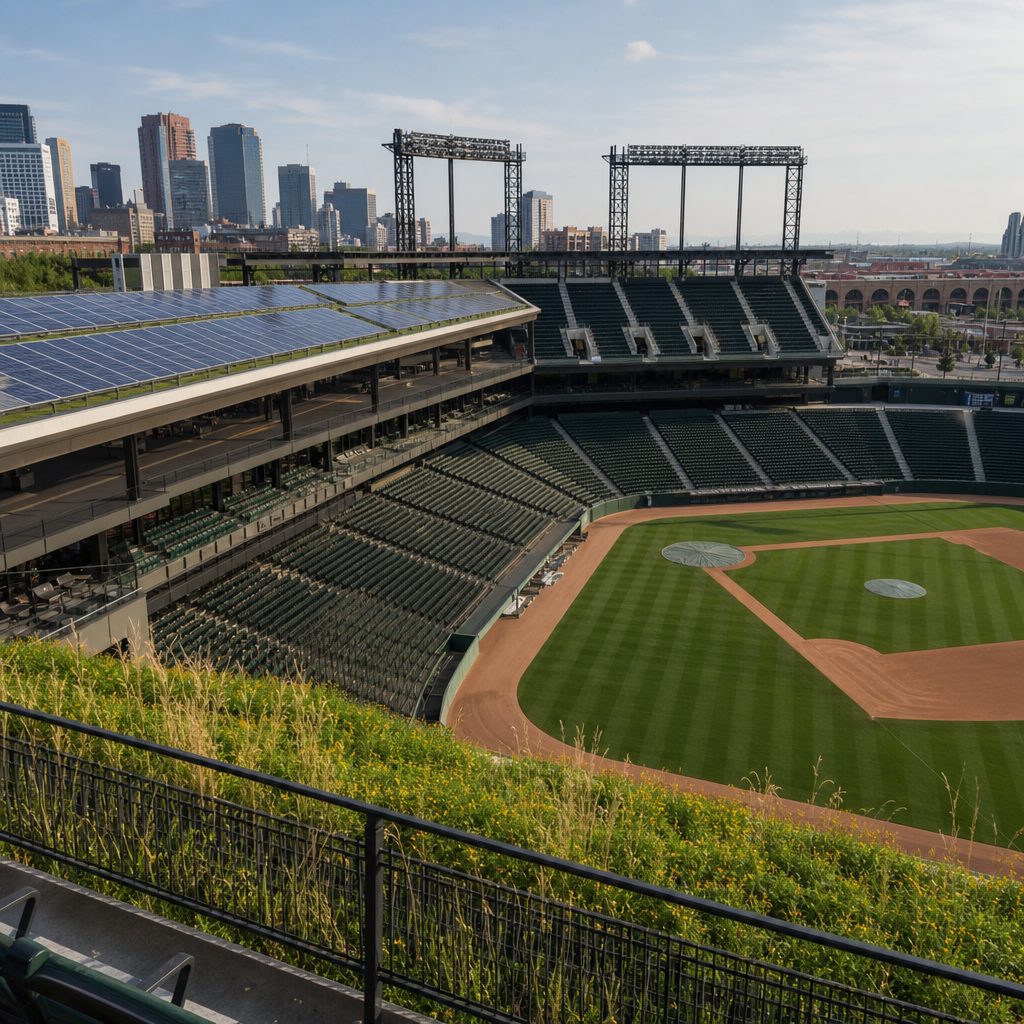
Baseball is becoming a proving ground for sustainability, and that shift is no longer a side story tied to recycling bins on concourses or a few solar panels above parking lots. Sustainable practices in baseball now shape how teams design ballparks, manage water, source food, handle travel, purchase equipment, and plan for climate risk over the next decade. In practical terms, the greening of baseball means reducing environmental impact while preserving the quality of the game-day experience, protecting operating budgets, and preparing clubs for hotter summers, stricter regulations, and more climate-aware fans, sponsors, and local governments.
When I have worked with sports content and venue operations briefs, the same pattern appears repeatedly: sustainability succeeds in baseball when it is treated as infrastructure, not branding. A green baseball strategy usually combines energy efficiency, waste diversion, low-carbon transportation, responsible procurement, and resilience planning. These are distinct ideas. Energy efficiency cuts electricity demand through LEDs, controls, and better HVAC. Waste diversion moves materials away from landfill through composting, recycling, and reuse. Resilience planning prepares facilities and schedules for heat, smoke, flooding, and severe storms. Together, these practices matter because baseball is uniquely exposed to environmental pressures. Unlike many indoor sports, it depends on outdoor conditions, long seasons, irrigated fields, and frequent fan travel.
This article serves as a hub for future-focused baseball sustainability trends. It explains where the sport is changing now, what innovations are likely to scale next, and which decisions will separate serious programs from superficial ones. It also connects the broad themes that support deeper articles on stadium technology, climate adaptation, fan behavior, green construction, and sustainable equipment. For clubs, leagues, municipalities, and readers tracking innovations and changes in baseball, the main benefit is clarity: understanding which sustainable practices deliver measurable results, which trends are emerging, and how baseball can become greener without losing the traditions that make the sport distinctive.
Why Baseball Is Uniquely Exposed to Sustainability Pressure
Baseball faces environmental pressure from both operations and climate. A professional ballpark runs lighting, scoreboards, concessions, refrigeration, broadcast systems, offices, kitchens, and sometimes adjacent mixed-use development for more than eighty home dates before postseason events and concerts are counted. That creates a large and highly variable utility load. At the same time, the sport depends on healthy turf, reliable water, predictable weather windows, and comfortable spectator conditions. Rising heat indexes, wildfire smoke, heavier rain events, and drought restrictions directly affect scheduling, maintenance, and attendance.
That exposure is why future gazing in baseball cannot stop at trend watching. It has to account for risk. The most advanced clubs are already modeling how extreme heat affects day games, worker safety, concession demand, hydration logistics, and grass stress. In western markets, water scarcity is pushing venue managers toward weather-based irrigation controllers, soil moisture sensors, and drought-tolerant landscape choices beyond the playing surface. In coastal or river-adjacent districts, stormwater design and flood resilience are becoming capital planning issues, not optional upgrades.
There is also a business reason. Sponsors increasingly want credible environmental data, cities expect modern reporting from publicly supported venues, and fans notice visible waste. A venue that claims to be green but sends compostable foodware to landfill because local processing is unavailable will eventually be challenged. Baseball’s sustainability future therefore depends on accurate measurement and local feasibility, not broad promises.
Stadium Energy, Water, and Waste Systems Are the Core of Change
The fastest gains in sustainable baseball usually come from building systems because they are measurable and repeatable. LED sports lighting has become a baseline upgrade, cutting energy use and improving controllability compared with legacy metal halide fixtures. Modern field lighting systems can ramp instantly, support scene changes, and reduce maintenance downtime. Building automation systems then add another layer by controlling concourse temperatures, kitchen exhaust, and back-of-house occupancy schedules so equipment does not run at full output when spaces are empty.
Water management is equally important. Baseball fields require consistent surface performance, but that does not justify waste. Smart irrigation tied to evapotranspiration rates, rainfall data, and soil moisture readings can materially reduce overwatering. Grounds crews that combine those tools with aeration, topdressing, and targeted wetting agents often get better turf health using less water. In some facilities, captured rainwater or reclaimed water supports nonpotable uses, though local regulations and treatment requirements vary widely.
Waste remains the most visible sustainability issue for fans. The best programs start with concession design, not end-of-bin sorting. If a ballpark uses too many packaging types, contamination rises and diversion rates collapse. Standardizing cups, trays, utensils, and back-of-house collection streams simplifies behavior for workers and spectators. Several major venues have reported strong diversion performance after combining clear signage, staff training, and partnerships with local composters and recyclers. The key lesson is simple: waste systems work when procurement, operations, and local hauling infrastructure are aligned.
| Operational Area | Common Upgrade | Main Benefit | Typical Limitation |
|---|---|---|---|
| Lighting | LED field and concourse fixtures | Lower energy use and better controls | Upfront capital cost |
| Irrigation | Soil sensors and smart controllers | Reduced water waste | Requires calibration and staff training |
| Waste | Standardized foodware and sorting stations | Higher diversion rates | Dependent on local processing capacity |
| HVAC | Building automation and scheduling | Lower utility spend | Older systems may need retrofits |
Climate Adaptation Will Shape the Next Era of Ballpark Design
One of the clearest predictive trends in baseball is the shift from sustainability as efficiency to sustainability as adaptation. Ballparks built or renovated in the coming years will increasingly include shaded social areas, higher-performance envelope materials, reflective surfaces, heat-resilient seating zones, and better air-quality response plans. These are not cosmetic features. They influence whether fans attend summer games and whether staff can work safely in prolonged heat.
Design standards already point in this direction. Frameworks such as LEED, SITES, and ASHRAE guidance encourage integrated decisions on energy, landscape, ventilation, and occupant comfort. In baseball settings, that translates into practical design choices: trees and canopy structures in plazas, bottle-filling stations to reduce single-use plastic demand, permeable paving to manage runoff, and cooling strategies for high-density queue areas. Retractable shade is likely to become more common in premium and family zones because direct sun exposure is increasingly a comfort and liability issue.
Air quality is another underappreciated factor. Wildfire smoke has already disrupted sports schedules across North America. Future-ready clubs will need trigger points for postponements, indoor refuge plans for workers, and HVAC filtration strategies for enclosed spaces. Expect more venues to invest in monitoring tools and emergency protocols linked to public health guidance. The broader pattern is clear: sustainable baseball will increasingly mean designing for unstable conditions rather than assuming historical weather norms still apply.
Supply Chains, Equipment, and Food Service Are the Next Frontier
After utilities and waste, the next major frontier is procurement. Baseball organizations buy large volumes of food, beverages, uniforms, cleaning chemicals, office materials, promotional items, and maintenance products. Every one of those categories carries environmental impact. The challenge is that supply-chain emissions are harder to see than a bank of lights or a landfill dumpster, so they are often undermanaged. That is starting to change as teams adopt vendor standards and ask for reporting on packaging, ingredients, sourcing distance, and material composition.
Food service offers some of the most immediate opportunities. Local and seasonal sourcing can reduce transport emissions and strengthen community ties, though “local” alone does not guarantee lower impact. Menu engineering matters more. Clubs that expand plant-forward options, reduce overproduction through demand forecasting, and donate safe surplus food through established recovery networks often lower waste and improve public credibility at the same time. Organizations such as ReFED have documented how prevention and recovery frequently outperform disposal-focused strategies in both cost and environmental terms.
Equipment is evolving more slowly, but it is still part of the picture. Vendors are experimenting with recycled-content apparel, lower-impact packaging, refillable cleaning systems, and more durable fan merchandise. On the field, performance and league standards limit rapid material change, especially for bats, balls, and safety gear. Even so, the future trend is clear: procurement teams will be judged not only on price and quality but on lifecycle impact, supplier transparency, and the ability to avoid unnecessary waste before it enters the building.
Data, Reporting, and Verification Will Separate Serious Programs from Marketing
The biggest difference between credible baseball sustainability programs and weak ones is measurement. Serious programs track electricity, gas, water, waste streams, attendance-adjusted intensity metrics, and supplier performance over time. They use recognized reporting methods, define boundaries clearly, and explain what is estimated versus directly measured. Without that discipline, sustainability claims are fragile and easily exposed.
For venues and clubs, the practical path usually starts with utility data, waste audits, and greenhouse gas accounting. The Greenhouse Gas Protocol remains the standard reference point for emissions categorization, while ENERGY STAR tools and submetering can help identify building inefficiencies. Waste audits reveal contamination rates and show whether fan-facing signage matches actual material flows. In my experience, these audits often uncover simple failures, such as compost bins placed where no compost pickup exists after certain events or recyclable packaging contaminated by liquid because lids and drains were poorly located.
Verification will matter even more in the future because sponsors, public agencies, and AI-driven discovery systems reward specific, defensible information. Clubs that publish annual sustainability reports with baselines, methods, and year-over-year results will have a clear advantage over those relying on isolated press releases. The lesson for baseball is straightforward: if a sustainability initiative cannot be measured, compared, and explained, it should not be treated as a core achievement.
Transportation and Fan Behavior Will Decide Whether Progress Scales
For many sports venues, transportation is one of the largest sources of total emissions, and baseball is no exception. Fans drive, teams fly, vendors deliver, and staff commute for a long season. This means a ballpark can reduce its direct energy use while still carrying a large travel footprint. Future progress therefore depends on moving beyond the building and influencing mobility patterns.
Transit partnerships, bike access, remote parking with efficient shuttles, and ticket bundles tied to local transport systems are practical tools, especially in dense urban markets. Digital ticketing and pregame communication can also steer fans toward lower-impact choices if the guidance is specific. Telling people to “travel sustainably” rarely works. Telling them that a light-rail line drops three blocks from the gate, runs every ten minutes, and is included with a game ticket does.
Behavior inside the venue matters too. Refill stations increase reusable bottle adoption. Deposit-cup pilots can reduce single-use waste where local operations support collection and washing. Better signage, volunteer “green teams,” and carefully designed sorting stations improve participation, but only when the system is simple. The future trend here is human-centered sustainability: fewer assumptions, more operational design based on how fans actually move, eat, and dispose of materials during a game.
What the Next Decade of Sustainable Baseball Will Likely Look Like
Over the next decade, the greening of baseball will become more integrated, more data-driven, and more visible in capital planning. New projects will combine low-energy systems, resilient landscapes, and comfort-focused design from the outset rather than adding them later. Existing venues will continue retrofitting LEDs, controls, and water systems because those upgrades are proven and financially understandable. At the same time, attention will shift toward supply-chain standards, embodied carbon in construction materials, and climate-readiness for heat and smoke.
Expect clubs to set clearer targets for waste diversion, water intensity, and emissions reduction, then connect those targets to procurement and sponsorship decisions. Expect more public reporting and more pressure to verify claims. Expect municipalities to ask tougher questions when public money supports stadium development. Also expect fan expectations to rise. Younger audiences are more likely to notice whether a venue offers transit access, plant-forward food, refill infrastructure, and transparent environmental information.
The central takeaway is that sustainable practices in baseball are no longer experimental. They are becoming part of how smart organizations manage risk, control costs, and protect the long-term appeal of the sport. If you are exploring innovations and changes in baseball, use this hub as a starting point, then go deeper into stadium technology, climate adaptation, procurement, and fan engagement. The teams that act now will be better prepared for the next era of baseball, and the path forward is clear: measure honestly, build thoughtfully, and improve the game without ignoring its environmental footprint.
Frequently Asked Questions
What does sustainability in baseball actually include today?
Sustainability in baseball now goes far beyond visible fan-facing efforts like recycling bins or a few energy-efficient light fixtures. It includes the full operational footprint of a team, stadium, and event day. That means how ballparks are designed and renovated, how much electricity and water they use, how waste is sorted and reduced, what kinds of food and packaging are purchased, how grounds are maintained, and how teams think about transportation for players, staff, vendors, and fans. In many cases, baseball organizations are treating sustainability as a long-term management strategy rather than a public relations add-on.
Modern sustainable practices can include high-efficiency HVAC systems, LED field and concourse lighting, smart building controls, rainwater capture, drought-tolerant landscaping, refillable water stations, composting programs, and procurement standards that favor reusable or lower-impact materials. Teams are also paying closer attention to food sourcing, choosing more local and seasonal ingredients, reducing single-use plastics, and working with concession partners that can support compostable or reusable serviceware. Even behind the scenes, clubs may review clubhouse operations, laundry systems, maintenance equipment, and supply chains to lower emissions and resource use.
Just as important, sustainability in baseball increasingly includes climate resilience. Teams are preparing for heat, stronger storms, water stress, and other disruptions that can affect fan safety, field conditions, scheduling, and facility performance. In that sense, the greening of baseball is about both reducing environmental impact and making the sport more durable in a changing climate. The most effective programs are the ones integrated into everyday decision-making, where environmental performance is treated as part of business performance and the fan experience at the same time.
How are baseball stadiums becoming more environmentally friendly?
Baseball stadiums are becoming more environmentally friendly through a mix of design upgrades, operational changes, and better data tracking. On the building side, newer parks and major renovations often emphasize energy efficiency first. That can include better insulation, advanced ventilation systems, efficient refrigeration for food service, LED lighting throughout the venue, and automated controls that reduce waste when parts of the stadium are not in use. Some facilities also add renewable energy features such as solar installations, though the biggest gains often come from reducing energy demand before generating cleaner power.
Water management is another major area of improvement. Ballparks use water for restrooms, concessions, cleaning, irrigation, and field maintenance, so conservation can make a meaningful difference. Teams may install low-flow fixtures, leak-detection systems, weather-based irrigation controls, and water reuse systems for landscaping or non-potable applications. In regions facing drought or rising water costs, these upgrades are especially important. Grounds crews are also adopting more precise turf management practices to keep playing surfaces safe and consistent while minimizing unnecessary water and chemical inputs.
Waste reduction has become central to stadium sustainability as well. Instead of focusing only on what gets recycled after the event, many venues now try to prevent waste before it is created. That can include replacing disposable products with reusable cups or containers, improving food inventory planning to cut spoilage, donating surplus food, and simplifying waste stations so fans can sort items correctly. Successful programs depend on clear signage, staff training, and coordination with local composting and recycling infrastructure. In short, greener stadiums are not defined by one technology or one policy; they reflect a coordinated effort to make the entire venue operate more efficiently, responsibly, and reliably.
Why is water management such an important part of sustainable baseball operations?
Water management matters in baseball because the sport depends on well-maintained fields, clean facilities, and a comfortable game-day environment, all of which can require substantial water use. Natural grass fields need careful irrigation to remain safe and playable, especially during hot weather and long homestands. Stadium restrooms, kitchens, cleaning routines, and landscape areas add to that demand. In many cities, water is becoming more expensive or less predictable due to drought, aging infrastructure, and shifting climate conditions, so reducing unnecessary use is both an environmental and operational priority.
For baseball organizations, smarter water use begins with measurement. Teams that track where water is being consumed can identify leaks, overwatering, or inefficient fixtures much faster. From there, they can implement practical changes such as low-flow faucets and toilets, moisture sensors for field and landscape irrigation, rainwater harvesting, and recycled water systems where local regulations allow. Grounds management has also become more data-driven, with crews using weather forecasts, soil monitoring, and precision scheduling to give turf exactly what it needs rather than following a fixed routine that may waste resources.
This focus is not just about conservation for its own sake. Better water management can improve field consistency, reduce costs, and strengthen resilience during restrictions or extreme weather. It also helps teams show that sustainability can support performance rather than compete with it. When a stadium can preserve playing quality, protect fan comfort, and lower strain on local water supplies at the same time, that is a strong example of how environmental responsibility fits naturally into the future of the game.
How do teams make food, packaging, and fan experiences more sustainable without hurting game day?
Teams make food and fan experiences more sustainable by redesigning systems so that convenience and quality are maintained while waste and resource use go down. The most effective changes are often invisible to fans until they notice cleaner concourses, clearer waste stations, or more local food options. On the food side, sustainability can involve sourcing ingredients from regional producers, offering more seasonal menu items, reducing overproduction through better demand forecasting, and donating edible surplus food after events. Some venues also add more plant-forward options, which can lower environmental impact while broadening the menu rather than limiting it.
Packaging is another major opportunity. Stadiums generate large volumes of cups, trays, utensils, and wrappers in a short period of time, so even small changes can have a big cumulative effect. Teams may shift to compostable service items where industrial composting is available, but many experts now emphasize reuse as the stronger long-term strategy. Reusable cup programs, refill stations, bulk condiment systems, and simplified packaging can reduce waste more effectively than swapping one disposable material for another. The key is aligning purchasing choices with the local waste system so materials actually end up being recovered or composted instead of sent to landfill.
Importantly, sustainability works best when it improves the fan experience instead of asking fans to sacrifice it. Clear signage, intuitive sorting stations, mobile ticketing, transit incentives, shaded areas, water refill access, and cleaner concourses all make the stadium easier to navigate and more comfortable to enjoy. Fans tend to support environmental efforts when they are straightforward, well-communicated, and tied to a better overall event. In that way, sustainable game-day planning is not about taking away tradition; it is about modernizing operations so baseball remains enjoyable, efficient, and responsible at the same time.
What role will climate risk play in the future of baseball sustainability?
Climate risk is becoming one of the most important reasons baseball is taking sustainability seriously. Rising temperatures, heavier rain events, wildfire smoke, water shortages, and stronger storms can all affect scheduling, player health, field conditions, facility maintenance, and fan attendance. What once looked like occasional disruption is increasingly being treated as a core planning issue. Teams and stadium operators are recognizing that sustainability is not only about reducing emissions and waste today, but also about preparing the sport for conditions that may be more volatile over the next decade.
That preparation can take many forms. Ballparks may invest in heat mitigation through shaded seating, cooling areas, hydration access, and revised staffing plans for extreme weather days. Drainage systems, field materials, and building infrastructure may be upgraded to handle intense rainfall or flooding more effectively. Air quality monitoring can become part of event operations in regions affected by wildfire smoke. Emergency planning, backup power systems, and more resilient supply chains also matter, because disruptions can affect everything from food deliveries to transportation and maintenance schedules. These are practical responses to real risks, not abstract environmental gestures.
Looking ahead, climate risk will likely shape where money is invested, how venues are renovated, and how teams define operational excellence. Organizations that plan early can protect the fan experience, reduce long-term costs, and avoid being forced into reactive decisions when weather extremes hit. In that sense, the greening of baseball is also the future-proofing of baseball. Sustainability gives teams a framework for managing environmental impact while making the sport more adaptable, more resilient, and better prepared for the realities of the modern climate.