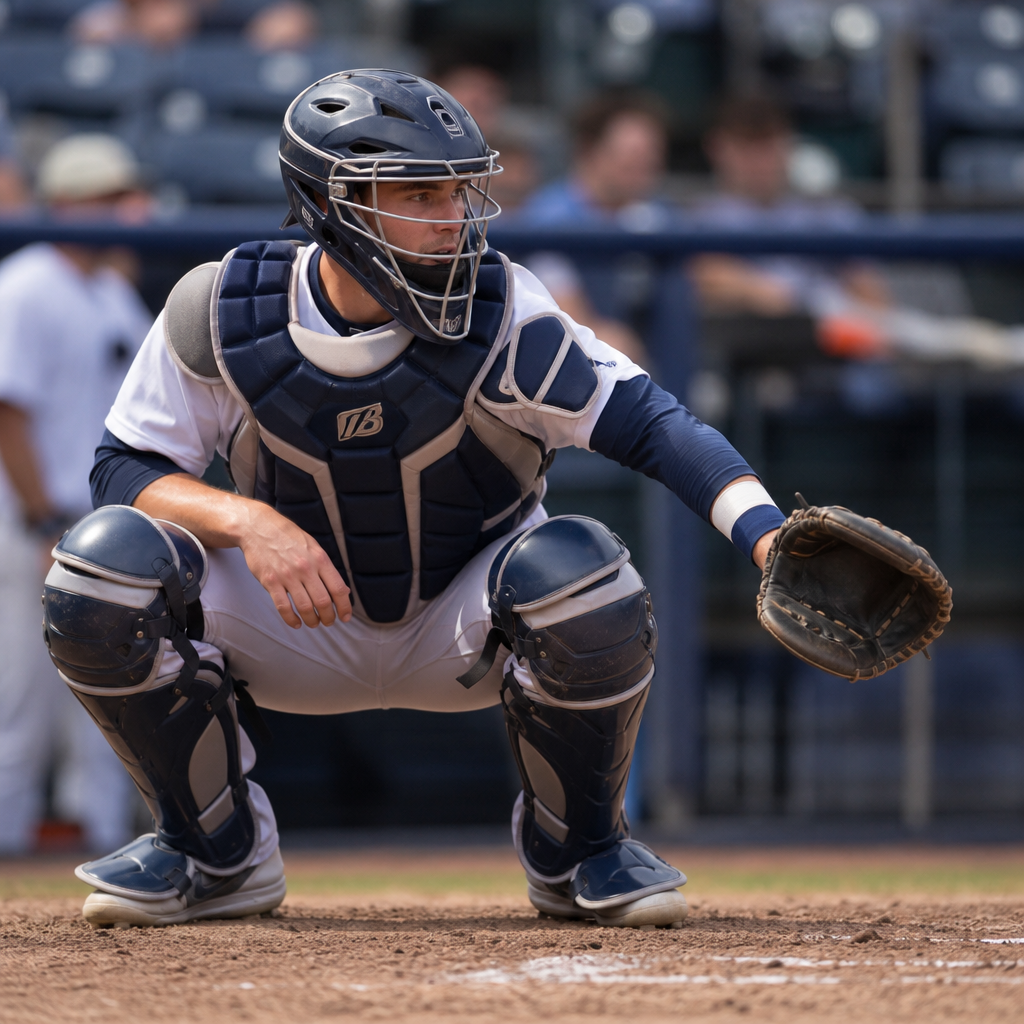
Catcher’s gear has changed more in the last two decades than many players realize, moving from bulky protective equipment into a highly engineered system designed to absorb force, manage heat, improve fit, and preserve movement behind the plate. In baseball and softball, catcher’s gear usually means the helmet or mask, chest protector, leg guards, protective cup, and accessories such as throat guards, knee savers, and moisture-managing base layers. Innovative catcher’s gear refers to new materials, better biomechanics, and smarter manufacturing methods that reduce injury risk without turning the athlete into a statue. That balance matters because catchers squat hundreds of times per game, block pitches in the dirt, receive high-velocity fastballs, absorb foul tips, and still need to throw runners out in fractions of a second.
I have worked with youth, high school, and adult catchers fitting equipment before seasons and replacing damaged sets after heavy use, and the pattern is always the same: the best gear is not simply the thickest or most expensive. It is the gear that protects against repeated impact while allowing the catcher to move naturally through receiving, blocking, transfer, and throwing. That is why this topic sits at the center of technological advancements in equipment. Improvements in foam density, shell geometry, ventilation, strap design, antimicrobial liners, and modular sizing influence performance as much as comfort. For coaches, parents, and players building a complete view of baseball equipment innovation, catcher’s gear is one of the clearest examples of how design can change the game from the ground up.
Why catcher’s gear innovation matters in modern baseball
Modern baseball is faster, stronger, and more specialized than it was in earlier eras. Pitch velocities continue to rise at every competitive level, spin rates are higher, and training volume has increased. Those trends place more physical stress on catchers than on almost any other position. A catcher may spend seven innings in a loaded squat, pop to the feet dozens of times, frame pitches on the edges, and block balls from pitchers throwing in the mid-90s. The old tradeoff was simple: more protection meant less mobility. Today, manufacturers are trying to eliminate that compromise through better impact management and anatomical design.
The key question searchers usually ask is straightforward: what makes innovative catcher’s gear different from traditional gear? The answer is the integration of advanced materials and movement-aware construction. Instead of relying only on hard plastic shells and generic foam padding, newer systems use layered energy-dispersing foams, lighter composite plastics, memory-fit padding, and segmented panels that bend with the body. Companies such as All-Star, Easton, EvoShield, Rawlings, Force3, and Mizuno have all pushed this category forward in different ways. Some focus on lower-profile chest protectors for throwing freedom, while others emphasize helmet technology or more breathable leg guards for summer play.
Innovation also matters because protection standards and buying expectations have changed. Parents are more informed about concussion risk. Adult players understand the cost of overuse injuries. Teams want gear that lasts through full schedules, travel tournaments, and bullpen work. Equipment managers need replacement parts, washable liners, and predictable sizing. This article serves as the hub for technological advancements in equipment by connecting the materials science, safety standards, fit principles, and future trends that shape modern catcher’s gear choices.
Materials and engineering behind better protection
The most important advancement in catcher’s gear is not cosmetic styling; it is the engineering of impact management. Protection works by spreading force, slowing energy transfer, and keeping vulnerable areas from taking direct trauma. In practical terms, that means the shell and padding must work together. Hard outer shells on masks, chest protectors, and leg guards distribute the initial blow. Under those shells, closed-cell foams, dual-density padding, and viscoelastic materials help dissipate energy before it reaches bone and soft tissue. This layered construction is the same design principle seen in helmets across many sports.
One major change I have seen in fitted sets is the move away from simple one-piece padding toward multi-layer assemblies tuned for different impact zones. A sternum panel may use denser foam than the side ribs. Knee caps need durable shells plus shock-absorbing inserts because they take repeated contact with dirt and foul balls. Shin sections must be stiff enough to deaden rebounds but flexible enough at the ankle to support quick footwork. Better manufacturers map these zones rather than padding everything equally. That improves both safety and movement efficiency.
Ventilation and moisture control are also engineering issues, not just comfort features. Heat buildup causes fatigue, and sweaty gear shifts more during movement. Modern liner fabrics wick moisture, resist odor, and dry faster between doubleheaders. Perforated foam, mesh channels, and vented shell cutouts help maintain airflow. These details matter in real games. A chest protector that stays cooler is easier to wear properly for nine innings. Gear that remains stable on the body also maintains its protective position more reliably than gear that slides after repeated squats.
Helmet, mask, and head protection advances
Head protection is the most scrutinized part of catcher’s gear, and for good reason. Catchers face foul tips, backswings, collisions, and thrown balls at close range. Traditional steel masks remain popular because they are durable and familiar, but newer mask designs reduce weight and improve energy management through frame geometry and padding systems. Hockey-style catcher’s helmets add full-coverage protection and are common in amateur play because they combine shell structure, cage protection, and rear head coverage in one unit.
Standards matter here. Buyers should look for compliance with NOCSAE requirements where applicable, because certification indicates the model has met established performance criteria in testing. That does not make any helmet concussion-proof, and no responsible evaluator should claim otherwise. What it does mean is that certified equipment has been evaluated against recognized benchmarks. Force3 gained attention for spring-loaded mask technology intended to reduce transferred force from direct impacts, while other manufacturers have focused on high-absorption padding, titanium cages for lighter weight, and improved visibility through cage shaping.
From experience, fit is where many head protection gains are either realized or lost. A premium mask worn loosely can rotate on impact and create both distraction and risk. A properly fitted hockey-style helmet should sit level, secure the jaw and occipital area, and avoid pressure points that tempt the catcher to loosen it. Vision is part of protection too. If bars obstruct tracking, the catcher may move the head late or receive the ball poorly. The best innovative designs protect the skull and face while preserving sightlines, balance, and confidence.
Chest protectors and leg guards built for mobility
Chest protectors have become far more anatomical than older slab-style models. The modern design goal is to cover the heart, sternum, collarbone area, and ribs while keeping the shoulders free for receiving and throwing. Segmented panels let the protector flex as the catcher bends, rotates, and reaches. Low-profile caps around the shoulders reduce interference with throwing mechanics. Better sternum plates and break points help the protector stay centered when dropping into a blocking position. At the top end of the market, removable components and adjustable harness systems allow more personalized setups.
Leg guards have arguably seen the biggest mobility gains. Earlier models could feel rigid and heavy, especially around the ankle and instep. Newer guards use hinged or segmented designs so the catcher can get into a deep stance, shift laterally, and recover quickly after blocks. Toe flaps, reinforced knee stacks, and shaped shin plates help control ricochet angles while protecting vulnerable joints. A well-designed set should track naturally with the leg instead of fighting against it. That sounds simple, but it directly affects transfer times and the ability to stay low through long innings.
| Gear component | Older design tradeoff | Modern innovation | Player benefit |
|---|---|---|---|
| Mask/helmet | Heavier frames, basic padding | Lightweight alloys, tuned padding, improved shell geometry | Less fatigue, better impact management, clearer sightlines |
| Chest protector | Bulky front panel, limited flex | Segmented anatomical zones, adjustable harnesses | Better blocking and freer throwing motion |
| Leg guards | Rigid shin and ankle sections | Hinged joints, lighter shells, contoured knee protection | Faster lateral movement and recovery |
| Liners and straps | Heat retention, slippage | Moisture-wicking fabrics, improved buckles and fit systems | Stable fit and better comfort in hot weather |
The practical lesson for buyers is that mobility features are not luxuries. They are functional protection elements. If a catcher cannot drop cleanly, angle the chest to block, or rise into a throwing lane, the gear is not doing its full job. This is why serious fitting sessions involve squat tests, side shuffles, and simulated throws rather than standing in front of a mirror for thirty seconds.
Fit, customization, and position-specific performance
No technology can compensate for poor fit. The safest and most effective catcher’s gear matches the athlete’s body dimensions, flexibility, competition level, and style of play. Youth catchers often need broader adjustability because they grow quickly, while advanced players may prefer more exact sizing to reduce excess movement. Chest protector length should cover the torso without digging into the belt line during the squat. Leg guards should protect the knee, shin, and ankle without striking the top of the cleat on every step. Masks must stay secure through head turns and impact.
Customization has improved this category substantially. Many current systems offer removable pads, adjustable harness points, and multiple cap sizes or shell profiles. Some brands design gear around narrower or wider shoulder structures. Others create intermediate sizes that help players caught between youth and adult sets, a common problem in early adolescence. In my experience, the difference between gear that a catcher tolerates and gear that a catcher trusts often comes down to these small fit adjustments. Trusted gear encourages proper mechanics because the player stops fighting the equipment.
Performance should also be assessed by role and level. A youth catcher may prioritize complete coverage and easy adjustment. A varsity catcher handling advanced pitching may need a slimmer chest protector for a quicker transfer and more refined blocking angles. College and pro-level players often obsess over rebound behavior, mask balance, and how gear feels after the sixth inning rather than the first. The best equipment decision is context-specific. Durable team gear for shared use is different from a custom personal set for a primary catcher logging heavy innings.
Safety standards, maintenance, and what buyers should evaluate
Innovative catcher’s gear is only valuable when it remains structurally sound. Buyers should inspect certification labels, construction quality, replacement-part availability, and warranty support before focusing on colors or endorsements. For headgear, recognized testing standards are nonnegotiable. For all components, seams, rivets, buckles, harness stitching, and padding adhesion deserve close inspection. Cracked shells, compressed foam, bent mask cages, and frayed straps reduce protection quickly. Catchers who practice often can wear out gear faster than families expect, especially in hot climates or on abrasive infields.
Maintenance is one of the least discussed technological advantages. Washable liners, antimicrobial treatments, rust-resistant hardware, and easy-to-clean surfaces make gear safer over time because players are more likely to keep it in playable condition. After wet games or summer tournaments, gear should be dried fully outside the bag. Masks should be checked for cage deformation after direct impact. Leg guard hinges and straps should be inspected monthly during heavy use. Teams that treat gear as a performance asset rather than an afterthought usually extend product life and reduce avoidable failures.
Cost is a real consideration, and innovation does not erase budget tradeoffs. Premium sets usually offer lighter materials, better fit options, and more refined impact zoning, but midrange gear from reputable brands can be excellent for many players. The right buying question is not “What is the most advanced set?” but “Which set delivers the right protection, fit, and durability for this catcher’s actual workload?” That approach leads to smarter purchases and fewer midseason replacements.
The future of catcher’s gear and the wider equipment landscape
The future of catcher’s gear will likely follow the broader path of sports equipment innovation: lighter composites, more data-informed fitting, modular replacement systems, and manufacturing methods that allow more precise anatomical shaping. We are already seeing the influence of 3D scanning, customized padding concepts, and materials borrowed from helmet research in football, cycling, and motorsport. As these technologies mature, catchers should benefit from equipment that is less generic and more tailored to body type and movement pattern.
This matters beyond one position. Catcher’s gear is a hub topic within technological advancements in equipment because it combines nearly every modern design challenge in baseball: impact protection, heat management, biomechanics, durability, customization, and regulatory testing. Lessons learned here influence batting helmets, sliding mitts, protective guards, and even footwear. For readers exploring innovations and changes in baseball, catcher’s gear offers a practical case study in how equipment engineering shapes player safety and performance at the same time.
The clearest takeaway is simple: the best innovative catcher’s gear balances protection with mobility through materials, fit, and thoughtful design. Do not judge gear by appearance alone. Evaluate standards, construction, movement, ventilation, and how the equipment performs in real baseball actions. If you are building your understanding of modern baseball technology, start behind the plate, compare current systems carefully, and use this hub as the foundation for deeper research into equipment innovation across the game.
Frequently Asked Questions
1. What makes modern catcher’s gear more innovative than older designs?
Modern catcher’s gear stands out because it is no longer designed with protection as the only priority. Today’s equipment is engineered to protect against repeated impact while also improving mobility, comfort, ventilation, and fit. Older gear often relied on thicker padding and heavier construction, which could certainly absorb force but also restricted movement, trapped heat, and created fatigue over the course of a game or long season. Newer designs use advanced foams, layered impact-management materials, anatomical shaping, and lighter composite or hybrid shell constructions to spread and reduce force more efficiently without adding unnecessary bulk.
Another major innovation is how precisely each piece is shaped to the body and to the movements of catching. Chest protectors now flex with the torso during blocking, receiving, and throwing. Leg guards are designed with more natural hinge points around the knees and ankles, helping catchers move from the squat to a throwing position faster and with less resistance. Helmet and mask systems are also more refined, using improved padding layouts, strategic ventilation, and more balanced weight distribution to reduce pressure points and improve visibility. Instead of treating each item as a separate piece of armor, manufacturers increasingly approach catcher’s gear as an integrated performance system, where protection, movement, and endurance all work together.
2. How do new materials improve both protection and mobility in catcher’s gear?
New materials play a central role in balancing safety with freedom of movement. In the past, many protective products depended on dense, uniform padding that could feel stiff and bulky. Modern catcher’s gear often uses multi-density foam systems, memory-style impact foams, lightweight plastics, and composite materials that behave differently depending on the force of impact. Softer layers can conform to the body and improve comfort, while firmer layers underneath help disperse and absorb energy from foul tips, bounced pitches, and collisions around home plate. This layered approach allows manufacturers to build slimmer profiles without sacrificing protection where it matters most.
Mobility improves because advanced materials can do more with less volume. A thinner chest protector that still manages high-impact force allows the catcher to stay lower in the stance and move more naturally when framing, blocking, or popping up to throw. Leg guards made with lighter shells and more flexible strapping reduce the “locked-in” feeling that older models often created. Moisture-wicking textiles and breathable liner materials also matter more than many players realize. They help control sweat buildup, reduce slipping inside the gear, and keep the athlete cooler, which directly affects movement quality and focus. In practical terms, better materials mean catchers can stay protected while reacting faster, staying more comfortable, and maintaining energy deeper into games and tournaments.
3. Which parts of catcher’s gear have seen the biggest performance upgrades in recent years?
Several parts of catcher’s gear have improved significantly, but the biggest upgrades are usually seen in helmets or masks, chest protectors, and leg guards. Helmet and mask systems have become more sophisticated in both fit and impact control. Manufacturers now pay closer attention to how the mask sits on the head, how padding interacts with the skull and jawline, and how the design preserves sightlines for tracking the ball. Better internal padding, stronger yet lighter cages or shell materials, and more stable harness systems all contribute to a setup that feels safer and less distracting during play.
Chest protectors may be the clearest example of the industry’s shift toward performance-oriented protection. Newer models are often segmented and contoured, allowing the upper body to bend, rotate, and compress more naturally. Many also improve rebound control, which can help keep blocked balls closer rather than kicking them away unpredictably. Leg guards have also evolved dramatically. Instead of feeling like rigid outer shells strapped to the legs, quality modern models move more with the body through redesigned knee caps, ergonomic shin shaping, improved ankle coverage, and more secure attachment systems. Accessories have advanced as well. Throat guards, knee support options, toe extensions, and performance base layers are now selected more strategically based on age, position demands, and comfort preferences. Together, these improvements create a noticeable difference in how a catcher moves, recovers, and holds up physically over time.
4. How should a catcher choose gear that balances protection, comfort, and range of motion?
The best approach is to start with fit, because even the most advanced gear will not perform properly if it shifts, pinches, rides up, or leaves gaps in coverage. A catcher should look for equipment that sits securely in the correct protective zones while still allowing natural baseball or softball movements. The chest protector should cover the sternum and key impact areas without limiting the ability to bend forward, rotate, or bring the glove side shoulder through receiving motions. Leg guards should align correctly with the knees and shins and remain stable during squatting, lateral movement, and transitions into a throw. A helmet or mask should feel balanced and secure without excessive pressure or obstructed vision.
Beyond basic sizing, players should consider how their level of play and style behind the plate influence their needs. A catcher who handles high velocity pitching or catches frequently may prioritize premium impact management and durability. A younger athlete may benefit most from gear that is light, forgiving, and easy to adjust as technique develops. Those who play in hot climates or long tournament schedules should pay close attention to ventilation, liner fabrics, and moisture control. It is also smart to evaluate closure systems, strap quality, and overall adjustability, since small fit changes can make a big difference in comfort and mobility. Whenever possible, catchers should try the gear in a realistic stance, not just standing upright. Squat, shift side to side, simulate a block, and move into a throwing position. Good gear should feel protective but not restrictive, secure but not bulky, and supportive without fighting the athlete’s mechanics.
5. Does lighter catcher’s gear automatically mean better performance?
Not necessarily. Lighter gear can absolutely improve quickness, reduce fatigue, and make it easier for a catcher to move freely, especially during long games or doubleheaders. However, weight alone is not the best measure of quality. Performance comes from the right combination of protection, fit, balance, flexibility, and durability. A very light set of gear that shifts out of place, lacks impact absorption, or wears down quickly may actually hurt performance and confidence behind the plate. Catchers need to trust that their equipment will protect them consistently, especially when blocking hard pitches in the dirt, taking foul balls off the mask, or working through repeated impact over the season.
The better question is whether the gear is efficiently designed. The most effective modern catcher’s gear removes unnecessary bulk while keeping or improving protective coverage in high-risk areas. It distributes weight intelligently so the equipment feels less tiring even if the total weight difference is modest. Well-designed gear also moves with the body instead of fighting it, which can make it feel lighter in action than the number on a scale would suggest. In other words, lighter is helpful when it comes as part of a complete design strategy, not when it comes at the expense of safety or stability. The ideal setup gives the catcher the confidence to be aggressive, athletic, and durable throughout the demands of the position.