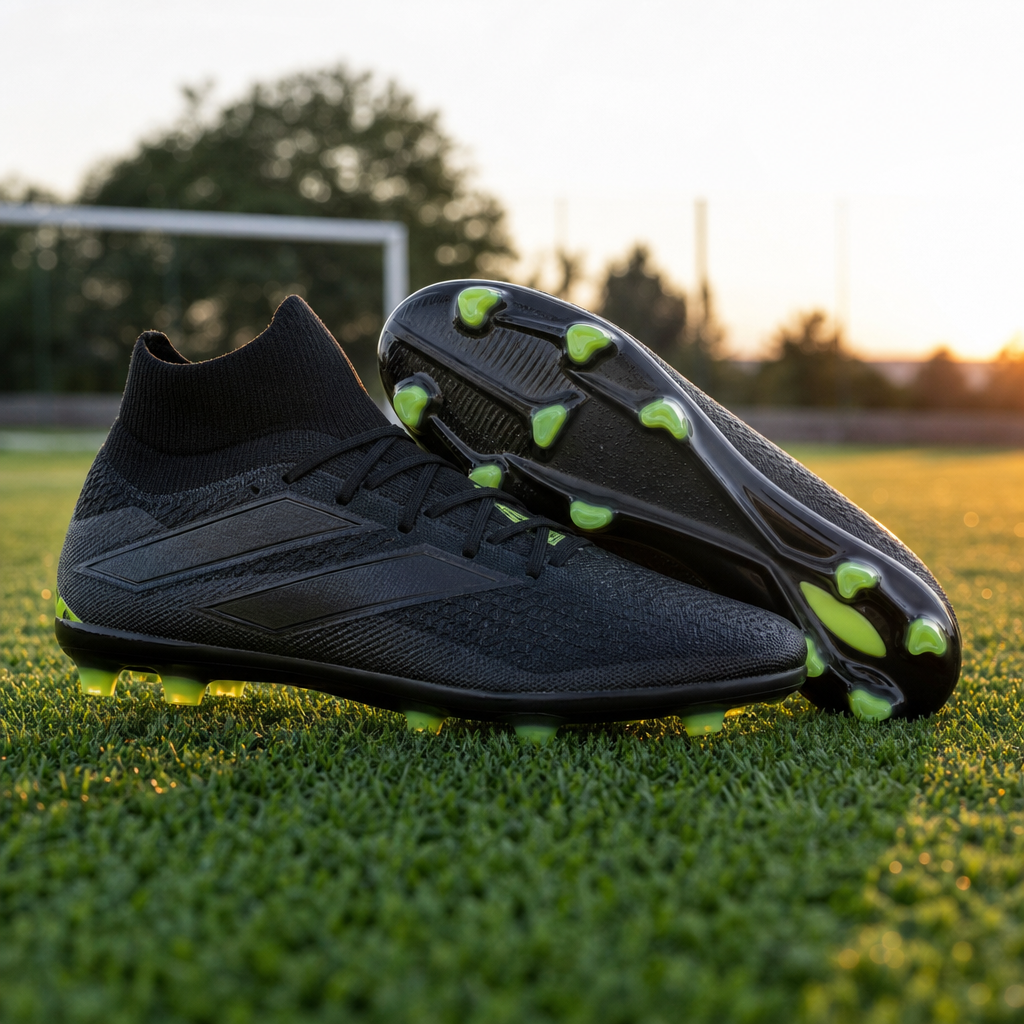
Baseball cleats have evolved from simple leather spikes into highly engineered performance systems, and that shift has changed how players run, cut, throw, and stay healthy over a long season. In the context of technological advancements in equipment, cleat technology sits at the intersection of biomechanics, material science, field-surface interaction, and injury prevention. When coaches, equipment managers, and players talk about better traction, lighter shoes, or more responsive underfoot feel, they are really describing measurable changes in stud geometry, plate stiffness, foam chemistry, upper construction, and fit architecture.
As someone who has evaluated baseball footwear across youth, high school, collegiate, and adult levels, I have seen cleat selection move from a generic purchase to a role-specific equipment decision. Middle infielders often want rapid lateral bite and low weight. Catchers usually need stability, toe durability, and support under repeated squatting loads. Pitchers care about drag-foot reinforcement and rotational control. Outfielders may prioritize straight-line speed and comfort over long innings on mixed natural and artificial surfaces. The modern cleat must answer all of those demands without compromising rules compliance or long-term durability.
Understanding cleat technology matters because baseball movement is deceptively complex. A single game includes explosive first steps, curved base paths, abrupt deceleration, rotational hitting mechanics, crossover runs, wet-grass adjustments, and repeated standing stress. Poor footwear can cost fractions of a second, reduce force transfer, and increase the likelihood of blisters, ankle instability, forefoot soreness, or overuse symptoms. Well-designed cleats improve traction efficiency, distribute pressure more evenly, and help athletes maintain movement quality late in games and deep into the season. For anyone tracking innovations and changes in baseball, cleat design is one of the clearest examples of how equipment directly influences on-field performance.
How Cleat Design Has Changed from Traditional Spikes to Performance Systems
Early baseball cleats were relatively straightforward: heavy leather uppers, basic outsoles, and metal spikes intended primarily to dig into natural grass and dirt. They offered durable traction, but little in the way of shock management, customized fit, or role-specific engineering. The biggest modern change is that manufacturers no longer treat the cleat as a simple traction tool. They design it as a complete movement platform, balancing grip, propulsion, pressure distribution, flexibility, and containment.
Today’s leading brands, including Nike, adidas, New Balance, Under Armour, and Mizuno, build baseball cleats using technologies once associated more closely with track, soccer, and running footwear. Thermoplastic polyurethane plates are tuned for stiffness in some zones and flexibility in others. Knit, mesh, and engineered synthetic uppers reduce weight while improving lockdown. High-rebound foams borrowed from performance running shoes help reduce harsh ground feel. Molded heel counters and asymmetrical lacing systems create more secure foot positioning, which matters when a player changes direction at full speed.
That evolution reflects better understanding of baseball biomechanics. Players do not move in a straight line for long. They accelerate from static positions, load rotationally during swings, and decelerate in awkward body positions. Modern cleats therefore focus on multidirectional traction and force transfer. A well-designed cleat plate allows the forefoot to engage during push-off, the heel to stabilize during landing, and the midfoot to resist collapse under rotational stress. This is why contemporary footwear reviews increasingly discuss torsional rigidity, energy return, plate mapping, and pressure hot spots instead of just counting spikes.
The result is a category of equipment that can be tuned to player role, playing surface, and even individual injury history. That makes cleat technology a core hub topic within baseball equipment innovation, because it connects directly to bats, protective gear, field conditions, and performance analytics.
Key Technologies Driving Better Baseball Cleat Performance
The most important advancements in cleat technology fall into five areas: traction configuration, midsole cushioning, upper construction, fit systems, and durability reinforcement. Each of these affects performance in a different way, and the best cleats combine them rather than maximizing only one variable.
Traction configuration is the foundation. Metal cleats still offer the sharpest penetration and strongest bite on natural grass and maintained dirt, which is why many advanced players prefer them where permitted. Molded cleats, usually made from hard rubber or TPU, distribute pressure more evenly and are more versatile on firmer or mixed surfaces. Turf trainers, while not true game cleats, use dense rubber lug patterns that work well for practice, batting cages, and some artificial environments. New stud layouts are increasingly data-informed, placing traction elements where force peaks occur during sprint starts, cuts, and rotational swings.
Midsole cushioning has advanced substantially. Older cleats often felt hard and unforgiving, especially during long tournaments. Modern models use EVA blends, compression-molded foams, and proprietary cushioning systems such as Nike React, New Balance Fresh Foam, and adidas Lightstrike-derived concepts in some baseball lines. The goal is not softness alone. Baseball footwear needs controlled cushioning: enough impact protection to reduce fatigue, but not so much compression that the foot sits unstable above the plate. The best designs create a responsive feel that supports acceleration while limiting underfoot harshness on packed infields and artificial surfaces.
Upper construction has also changed dramatically. Lightweight synthetics resist water better than traditional leather and require less break-in time. Engineered mesh improves ventilation but must be reinforced carefully to survive toe drag and lateral stress. Knit collars and one-piece uppers can improve step-in comfort, yet they need internal structure to prevent the foot from sliding over the platform. In practical testing, the best uppers are not always the lightest. They are the ones that lock the heel and midfoot securely without creating pressure points across the instep.
Fit systems are another major improvement. Wider toe boxes, anatomical lasts, ghillie loops, offset lacing, and integrated straps allow brands to accommodate different foot shapes and position-specific needs. This matters because traction only helps if the foot remains stable inside the shoe. Slippage wastes force and increases blister risk. Finally, durability features such as drag guards, toe caps, abrasion-resistant films, and reinforced medial overlays are essential for pitchers and catchers, whose movement patterns destroy weak uppers quickly.
Comparing Cleat Types, Surfaces, and Player Needs
Choosing the right cleat depends on league rules, field conditions, and the player’s movement profile. There is no universal best model. The best choice is the one that matches the athlete’s level, surface exposure, and physical demands.
| Cleat Type | Best Use Case | Main Advantage | Main Limitation |
|---|---|---|---|
| Metal | High-level play on natural grass and dirt | Maximum traction and sharp acceleration | Restricted in many youth leagues and less forgiving on hard surfaces |
| Molded TPU or rubber | Youth, multi-surface play, variable field quality | Versatility, comfort, and broader rules acceptance | Less bite than metal in wet or soft ground |
| Turf | Training, cages, indoor work, some artificial fields | Excellent comfort and low pressure concentration | Insufficient traction for many game situations on grass |
| Low-cut speed models | Outfielders and base stealers prioritizing quickness | Reduced weight and freer ankle movement | Less structured support for some players |
| Mid-cut support models | Catchers, infielders, and players wanting added containment | More secure feel during lateral movement | Can feel heavier or warmer in hot weather |
Surface interaction is especially important. On well-watered natural grass, aggressive studs can create excellent propulsion. On dry, compact infields, too much stud pressure may feel harsh under the forefoot. On older artificial turf systems, players often prefer molded or turf options because metal spikes can feel unstable or overly intrusive. Even weather changes the equation. Morning dew and post-rain conditions increase the value of penetrating traction, while hot, hard summer fields often reward a plate and stud configuration that spreads load more evenly.
Position also influences the ideal setup. Catchers typically benefit from stronger heel stability, thicker cushioning, and durable toe protection. Pitchers need drag-foot reinforcement and reliable rotational release to avoid grabbing too hard and overstressing the knee. Middle infielders usually prefer lightweight profiles with excellent lateral response. Corner players may value a more planted base for reaction moves and hitting stability. The practical lesson is simple: match the cleat to the movement pattern, not just the brand.
Material Science, Biomechanics, and Injury Reduction
One reason cleat technology has advanced so quickly is that brands now work with better biomechanical data. Force-plate testing, pressure mapping, motion capture, and athlete feedback reveal how the foot loads during baseball-specific actions. That data informs plate shape, stud placement, heel beveling, and foam density. For example, when a hitter rotates through the swing, the lead foot needs enough traction to stabilize force transfer, but not so much that rotational release is blocked. Smart outsole design balances grip with controlled movement.
Material science supports that balance. Thermoplastic polyurethane remains common because it is durable, moldable, and responsive. Pebax-based components and carbon-infused elements appear in some elite footwear categories because they can reduce weight while maintaining stiffness, although baseball use requires caution to avoid an overly harsh ride. Engineered foams are equally important. A slightly softer heel can improve comfort during repetitive impacts, while a firmer forefoot can improve push-off stability. These are not cosmetic upgrades. They change how force is transmitted through the lower limb.
From an injury standpoint, cleats cannot eliminate risk, but they can reduce several common problems when selected and fitted correctly. Better heel lockdown reduces internal motion that causes blisters. Wider forefoot shaping can limit compressive pressure on the toes and metatarsals. Stable midsoles help control excessive motion on lateral cuts. Reinforced uppers protect against stretch-induced slippage that can stress the ankle. In my experience, players often blame conditioning when their feet ache late in a series, but the real issue is frequently an outsole that is too rigid, a toe box that is too narrow, or a stud layout that concentrates pressure.
There are tradeoffs. More traction is not always safer. If the foot sticks while the body keeps rotating, stress can shift to the knee or ankle. More cushioning is not always better either, because unstable compression can reduce control. The most effective baseball cleat technology respects the demands of the sport by blending traction, support, and mobility rather than maximizing any one feature in isolation.
What Comes Next in Baseball Cleat Innovation
The next wave of cleat technology will likely be shaped by customization, sustainability, and data-driven fit. We are already seeing footwear brands use 3D foot scanning in retail and team environments to improve size selection and width matching. That matters because poor fit remains one of the biggest reasons players underperform in otherwise excellent cleats. Expect more position-tuned models with modular features, especially around insoles, ankle padding, and drag protection.
Advanced manufacturing will also influence the category. 3D printing has already entered performance footwear in limited ways, particularly for midsoles and prototyping. In baseball, this could enable highly specific plate geometries and personalized support structures based on an athlete’s pressure profile. Custom orthotic integration will become more common as teams seek small movement advantages and better load management over long schedules. At the same time, brands are under pressure to reduce waste through recycled synthetics, bio-based foams, and manufacturing processes that use less water and solvent-heavy adhesives.
For players and coaches building a complete view of technological advancements in equipment, cleats deserve attention equal to bats, gloves, and protective gear. They affect every play. They influence first-step speed, swing stability, defensive range, comfort, and resilience over a season. The key takeaway is not that newer is always better. It is that modern cleat technology gives players more precise tools than ever before to match footwear to surface, position, and body needs.
When evaluating your next pair, start with league rules and primary playing surface, then assess fit, plate design, cushioning, and durability based on your role. If possible, test models after dynamic movement, not just while standing in a store. A cleat should feel secure, predictable, and efficient under game-speed actions. Use this hub as your starting point for deeper exploration of baseball equipment innovation, and review each related subtopic with the same standard: choose technology that produces measurable performance and reliable comfort, not just marketing appeal.
Frequently Asked Questions
How has cleat technology changed baseball performance in recent years?
Modern baseball cleats have evolved far beyond basic leather shoes with metal spikes. Today’s designs are built around performance engineering, meaning every part of the cleat is intended to improve how an athlete moves on the field. Advances in upper materials, plate construction, stud configuration, cushioning systems, and fit technology all contribute to better acceleration, sharper cuts, more stable throwing mechanics, and improved comfort over long games and full seasons. Instead of thinking of a cleat as simple footwear, coaches and players now often view it as a biomechanical tool that directly affects movement efficiency.
One of the biggest changes has been the use of lightweight synthetic materials that reduce overall shoe mass without sacrificing support. A lighter cleat can help players feel faster and less fatigued, especially in positions that require repeated sprints, lateral movement, and quick reactions. At the same time, sole plates are now engineered to balance flexibility and stiffness depending on the demands of the sport and the player’s position. That means the cleat can provide energy transfer during push-off while still allowing enough movement for comfort and natural foot function.
Traction design has also become much more sophisticated. Cleat patterns are no longer one-size-fits-all. Manufacturers study how athletes plant, rotate, and explode in different directions, then adjust stud placement and shape to improve grip during baseball-specific movements. For example, a cleat optimized for burst speed out of the batter’s box may emphasize forefoot traction differently than one designed for infield reaction and lateral stability. These refinements can improve confidence and control, especially on variable field surfaces.
Another major advancement is underfoot comfort and responsiveness. Midsole foams, heel support systems, and pressure-distribution features now help reduce repetitive stress on the feet and lower legs. Over the course of a long season, that matters. Better load management can support not only performance but also recovery, helping players stay fresher and potentially reducing overuse-related discomfort. In short, recent cleat innovation has made baseball footwear lighter, smarter, more sport-specific, and more closely aligned with how athletes actually move.
What role do materials and construction play in modern cleat design?
Materials and construction are central to how a cleat performs. In older models, heavy leather often dominated the design, offering durability but limited breathability and less adaptability to the foot. Modern cleats increasingly use engineered mesh, knit textiles, thermoplastic overlays, and advanced synthetic skins. These materials allow designers to target specific performance goals such as reducing weight, improving airflow, increasing lockdown, and enhancing durability in high-wear areas like the toe drag zone.
Engineered uppers are especially important because they influence fit, flexibility, and foot security. A well-constructed upper should hold the foot in place during explosive movement without creating pressure points. That balance is critical in baseball, where players sprint, stop abruptly, rotate through swings and throws, and change direction constantly. If the upper is too loose, the foot may slide inside the shoe and reduce control. If it is too rigid, it can create discomfort and interfere with natural movement. Advanced construction methods help solve that problem by combining flexible zones with reinforced support areas.
The plate and outsole materials are just as important. Manufacturers often use lightweight polymers and composite blends to create soles that are strong, stable, and responsive. These materials can be tuned to deliver different ride characteristics. A stiffer plate may improve energy transfer and traction during acceleration, while a slightly more flexible setup may enhance comfort and adaptability on uneven ground. The best cleats are designed with an intentional relationship between the upper, midsole, and plate so that the entire system works together rather than as separate parts.
Durability is another reason materials matter. Baseball cleats must withstand abrasion from dirt, turf, repeated toe drag, moisture exposure, and constant impact loading. Better adhesives, reinforced stitching or bonding methods, and strategically placed protective layers help extend the life of the shoe without adding unnecessary bulk. As a result, modern construction is not just about making cleats lighter or flashier. It is about creating a more efficient, durable, and position-specific performance system that supports athletes throughout training and competition.
How do traction patterns and stud configurations affect speed, cutting, and stability?
Traction is one of the most important performance variables in any cleat, and modern stud design is much more advanced than many people realize. The shape, length, spacing, and placement of studs all influence how a player grips the field, transitions through movement, and maintains balance during high-intensity actions. In baseball, where athletes accelerate from a dead stop, react laterally, plant to throw, and rotate through swings, traction must support multiple movement patterns rather than just straight-line running.
Stud configuration affects how force is transferred into the ground. Forefoot traction is especially important for explosive push-off, such as leaving the batter’s box, stealing a base, or charging a ground ball. Heel and midfoot stability become more important during deceleration, fielding posture, and directional changes. If the traction pattern is well designed, the athlete can feel connected to the surface without feeling stuck. That distinction matters because too little grip can cause slipping, while too much grip can increase stress on joints when the foot cannot release naturally during rotational movement.
Manufacturers now tailor outsole geometry to specific performance needs. Some cleats use aggressive bladed or strategically angled studs to improve directional grip, while others rely on a mix of conical and linear elements for a more versatile traction profile. The field surface also matters. Natural grass, dirt, and artificial turf all interact differently with stud types, which is why players often perform best when wearing cleats matched to the playing environment. A traction pattern that excels on firm ground may behave very differently on softer or more compacted surfaces.
Stability is closely tied to traction design as well. A good cleat does not simply help a player move faster; it helps that player control movement safely and efficiently. Proper stud placement can reduce unwanted slippage during planting and cutting, support better posture in defensive positions, and improve confidence when making hard directional moves. For pitchers and hitters in particular, stable traction can support more consistent mechanics by improving how the lower body engages with the ground. That is why traction engineering is now considered one of the most important areas of cleat innovation.
Can advanced cleat technology help reduce injuries and improve player comfort?
Yes, advanced cleat technology can play a meaningful role in both injury prevention and day-to-day comfort, although it is only one part of the overall picture. A cleat cannot eliminate injury risk on its own, but it can reduce certain stressors by improving fit, movement control, shock management, and surface interaction. Because baseball requires repeated sprinting, abrupt stops, rotational forces, and long hours on the feet, footwear has a direct effect on how stress is distributed through the feet, ankles, knees, and lower legs.
Fit is one of the most important protective factors. A properly designed cleat helps secure the heel, stabilize the midfoot, and accommodate natural forefoot movement. This can reduce internal slippage, blister formation, and unnecessary friction that often leads to foot fatigue and irritation. Modern closure systems, padded collars, anatomical shaping, and more refined sizing options have made it easier for athletes to find a more precise fit. When the foot is better contained, movement tends to become more efficient and controlled.
Cushioning and pressure distribution also matter, especially during a long season. While baseball cleats typically prioritize ground feel and traction, newer models increasingly incorporate responsive foams and supportive footbeds that soften repetitive impact without making the shoe feel unstable. That added comfort can help reduce soreness after games and practices, particularly for players who spend significant time on hard infield surfaces or artificial turf. Some designs also include heel support and torsional control features that help manage stress during planting and rotational actions.
Traction-related injury prevention is another important consideration. If a player is slipping regularly, the risk of acute injury may increase. On the other hand, traction that is excessively aggressive for the surface can make the foot lock in too firmly, potentially increasing stress during twists and pivots. The best modern cleats aim to create a balance between grip and release. Combined with sport-specific design and proper surface matching, that balance can support safer movement mechanics. For athletes dealing with recurring discomfort, working with trainers, equipment staff, or medical professionals to choose the right cleat model can make a noticeable difference in both comfort and durability over the season.
What should players, coaches, and equipment managers look for when choosing high-performance cleats?
Choosing the right high-performance cleat starts with understanding that there is no universally best model for every athlete. The right choice depends on position, foot shape, movement style, playing surface, level of competition, and personal comfort preferences. A cleat that feels great for a speedy outfielder may not be ideal for a pitcher who needs exceptional stability during repeated mound mechanics. That is why evaluation should begin with function rather than brand or appearance.
First, assess fit and lockdown. The cleat should feel secure through the heel and midfoot without pinching the toes or creating pressure across the top of the foot. Players should be able to move aggressively without heel lift or internal sliding. Next, consider traction needs based on role and field conditions. Athletes who rely heavily on