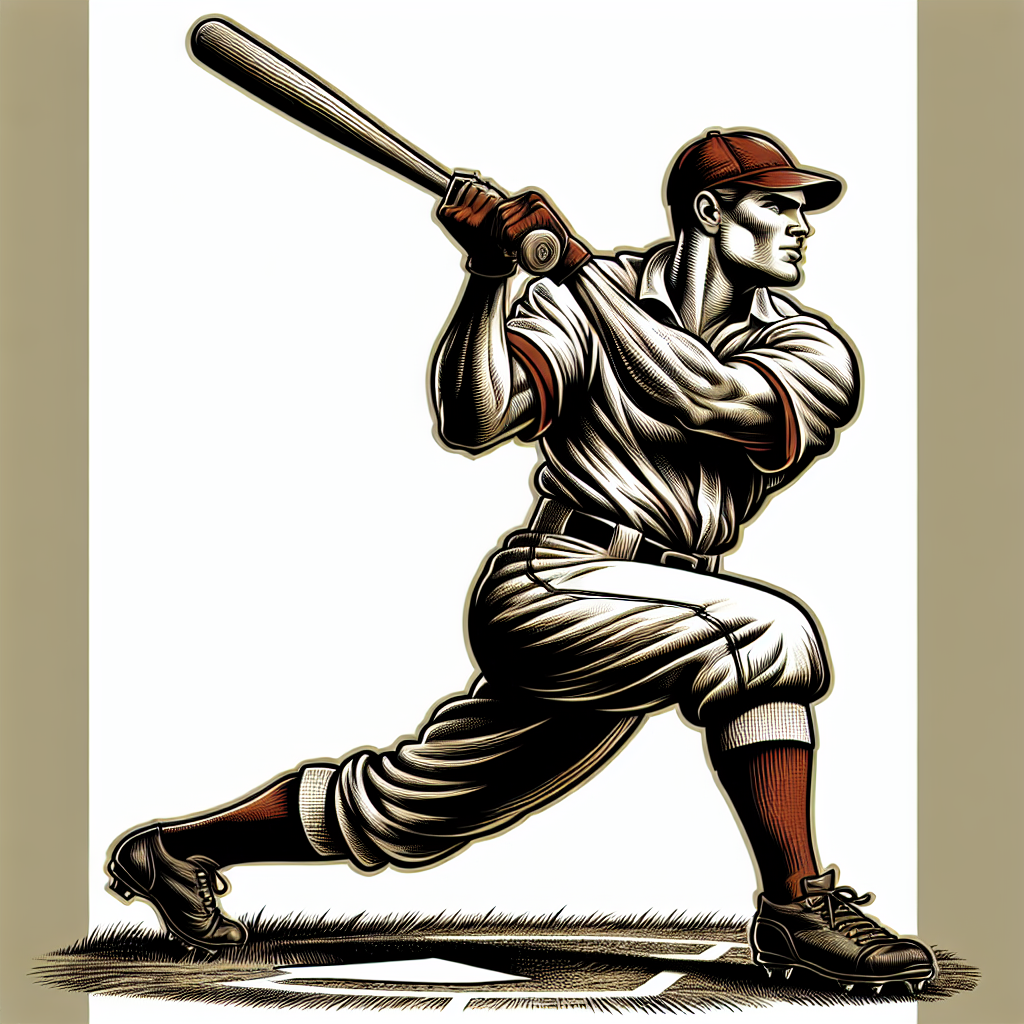
In the heart of Brooklyn, among the resonating chants and roaring crowds of Ebbets Field, a legendary figure emerged who would become one of baseball’s most celebrated players. Born Edwin Donald Snider on September 19, 1926, in Los Angeles, California, “Duke” Snider became a household name for his powerful hitting and grace as a center fielder. Nicknamed “The Duke of Flatbush,” Snider’s career spanned 18 seasons, primarily with the Brooklyn Dodgers, and he left an indelible mark on the game of baseball.
Duke Snider’s journey to baseball greatness began in the minor leagues, but it was his ascension to the Dodgers’ roster in 1947 that set the stage for his storied career. Known for his extraordinary ability to hit home runs and his impeccable fielding skills, Snider quickly became a cornerstone of the Dodgers’ lineup. A key figure in the Dodgers’ success throughout the 1950s, Snider helped lead the team to six National League pennants and two World Series championships in 1955 and 1959. His influence extended beyond his statistical achievements; Snider embodied the spirit and resilience of post-war America, captivating fans with his talent and personality.
Posthumously, Snider is remembered not only as a Hall of Famer but also as an iconic character in the rich tapestry of baseball history. His contributions to the game are still celebrated, particularly by Dodger fans who witnessed his brilliance firsthand. Through this article, we aim to pay homage to the Duke of Flatbush, exploring various facets of his career, the era he played in, and his lasting legacy within America’s pastime.
Early Career and Minor Leagues
Duke Snider’s path to Major League Baseball (MLB) was paved with determination and talent. Snider’s early years were marked by his affinity for sports, excelling not only in baseball but also in football and basketball during his high school years. However, it was on the baseball diamond where his skills truly shone. After graduating from high school in Compton, California, in 1944, Snider signed with the Brooklyn Dodgers organization and began his professional career in the minor leagues.
Snider’s minor league tenure saw him play for various teams, including the Newport News Dodgers and the Fort Worth Cats. His outstanding performances in the minors did not go unnoticed, as he consistently exhibited incredible power at the plate and speed on the bases. By 1947, Snider’s persistent hard work and impressive statistics earned him a call-up to the Brooklyn Dodgers, marking the start of his major-league career.
Upon joining the Dodgers, Snider faced stiff competition and high expectations. The post-war period saw a renaissance in baseball, with many talented players returning to the sport after military service. Despite these challenges, Snider soon proved that he belonged among the elite. His first few seasons were a learning curve, but his potential was undeniable. As he navigated the rigors of MLB, Snider quickly adapted, honing his skills and cementing his place as a key contributor to the Dodgers’ success.
The Golden Years with the Brooklyn Dodgers
Snider’s career with the Brooklyn Dodgers reached its zenith during the 1950s, earning him the moniker “The Duke of Flatbush.” This era was a golden period for the Dodgers, as they dominated the National League and consistently competed for championships. Snider played a pivotal role in this success, becoming one of the team’s most reliable and explosive players.
Throughout the 1950s, Snider was a perennial All-Star, renowned for his powerful batting and clutch performances. His versatility as a hitter was evident, as he consistently posted high batting averages, home run totals, and RBIs. Snider’s peak years were from 1953 to 1957, during which he hit over 40 home runs in five consecutive seasons. These remarkable statistics solidified his reputation as one of the most formidable hitters of his era.
Arguably, Snider’s most memorable season was 1955 when the Dodgers won their first World Series championship. His contributions in the regular season and the postseason were crucial; Snider posted a .309 batting average with 42 home runs and 136 RBIs that year. In the World Series, he hit four home runs, propelling the Dodgers to a historic victory over the New York Yankees. This triumph not only established Snider as a hero in Brooklyn but also cemented his place in baseball lore.
Challenges and Evolution of The Game
Like any athlete, Duke Snider faced challenges throughout his career. The constant pressure to perform, the physical toll of a demanding schedule, and competition from emerging players tested his resilience. Nonetheless, Snider’s ability to adapt and evolve allowed him to maintain his performance even as the game changed around him.
The late 1950s and early 1960s saw significant shifts in the landscape of baseball. The Dodgers’ relocation from Brooklyn to Los Angeles in 1958 marked a new chapter for the franchise and its players. For Snider, this transition meant adjusting to new surroundings and continuing to perform at a high level. Despite relocating, Snider remained a dominant force, adapting to the more expansive confines of the Los Angeles Coliseum and later, Dodger Stadium.
Injuries also became a concern in Snider’s later years, as the wear and tear of professional baseball took its toll. Nonetheless, his commitment to the sport and dedication to his team never wavered. Snider continued to be a significant contributor to the Dodgers, offering veteran leadership and experience. It was his passion for the game and relentless drive that helped him persevere through these testing times, further solidifying his status as an enduring legend.
Legacy and Hall of Fame Induction
Duke Snider’s career achievements and contributions to baseball were formally recognized with his induction into the Baseball Hall of Fame in 1980. This honor was a testament to his exceptional talent, dedication, and impact on the game. Snider’s Hall of Fame induction solidified his legacy as one of the greatest center fielders in Major League Baseball history.
Over his 18-year career, Snider compiled impressive statistics, including a .295 batting average, 2,116 hits, 407 home runs, and 1,333 RBIs. Beyond the numbers, Snider’s influence extended to his peers and fans. Known for his humility and sportsmanship, he was a respected figure both on and off the field. His journey from a young aspiring athlete to a Hall of Famer inspired countless individuals and left an enduring mark on baseball history.
Snider’s induction into the Hall of Fame was celebrated by fans, teammates, and the broader baseball community. His contributions to the Brooklyn Dodgers, and his impact on the game, ensured that his legacy would be remembered for generations. The Duke of Flatbush holds a special place in the annals of baseball history, and his achievements continue to be honored and celebrated by those who cherish the sport.
Post-Retirement and Personal Life
After retiring from professional baseball in 1964, Duke Snider remained active in the sport through various roles, including coaching and broadcasting. His knowledge and experience made him a valuable asset in these capacities, as he continued to contribute to the game he loved. Snider served as a hitting instructor and coach for several organizations, sharing his expertise with the next generation of players.
In addition to his professional pursuits, Snider was known for his involvement in charitable and community activities. He was a frequent participant in baseball clinics, youth programs, and events aimed at promoting the sport among young enthusiasts. Snider’s dedication to giving back to the community further endeared him to fans and reinforced his status as a beloved and respected figure.
Despite the demands of his career, Snider maintained a close-knit family life. He married Beverly Null in 1947, and together they had four children. Snider’s commitment to his family and his ability to balance his personal and professional responsibilities were admired by many. He often spoke about the importance of family and the support he received from his loved ones throughout his career.
Conclusion
Duke Snider’s legacy as one of baseball’s greatest players is firmly etched in history. From his early days in the minor leagues to his illustrious career with the Brooklyn Dodgers, Snider’s impact on the sport is undeniable. Known for his powerful hitting, graceful fielding, and sportsmanship, Snider captivated fans and inspired future generations of baseball players.
As “The Duke of Flatbush,” Snider’s contributions to the Dodgers’ success, including their first World Series championship in 1955, are particularly noteworthy. His career achievements, including his Hall of Fame induction, underscore his exceptional talent and dedication to the game. Beyond statistics, Snider’s legacy is defined by his character, sportsmanship, and the enduring admiration of fans and peers alike.
Duke Snider’s influence extends beyond his playing days, as he remained involved in baseball through coaching, broadcasting, and community engagements. His dedication to promoting the sport and mentoring young athletes ensured that his impact will be felt for years to come. Snider’s journey from a young aspiring athlete to a Hall of Famer, his resilience in the face of challenges, and his commitment to his family and community highlight the multifaceted legacy of this baseball legend.
The story of Duke Snider is a testament to the enduring appeal of baseball and the timeless allure of its greatest players. As fans continue to celebrate and remember his contributions, the legacy of “The Duke of Flatbush” will remain a cherished part of baseball history.