
Don Drysdale, famously known as “The Big D,” is a name that continues to resonate within the annals of Major League Baseball history. As a towering figure both literally and figuratively, Drysdale developed a reputation for an intimidating presence on the mound that struck fear into the hearts of countless batters. Born on July 23, 1936, in Van Nuys, California, his talent and unyielding competitive spirit propelled him to stardom in an era brimming with legendary players. Over his distinguished career, Drysdale played exclusively for the Brooklyn/Los Angeles Dodgers from 1956 to 1969, earning a place in the Hall of Fame and leaving an indelible mark on the sport. His most notable achievements include winning the Cy Young Award in 1962 and pitching a still-standing record of 58 consecutive scoreless innings in 1968.
Drysdale wasn’t just known for his pitching prowess but also for his intimidating style of play. Standing at 6 feet 6 inches tall, he utilized his height and a fierce fastball to dominate the batter’s box. Batters stood face-to-face with his steely glare and a penchant for brushing them off the plate. This approach earned him both respect and the ire of those he faced, solidifying his reputation as one of the game’s most feared pitchers. In addition to his skills on the mound, Drysdale was a master of the game’s mental aspects, often employing psychological tactics to gain an edge over his adversaries. His contributions to the game have been documented in countless books and media, and he remains a figure of fascination and study for baseball enthusiasts and historians alike.
Through this deep dive into Don Drysdale’s career, personality, and lasting impact, we aim to capture a comprehensive picture of a player whose influence extends far beyond the field. From his early life and ascension to the major leagues to his time as a television broadcaster and legacy in Major League Baseball, this article will explore the many facets of “The Big D”—a player who exemplified the fierce spirit of baseball.
Early Life and Rise to Stardom
Drysdale’s early years in Van Nuys, California, set the stage for his meteoric rise in professional baseball. Growing up, he showcased a natural aptitude for sports, excelling particularly in baseball. His father, a rancher, instilled in young Don a tough, competitive spirit that would become his hallmark. Throughout high school, Drysdale’s prowess on the field caught the attention of scouts, and by the time he graduated, he had become one of the most talked-about young pitchers in the region.
The scouts’ whispers turned into offers, and soon enough, Drysdale signed with the Brooklyn Dodgers in 1954 at the tender age of 17. His minor league stint was short-lived, as his overwhelming talent quickly propelled him to the big leagues. Drysdale made his major league debut on April 17, 1956, and immediately made an impression with his powerful fastball and aggressive style. It didn’t take long for him to secure a spot in the Dodgers’ starting rotation, where he could develop and hone his skills among some of the game’s greats.
By 1959, Drysdale had already become a pivotal figure for the Dodgers, playing a crucial role in leading the team to one of their first World Series championships. His performance during this period set the stage for the dominant career that lay ahead. Paired with another legendary pitcher, Sandy Koufax, Drysdale became an integral part of one of the most formidable pitching duos in baseball history. The two would go on to guide the Dodgers to further World Series victories, cementing their legacy as one of the most fearsome and effective one-two punches in the game’s history.
The Peak Years
Drysdale’s peak years in baseball came during the 1960s, a decade that saw him rise to the apex of his career. His performance in these years was characterized by relentless competitiveness and consistency. One of his crowning achievements came in 1962 when he was awarded the Cy Young Award, recognizing him as the best pitcher in the league. That season, Drysdale notched up 25 wins, achieved an impressive 2.83 ERA, and led the majors in both strikeouts and innings pitched.
Despite his personal success, Drysdale’s contributions were always in service to his team. He played a critical role in helping the Dodgers secure multiple pennants and World Series titles throughout the early 1960s. The Dodgers clinched the World Series in 1963 and 1965, thanks in large part to the dominant performances of Drysdale and Koufax. The dynamic duo became the backbone of Dodgers’ strategy, with Drysdale’s intimidating fastball and superb control serving as pivotal elements of their success.
1968 was another monumental year for Drysdale, as he set a major league record for consecutive scoreless innings pitched. Over a stretch of six games, he hurled 58 consecutive scoreless frames, a record that to this day serves as a testament to his dominance and consistency. This remarkable feat, breaking the previous record held by Carl Hubbell, was emblematic of Drysdale’s unique ability to maintain focus and deliver at the highest level of play, day in and day out.
Through these peak years, Drysdale’s reputation as an intimidating pitcher only grew. His willingness to pitch inside, often moving batters off the plate with high and tight fastballs, epitomized his aggressive approach. Batters knew that stepping into the box against Drysdale meant they’d likely be dancing out of the way of a few pitches before the at-bat concluded.
Personality and Playing Style
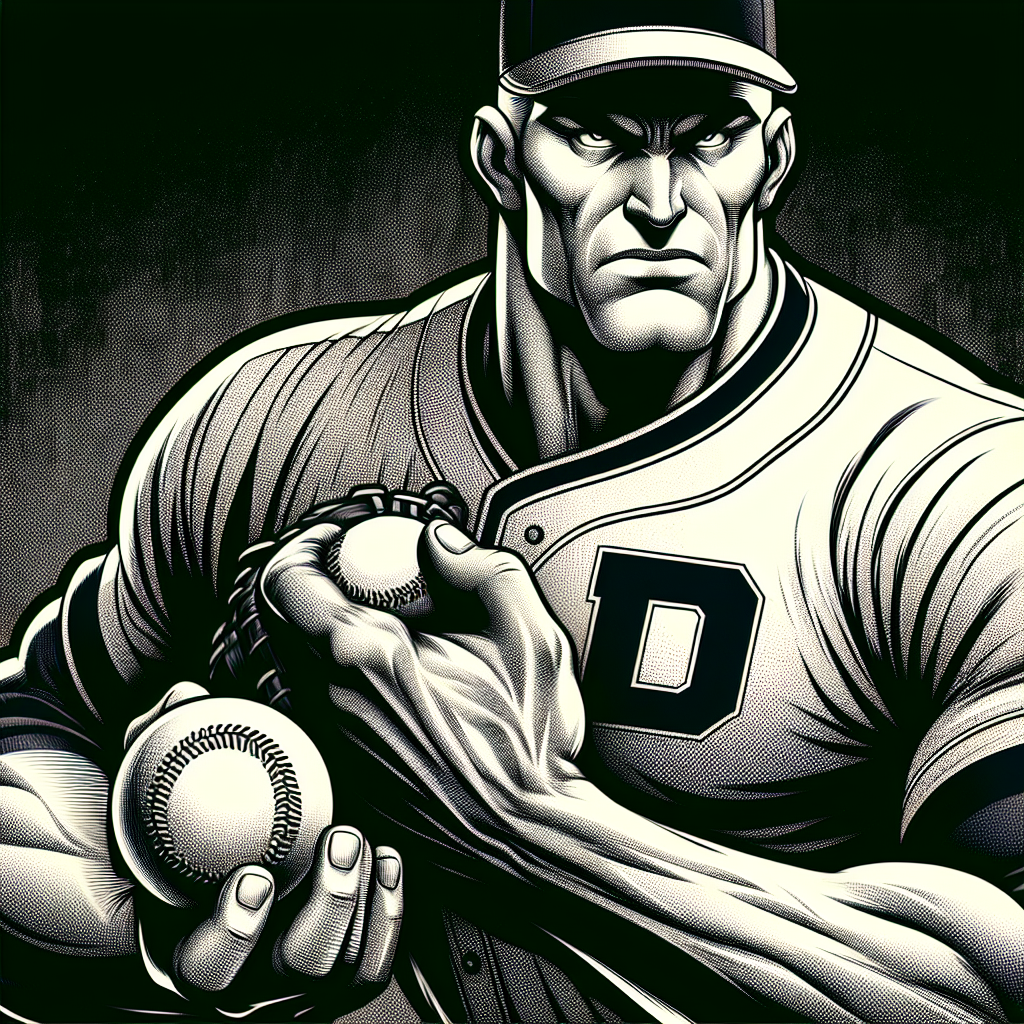
Drysdale’s playing style was a perfect blend of skill, strategy, and sheer willpower. Standing tall at 6 feet 6 inches with a powerful frame, he cast an imposing shadow on the mound. Coupled with a fierce stare and unwavering confidence, Drysdale cultivated an aura that many found overwhelming. He was adept at using his physicality to his advantage, leveraging his height and reach to generate extra velocity on his pitches.
Drysdale’s fastball was his most formidable weapon. Clocking in at speeds that often exceeded 90 mph, it was not only fast but also incredibly difficult to read. His delivery, characterized by a long stride and a three-quarters arm slot, made his pitches even more deceptive. Batters found themselves at a distinct disadvantage, often swinging at balls that seemed to appear out of nowhere.
However, it wasn’t just his physical tools that made Drysdale a standout player. His mental approach to the game was equally impressive. He was an astute student of baseball, constantly analyzing hitters and refining his tactics. Drysdale was known for his ability to pitch inside, a strategy he executed with precision and intent. This willingness to challenge hitters and claim the inside of the plate contributed to his reputation as one of the game’s most feared pitchers.
Off the field, Drysdale’s personality was a mix of confidence and charisma. He was known to be a fierce competitor but also a loyal teammate. His presence in the clubhouse provided both a motivational spark and a calming influence when necessary. Drysdale’s ability to balance his intense competitive spirit with a team-first mentality helped forge strong bonds with his fellow Dodgers, contributing significantly to the team’s overall success during his tenure.
Post-Playing Career
While Drysdale’s playing days came to a close in 1969, his connection to baseball remained steadfast. Following his retirement, he seamlessly transitioned into a broadcasting career, becoming a beloved sports commentator and spreading his vast knowledge of the game to millions of fans. His deep voice and insightful commentary made him a natural fit for the booth, where he worked for various outlets including ABC and the Chicago White Sox. Drysdale’s post-playing career allowed him to stay close to the sport he loved while sharing his experiences and insights with a broader audience. His broadcasting tenure proved that his passion for baseball extended beyond the field, and he was revered for his ability to break down complex plays and strategies in an accessible and engaging way. His work in broadcasting earned him a new generation of admirers who appreciated his candidness and expertise.
Apart from his broadcasting career, Drysdale also contributed to baseball through coaching. He briefly served as a pitching coach for the Dodgers, sharing his wealth of knowledge with young pitchers and helping to develop new talent for the franchise. His hands-on approach and emphasis on the mental aspects of pitching made him an effective mentor.
In later years, Drysdale’s legacy continued to be honored through various accolades and recognitions. He was inducted into the Baseball Hall of Fame in 1984, a fitting tribute to a man who had given so much to the sport. This enshrinement was a testament to his remarkable career and lasting impact on the game. His passing in 1993 was a somber moment for the baseball community, but his legacy lives on through the countless lives he touched and the indelible mark he left on Major League Baseball.
Legacy
Don Drysdale’s legacy is deeply woven into the fabric of baseball history. His contributions to the game, both as a player and post-playing career, continue to be celebrated by fans, historians, and players alike. The towering figure, known for his intimidating presence and dominant pitching, left an indelible mark that transcends generations.
One of the most significant aspects of Drysdale’s legacy is his role in shaping the modern approach to pitching. His aggressive style and inside pitching tactics influenced countless pitchers who followed in his footsteps. Many young pitchers look to Drysdale as a model of how to combine physical prowess with mental toughness, leveraging every advantage to succeed at the highest levels of the sport.
Drysdale’s contributions to baseball are also reflected in the numerous records and accolades he accumulated throughout his career. His 58 consecutive scoreless innings and 1962 Cy Young Award stand as testaments to his exceptional talent and consistency. These achievements continue to inspire awe and respect, reminding fans and players of the heights that can be reached through dedication and hard work.
Beyond the statistics and records, Drysdale’s legacy is also about the profound impact he had on the lives of those who knew and played with him. He was a beloved teammate, a respected competitor, and a mentor to many. The stories and memories shared by those who crossed paths with The Big D paint a picture of a man whose love for the game was matched only by his generosity and commitment to his team and community.
Conclusion
Don Drysdale’s story is one of immense talent, unwavering dedication, and a fierce competitive spirit that defined an era of baseball. From his early days in Van Nuys to becoming one of the most feared pitchers in Major League Baseball history, Drysdale’s journey is a testament to what can be achieved through passion, hard work, and an indomitable will to succeed.
Throughout his career, Drysdale’s intimidating presence on the mound and his remarkable achievements earned him a place among the legends of the game. His legacy continues to influence and inspire future generations of pitchers, providing a blueprint for how to approach the game both mentally and physically. The records he set, the championships he won, and the lives he touched all serve as enduring reminders of his unparalleled impact on the sport.
In the years since his passing, Drysdale’s contributions to baseball have continued to be honored and celebrated. Whether through his induction into the Hall of Fame, his memorable broadcasting career, or the lasting memories shared by fans and players, The Big D’s presence can still be felt within the baseball community.
As we reflect on Don Drysdale’s illustrious career and the legacy he left behind, we are reminded of the power of determination and the lasting imprint one can make on a sport and its followers. Drysdale’s story is a shining example of what it means to be a true baseball legend, and his influence will undoubtedly resonate for generations to come.