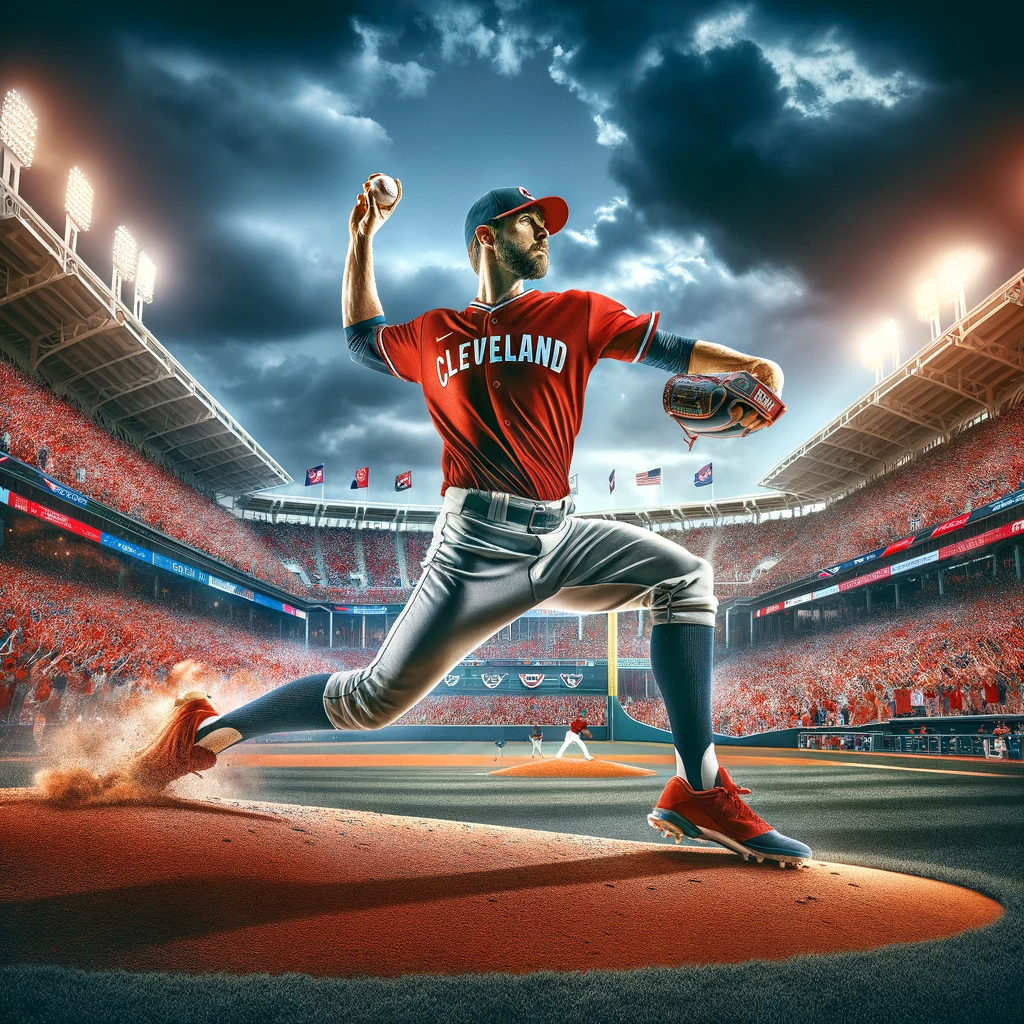
The Cleveland Indians, a professional baseball team based in Cleveland, Ohio, have been a significant part of Major League Baseball (MLB) since their inception. With a history spanning over a century, the team has experienced a rollercoaster of triumphs and controversies. This article delves into their legacy, exploring the highs of their sporting achievements and the lows marked by significant controversies, particularly focusing on their team name and mascot.
Early Years and Evolution
Founding and Early Struggles (1901-1919)
The Cleveland Indians, originally known as the Cleveland Blues, joined the American League in 1901. Their early years were marked by struggles both on and off the field. Frequent name changes, including the Naps and the Bronchos, reflected the team’s search for identity. However, these formative years laid the groundwork for future success.
The Golden Era (1920-1954)
The 1920s heralded a golden era for the team, marked by their first World Series victory in 1920. This period saw the rise of legendary players like Tris Speaker and Bob Feller, who became synonymous with the team’s success. The Indians’ second World Series win in 1948 further cemented their status as a formidable force in baseball.
A Period of Decline and Rebuilding (1955-1993)
Post the 1954 World Series appearance, the Indians entered a prolonged period of decline. The team struggled to replicate its earlier successes, both in terms of performance and fan engagement. However, this era was not without its highlights. Players like Rocky Colavito and Sam McDowell shone, albeit inconsistently. The 1960s and 70s were particularly challenging, but the 80s and early 90s saw the team slowly rebuilding, setting the stage for a resurgence.
The Renaissance (1994-2001)
The 1990s marked a significant turnaround. Under the leadership of manager Mike Hargrove, the Indians experienced a renaissance. The team won two American League pennants in 1995 and 1997, and made it to the World Series both times, though they fell short of the championship. This period was characterized by a powerful lineup including players like Jim Thome, Manny Ramirez, and Omar Vizquel, rekindling the spirit and enthusiasm of the fans.
The New Millennium (2002-Present)
The new millennium saw the Indians continue their pursuit of excellence with varying degrees of success. The team had multiple playoff appearances, including a memorable run in 2016 where they reached the World Series, only to be defeated in a heart-wrenching Game 7 by the Chicago Cubs. The team’s resilience and spirit continued to be a defining characteristic.
Controversies and Name Change
The Mascot and Name Controversy
The Cleveland Indians’ legacy is not without its controversies. The team’s name and mascot, “Chief Wahoo,” have been subjects of significant criticism and debate. Critics argued that the name and mascot perpetuated Native American stereotypes and were disrespectful to indigenous cultures. This led to protests and calls for change spanning several decades.
The Decision to Change
In response to the growing controversy and societal shift towards more culturally sensitive representations, the team announced in 2018 that they would retire the “Chief Wahoo” logo. Furthering this commitment to change, in 2020, the organization announced plans to change the team name, a decision that was met with both applause and criticism from various quarters.

Cleveland Indians: A Legacy of Greatness and Controversy
The Cleveland Indians, a team with a storied history in Major League Baseball (MLB), have been a staple of American sports culture for over a century. Their journey, marked by remarkable achievements and contentious issues, presents a compelling narrative of greatness intertwined with controversy.
Early Years and Rise to Prominence
The franchise, established in 1901 as the Cleveland Bluebirds, underwent several name changes before settling on the Indians in 1915. This period was marked by moderate success, with the team building its identity in the competitive landscape of baseball. The early years were characterized by a struggle for recognition, as the team often found itself overshadowed by more dominant franchises.
The turning point for the Indians came in the 1920s, under the management of Tris Speaker, one of baseball’s greatest players. Under his leadership, the team clinched its first World Series title in 1920, defeating the Brooklyn Robins. This victory was not just a triumph on the field but also a significant morale booster for the city of Cleveland, fostering a deep-rooted love for the team among its residents.
Golden Era and Notable Players
The Cleveland Indians’ golden era spanned several decades, during which the team showcased some of the most talented players in MLB history. Names like Bob Feller, Larry Doby, and Lou Boudreau became synonymous with excellence. Feller, known for his fast pitching, became a legend in his own right, while Doby broke barriers as the first African American player in the American League, just months after Jackie Robinson’s debut in the National League.
The 1948 World Series win, led by player-manager Lou Boudreau, remains one of the pinnacle achievements in the team’s history. This victory marked the last World Series title for the Indians, making it a focal point of nostalgia and pride for fans.
Period of Decline and Resurgence
Following the golden years, the Indians experienced a period of decline. The 1950s through the early 1990s were characterized by inconsistent performance, managerial changes, and an inability to recapture the magic of the earlier years. The team struggled to make a significant impact in the league, often finishing seasons with disappointing records.
However, the 1990s heralded a resurgence for the Indians. With a new ballpark, Jacobs Field (now known as Progressive Field), and a roster brimming with talent including players like Jim Thome, Manny Ramirez, and Albert Belle, the team once again found its footing. The Indians won two American League pennants in 1995 and 1997, although they fell short of clinching the World Series title in both instances.
Controversy and Name Change
Amidst the team’s on-field successes and failures, a significant aspect of its legacy has been the controversy surrounding its name and mascot, Chief Wahoo. For decades, the use of Native American imagery and stereotypes sparked debates and protests from various groups, who viewed them as disrespectful and racist.
The turning point came in recent years when increased awareness and sensitivity towards racial issues prompted a reevaluation of the team’s identity. The Indians announced the retirement of the Chief Wahoo logo in 2018, a decision met with both praise and criticism. In 2020, amidst a nationwide reckoning on racial issues, the team announced plans to change its name, marking the end of an era and the beginning of a new chapter in its history.
Legacy and Future
The legacy of the Cleveland Indians is a tapestry of triumphs, challenges, and evolution. The team’s history reflects the changing tides of American society and sports. As the franchise moves forward with a new identity, it carries with it the memories of past glories and the lessons learned from its controversial aspects.
The Cleveland Indians’ story is not just about baseball; it’s a narrative of a community and its team, evolving together through the highs and lows of over a century. As the team embarks on its next chapter, it holds onto the essence of its rich history while stepping into a future that respects and acknowledges the changing societal values.
In conclusion, the Cleveland Indians have etched their name in the annals of baseball history, not just as a team of great players and memorable games but also as a symbol of the sport’s ability to reflect and adapt to societal changes. Their story is one of resilience, adaptation, and a continuous quest for greatness, both on and off the field.
Frequently Asked Questions
1. What are some of the Cleveland Indians’ most significant triumphs in baseball history?
The Cleveland Indians boast a rich tapestry of triumphs throughout their storied history. One of their most significant achievements was winning the World Series in 1920, marking their first-ever championship victory. The team was spearheaded by Hall of Fame pitcher Stan Coveleski, who was instrumental in their success with his outstanding performances on the mound. Another monumental triumph came in 1948, a year when the Indians clinched their second World Series title under the leadership of Lou Boudreau. Despite stiff competition, the team excelled with players like Larry Doby, Bob Lemon, and Satchel Paige making substantial contributions. Moreover, the Indians have enjoyed periods of dominance in the American League, particularly during the 1990s, when they consistently made postseason appearances and captured several Central Division titles. The team’s ability to rebuild and remain competitive, even amidst adversities, speaks volumes of their perseverance and resilience in the MLB landscape.
2. How has the Cleveland Indians’ team name and mascot been a subject of controversy?
The team name “Cleveland Indians” and their previous mascot, “Chief Wahoo,” have been the focal points of significant controversy over the years. Critics have argued that the name and mascot perpetuate racial stereotypes and are insensitive toward Native American communities. Chief Wahoo, in particular, a cartoonish caricature that served as the team’s logo from 1947 until it was phased out in 2018, drew widespread criticism for its portrayal of Native Americans. The discourse around the team’s name intensified amidst broader societal conversations about cultural sensitivity and representation. The organization took these concerns seriously, leading to the decision in 2021 to change their name to the Cleveland Guardians for the 2022 season onward. This change reflects an evolving understanding and respect for different cultures and a recognition of the need for inclusivity in professional sports.
3. What were some major controversies the Cleveland Indians faced in the past?
Over their long history, the Cleveland Indians have encountered multiple controversies, ranging from their on-field challenges to organizational decisions. One notable incident was the tragic death of star pitcher Ray Chapman in 1920, who was struck by a pitch and later died from the injury—marking the only fatality of a player due to an on-field incident in MLB history. The debate about the safety measures in baseball and the use of protective gear intensified following Chapman’s death. Another controversy cropped up in 1993 involving players’ strike actions over salary disputes, shedding light on the tensions between athletes and owners regarding fair compensation and labor rights in the sport. These historical controversies illustrate the broader challenges within professional baseball, highlighting issues that transcend beyond just gameplay.
4. How did the Cleveland Indians evolve over the years?
The Cleveland Indians have undergone considerable evolution since their founding days. Originating as a charter franchise in the American League in 1901 under the name “Cleveland Bluebirds,” the team’s identity has morphed significantly over the decades—culminating most recently in the adoption of the name “Guardians” in 2021. The team has navigated through various eras, including the integration of African American players in the aftermath of Jackie Robinson’s breaking of the color barrier, with Larry Doby joining the Indians in 1947 as the first African American player in the American League. This integration marked a pivotal point in both the team’s history and the broader movement towards racial equality in sports. The team also adapted to changes in baseball’s landscape, such as shifts in player recruitment strategies, advances in sports science, and the advent of analytics in assessing player performance. These strategic adaptations have ensured the franchise’s continued presence as a competitive and dynamic entity in MLB.
5. What has been the impact of the Cleveland Indians’ name change to ‘Guardians’ on the team’s fan base and identity?
The name change from “Indians” to “Guardians” represented a landmark shift for the franchise, dictated not just by the call for greater cultural sensitivity, but also as an affirmation of the city’s evolving ethos. While the move was met with mixed reactions, it paved the way for a refreshed brand identity that pays homage to Cleveland’s culture and history by drawing inspiration from the “Guardians of Traffic” statues on the Hope Memorial Bridge, a city landmark. Some traditionalists within the fan base initially expressed resistance, nostalgic for the legacy associated with the “Indians” name. However, for many others, the change was a welcomed transition, reflecting the spirit of progress and inclusivity within the sports community. The organization’s efforts to engage with fans throughout this transition—ensuring that their voices were heard—demonstrated a commitment to maintaining the robustness of the team’s identity while navigating the sensitivity of cultural evolution. Over time, with continued success on the field and thoughtful engagement off it, the “Guardians” name has become an integral part of the franchise’s renewed legacy.