
Candlestick Park, officially known as the naming-rights—infused Candlestick Park on Opening Day, was more than just a stadium for the San Francisco Giants. Nestled in the wind-swept outskirts of San Francisco, this iconic ballpark came to symbolize triumph and challenge, joy and heartbreak for generations of Giants fans. Despite being known for its less-than-ideal weather conditions, Candlestick Park became a beloved landmark, filled with unforgettable memories and historical milestones. In this article, we will explore the fascinating history of Candlestick Park, its memorable moments, and its lasting legacy in baseball history.
Introduction
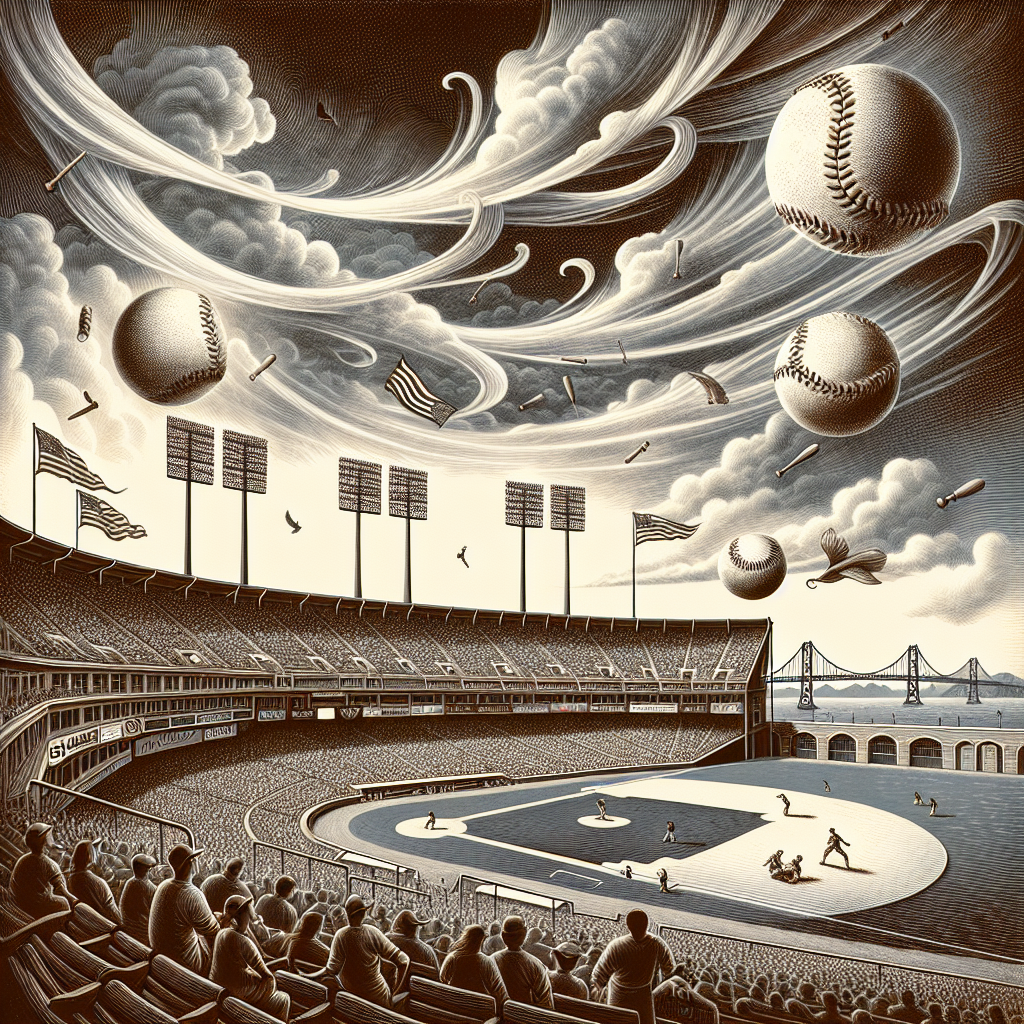
Candlestick Park, affectionately known as “The Stick,” was the home of the San Francisco Giants for over four decades. From its opening in 1960 until the Giants moved to AT&T Park (now Oracle Park) in 2000, Candlestick Park played host to numerous iconic baseball moments and served as a central gathering spot for Bay Area sports fans. Situated on a windswept point in San Francisco’s Bayview Heights neighborhood, the stadium soon became infamous for its brutal winds and chilly temperatures. While these weather conditions made for challenging playing conditions, they also contributed to the unique character and mystique of Candlestick Park.
A Turbulent Beginning
Candlestick Park’s early years were marked by construction issues and growing pains. Originally built as a multipurpose stadium, it was intended to host both baseball and football games. However, the stadium’s design and location proved problematic from the start. The original plans had called for the stadium to be fully enclosed, which would have minimized the wind issues. However, budget constraints led to the abandonment of these plans, and Candlestick Park was left with an open end facing the bay. This design flaw allowed the infamous winds to whip through the stadium, earning it a reputation as one of the toughest venues for both players and fans.
Despite these challenges, Candlestick Park quickly became an integral part of San Francisco’s sports culture. The Giants played their first game at the new stadium on April 12, 1960, and while the team struggled in its early years at Candlestick, the park itself became a source of pride for the city. The stadium’s distinctive cantilevered light towers and unique architecture set it apart from other ballparks of its era, and its capacity to host over 42,000 fans made it one of the largest venues in Major League Baseball.
Memorable Moments
Over the years, Candlestick Park was the stage for countless memorable moments, both on and off the field. Perhaps the most iconic of these was “The Catch,” a miraculous reception by Dwight Clark of the San Francisco 49ers that took place during the 1981 NFC Championship Game. While this event is more closely associated with football, it underscored Candlestick Park’s role as a versatile and significant sports venue. However, it was the baseball moments that truly solidified the park’s place in Giants lore.
One of the most unforgettable moments in Giants history occurred at Candlestick Park on October 17, 1989, when the Loma Prieta earthquake struck just before the start of Game 3 of the World Series between the Giants and the Oakland Athletics. The stadium’s structural integrity was put to the test, and while it suffered damage, it withstood the 6.9 magnitude quake, ensuring the safety of those in attendance. This event left a lasting impression on Giants fans and highlighted the park’s resilience in the face of adversity.
The Mays and McCovey Era
Candlestick Park was also home to some of the greatest players in baseball history, including Hall of Famers Willie Mays and Willie McCovey. These two Giants legends left an indelible mark on the franchise and provided fans with countless thrilling moments. Willie Mays, widely regarded as one of the greatest all-around players in history, patrolled the outfield with finesse and power. His acrobatic catches and powerful hitting made him a fan favorite and established Candlestick Park as the stage for his greatness.
Willie McCovey, known for his prodigious power at the plate, became synonymous with the park’s right-field foul pole, famously referred to as “McCovey Cove.” His towering home runs into the waters of San Francisco Bay became the stuff of legend, and fans would often gather in kayaks and boats beyond the outfield in hopes of catching one of his majestic blasts. The tandem of Mays and McCovey created an era of excitement and excellence that will forever be associated with Candlestick Park.
The Final Farewell
The decision to move the Giants to a new stadium was bittersweet for fans who had forged a deep connection with Candlestick Park. In 2000, the team bid farewell to their longtime home and relocated to the newly built Pac Bell Park (now Oracle Park). While the move brought modern amenities and improved playing conditions, it also marked the end of an era. The final game at Candlestick Park took place on September 30, 1999, and fans packed the stands to say goodbye to the iconic venue. Emotional farewells were shared, and memories of legendary moments filled the air as the Giants closed the chapter on their time at The Stick.
However, Candlestick Park’s legacy extended beyond baseball. The stadium continued to host events and concerts, serving as a cherished cultural landmark until its eventual demolition in 2015. The site where Candlestick Park once stood is now being redeveloped, but the memories and stories of the stadium’s glory days remain etched in the hearts of those who experienced its unique charm.
Legacy and Impact
Candlestick Park’s impact on baseball and sports culture in San Francisco cannot be overstated. Despite its challenging weather conditions, the park became a symbol of resilience and determination. The memories created within its walls have left an enduring legacy that continues to be celebrated by Giants fans and sports enthusiasts alike. The experiences shared at Candlestick Park, from thrilling victories to heartbreaking defeats, brought the community closer together and fostered a sense of camaraderie among fans.
In retrospect, the quirks and challenges of Candlestick Park only added to its charm. The swirling winds, the chilly fog, and the unpredictable conditions made every game an adventure and created an environment where legends were born. Candlestick Park’s distinct character stands as a testament to the enduring spirit of baseball and the enduring passion of its fans. As the Giants continue to thrive in their new home, the memories of Candlestick Park will remain an integral part of the team’s rich history.
Conclusion
Candlestick Park will forever be remembered as more than just a stadium; it was a beloved institution that holds a special place in the hearts of San Francisco Giants fans. From its turbulent beginnings to its unforgettable moments and enduring legacy, The Stick left an indelible mark on the city and the sport of baseball. Despite its challenging weather conditions, Candlestick Park’s unique character and rich history made it a cherished and iconic venue. As we look back on the memories created within its walls, we are reminded of the passion, resilience, and unwavering spirit that define the San Francisco Giants and their dedicated fanbase.
While Candlestick Park may no longer stand, its legacy lives on through the stories and memories shared by those who experienced its magic. The stadium’s role in shaping the history of baseball and sports in San Francisco is undeniable, and its impact will be felt for generations to come. As we celebrate the Giants’ continued success in their new home, we do so with a deep appreciation for the unique and beloved landmark that was Candlestick Park.