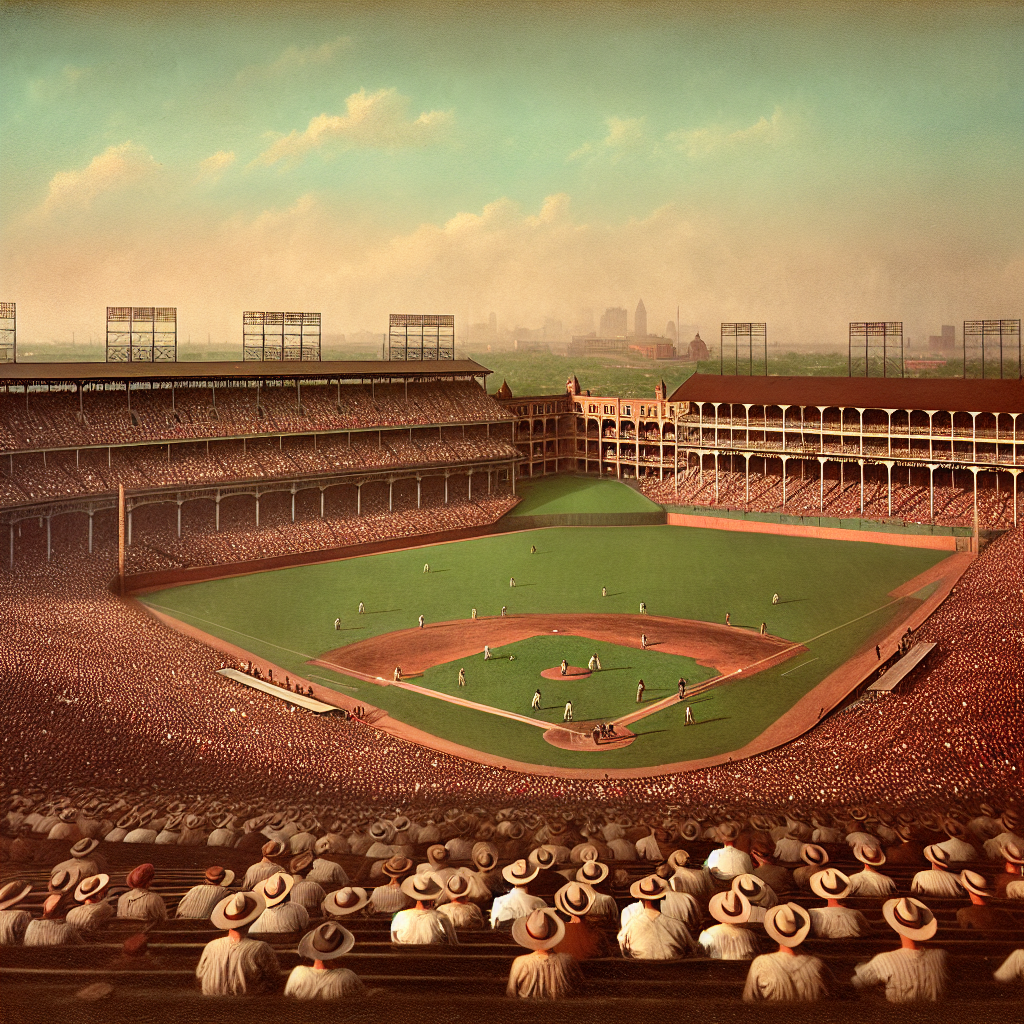
Welcome to our comprehensive look at one of baseball’s historic yards, Arlington Stadium. Home to the Texas Rangers during their formative years, Arlington Stadium represents an indelible chapter in baseball’s storied past. Often overshadowed by newer and more lavish ballparks, this stadium holds echoes of a time when the grit and spirit of the game felt front and center.
Introduction
Arlington Stadium, sometimes referred to as an “open-air oven” due to the Texas heat, holds a beloved place in the hearts of Texas Rangers’ fans. Originally built as Turnpike Stadium in 1965 to host minor league games, the park saw its first Major League action when the Washington Senators relocated to Texas in 1972. This transformation into Arlington Stadium was no small feat, and it quickly became the beating heart of baseball for fans in the Lone Star State.
Arlington Stadium’s inception wasn’t just a pivotal moment for the Rangers; it marked a transformative era for Major League Baseball. During its tenure, the stadium bore witness to the maturation of the Texas Rangers’ franchise, showcasing legendary players and unforgettable games. The stadium’s rugged charm and authentic fan experience stood in stark contrast to the highly commercialized ballparks that would follow. As the Texas sun beat down on its stands, fans gathered to cheer on their team, making memories that have stood the test of time.
Many recall the roar of the crowd reverberating through the bleachers, the unique blend of southern hospitality and raw enthusiasm that permeated the air. From its humble beginnings to its final game, Arlington Stadium was a testament to both the perseverance of the Rangers and the unwavering support of their fans. The stadium not only provided a venue for baseball but also served as a cultural touchstone for the community, enriching the lives of all who passed through its gates.
As we dive into the rich history of Arlington Stadium, we’ll explore its construction, notable events, legendary players, and the lasting impact it has left on the Texas Rangers and their devoted fan base. Whether you’re a longtime follower of the Rangers or a newcomer to the history of baseball, this journey through the early years of Arlington Stadium will offer unique insights and cherished memories of a bygone era.
A Humble Beginning as Turnpike Stadium
Before Arlington Stadium earned its Major League status, it was originally known as Turnpike Stadium. Constructed in 1965 for a mere $650,000, this modest venue started its life as the home of the Dallas-Fort Worth Spurs, a minor league baseball team in the Texas League. The stadium was constructed with the future in mind, designed to be easily expanded should the opportunity arise for major league baseball to come to Arlington.
This foresight proved invaluable as Turnpike Stadium drew impressive crowds, showcasing the region’s potential to support a Major League team. When Arlington’s civic leaders began lobbying for a Major League franchise, they could point to Turnpike Stadium’s success as major evidence that Texas fans were more than ready for the big leagues. The stadium’s strategic location, nestled between Dallas and Fort Worth, also made it an ideal candidate for expansion, drawing fans from both major cities.
In 1971, the Washington Senators announced their intention to relocate to Arlington, spurred by financial difficulties and dwindling attendance in Washington, D.C. This announcement set the stage for Turnpike Stadium’s grand transformation. With an additional $2 million in renovations, Turnpike Stadium expanded from a capacity of 10,000 to over 35,000, earning its new name – Arlington Stadium. The transition from minor league park to major league ballpark was not only a physical transformation but a seismic shift in the baseball landscape in Texas.
Opening day of the 1972 season marked a new era for the former Turnpike Stadium. The Texas Rangers took to the field amid fanfare and anticipation, ushering in an expressive chapter in baseball history. Although the stadium’s architecture and amenities were modest compared to today’s standards, the communal spirit and excitement were palpable. Fans flocked to Arlington Stadium, eager to support their new team and experience Major League baseball firsthand.
The Texas Heat and Its Impact
One of the defining characteristics of Arlington Stadium was the unrelenting Texas heat. The stadium, with its wide-open design and minimal shade, turned summer games into endurance events for both players and fans. It wasn’t uncommon for temperatures to soar into the triple digits, making every game a test of stamina. Players were known to lose several pounds of water weight during a single game, and fans often came prepared with cooling devices and plenty of hydration.
The scorching heat did more than just affect the comfort levels; it profoundly influenced gameplay and strategy. Managers had to plan carefully around the midday heat, often adjusting lineups and pitching staff to ensure players could withstand the grueling conditions. The Texas Rangers even had to adopt unique practices, such as taking extra batting practice in the heat to acclimatize themselves.
Despite these challenges, the resilient Rangers and their die-hard fans embraced the stadium’s unique conditions. The heat became a part of the team’s identity, a badge of honor that symbolized their toughness and perseverance. Visiting teams often struggled with the oppressive temperatures, giving the Rangers a distinct home-field advantage. Stories of home runs soaring further and faster in the hot, thin air of Arlington became legendary, adding another layer of mystique to the park.
Fans adopted creative ways to cope with the heat, from wearing wide-brimmed hats and sunglasses to bringing portable fans and cooling towels. The bleachers became a sea of color as fans donned team colors and brought umbrellas to shield themselves from the sun. The Texas heat, while formidable, also forged a unique bond among the Rangers’ faithful, who shared a communal experience unlike any other in Major League Baseball.
Famous Players and Memorable Moments
Arlington Stadium was more than just a backdrop for baseball games; it was a stage where legends emerged and unforgettable moments unfolded. Over its 22-year history as the home of the Texas Rangers, the stadium hosted a plethora of remarkable plays and players that left an indelible mark on the sport.
One of the most iconic figures to grace Arlington Stadium was Nolan Ryan, the legendary pitcher known for his blazing fastballs and competitive spirit. Ryan joined the Rangers in 1989, and his time at Arlington was marked by numerous milestones, including his 5,000th career strikeout and his 300th career win. Fans can still recall the electricity in the air during Ryan’s starts, where every pitch seemed poised to make history.
The stadium also bore witness to the emergence of other notable talents, such as Juan Gonzalez, Rusty Greer, and Pudge Rodriguez. These players became household names and were instrumental in forging the team’s identity. Moments like Greer’s diving catches and Gonzalez’s towering home runs are etched forever in the memories of those who experienced them live.
Memorable games weren’t confined to individual achievements. Arlington Stadium hosted numerous dramatic contests that captivated fans and provided a showcase for the sport’s unpredictable nature. Whether it was walk-off home runs, nail-biting extra-inning contests, or pivotal games in playoff races, Arlington Stadium offered countless thrilling moments that kept fans on the edge of their seats.
The Final Season and Farewell
By the early 1990s, it became clear that Arlington Stadium had served its purpose and that a new, more modern venue was needed to keep up with the evolving standards of Major League Baseball. The decision to build a new ballpark, what would become The Ballpark in Arlington, marked the beginning of the end for the venerable stadium.
The 1993 season served as a farewell tour for Arlington Stadium, allowing fans one last chance to revel in its unique atmosphere. The Rangers’ organization commemorated the stadium’s final year with various events and promotions, inviting fans to celebrate the history and memories forged within its walls. The final game, played on October 3, 1993, was a bittersweet spectacle, filled with nostalgia and poignant farewells.
Despite the inevitable march of progress, Arlington Stadium’s legacy endured. Many fans kept their ticket stubs and memorabilia as cherished keepsakes, mementos of a simpler time when the love of the game ruled supreme. The stadium may no longer stand, but its spirit lives on in the hearts of Rangers’ fans who experienced its many storied seasons.
As the final pitch was thrown and the last out recorded, Arlington Stadium officially closed its gates, leaving behind a rich legacy and paving the way for the Rangers’ next chapter in The Ballpark in Arlington. The old stadium’s history serves as a foundational chapter in the Rangers’ saga, a reminder of where the team came from and the journey that led them to their present success.
Legacy and Impact on Texas Rangers
Arlington Stadium’s impact on the Texas Rangers extends far beyond the games played within its confines. The stadium played a crucial role in establishing the Rangers’ identity and cementing their place in the heart of Texas. It served as the launching pad for countless careers and provided a platform for players to showcase their talents to a dedicated fan base.
The experiences and memories created at Arlington Stadium formed the foundation upon which the Rangers’ culture was built. The stadium’s rugged charm and intimate atmosphere fostered a sense of community among fans, uniting them in their passion for baseball and their support for the team. This sense of unity and shared history continues to be a cornerstone of the Rangers’ fan base to this day.
The stadium’s influence also extended to the broader landscape of Major League Baseball. Arlington Stadium demonstrated that Texas was not only capable of supporting a Major League team but that it could do so with fervor and enthusiasm. This success paved the way for future expansion and the eventual construction of new, state-of-the-art ballparks that continue to elevate the fan experience.
While Arlington Stadium may no longer stand, its legacy is evident in the lasting impact it had on the Texas Rangers and their devoted fans. The memories and moments created within its walls continue to be celebrated, preserving the spirit of the stadium for future generations. Arlington Stadium remains a cherished chapter in the history of the Texas Rangers, a testament to the enduring love of baseball in the Lone Star State.
Conclusion
As we reflect on the history of Arlington Stadium, it’s clear that this humble ballpark left an indelible mark on Major League Baseball and the Texas Rangers. From its origins as Turnpike Stadium to its final season in 1993, Arlington Stadium was a beacon of hope and excitement for baseball fans in Texas. It played a pivotal role in the early years of the Texas Rangers, providing a stage for legendary players and unforgettable moments that continue to resonate with fans.
Arlington Stadium’s unique charm, characterized by its open-air design and the relentless Texas heat, created an atmosphere unlike any other. The stadium’s challenges forged a bond among the Rangers’ faithful, who demonstrated unwavering support and resilience in the face of adversity. The memories created at Arlington Stadium, from Nolan Ryan’s historic milestones to dramatic game-winning plays, remain etched in the annals of baseball history.
While the stadium may no longer stand, its legacy lives on through the stories and experiences shared by those who had the privilege of witnessing its magic. Arlington Stadium’s impact on the Texas Rangers and their fans is a testament to the enduring power of baseball to bring people together and create lasting memories. It stands as a reminder of the sport’s rich history and the passion that drives fans to come together in celebration of America’s pastime.
As we look to the future of the Texas Rangers and their continued success, we do so with a deep appreciation for the role that Arlington Stadium played in shaping the team’s identity and fostering a community of dedicated fans. The spirit of Arlington Stadium will forever be a part of the Rangers’ heritage, reminding us of the team’s humble beginnings and the journey that led them to become an enduring force in Major League Baseball.
Frequently Asked Questions
1. What made Arlington Stadium significant in the history of the Texas Rangers?
Arlington Stadium holds a special place in the annals of baseball history, especially for fans of the Texas Rangers. This stadium was the team’s first home after they relocated from Washington, D.C., in 1972, following their transformation from the Washington Senators. For over two decades, Arlington Stadium was the heart of Rangers baseball, serving as the backdrop to the team’s formative years. Though considered less lavish by modern standards, it was at this iconic field that fans got to witness the raw and unvarnished nature of the game. Notably, this is where the Rangers took their initial steps towards building the team’s identity and carving their niche in the competitive world of Major League Baseball. The stadium was a place where the simplicity of baseball could still shine through, free from the distractions of today’s high-tech arenas. It’s cherished for its historical significance and the unique Texas spirit it embodied.
2. Why was Arlington Stadium nicknamed the “open-air oven”?
The nickname “open-air oven” for Arlington Stadium was an affectionate nod to the notorious Texas heat that engulfed baseball fans during games. Situated in Arlington, Texas, the stadium’s open design offered little respite from the sweltering summer temperatures that frequently soared into the triple digits. Instead of retracting roofs or climate-controlled environments that we see in modern stadiums, fans at Arlington Stadium would often bake under the sun’s relentless glare. Despite this, many fans recall those sweltering games fondly, as the heat became an intrinsic part of the Arlington experience. It was a testament to the dedication of Rangers fans who showed up game after game, embracing the harsh weather as a badge of honor to show their support for their team and forever linking the Texas climate with the early culture of the Rangers.
3. How did Arlington Stadium compare to other ballparks of its time?
Arlington Stadium was a testament to a time in baseball where the focus was heavily on the game rather than the grandeur of the stadium itself. While other ballparks began to invest in opulent designs and tech-savvy features to attract crowds, Arlington Stadium maintained a simpler, more utilitarian vibe. Originally built as a minor league facility, it was quickly expanded to accommodate Major League games. Compared to its contemporaries, it lacked the bells and whistles—it didn’t boast the luxury suites or high-end amenities that started to become popular in other venues. However, what it lacked in modern conveniences, it made up for in atmosphere. Fans filled the stands to soak in raw baseball, something often said to have gotten lost in bigger, more commercial stadiums. Events and promotions also had a charming home-grown feel, which endeared the stadium to its loyal patrons.
4. What memorable events took place at Arlington Stadium during the Rangers’ early years?
Arlington Stadium was the stage for many iconic moments in baseball history, particularly in the context of the Texas Rangers’ development as a competitive team. One of the most memorable events was undoubtedly the all-time slugging of legend Frank Howard, who sent many balls hurtling out of the park during the stadium’s inaugural season. It was here that fans saw the exploits of players like Nolan Ryan, whose arrival in 1989 turned heads and put the Rangers on the map with his record-setting career achievements, including earning over 5,000 strikeouts. The stadium also witnessed impactful developmental milestones, such as the architectural expansion phases to accommodate growing fan attendance, highlighting the team’s increasing popularity. From exhilarating slugfests to keenly contested rivalries that drew packed crowds, Arlington Stadium was a hub of baseball excitement during its service to the sport.
5. How did Arlington Stadium’s design influence the fans’ experience of the games?
The design of Arlington Stadium played a pivotal role in shaping the fan experience. With its open-air layout, every visitor attending a game could feel a strong connection to the action on the field. The intimate setting allowed for a more immersive experience, where fans felt they were part of the game rather than merely spectators. Despite being open and susceptible to the elements, the stadium encouraged a communal atmosphere wherein fans interacted more closely and spontaneously rather than in the isolated luxury boxes of modern stadiums. The baseball purists appreciated this simplistic design for the pure, unfiltered experience of the sport, standing in stark contrast to today’s more passive, entertainment-focused stadium environments. Arlington Stadium’s straightforward design made it possible for fans of all ages to enjoy baseball the way it was meant to be experienced—up close and personally.