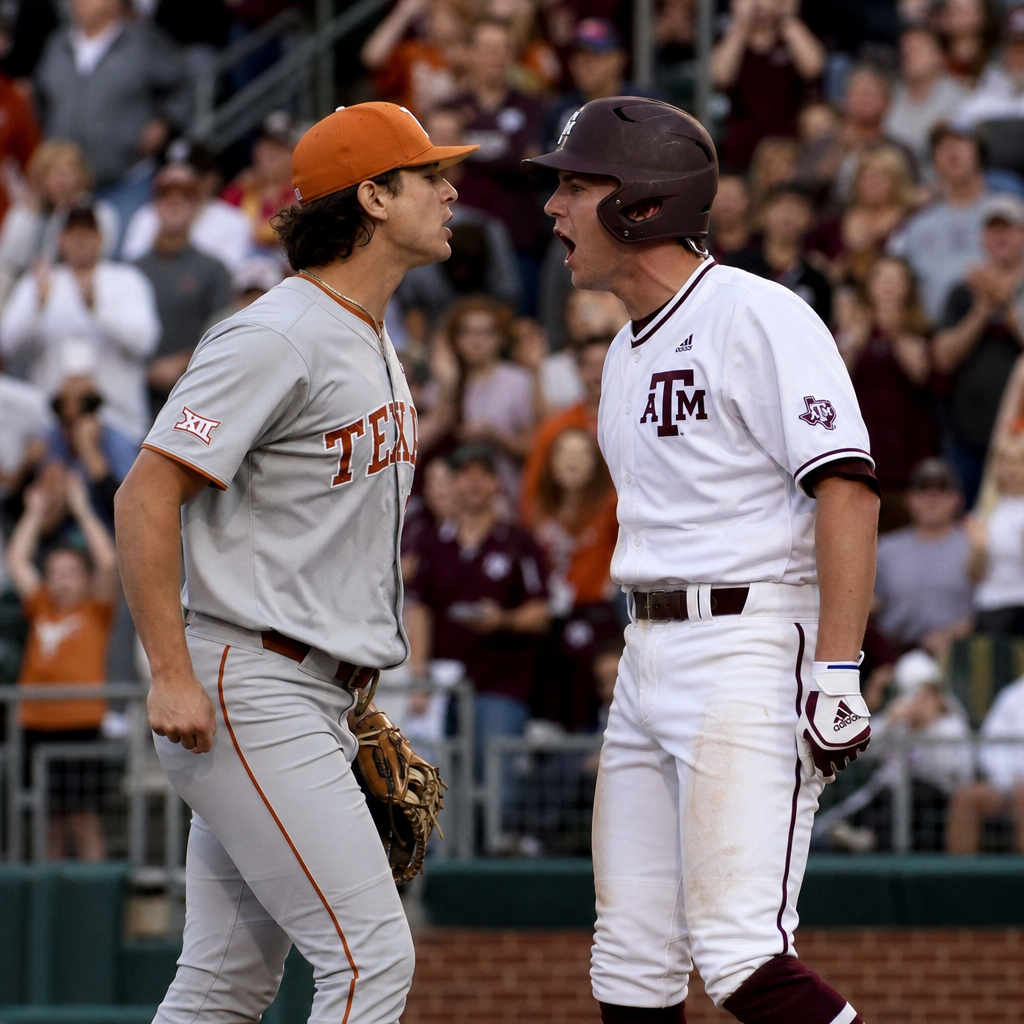
College baseball rivalries give the sport its texture, turning ordinary conference weekends into events that shape recruiting, attendance, coaching legacies, and the identity of entire campuses. An iconic college baseball rivalry is more than a repeated matchup between nearby schools. It is a long-running contest built on geography, postseason collisions, contrasting traditions, memorable players, and generations of fan memory. In the college game, where aluminum bats changed eras, conference realignment redrew schedules, and the College World Series remained the ultimate measuring stick, rivalries became the thread that linked one decade to the next. I have covered and analyzed these series for years, and the same pattern appears everywhere: when a rivalry matters in baseball, the stakes extend far beyond one standings table. It influences ticket demand, local media attention, donor energy, and even how casual fans discover the sport.
That is why a broad guide to iconic college baseball rivalries and their histories matters within the larger world of minor leagues and college baseball. Many future professional players first become nationally known through rivalry performances, and many fans who follow Double-A or Triple-A today first attached themselves to the sport through a heated campus series. These matchups also help explain regional baseball culture in the United States. The SEC, ACC, Big 12, Pac-12 legacy programs, and independent powers all built reputations partly through repeated clashes with familiar opponents. Some rivalries are rooted in border disputes and state pride; others grew because elite programs kept blocking each other’s path to Omaha. Understanding the best-known series offers a practical map for readers exploring this miscellaneous corner of college baseball: how traditions form, why certain games draw national television windows, and which historical moments still define how coaches, alumni, and scouts talk about the sport.
What makes a college baseball rivalry iconic
An iconic rivalry usually combines five factors: longevity, competitive balance or repeated high stakes, geographic or cultural tension, recognizable traditions, and a catalog of defining moments. Longevity matters because baseball rivalries deepen through repetition. A football rivalry can live on one annual game; baseball needs series history, dramatic Friday night pitching duels, Saturday bullpen collapses, and Sunday rubber matches that fans remember for years. Geography matters because proximity fuels travel, student turnout, and local bragging rights. Competitive level matters because national relevance turns regional intensity into a broader story. Tradition matters because rivalry identity is reinforced through packed ballparks, chants, trophies, uniforms, and alumni storytelling. Finally, iconic status requires moments that can be named quickly: a walk-off homer, a super regional upset, a brawl, or a championship-season sweep.
In practical terms, the strongest rivalries also create measurable effects. Attendance spikes when rivals meet, especially at on-campus venues with strong student sections. Recruiting battles become more direct because the same schools target the same travel-ball circuits and high school programs. Media rights partners schedule these games aggressively because rivalry series outperform ordinary weekends. Coaches understand this better than anyone. A coach can survive an average season more easily if his team wins a rivalry series, while a highly ranked team can lose public goodwill fast if it repeatedly falls to its most hated neighbor. That emotional leverage is unique. It is why college baseball, despite having fewer nationally dominant television brands than football or basketball, still produces intensely local rivalries with extraordinary staying power.
Texas versus Texas A&M: the Lone Star template
No discussion of college baseball rivalries starts anywhere else. Texas versus Texas A&M has long served as the template for what a state-based baseball feud can become. The programs represent distinct institutional identities, recruit the same talent-rich state, and have spent decades meeting in games that felt larger than the standings. Texas built one of the sport’s grandest histories under coaches such as Bibb Falk, Cliff Gustafson, and Augie Garrido, piling up national titles and sending waves of players into professional baseball. Texas A&M, especially under Mark Johnson and later Rob Childress, developed into a consistent national contender with Olsen Field as one of the game’s loudest environments. Every meeting carried class, culture, and geography with it.
What made the rivalry especially compelling was its ability to evolve. In some eras, Texas had the superior national résumé; in others, Texas A&M narrowed the gap through player development, facilities investment, and postseason consistency. Even when conference changes interrupted annual meetings, demand never faded. Fans still measured coaches by this series because it captured the state’s baseball hierarchy. I have seen neutral scouts attend these games simply because the energy sharpened player evaluation. A Friday starter who handles Austin or College Station pressure usually looks different from the same pitcher in a routine midweek game. That is a recurring truth in elite rivalries: the atmosphere exposes both toughness and weaknesses. For readers exploring college baseball history, Texas-Texas A&M remains the clearest example of how statewide identity and sustained quality create a rivalry that transcends scheduling cycles.
Mississippi State versus Ole Miss: baseball as a state religion
Few rivalries feel more woven into daily life than Mississippi State versus Ole Miss. In Mississippi, college baseball is not a niche spring sport; it sits close to the center of the state’s sports culture. Dudy Noble Field and Swayze Field are landmarks, not just stadiums, and each program has produced generations of fans who treat the rivalry as a marker of personal identity. Mississippi State’s tradition includes thunderous crowds, long stretches of national relevance, and eventually a national championship in 2021. Ole Miss answered with its own deep history, a modernized fan experience, and a national title in 2022 that validated years of elite investment. Their collisions reflect not just winning but competing visions of what Mississippi baseball should look and feel like.
The rivalry’s staying power comes from equal parts resentment and respect. Both schools recruit the same in-state stars and many of the same players from neighboring regions. Both have coaches and alumni who understand that losing this series stings differently from an ordinary SEC defeat. The game-day environments are central to the story. Mississippi State fans in the Left Field Lounge created one of the most recognizable traditions in college baseball, while Ole Miss built a similarly distinct social atmosphere around Swayze. When these teams meet, every pitch is narrated by generations of memory. The rivalry also demonstrates how modern college baseball has changed. Enhanced facilities, national broadcasts, transfer movement, and NIL-era visibility have not diluted the series. If anything, they have intensified its visibility, making Mississippi’s in-state war one of the sport’s most nationally marketable weekends each season.
North Carolina versus NC State and South Carolina versus Clemson
Two Atlantic coast rivalries illustrate different paths to iconic status. North Carolina versus NC State is rooted in the same state, the same recruiting footprint, and regular battles within the ACC ecosystem. North Carolina has often paired premium pitching development with deep postseason runs, while NC State has built a reputation for toughness, offense, and disruptive momentum. The rivalry sharpened in seasons when both clubs entered ranked and hosting hopes were on the line. It also carries the unmistakable edge of institutional contrast: Chapel Hill versus Raleigh, blue-blood expectation versus challenger mentality, though those roles have shifted over time. The series matters because both programs routinely produce professionals and because Tobacco Road attention raises the profile of every meeting.
South Carolina versus Clemson has a different rhythm because it often unfolds through a nonconference, multi-site format that turns the rivalry into a statewide event. This structure is one reason the series remains distinctive. Rather than limiting itself to one park, it has often moved across home sites and neutral locations, making the weekend feel like a traveling showcase. South Carolina’s rise under Ray Tanner, including back-to-back national titles in 2010 and 2011, gave the rivalry extra weight, while Clemson’s long history under Bill Wilhelm and Jack Leggett ensured the Tigers remained a measuring stick. Fans in this rivalry understand baseball deeply. They know roster construction, bullpen usage, and RPI implications, not just logos and colors. That sophistication makes the series compelling for serious followers of college baseball because the atmosphere is emotional without losing tactical focus.
| Rivalry | Primary source of tension | Historical significance | Typical impact |
|---|---|---|---|
| Texas vs Texas A&M | State identity, recruiting overlap, flagship status | Defines baseball hierarchy in Texas | Major attendance and statewide media attention |
| Mississippi State vs Ole Miss | In-state culture, SEC stakes, fan traditions | Embodies Mississippi baseball passion | Nationally visible series with postseason implications |
| North Carolina vs NC State | ACC competition, shared footprint, institutional contrast | Shapes Tobacco Road baseball identity | Recruiting leverage and seeding consequences |
| South Carolina vs Clemson | Statewide pride, annual showcase format | Cross-conference benchmark rivalry | Large crowds, TV appeal, early-season résumé value |
LSU versus Tulane, Arkansas versus Oklahoma State, and West Coast classics
Some historic rivalries have changed shape but remain essential to understanding the sport. LSU versus Tulane was once one of the South’s most meaningful baseball series. Before conference television and modern scheduling narrowed many rivalry calendars, this matchup connected private-school New Orleans baseball tradition with LSU’s statewide powerhouse status. Tulane’s strong baseball history, especially in the Rick Jones era, made the Green Wave more than a local foil. LSU, powered by the golden age under Skip Bertman and later sustained prominence, turned Alex Box Stadium into one of college baseball’s defining stages. Although conference realities reduced the rivalry’s regular presence, its historical importance remains clear: it showed how an urban private program and a flagship SEC giant could create a series with genuine edge and postseason-level talent on both sides.
Arkansas versus Oklahoma State is another rivalry worth preserving in any serious hub on miscellaneous college baseball history. The schools are not in the same conference, but the regional overlap and repeated quality of both programs have made the meetings resonate. Arkansas built one of the nation’s most loyal baseball fan bases, with Baum-Walker Stadium becoming a symbol of SEC attendance power. Oklahoma State carries one of the sport’s richest traditions, with multiple College World Series titles and a long lineage of respected coaches. When these programs meet, the games connect old Southwest baseball culture to the current national landscape. On the West Coast, USC versus UCLA and Stanford versus California each illustrate how rivalry meaning can shift across eras. USC-UCLA carries the weight of Los Angeles identity and USC’s vast historical championship legacy. Stanford-Cal blends academic prestige with Northern California competition and a long record of professional talent development. Even when one side is down, the history still commands attention because the programs helped define baseball west of the Mississippi.
Postseason collisions, media growth, and why these rivalries endure
Rivalries become iconic when regular-season hostility is reinforced by postseason consequence. That is why super regionals, conference tournament meetings, and Omaha-adjacent storylines matter so much. A rivalry with no postseason echoes can still be fun, but one dramatic June collision can elevate a series permanently. Fans remember not just who won in April but who ended whose season in June. This is also where college baseball differs from many professional contexts. The NCAA tournament format magnifies pressure quickly, and a rivalry game can carry season-ending finality. That emotional compression creates defining memories.
Media growth has expanded, not diluted, rivalry relevance. ESPN networks, conference digital platforms, StatBroadcast data, D1Baseball coverage, Rapsodo-informed player analysis, and social media clips have given college baseball a year-round conversation. Recruiting services and transfer coverage mean fans know rosters more deeply than in previous decades. As a result, rivalry narratives start long before first pitch. A freshman left-hander from a contested recruiting battle or a transfer catcher switching leagues can become a headline inside a rivalry immediately. Facilities arms races have also intensified the stage. Better stadiums, improved player development labs, and stronger donor support make these series premium events. Yet the core reason rivalries endure is still simple: they organize memory. Fans may forget a random Tuesday win over a mid-major, but they remember where they were when their rival blew a ninth-inning lead or clinched a title path on their field.
For readers using this page as a hub within minor leagues and college baseball, these rivalries provide natural pathways into deeper topics. They connect to articles on ballpark culture, coaching trees, conference history, MLB draft pipelines, and the ways college stars transition into the minors. Rivalries reveal which programs sustain talent, which fan bases travel, and which regions treat baseball as a primary civic language. They also remind us that history in college baseball is not abstract. It lives in line scores, radio calls, alumni stories, and recurring series that renew themselves every spring. If you want to understand the sport’s emotional core, start with its rivalries, then follow the players, coaches, and traditions that grew from them. That is the clearest route into the wider world of college baseball history.
Frequently Asked Questions
What makes a college baseball rivalry truly iconic rather than just competitive?
An iconic college baseball rivalry goes far beyond two good teams meeting every spring. The difference is depth. Truly memorable rivalries are built over decades through repeated conference battles, regional proximity, postseason heartbreak, coaching clashes, and the kind of unforgettable moments that get passed down from one generation of fans to the next. Geography often helps because nearby schools naturally share recruiting territory, media attention, and local bragging rights, but location alone is not enough. A rivalry becomes iconic when both programs matter deeply to each other’s identity and when the outcome resonates well beyond a single series.
History is another major factor. Rivalries gain weight when they survive changes in conferences, coaching staffs, scholarship structures, equipment eras, and even the overall style of college baseball. A matchup that mattered in the aluminum-bat era, continued through conference realignment, and still draws large crowds today carries a different kind of significance. These rivalries are sustained by continuity, but they are also energized by turning points such as Omaha meetings, super regional showdowns, walk-off wins, no-hitters, bench-clearing tension, or championship implications.
Perhaps most importantly, iconic rivalries shape behavior. They influence recruiting conversations, ticket demand, television interest, travel plans, and the emotional calendar of a season. Fans circle the series months in advance. Coaches understand that winning it can define perception, while losing it can linger. Players quickly learn that this is not just another weekend. When a rivalry affects campus culture, alumni pride, and the national conversation around the sport, it has moved from being merely competitive to truly iconic.
Why do regional and conference matchups play such a big role in college baseball rivalries?
Regional and conference matchups are the engine of college baseball rivalry culture because they create repeated, meaningful contact. Unlike one-off intersections between strong programs, conference rivals often see each other every year in series that directly affect standings, tournament seeding, and postseason positioning. That frequency builds familiarity, and familiarity in sports often turns into tension. Coaches learn each other’s tendencies, fan bases grow more invested, and players understand that every game has implications beyond the box score.
Regional proximity adds another layer. Nearby schools frequently recruit from the same high school programs, summer ball circuits, and travel-ball networks, which means players often know each other before they ever step onto a college field. Families, local media outlets, and alumni communities also overlap, making the rivalry feel immediate and personal. A Friday-night result can dominate local sports talk, social media, and bragging rights across an entire state or metro area. That intensity is hard to replicate when programs are separated by great distance.
Conference structure also matters because it guarantees stakes. A rivalry weekend might influence who hosts a regional, who wins a division or league title, or who improves a postseason résumé. Even in years when one team is stronger, the series still feels important because it can alter the shape of the season. Add in packed ballparks, familiar road environments, and a history of high-leverage games, and regional conference matchups become the perfect environment for rivalries to deepen over time. In college baseball, repetition plus consequence is what turns regular opponents into annual events.
How have postseason meetings shaped the histories of famous college baseball rivalries?
Postseason meetings are often what elevate a strong rivalry into legend. During the regular season, teams are fighting for standings, rankings, and momentum, but in the postseason the stakes become sharper and the memories last longer. A dramatic regional final, a super regional upset, or a College World Series meeting can redefine how fan bases remember each other. It is one thing to lose a series in April; it is another to have a season ended by a rival with Omaha on the line. Those moments become emotional reference points that can influence the tone of the rivalry for years.
Postseason baseball also compresses pressure in a way that magnifies every detail. A great pitching duel, a late home run, a controversial call, or a defensive miscue can become part of rivalry folklore almost instantly. Because college baseball seasons are relatively short and the postseason is unforgiving, these games tend to feel enormous. Programs may spend years measuring themselves against a rival because of one defining elimination game or one breakthrough victory on a major stage. Fans remember where they were, players remember every pitch, and media coverage helps preserve the significance.
Just as importantly, postseason clashes often shift power. A rivalry may have one traditional heavyweight, but a postseason upset can signal a changing balance between the programs. That can affect recruiting momentum, coaching reputation, and national visibility. Repeated high-stakes meetings also create a sense that the teams are tied together historically, not just geographically. When rival programs repeatedly collide in the games that matter most, their stories become intertwined, and the rivalry gains a richer, more dramatic identity.
How do coaching eras, playing styles, and traditions influence rivalry intensity over time?
Coaching eras play a huge role in defining how a rivalry feels. Some rivalries become known for tactical, low-scoring baseball driven by elite pitching and defense, while others take on a more emotional or explosive identity shaped by offensive firepower and aggressive baserunning. Coaches set the tone through their personalities, public comments, roster construction, and approach to pressure. A rivalry can become more heated when longtime coaches face each other year after year, building mutual respect, strategic familiarity, and occasionally visible friction. When one era ends and another begins, the rivalry can evolve, but the previous chapters still inform expectations.
Playing styles matter because they create contrast. Fans tend to remember rivalries more vividly when the teams seem to represent different baseball philosophies or broader institutional identities. One program may be known for discipline and pitching depth, while another leans into power hitting, swagger, and offensive pressure. Those stylistic differences make the games feel symbolic as well as competitive. Even equipment and rule changes across eras, including the influence of aluminum bats and shifts in roster management, can alter how the rivalry is played while preserving why it matters.
Traditions are what keep the rivalry alive beyond any single season. Ballpark atmosphere, rivalry trophies, pregame rituals, student-section behavior, alumni storytelling, and recurring road-trip traditions all give the matchup a cultural dimension. These elements help new players and students understand immediately that this series means more. The rivalry becomes part of each school’s baseball identity, not just a date on the schedule. Over time, that blend of coaching personality, strategic contrast, and institutional tradition creates a layered history that fans can feel even before the first pitch is thrown.
Why do college baseball rivalries matter so much to fans, players, and the broader sport?
College baseball rivalries matter because they give the sport emotional texture and local meaning. They turn ordinary weekends into events, create storylines that casual fans can follow, and provide continuity across generations. For fans, rivalry games are often the most anticipated dates on the schedule because they combine competition with identity. Winning is not just about standings; it is about pride, memory, and belonging. These series connect current teams to past eras, allowing alumni and longtime supporters to compare moments, relive famous games, and reinforce what makes their program distinct.
For players, rivalries are often among the most intense experiences of their college careers. Even those who arrive from outside the region quickly learn the history and stakes. They hear about past heroes, painful losses, and the significance of the opponent in recruiting and campus culture. Playing well in a rivalry series can make a player memorable to a fan base, while a clutch performance in a major game can become part of school lore. That emotional energy is part of what makes college baseball unique: the atmosphere is deeply personal, and the investment from the crowd can be immediate and powerful.
For the broader sport, rivalries are essential because they help college baseball build visibility and tradition in a crowded athletics landscape. They draw attendance, boost television interest, and create natural entry points for storytelling. Rivalries also showcase how regional identity and long-term program building shape the college game differently from the professional level. In many ways, the best rivalries function as ambassadors for the sport. They reveal why college baseball is not just about rankings and the road to Omaha, but also about history, place, and the enduring connections between teams, campuses, and communities.