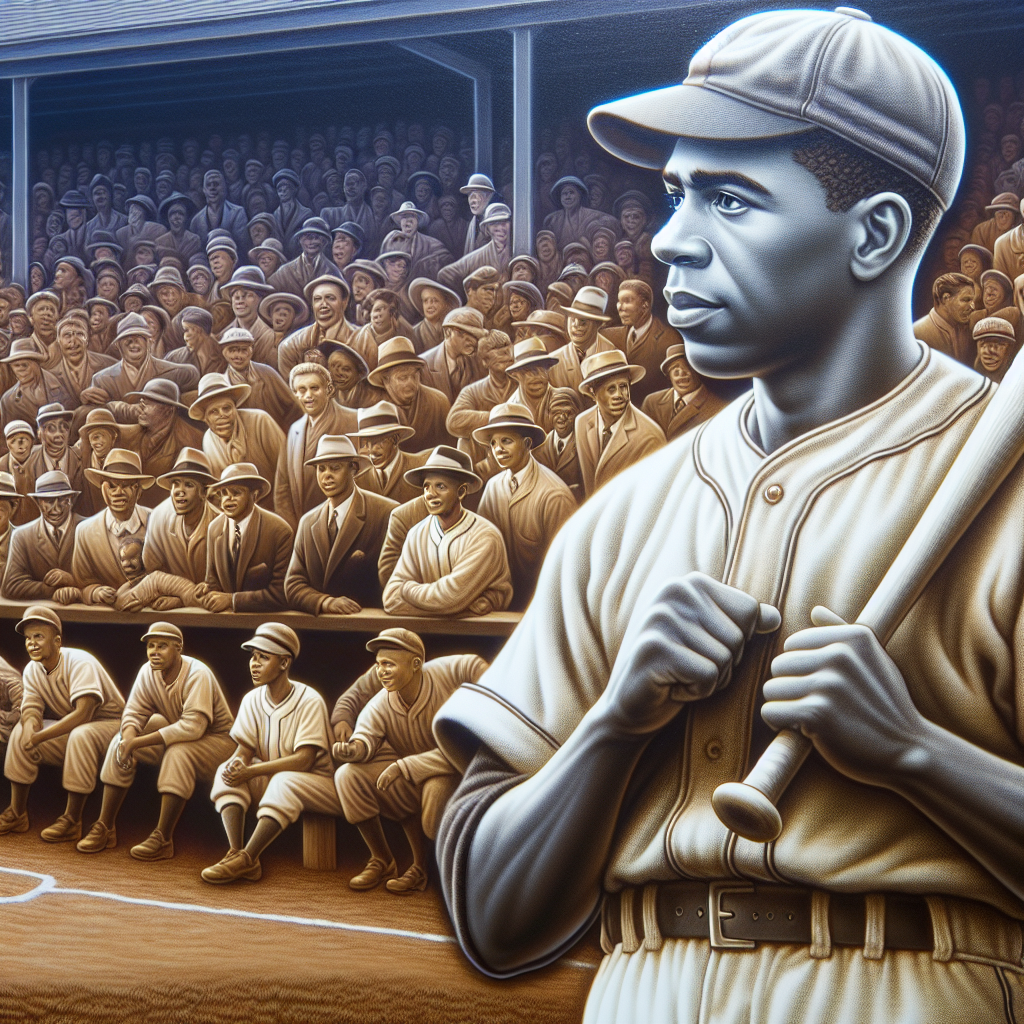
For centuries, sports have served as a powerful platform for social change and personal expression. Among the annals of American sports history, baseball holds a particularly special place. Dubbed “America’s pastime,” it has mirrored the nation’s history, from periods of unified national pride to times stained with division and discrimination. One of the most momentous events in the annals of baseball, and indeed in American history, was the breaking of the color barrier by Jackie Robinson. His courageous actions not only revolutionized the sport but also marked a critical turning point in the Civil Rights Movement. As we delve into the early history of baseball and the monumental legacy of Jackie Robinson, we begin to understand how one man’s determination and talent challenged deep-rooted societal norms and paved the way for future generations.
Baseball’s exclusionary policies, which upheld racial segregation, were merely a reflection of a broader systemic issue prevalent in mid-20th century America. Before Robinson’s debut, Major League Baseball (MLB) was an exclusively white domain, an arena meticulously guarded to maintain the status quo. African American players showcased their extraordinary talents in separate entities, such as the Negro Leagues, where legends like Satchel Paige, Josh Gibson, and Cool Papa Bell dazzled audiences with their skills. These leagues were more than just a haven for African American players; they were a testament to resilience, pride, and a community’s unwavering passion for the game despite societal adversity.
Nevertheless, the segregated nature of baseball could not suppress the underlying desire for equality and recognition. In the face of fierce opposition and potential backlash, the Brooklyn Dodgers’ general manager, Branch Rickey, made an unprecedented decision that would alter the landscape of American sports forever. In signing Jackie Robinson, Rickey didn’t just add a phenomenal player to his roster; he chose a man whose character and fortitude could endure the immense pressure and hostility that came with being a trailblazer.
Jackie Robinson’s Early Life and Foray into Baseball:
Born on January 31, 1919, in Cairo, Georgia, Jack Roosevelt Robinson grew up in a time when America was deeply divided by race. He was the youngest of five children, and his family moved to Pasadena, California, when he was still an infant. Despite facing the ceaseless sting of racial prejudice, Robinson’s exceptional athletic ability became evident early on. At Pasadena Junior College and later at UCLA, he excelled in multiple sports, including football, basketball, track, and, of course, baseball.
Robinson’s time at UCLA was historic in its own right. He became the first athlete at the university to earn varsity letters in four different sports. His commitment, discipline, and remarkable talent laid the foundation for his future success and resilience. However, his journey was fraught with challenges beyond the athletic field. He faced countless instances of racial discrimination, both overt and subtle, which tested his perseverance and strength of character.
After college, Robinson initially pursued a career in football but eventually found himself playing for the Kansas City Monarchs of the Negro American League. It was during this period that he caught the attention of Branch Rickey. Rickey’s vision extended beyond just integrating baseball; he saw an opportunity for social progress and justice. To realize this vision, he needed a player who was not only extraordinary on the field but also possessed the character to withstand the inevitable storm of racism and hostility off the field.
The meeting between Rickey and Robinson in August 1945 was more than a contractual discussion; it was a scrutinizing test of character where Robinson famously vowed to restrain his natural inclination to fight back against racism. This pledge of nonviolent resistance was crucial in ensuring that Robinson’s journey would be portrayed as one of dignified excellence, making it harder for detractors to justify their opposition on anything other than racial grounds.
Breaking the Color Barrier:
On April 15, 1947, history was made. Jackie Robinson stepped onto Ebbets Field as the first African American to play Major League Baseball in the 20th century. The significance of this moment cannot be overstated. It was more than just a game; it was a statement that challenged the entrenched racial norms of the time. Robinson’s presence on the field was a physical manifestation of hope, courage, and change.
However, the journey was far from easy. Robinson faced relentless racial abuse from opposing teams, fans, and even some of his own teammates. The pressure was immense; any failure on his part would not only affect his career but could set back the entire movement for racial integration in sports. Yet, Robinson’s performance on the field was nothing short of stellar. He earned the Rookie of the Year award in 1947, led the league in stolen bases, and maintained an impressive batting average. His success refuted the racist belief that African American players were somehow inferior and opened the door for other black players to join the Major Leagues.
Off the field, Robinson’s impact was equally profound. He became a symbol of the Civil Rights Movement, demonstrating grace under pressure and perseverance in the face of hatred. His interactions were scrutinized, and every word he spoke was weighed for its potential impact. Through it all, Robinson remained composed, understanding that his role was larger than himself—it was about paving the way for future generations and proving that talent knows no racial boundaries.
Robinson’s ability to excel in such a hostile environment was a testament to both his extraordinary skill and his unyielding willpower. His courage inspired countless individuals and garnered support from various segments of society that had previously been indifferent or opposed to integration.

Impact Beyond Baseball:
Jackie Robinson’s influence extended far beyond the baseball diamond. He was a vocal advocate for social justice and used his platform to address broader issues of racial inequality and discrimination. Robinson once said, “A life is not important except in the impact it has on other lives.” True to his word, he actively participated in the Civil Rights Movement, working alongside prominent leaders like Martin Luther King Jr. and speaking out against injustice.
Robinson’s success in Major League Baseball was a beacon of hope during a time of profound social turmoil. His presence in the sport helped challenge the unfounded prejudices against African Americans and paved the way for subsequent generations of black athletes. He demonstrated that excellence and hard work could overcome systemic barriers, encouraging young African Americans to pursue their dreams despite societal obstacles.
Furthermore, Robinson’s legacy helped initiate broader conversations about race in America. His courage laid the groundwork for subsequent legislative actions aimed at dismantling segregation, such as the Civil Rights Act of 1964 and the Voting Rights Act of 1965. Through his relentless pursuit of excellence and equality, Robinson inspired societal change that transcended the world of sports.
Despite the great strides that have been made, the journey toward racial equality continues. Robinson’s legacy serves as a reminder of the importance of perseverance, courage, and the ongoing fight for justice. His impact resonates today, as athletes and individuals from all walks of life continue to draw inspiration from his story and advocate for a more inclusive and equitable society.
Jackie Robinson’s Awards and Honors:
Jackie Robinson’s remarkable career and indelible impact on both sports and society have been recognized through numerous awards and honors. In 1962, he was inducted into the Baseball Hall of Fame, a fitting acknowledgment of his profound contributions to the game. His number, 42, was universally retired by Major League Baseball in 1997, ensuring that no player would wear it again, except during the annual Jackie Robinson Day on April 15, when every player dons the number in tribute.
Robinson’s influence was also acknowledged beyond the realm of sports. He received the Presidential Medal of Freedom, the nation’s highest civilian honor, in 1984, and was posthumously awarded the Congressional Gold Medal in 2005. These accolades underscore the enduring significance of his contributions to civil rights and his role in advancing social justice.
Additionally, numerous schools, streets, and public spaces have been named in Robinson’s honor, serving as constant reminders of his legacy. Documentaries, books, and films, such as “42,” continue to tell his story, ensuring that his contributions and the lessons learned from his life are passed on to future generations.
Through these various forms of recognition, Jackie Robinson’s pioneering spirit and unwavering commitment to equality are celebrated and preserved. His legacy remains a powerful source of inspiration, motivating individuals to challenge injustice, break down barriers, and create a more inclusive world.
Conclusion:
Jackie Robinson’s historic entry into Major League Baseball ushered in a new era for the sport and the country. Through his remarkable talent, unwavering resolve, and unyielding dignity, he broke the color barrier and proved that excellence transcends racial boundaries. Robinson’s legacy is far-reaching, influencing not only the world of sports but also the broader realm of social justice and civil rights.
His courage in the face of prejudice and adversity paved the way for future generations of athletes and inspired societal change that sought to uphold the values of equality and justice. Robinson’s story serves as a vivid reminder of the power of perseverance and the impact that one individual can have in challenging systemic injustices and advocating for a more equitable society.
As we reflect on Jackie Robinson’s legacy, we are reminded of the ongoing journey toward racial equality. His contributions laid the groundwork for progress, but there is still work to be done. The fight for equality continues, and Robinson’s story remains a powerful source of inspiration as we strive to create a more inclusive and just world.
By remembering and honoring the legacy of Jackie Robinson, we not only pay tribute to his remarkable achievements but also reaffirm our commitment to breaking down barriers, challenging prejudice, and fostering a society that values diversity and equality for all.