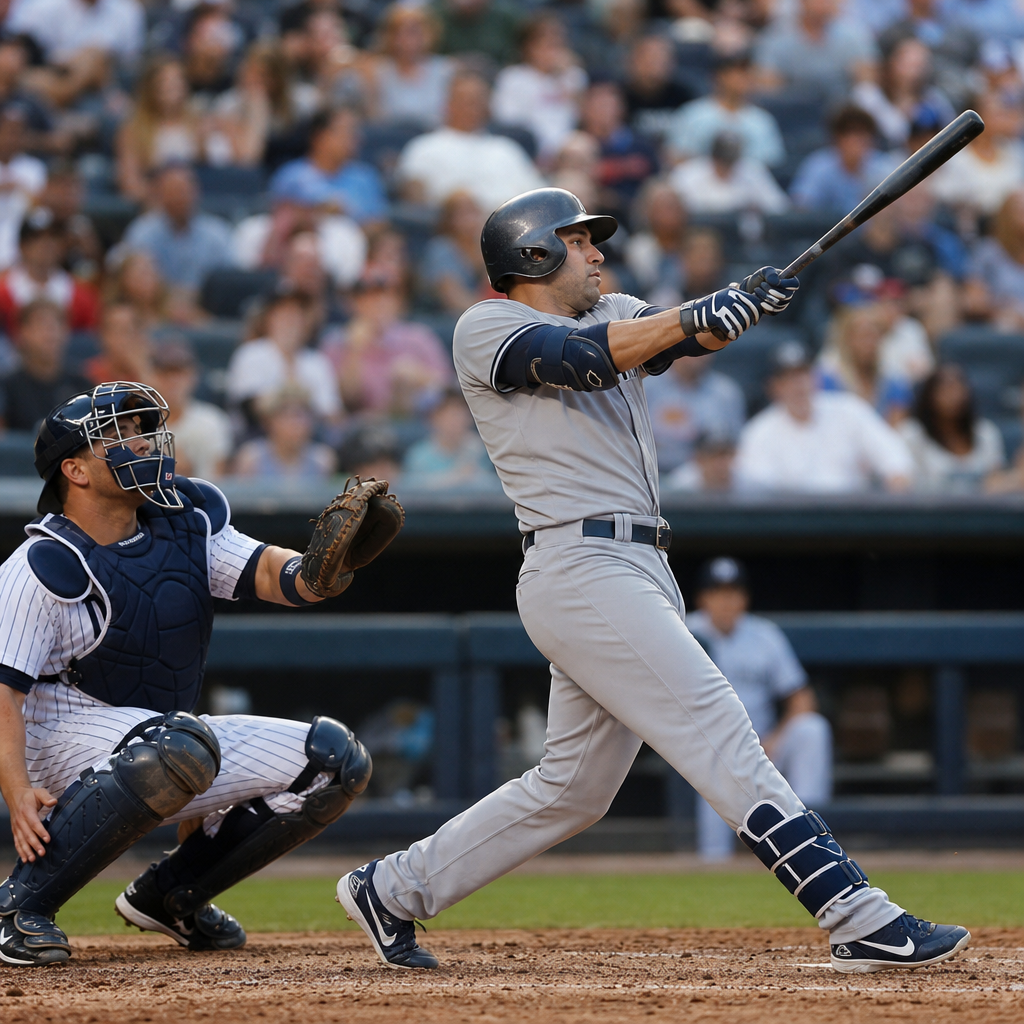
Baseball has always balanced skill, spectacle, and risk, and few changes have shaped that balance more than the introduction of protective gear in baseball. What began as a rough nineteenth-century game played with minimal equipment gradually evolved into a modern sport defined by specialized helmets, masks, mitts, guards, and safety standards. For players, coaches, historians, and fans studying innovations and changes in baseball, protective equipment is one of the clearest examples of how the sport adapts without losing its identity.
Protective gear in baseball refers to equipment designed to reduce injury from impact, collisions, abrasion, and repetitive stress. The category includes obvious items such as batting helmets, catcher’s masks, chest protectors, shin guards, and athletic cups, but it also extends to fielding gloves, face guards, elbow guards, protective sliding mitts, and padded gear used during practice. Historic innovations in baseball often get discussed through rule changes, ball composition, or stadium design, yet safety equipment deserves equal attention because it changed who could play, how aggressively they could compete, and how long careers could last.
I have worked through old equipment catalogs, league rulebooks, and museum archives, and one pattern stands out: baseball rarely adopted protection all at once. Most gear entered the game after a visible injury, public debate, or resistance from players who feared appearing weak or less traditional. That slow adoption matters because it shows innovation in baseball is not just about invention. It is about acceptance, standardization, manufacturing, and eventually culture. Understanding that process makes this topic essential for a sub-pillar hub on historic innovations.
This hub article explores how protective equipment entered baseball, why each major item was controversial at first, and how these changes influenced performance, strategy, and player development. It also provides the context needed to connect related subjects across the broader innovations and changes in baseball topic, from equipment engineering and rule enforcement to sports medicine and youth participation. If you want one historic innovation that links technology, safety, and tradition, protective gear is the ideal place to start.
Why early baseball resisted protective equipment
In baseball’s early decades, many players treated toughness as part of the game’s appeal. Nineteenth-century fielders often played barehanded or used lightly padded gloves that looked more like work gloves than modern sporting goods. Catchers stood farther back from the batter because pitchers delivered underhand or with less velocity than later professionals. As pitching speed increased, bat design improved, and competition intensified, the injury risk rose sharply. Broken fingers, facial injuries, dental damage, concussions, and bruised ribs were common, yet the culture of the sport still framed protection as unnecessary or unmanly.
That resistance came from several practical concerns. Players worried that extra padding would reduce mobility, visibility, and feel. Owners worried about cost. Purists argued that gear would change the nature of baseball by making players less accountable for mistakes. Similar objections appear whenever the game modernizes, whether the issue is gloves in the 1870s, helmets in the twentieth century, or face shields today. The lesson is consistent: baseball accepts innovation most readily when the benefit is concrete, visible, and hard to dispute after repeated injuries.
The expansion of newspapers also influenced adoption. Once accounts of gruesome injuries spread beyond local ballparks, public pressure increased. Teams and leagues did not simply react to statistics. They reacted to stories, named players, and preventable harm. That pattern would later shape the adoption of batting helmets and stricter youth equipment standards.
The glove revolution changed defense and durability
No piece of protective gear transformed baseball more fundamentally than the glove. Early players often viewed gloves as a sign of weakness, and some wore flesh-colored models to disguise them from spectators. By the 1880s and 1890s, however, the glove had moved from stigma to necessity. This was not only a safety story. It was also a performance story. Better gloves reduced hand injuries, allowed fielders to attack harder-hit balls, and made one-handed catches, quicker transfers, and more ambitious defensive positioning possible.
Albert Spalding and sporting goods manufacturers helped standardize glove design, turning scattered experimentation into a market. As webbing, padding, and pocket depth improved, infield and outfield play changed. First basemen adopted larger mitts because they handled frequent throws. Catchers developed heavily padded mitts to absorb velocity from increasingly powerful pitchers. These design differences created the positional specialization now taken for granted across baseball.
The glove also made the sport more sustainable over a long season. Hand injuries can quietly erode performance, especially for players expected to throw every day. By reducing fractures, bruising, and finger dislocations, gloves preserved roster value. In practical terms, that meant teams could train more efficiently, trust defenders with difficult plays, and maintain consistency over hundreds of innings. Among historic innovations in baseball, the glove stands out because it protected the athlete while simultaneously raising the standard of play.
Catcher’s gear brought order to baseball’s most dangerous position
If the glove was baseball’s broadest safety breakthrough, catcher’s gear was its most urgent. No position absorbed more punishment than catcher as pitching evolved from slower deliveries to high-velocity overhand throwing. Early catchers worked without modern masks, chest protectors, leg guards, or heavily padded mitts. Facial fractures, broken noses, missing teeth, and severe bruising were routine occupational hazards.
The catcher’s mask emerged in the late nineteenth century and is commonly associated with James Tyng and later refinements by Fred Thayer. At first, some players feared the mask would obstruct vision or signal cowardice. In reality, it allowed catchers to move closer to the batter, improving pitch reception and control of the running game. Once chest protectors and shin guards followed, the position changed from survival test to tactical command post. A protected catcher could block balls in the dirt, frame pitches more confidently, and endure foul tips that once ended games or careers.
This was a turning point for baseball strategy. With better protected catchers, pitchers could throw harder breaking pitches in tighter locations. Managers could call more aggressive games with runners on base. Defensive communication improved because catchers remained healthier and more available. Modern baseball still reflects that innovation. Every time a catcher sets up close, smothers a splitter, or withstands repeated foul balls, the hidden legacy is protective engineering.
| Protective innovation | Primary problem solved | Broader effect on baseball |
|---|---|---|
| Fielding glove | Hand injuries from hard-hit balls | Improved range, catching reliability, and defensive specialization |
| Catcher’s mask | Facial trauma and dental injuries | Allowed catchers to set up closer and manage games more aggressively |
| Chest protector and shin guards | Repeated blunt-force impacts behind the plate | Expanded blocking techniques and durability at catcher |
| Batting helmet | Head injuries from pitches and batted balls | Reduced catastrophic risk and changed league safety expectations |
| Modern guards and face protection | Targeted limb and facial injuries | Encouraged safer participation from youth to professional levels |
Batting helmets answered baseball’s most visible safety crisis
The introduction of the batting helmet in baseball was slower and more contested than many people assume. Players had long been struck by pitches, but early protective headgear looked awkward, felt hot, and carried a stigma. Some teams experimented with padded caps in the first half of the twentieth century, yet widespread acceptance came only after serious head injuries forced the issue into public view. Beanings were not abstract risks. They were headline events that permanently altered players’ lives and, in some cases, ended them.
Major League Baseball gradually moved toward mandatory helmet use, with broad requirements taking hold in the 1970s for most players. Ear flaps became standard later, adding protection against side impact. At the amateur level, organizations such as the National Operating Committee on Standards for Athletic Equipment established testing and certification benchmarks that reshaped manufacturing. This was crucial because a helmet is only protective if materials, fit, and impact performance meet validated standards.
The batting helmet did more than prevent catastrophic skull fractures. It improved confidence in the batter’s box. Hitters facing inside fastballs could stay competitive without accepting the same level of unmitigated danger faced by earlier generations. There are tradeoffs, of course. Helmets cannot eliminate concussion risk, and no equipment removes the need for coaching, rules, and medical protocols. Still, among all historic innovations in baseball, mandatory helmet use marks one of the clearest cases where safety governance caught up with the realities of elite competition.
Specialized protection expanded beyond the essentials
Once baseball accepted gloves, masks, and helmets, equipment innovation became more targeted. Elbow guards, ankle guards, protective cups, wrist guards, and sliding mitts addressed specific vulnerabilities created by modern play. Hitters who crowd the plate often wear elbow protection because pitchers throw harder than ever and work aggressively inside. Base stealers use sliding mitts to protect fingers from jamming against bases during headfirst slides. Some pitchers and infielders now wear caps or inserts designed to reduce the force of line drives, though adoption remains uneven.
Face guards are another important development. After facial injuries to stars at various levels of the game, some batters added jaw or cheek extensions to helmets. Youth softball and baseball leagues increasingly use fielder’s face masks, especially at pitcher and corner infield positions where reaction time is limited. Critics sometimes argue that visible protection signals fear, but in practice it often broadens participation. Parents, school programs, and community leagues are more likely to support a sport when avoidable injuries are taken seriously.
This expansion reflects a mature stage of innovation. Instead of waiting for a universally accepted piece of gear, manufacturers now solve narrower problems for distinct positions and playing styles. That is how many sports evolve: first through major protective breakthroughs, then through incremental refinements supported by data, biomechanics, and player feedback.
Rules, standards, and materials made gear effective
Protective gear only changes baseball when leagues require or normalize its use. That is why the history of safety equipment cannot be separated from rulebooks, standards bodies, and advances in material science. Rubberized padding, molded plastics, lightweight alloys, energy-dispersing foams, and moisture-managing liners all improved comfort and compliance. A helmet that players hate will be worn improperly. A mask that shifts on impact can create new hazards. Good design means balancing protection, fit, visibility, weight, and ventilation.
Standards matter just as much. In youth and amateur baseball, certification systems help coaches and parents identify gear tested for impact resistance and structural integrity. At the professional level, collective bargaining, team medical staffs, and manufacturer partnerships influence adoption. I have seen equipment changes gain traction only after players trust that a new product does not compromise vision or performance. That trust is built through repeated use, transparent testing, and visible endorsement from respected athletes.
Rules also shape behavior around protective gear. Mandates for helmets in base coaching boxes, for example, recognized that non-batters also face risk from foul balls and overthrows. Similarly, catcher equipment requirements at scholastic levels establish a baseline that schools cannot ignore. Historic innovations in baseball succeed when technology and governance move together.
The lasting impact on baseball culture and future innovation
The introduction of protective gear in baseball did not make the game soft. It made the game sustainable. Players still face risk, but the baseline expectation has changed from enduring preventable injury to managing it intelligently. That cultural shift affects talent pipelines, coaching methods, youth enrollment, and even how fans interpret courage. Today, playing through pain is no longer the only measure of toughness. Preparation, recovery, and responsible equipment choices also signal professionalism.
Protective gear has also expanded access. Younger players can learn difficult positions earlier because equipment reduces the immediate penalty for mistakes. Catchers can develop receiving skills without absorbing the same degree of damage once considered normal. Batters can train against higher velocity in controlled settings. For women’s baseball, youth programs, and school systems, this matters enormously because safer participation supports retention and growth.
Looking ahead, expect protective baseball equipment to become smarter, lighter, and more individualized. Custom fitting through 3D scanning, improved impact foams, better rotational-force management, and position-specific head protection are all realistic pathways. The challenge will remain familiar: preserving comfort and aesthetics while improving safety enough that adoption feels natural rather than forced. Baseball history suggests the same outcome every time. Once gear proves its value, tradition adjusts.
Protective gear belongs at the center of any serious discussion of exploring historic innovations in baseball because it connects technology, rules, culture, and human performance in one story. The glove reshaped defense. Catcher’s equipment stabilized the game’s toughest position. Batting helmets addressed the sport’s most visible and dangerous injuries. Modern guards and certified equipment standards continue that trajectory across every level of play.
The larger takeaway is simple: baseball evolves best when innovation solves a real problem without erasing the sport’s character. Protective equipment did exactly that. It preserved competition, enabled sharper athletic performance, and made participation more defensible for players, families, coaches, and leagues. As a hub within innovations and changes in baseball, this topic opens the door to related articles on equipment engineering, rule history, sports medicine, and positional strategy.
If you are building a deeper understanding of baseball’s transformation over time, start here and keep exploring the connected innovations that followed. Protective gear did not merely shield players from harm. It helped build the modern game.
Frequently Asked Questions
Why was protective gear introduced in baseball in the first place?
Protective gear was introduced in baseball because the sport became faster, harder, and more physically demanding as it developed. In the nineteenth century, baseball was played with far less equipment, and many players accepted injuries as part of the game. Early rules, looser standards, primitive gloves, and the absence of modern head and face protection meant that catchers, batters, and infielders were especially vulnerable to serious harm. As pitchers threw harder, bats improved, and competition intensified, the risks became more obvious and harder to ignore. Broken fingers, facial injuries, concussions, and other traumatic impacts pushed players and teams to seek practical ways to stay safe without abandoning the spirit of the sport.
The introduction of protective equipment was not just about comfort; it was about survival, performance, and the long-term growth of baseball. Catchers began adopting masks because they stood closest to foul tips and wild pitches. Gloves gradually evolved from simple hand coverings into essential fielding tools. Batting helmets emerged as awareness grew around head injuries and the dangers of being hit by pitched balls. Over time, baseball’s leaders recognized that reducing preventable injuries helped preserve talent, improve the quality of play, and make the sport more sustainable at every level. In that sense, protective gear became one of the clearest examples of baseball adapting to modern expectations around athlete welfare while still preserving the game’s competitive edge.
What were the earliest forms of protective equipment used in baseball?
The earliest forms of protective equipment in baseball were quite basic compared with what players use today. In the beginning, most gear was improvised, experimental, and sometimes even controversial because many athletes felt that “real” baseball should be played without visible protection. One of the first major breakthroughs was the catcher’s mask, introduced in the late nineteenth century to protect against direct blows from foul tips and missed pitches. This was a revolutionary development because catchers absorbed some of the most dangerous contact in the game. At first, masks were awkward and not universally accepted, but they quickly proved their value.
Gloves were another early innovation, though they started small and lightly padded. Early fielders often played barehanded or with minimal assistance, which made catching hard-hit balls painful and risky. As players began using gloves more regularly, the design improved with additional padding, webbing, and shaping that made them more effective for different positions. Catchers and first basemen in particular benefited from specialized mitts that helped absorb force and secure the ball. Chest protectors, shin guards, and other catcher’s equipment followed as the understanding of repeated impact grew. These early tools were not as advanced as modern gear, but they marked a major turning point: baseball was beginning to accept that protection and skill could coexist, and that equipment could enhance the game rather than weaken it.
How did protective gear change the way baseball is played?
Protective gear changed baseball in both obvious and subtle ways. On the most visible level, it allowed players to perform with greater confidence in dangerous situations. Catchers could position themselves more aggressively behind the plate because masks, chest protectors, and shin guards reduced the risk of constant injury. Infielders and first basemen could handle harder-thrown balls more reliably with improved gloves and mitts. Batters, once helmets became standard, could stand in more securely against inside pitching without facing the same level of fear over catastrophic head trauma. That did not eliminate risk, but it changed the mental and tactical environment of the sport.
Over time, better protection also influenced player development, strategy, and the overall pace of competition. Athletes could train more consistently, recover from fewer avoidable injuries, and specialize in ways that earlier generations often could not. Defensive play improved because gloves became position-specific and more technically refined. Youth baseball, amateur programs, and professional leagues all benefited because safer participation meant more players could stay in the game longer. In a broader sense, protective gear helped baseball evolve from a rugged pastime with loosely accepted danger into a structured modern sport that values both excellence and safety. Rather than diluting competition, equipment innovation often raised the standard of play by allowing athletes to perform at a higher level with reduced exposure to needless harm.
Which pieces of protective gear have had the biggest impact on player safety?
Several pieces of protective gear have had an enormous impact on player safety, but a few stand out as especially transformative. The catcher’s mask is one of the most important innovations in baseball history because it directly protected the face, eyes, nose, and teeth in the most hazardous defensive position on the field. Without it, catchers faced relentless danger from foul tips and errant pitches. Batting helmets are equally significant, especially after leagues and governing bodies increasingly recognized the threat posed by head injuries. Helmets dramatically reduced the likelihood of life-threatening skull fractures and became one of the strongest symbols of baseball’s shift toward modern safety standards.
Gloves and mitts also deserve recognition because they reduced hand and finger injuries while improving a player’s ability to field the ball cleanly. Although they are sometimes discussed more as tools of performance than protection, their safety value is substantial. For catchers specifically, chest protectors and shin guards have been essential in defending against repeated impact over the course of games and seasons. More recently, protective cups, elbow guards, ankle guards, face guards attached to batting helmets, and padded inserts for fielders have expanded the range of safety options available. The biggest impact has come from the cumulative effect of all these pieces working together. Baseball safety did not improve because of one invention alone; it improved because the sport gradually built a culture where targeted protection became standard, expected, and continually refined.
Why is the history of protective gear important to understanding baseball today?
The history of protective gear is important because it reveals how baseball has continuously adapted to the realities of competition, technology, and player welfare. Looking at equipment changes over time shows that baseball is not a static sport frozen in tradition. Instead, it is a living game that has repeatedly responded to new knowledge and new challenges. The move from barehanded fielding to specialized gloves, from exposed catchers to fully equipped backstops, and from unprotected batters to helmeted hitters reflects larger changes in how the sport defines responsibility, professionalism, and fairness. Understanding that history helps explain why modern rules and standards exist and why safety debates remain so central to the game.
It also matters because protective gear tells a human story about resistance, innovation, and acceptance. Many of the tools now considered essential were once viewed as unnecessary or even unmanly. Their eventual adoption shows how deeply culture shapes sports, and how evidence and experience can gradually overcome skepticism. For historians, this evolution provides a clear lens into baseball’s broader modernization. For coaches and players, it reinforces the idea that using protection is not a sign of weakness but part of playing the game intelligently. For fans, it adds context to the sport they watch today, reminding them that every helmet, mitt, and mask represents decades of adaptation aimed at preserving both the drama of baseball and the people who make it possible.