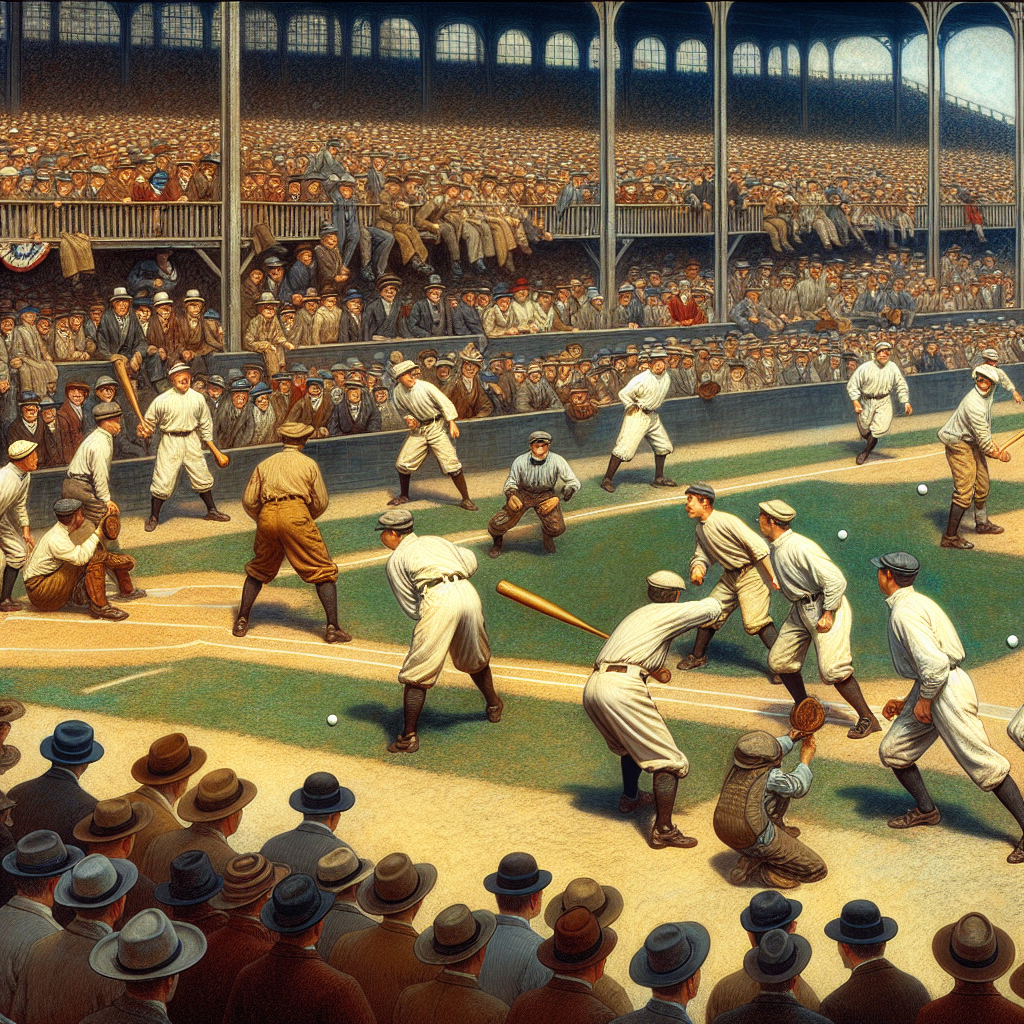
The early 20th century is often hailed as the “Golden Age of Baseball.” This period saw the sport transform from a regional pastime to America’s favorite pastime, embedding itself deeply into the national fabric. Its popularity boomed, driven by a combination of charismatic players, competitive teams, and the growing support of enthusiastic fans. The era’s significance extends beyond the diamond, influencing culture, integrating diverse communities, and navigating through times of social change. Let’s delve into the reasons this era earned its golden reputation and explore the pivotal moments and figures that solidified baseball’s place in American history.
The Rise of Legendary Players
The early 20th century saw the emergence of baseball heroes who captivated the imaginations of fans. Babe Ruth, often referred to as “The Sultan of Swat,” revolutionized the game with his unprecedented power hitting. Ruth’s home runs became legendary, and he played a crucial role in popularizing the New York Yankees, transforming them into a dominant force in baseball. Lou Gehrig, Ruth’s teammate, was another standout player whose endurance and skill earned him the nickname “The Iron Horse.” Their partnership created one of the most formidable lineups in baseball history.
Besides Ruth and Gehrig, other Hall of Famers like Ty Cobb, known for his fierce competitiveness and intimidating batting prowess, and Honus Wagner, an unparalleled shortstop of his era, left indelible marks on the game. The performances and rivalries of these players attracted unprecedented attention and brought a sense of excitement previously unseen in baseball. Their talents were complemented by the rise of radio broadcasts, which brought games into the living rooms of millions of Americans, adding to the sport’s growing popularity.
The Impact of Negro Leagues
While Major League Baseball (MLB) was thriving, an equally important development was the rise of the Negro Leagues. Due to racial segregation, African American players were barred from MLB, but this exclusion led to the establishment of a parallel league that showcased some of the most talented athletes in the sport. Led by visionaries such as Rube Foster, the Negro National League was founded in 1920, providing a platform for black athletes to shine.
Stars like Satchel Paige, a charismatic and dominant pitcher, and Josh Gibson, often referred to as the “Black Babe Ruth,” showcased extraordinary talents that rivaled and often surpassed their MLB counterparts. Though they faced considerable challenges and discrimination, the Negro Leagues were instrumental in the eventual integration of baseball, culminating in Jackie Robinson breaking the color barrier in 1947. The legacy of these players and the Negro Leagues as a whole is a testament to the resilience and skill of African American athletes during a time of profound adversity.
Technological Advancements and Media Influence
The golden age of baseball coincided with significant technological advancements, which played a significant role in propelling the sport into the national spotlight. Radio broadcasts of games became immensely popular in the 1920s and 1930s, allowing fans to follow their favorite teams and players even if they couldn’t attend games in person. This was a transformative development, as it brought the excitement of baseball to a much wider audience.
Moreover, the advent of newsreels and early film allowed fans to see highlights and memorable moments, further solidifying players’ statuses as national heroes. This era also saw the proliferation of sports journalism, with newspapers dedicating significant coverage to baseball. Writers like Grantland Rice and Ring Lardner became household names, bringing colorful descriptions and personal insights into the game. These mediums helped create and propagate the larger-than-life personas of players like Babe Ruth and Ty Cobb, making them enduring icons.
Expansion and Urbanization
Baseball’s growth paralleled the rapid urbanization of the United States in the early 20th century. As cities swelled with new residents, many of whom were immigrants seeking a better life, baseball stadiums became communal spaces where diverse groups could unite in their love of the game. The construction of iconic ballparks like Yankee Stadium, Fenway Park, and Wrigley Field not only provided new venues for the sport but also became symbols of their cities.
The expansion of teams into new markets further fueled baseball’s popularity. Cities like St. Louis, Chicago, and Detroit embraced their teams with fervor, creating passionate fan bases that have endured for generations. This widespread urban enthusiasm contributed to baseball’s status as America’s pastime, embedding it deep into the cultural and social fabric of the country. Local rivalries, such as the fierce competition between the Chicago Cubs and the St. Louis Cardinals, added an extra layer of excitement and engagement for fans.
Post-War Prosperity and Baseball’s Boom
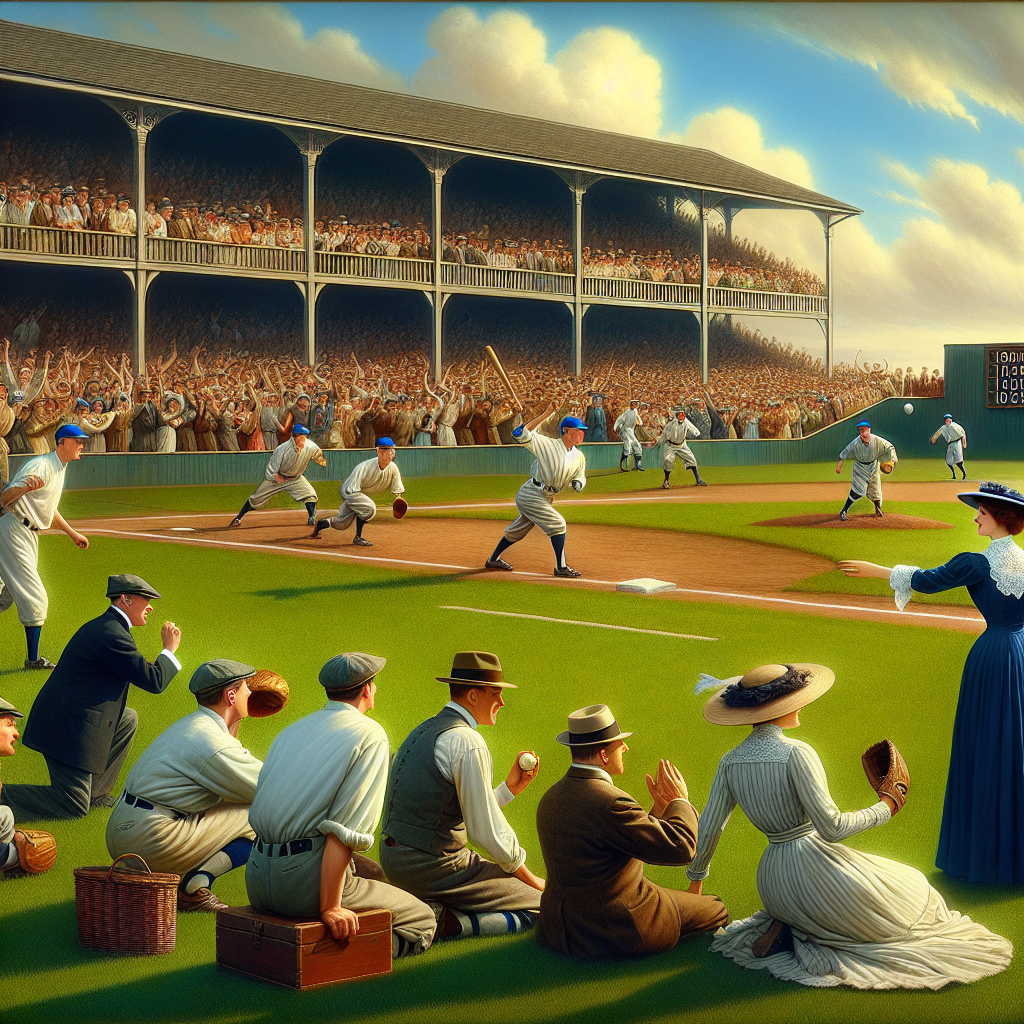
Following World War I, America experienced a period of booming economic growth and increased leisure time, both of which played into baseball’s growing popularity. As soldiers returned home, many brought with them a renewed appreciation for the sport, having played and watched games while stationed overseas. The 1920s, often called the “Roaring Twenties,” were a time of excess and entertainment, and baseball was a significant part of this cultural shift.
The economic prosperity allowed more Americans to afford the time and money to attend games and buy radio sets to follow their favorite teams. The commercialization of sports also began to take off, with advertisers recognizing the potential of baseball to reach large audiences. Iconic moments such as Babe Ruth’s “called shot” in the 1932 World Series became frozen in time, celebrated in newspapers, and talked about endlessly by fans. This blend of economic backdrop and cultural moment helped cement baseball’s place at the heart of American society.
Conclusion
The early 20th century, truly the golden age of baseball, was a transformative era that laid the foundation for the future of the sport. It was characterized by the rise of legendary players who became cultural icons, the crucial impact of the Negro Leagues in striving for racial equality, and the significant role of media in broadening the sport’s appeal. Baseball stadiums became sanctuaries where diverse urban populations could find common ground, and the overall prosperity of the era provided the means for fans to engage with and celebrate baseball on an unprecedented scale.
This period was not without its challenges, from social issues to economic fluctuations, but the resilience of the sport and its institutions ensured that baseball would firmly embed itself as America’s pastime. The golden age left an indelible legacy, influencing generations of players and fans. It set standards and traditions that continue to shape the way the game is played and appreciated today. As we look back on this formative era, we understand why baseball holds such a revered place in the hearts of Americans and how its history continues to be written with the same spirit of passion and perseverance that defined its early 20th-century boom.