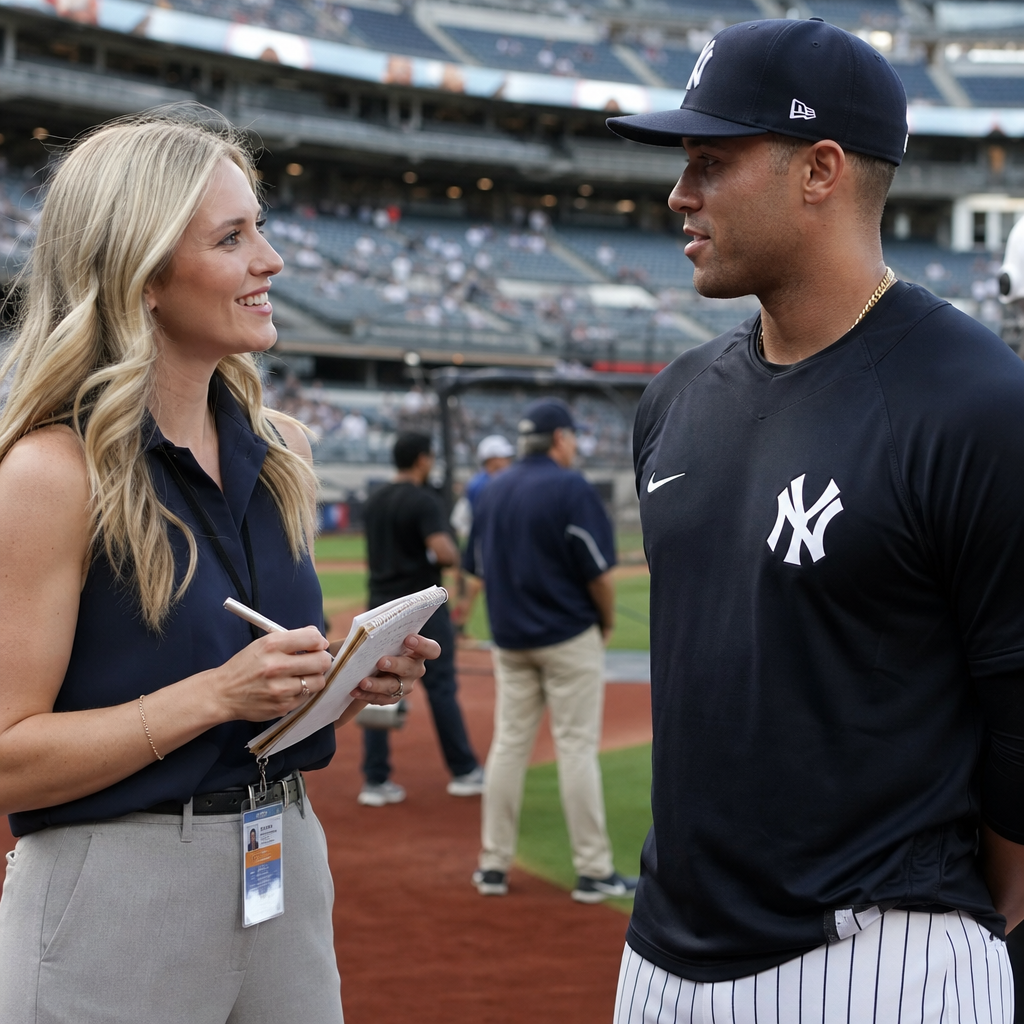
Baseball media has never been confined to the press box, and women have long shaped how fans understand the sport through reporting, broadcasting, photography, production, research, and digital storytelling. In this “Miscellaneous” hub within the broader Women in Baseball topic, baseball media refers to every channel that frames the game for the public: newspapers, radio, television, documentaries, podcasts, team content, league platforms, newsletters, data sites, and social video. Women’s roles in baseball media matter because media decides which stories get amplified, which players become legible to casual fans, and which issues enter the sport’s public conscience. After years working around sports content operations and editorial planning, I have seen one consistent truth: when newsrooms and broadcast teams broaden who tells the story, coverage becomes more accurate, more creative, and more useful to audiences. This article maps the full terrain, from on-air talent to behind-the-scenes decision-makers, while serving as a central guide to the many overlooked ways women influence baseball coverage, culture, and commercial growth.
How Women Reshaped Baseball Journalism and Beat Reporting
Women in baseball journalism did more than enter a male-dominated field; they changed the standards of reporting within it. Beat reporting is the daily, access-driven practice of covering a team through clubhouse interviews, travel, injury updates, game analysis, and feature writing. For decades, women faced formal barriers to locker-room access, which limited their ability to do the same job as male reporters. Landmark legal and workplace fights in the 1970s and 1980s helped dismantle those restrictions, making it possible for women to cover Major League Baseball as full professionals rather than as sidelined feature writers. That access mattered because accurate baseball journalism depends on direct reporting, not secondhand accounts.
Respected writers such as Claire Smith demonstrated exactly what rigorous baseball coverage looks like. Her reporting combined sourcing, historical perspective, and accountability, and her recognition by the Baseball Writers’ Association of America and the Hall of Fame signaled institutional change. Today, writers including Chelsea Janes, Hannah Keyser, Britt Ghiroli, and Lindsey Adler have shown how modern baseball journalism works across game stories, labor coverage, analytics interpretation, and long-form investigations. Their work explains not just what happened in the ninth inning, but why roster construction, front-office philosophy, biomechanics, and collective bargaining shape what fans watch on the field.
Women also expanded the range of subjects considered central to baseball. Coverage now regularly includes player development, mental skills, domestic violence policy, parental leave, travel strain, minor league housing, and the economics of local broadcasting. That broader lens is not “soft” coverage; it is better coverage. A fan trying to understand why a prospect breaks out, why a veteran declines, or why a team’s payroll strategy changes needs reporting that connects baseball operations with human realities. Strong baseball journalism turns those connections into clear, verifiable stories.
Women on Air: Play-by-Play, Analysis, Hosting, and Audio Storytelling
On-air roles are often the most visible positions in baseball media, and women have become increasingly central in each category. Play-by-play announcers narrate the action in real time, analysts explain strategy and technique, sideline or field reporters provide updates and interviews, and studio hosts organize discussion for pregame and postgame audiences. Each role requires different skills. Play-by-play demands timing, scorebook fluency, and command of baseball language. Analysis requires credibility, pattern recognition, and the ability to translate concepts such as pitch tunneling, spin efficiency, or defensive positioning into plain speech. Hosting requires pacing, interview control, and editorial judgment.
Names such as Suzyn Waldman, Melanie Newman, Jessica Mendoza, Jenny Cavnar, Alanna Rizzo, Lauren Gardner, and Hazel Mae illustrate the diversity of those paths. Some emerged from local radio, some from regional sports networks, some from national television, and some through cross-sport hosting. What unites successful baseball broadcasters is preparation. The strongest broadcasters build deep game notes, consult Statcast and Baseball Savant data, study recent usage patterns, and speak with players, coaches, and public relations staff before airtime. In my experience, the audience quickly notices the difference between generic commentary and reporting-based analysis grounded in evidence.
Audio and podcasting have widened opportunities further. Baseball podcasts reward subject-matter expertise and voice rather than traditional television gatekeeping. Women have built strong audiences through interview shows, analytical podcasts, team-affiliated audio, and independent newsletters tied to podcast brands. This matters for baseball because fandom is increasingly time-shifted. Many fans follow the sport while commuting, exercising, or scrolling highlights later. The people who frame the game in audio now help determine which stories persist beyond the final out.
Behind the Camera and Control Room: Producers, Editors, and Decision-Makers
Some of the most pivotal roles in baseball media are nearly invisible to viewers. Producers decide which stories make the rundown, which replay angle airs after a controversial call, how a pregame segment is framed, and when to prioritize analysis over entertainment. Assignment editors coordinate crews and logistics. Researchers prepare background packets and verify notes. Video editors shape pace and emotional impact. Social producers choose which clips represent a game to digital audiences. Photographers and documentary filmmakers create the visual archive that often outlasts the original broadcast.
When women hold these positions, their influence is structural, not symbolic. A producer can make sure a feature on a player’s swing change includes actual batting data instead of sentiment. A coordinating producer can push for better integration between live broadcast and social clips. A photo editor can assign portraits that move beyond clichés and capture athletes as workers, competitors, parents, and public figures. In one team-content workflow I observed, the editorial difference came down to one producer asking a simple question: what does this story teach the fan? That question redirected a fluffy clubhouse piece into a sharp explainer on catcher game-calling and pitcher trust.
These jobs also affect hiring pipelines. Producers often recommend future hosts, analysts, and reporters. Newsroom leaders shape internship criteria and freelance commissioning. Digital directors decide whether newsletters, explainers, and data visualizations get resources. If a hub page on women in baseball media is meant to be comprehensive, these positions belong near the center because they determine what audiences see, hear, and remember.
Digital Media, Data, and New Career Paths
Baseball media has expanded far beyond traditional outlets, creating new specialties where women have become indispensable. Team sites, league platforms, subscription newsletters, YouTube channels, TikTok accounts, and independent baseball brands all compete for fan attention. Digital baseball coverage now blends reporting, editing, graphic design, audience development, and platform-specific packaging. A single story may appear as a written article, a vertical video clip, a quote graphic, a podcast segment, and an email summary within hours. That multi-format workflow rewards adaptable journalists and content strategists.
Analytics literacy is especially important. Public tools such as FanGraphs, Baseball Savant, Retrosheet, and Stathead have changed what informed baseball storytelling looks like. Reporters and editors who understand weighted runs created plus, expected slugging, catcher framing, and pitch movement can challenge simplistic narratives. For example, a broadcaster discussing a hitter’s slump can now compare hard-hit rate, chase rate, and expected results rather than repeating that the player “just needs to relax.” Women working in digital baseball media have helped normalize this evidence-based language without making coverage inaccessible to casual fans.
The career ladder is also less linear than it once was. Someone might start by running social for a summer collegiate team, build a portfolio through freelance features, produce podcast segments, learn basic video editing in Adobe Premiere Pro, and move into a regional network or national outlet. Others come through data visualization, audience insights, or newsletter publishing. Because baseball’s calendar is long and content needs are constant, people who can blend subject expertise with platform fluency are valuable in every market.
| Role | Primary Skills | Typical Output | Why It Matters |
|---|---|---|---|
| Beat Reporter | Interviewing, sourcing, deadline writing | Game stories, injury news, features | Creates the factual record of a team’s season |
| Broadcaster/Analyst | Live communication, research, game knowledge | TV, radio, streaming commentary | Shapes how fans interpret events in real time |
| Producer | Editorial planning, scripting, coordination | Pregame shows, segment rundowns, live decisions | Determines which stories get told and how |
| Digital Editor | SEO, packaging, platform strategy, copy editing | Articles, newsletters, homepage promotion | Connects baseball reporting with discoverability |
| Social/Video Creator | Short-form editing, audience growth, headline writing | Clips, reels, highlight packages | Introduces baseball stories to younger audiences |
Representation, Access, and the Business of Credible Coverage
Representation in baseball media is not only about fairness; it is a business and credibility issue. Audiences are fragmented across local broadcasts, national platforms, streaming services, and creator ecosystems. Outlets that want trust must reflect the intelligence and diversity of the fans they serve. When women are present across editorial and production roles, coverage tends to widen in scope and improve in precision because more experiences and reporting instincts inform decision-making. That does not mean women cover only women’s issues. It means a stronger talent mix usually produces stronger journalism and more resilient products.
Access remains a practical challenge. Baseball’s long schedule, heavy travel, late nights, and unstable media economics can push talented people out of the field. Freelance rates are often low, local newsroom staffing is thinner than it was twenty years ago, and broadcast opportunities can depend on short-term contracts. Harassment on social platforms adds another layer of strain, particularly for women in visible on-air roles. The industry has improved, but sustainability still matters as much as entry. A profession cannot claim progress if it welcomes women in but fails to keep them there.
There are workable responses. Editors can assign meaningful beats rather than token features. Broadcasters can be evaluated on preparation and communication instead of audience bias. Organizations can fund travel, mentorship, and paid internships. Clear anti-harassment policies and moderation support are no longer optional. The best baseball media companies understand that credibility is built through process: rigorous editing, transparent corrections, fair access, and a hiring strategy that values expertise wherever it comes from.
This Hub’s “Miscellaneous” Scope and Where Readers Should Go Next
As a sub-pillar hub, this page covers the wide-ranging media roles that do not fit neatly into a single bucket yet are essential to understanding women in baseball. That includes writers, broadcasters, producers, photographers, documentary creators, editors, researchers, social strategists, and newsletter publishers. It also includes adjacent subjects worth exploring through dedicated supporting articles: women pioneers in baseball journalism, women in baseball broadcasting history, women behind the scenes in MLB and MiLB content departments, women using analytics in public baseball writing, and women creators building independent baseball brands.
Readers looking for historical perspective should branch into profiles of trailblazers who broke access barriers and set professional standards under hostile conditions. Readers interested in present-day media careers should examine pathway articles on internships, portfolio building, demo reels, podcast production, and beat-reporting skills. For those focused on culture, related pages should cover how women in baseball media influence fan communities, public memory, and the visibility of players, executives, and grassroots baseball initiatives. In practical site architecture terms, this hub should connect those pages so readers and search engines alike understand that baseball media is an ecosystem, not a single job title.
The central takeaway is simple: women are not peripheral to baseball media; they are foundational to it. They report the facts, narrate the games, shape the visuals, guide the editorial agenda, and translate a complex sport for millions of people. If you are building out your knowledge of women in baseball, use this hub as your starting point, then explore the linked articles on journalism, broadcasting, production, analytics, and digital storytelling to see the full picture.
Frequently Asked Questions
1. What does “women’s roles in baseball media” actually include?
Women’s roles in baseball media extend far beyond on-air reporting or sideline interviews. The term includes every job involved in shaping how audiences see, hear, analyze, and remember the game. That means reporters covering clubhouses and front offices, broadcasters calling play-by-play or providing analysis, producers building live television and radio segments, editors assigning stories and refining coverage, photographers documenting defining moments, researchers compiling historical and statistical context, documentary filmmakers crafting long-form narratives, and digital creators producing podcasts, newsletters, social media clips, and data-driven explainers.
It also includes women working behind the scenes in roles that fans may never notice directly but rely on constantly. These professionals help select story angles, verify information, interpret advanced metrics, manage archives, coordinate interviews, shape visual presentation, and guide editorial strategy across team channels, league platforms, independent outlets, and national media organizations. In today’s media environment, baseball storytelling happens everywhere, from traditional newspapers and television broadcasts to short-form video, independent blogs, subscription newsletters, and team-produced content. Women contribute across all of these spaces.
Most importantly, women in baseball media do not just “cover” the sport; they influence how it is understood. Their work affects which players gain visibility, which social and cultural issues are discussed, how history is preserved, and how fans connect emotionally and intellectually with baseball. In that sense, women’s roles in baseball media are foundational, not peripheral.
2. Why are women’s contributions to baseball media so important to the sport’s broader history and culture?
Women’s contributions matter because media does more than report outcomes; it builds the public meaning of the game. Baseball is a sport deeply tied to memory, identity, tradition, and mythology, and media professionals are the people who translate daily events into stories that endure. When women report, produce, photograph, analyze, and interpret baseball, they expand the range of perspectives that shape those stories. That makes coverage more complete, more credible, and more reflective of the sport’s actual communities.
Historically, baseball media has influenced which narratives become central and which are overlooked. Women have played a pivotal role in broadening those narratives by bringing attention to underreported players, fan communities, workplace dynamics, social issues, and developments in the business and culture of the sport. Their work has helped move baseball coverage beyond a narrow focus on scores and personalities, making space for richer conversations about labor, race, gender, history, analytics, and the changing fan experience.
Women’s presence in baseball media also matters symbolically and institutionally. It challenges the outdated assumption that authority in sports journalism and broadcasting belongs to men by default. Every woman who establishes credibility in a booth, a newsroom, a control room, a photo pit, or a digital platform helps redefine who gets to interpret baseball for the public. Over time, that shift affects hiring, mentorship, audience expectations, and industry standards. In short, women’s contributions are important not only because they tell baseball’s story, but because they help determine whose voices count in telling it.
3. How have women changed the way baseball stories are told across different media platforms?
Women have changed baseball storytelling by widening both the methods and the subject matter of coverage. In traditional print journalism, women have contributed deeply reported features, investigative pieces, profiles, and historical work that add nuance beyond game recaps. In radio and television, women have helped normalize authoritative female voices in play-by-play, studio analysis, field reporting, and feature production, demonstrating that expertise can take many forms and need not conform to old broadcast stereotypes.
In visual media, women photographers and filmmakers have shaped how baseball is seen and remembered. A photograph can define a season, a career, or an era, while documentaries can reframe long-held assumptions about teams, players, and the game’s place in society. Women working in these formats often bring close attention to atmosphere, emotion, labor, and human detail, enriching baseball’s visual archive in ways that complement more conventional sports imagery.
Digital media has made this influence even more visible. Women are leading voices in podcasts, newsletters, social video, data storytelling, and independent baseball platforms, where they often combine reporting, analysis, audience engagement, and personal voice in dynamic ways. These formats allow for sharper niche coverage, direct relationships with fans, and more experimentation in how stories are framed. Instead of waiting for institutional gatekeepers, many women have built their own audiences and editorial spaces, helping baseball coverage become more immediate, interactive, and diverse. The result is a media landscape where baseball can be discussed as performance, business, culture, history, and community all at once.
4. What challenges have women faced in baseball media, and how has the industry evolved?
Women in baseball media have long faced barriers that range from explicit exclusion to subtler forms of bias. Historically, many were denied equal access to clubhouses, interviews, assignments, and advancement opportunities. Even when officially allowed into professional spaces, women often had to prove their legitimacy repeatedly in ways male colleagues did not. They have dealt with skepticism about their expertise, pressure to fit narrow on-air expectations, harassment both in person and online, and the assumption that their presence is exceptional rather than normal.
Another challenge has been the uneven distribution of authority. Women have often been visible in public-facing roles while remaining underrepresented in senior editorial, executive production, and decision-making positions where the broader direction of baseball coverage is set. That matters because representation is not just about who appears on camera or byline lists, but also about who assigns stories, allocates resources, develops programming, and defines editorial priorities.
The industry has evolved in meaningful ways, though progress has not been uniform. Women now occupy a wider range of positions across major networks, local broadcasts, digital outlets, documentaries, research departments, and team media operations. Audiences are more accustomed to hearing women as authoritative baseball voices, and younger professionals can point to more role models than previous generations could. At the same time, structural challenges remain, especially around leadership opportunities, workplace culture, job security in a changing media economy, and the continued need to confront gendered assumptions about expertise. The arc is toward greater inclusion, but that progress has come through persistence, talent, and institutional pressure rather than automatic change.
5. How can fans better recognize and support women working in baseball media today?
Fans can start by broadening their understanding of whose work counts as baseball media. Support should not stop with the most visible broadcasters or reporters. It should include reading stories by women, subscribing to their newsletters, listening to their podcasts, following their analysis on social platforms, watching documentaries they create, crediting photography properly, and engaging with team, league, and independent content shaped by women behind the scenes. The more fans actively seek out this work, the more they help create demand for a wider range of voices and perspectives.
Support also means evaluating baseball media by the quality of the work rather than through outdated assumptions about who “looks” or “sounds” like an expert. Fans play a real role in shaping media environments, especially online. Thoughtful engagement, sharing strong reporting, recommending standout analysis, and pushing back against dismissive or sexist reactions all contribute to a healthier ecosystem. Audience behavior can influence what outlets amplify, who they retain, and how confidently women are able to work in public-facing roles.
Finally, recognizing women in baseball media means understanding their work as essential to the sport, not as a side story. Fans benefit directly from deeper reporting, smarter analysis, richer historical context, better visuals, and more inventive storytelling. Supporting women in baseball media is therefore not only a matter of fairness or representation; it also improves the quality of baseball coverage itself. When more talented voices are heard, the public understanding of the game becomes more accurate, more engaging, and more complete.