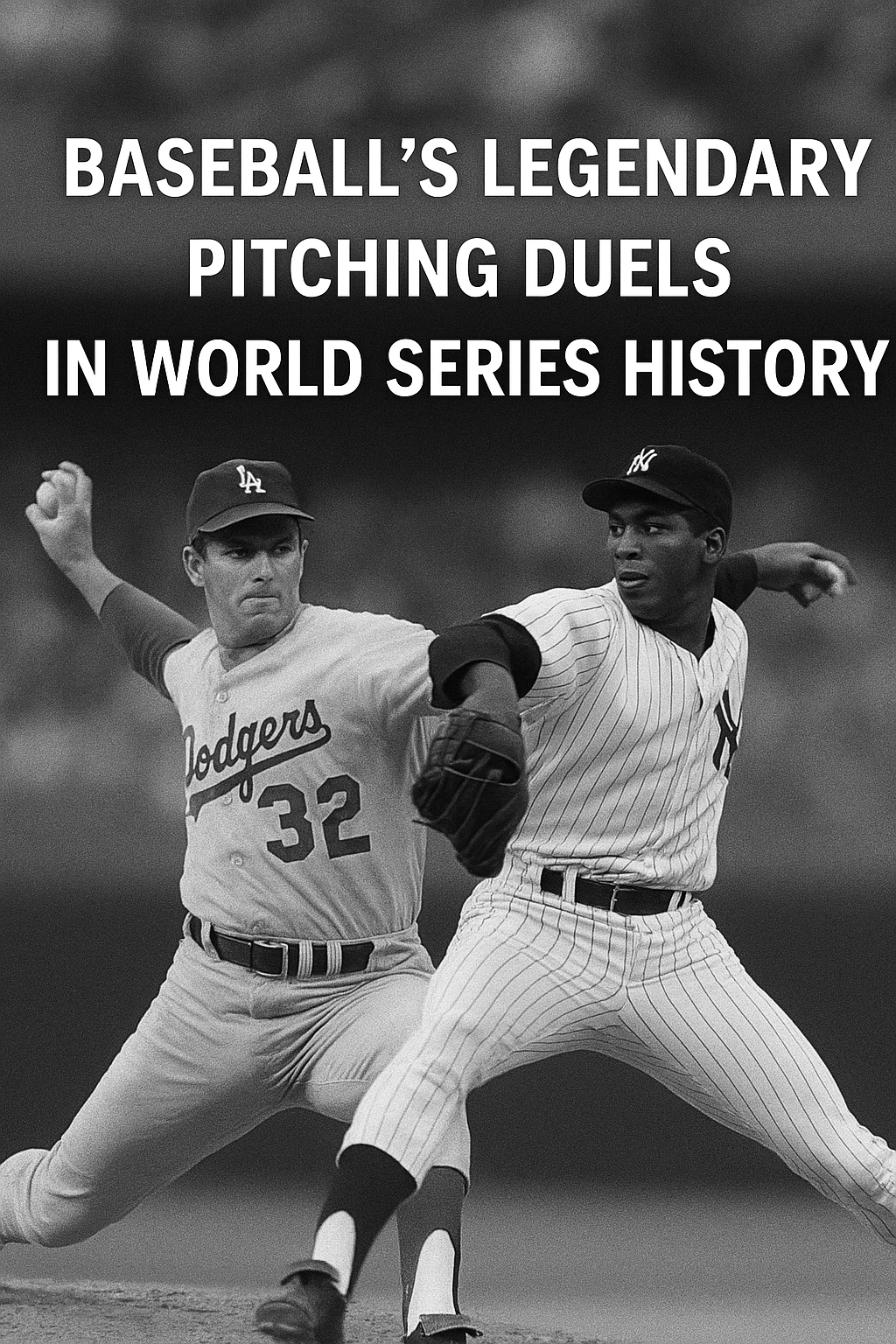
Baseball, often referred to as America’s pastime, has a rich history filled with moments of pure excitement, skill, and drama. No part of the baseball season encapsulates this more than the World Series, where champions are crowned, and legends are made. Among the myriad of events that occur during a World Series, the pitching duels stand out as a timeless testament to the skill and strategy required in this intricate game. A pitching duel, where two pitchers face off in a showcase of remarkable talent, is one of the purest forms of competition witnessed in the sport. Our focus here will be on some of the most legendary pitching duels in World Series history. These duels are celebrated not only for their demonstration of pitching excellence but also for their critical impact on the game’s outcome. Such epic battles have defined baseball’s legacy, creating unforgettable memories for fans across generations. Exploring these moments brings to life the gripping spectacle of baseball, offering insights into the minds and talents of some of the game’s greatest pitchers.
In baseball, mastery of the mound requires more than just physical prowess. It demands strategic thinking, mental toughness, and an unwavering focus. A World Series pitching duel combines these elements under the highest pressure, immortalizing the players involved. Throughout the game’s history, there have been countless encounters, but only a few stand out as the true benchmarks of pitching excellence. In this article, we delve into these hallmark encounters, analyzing what made each one unique and how they contributed to the lore of baseball. From dominant no-hitters to nerve-racking pitcher vs. batter confrontations, we explore the finest exhibitions of this revered tradition. As we recount these stories, the dynamics of each battle reveal the delicate balance between power and precision that defines this extraordinary sport. Join us as we journey through history to celebrate the artistry of pitching, capturing the essence of baseball’s most legendary World Series pitching duels.
Body
The Perfect Game: Don Larsen, 1956
One of the most iconic pitching duels in World Series history occurred on October 8, 1956, during Game 5 of the World Series between the New York Yankees and the Brooklyn Dodgers. Don Larsen of the Yankees was on the hill that day and delivered a performance for the ages, the only perfect game in World Series history. A perfect game, where no opposing player reaches base, is an extreme rarity and a testament to a pitcher’s command, composure, and success.
Larsen’s feat is immortalized due to his uncanny ability to outsmart the Dodgers’ lineup, which included formidable hitters like Duke Snider and Roy Campanella. Each pitch was executed with surgical precision, reflecting Larsen’s keen focus and skill under immense pressure. This duel not only highlighted Larsen’s individual brilliance but also underscored the stakes involved, as the series was tied at 2-2. His perfect game shifted the momentum in favor of the Yankees. Larsen’s monumental performance remains one of the pinnacles of pitching excellence in the annals of World Series history.
Bob Gibson vs. Mickey Lolich, 1968
The 1968 World Series showcased an epic duel between two of the game’s greats: Bob Gibson of the St. Louis Cardinals and Mickey Lolich of the Detroit Tigers. In this series, pitching was the focal point. Most notably, Game 7 featured an unforgettable showdown with everything at stake. Bob Gibson, known for his fierce competitive edge and intimidating presence on the mound, had already made a name for himself with a 1.12 ERA that season. Facing him was Mickey Lolich, whose unexpected heroics shone brightly throughout the series.
In the decisive game, both pitchers displayed great determination and endurance. The game remained tight, a testimony to the mettle and capability of these pitching titans. Gibson maintained his poise even as Lolich confidently challenged every hitter. This duel highlighted the art of strategic pitching, with each pitcher exploiting their opponent’s weaknesses. Lolich eventually led the Tigers to victory, earning his third win of the series and cementing his place in World Series lore. The intense Gibson vs. Lolich battle is remembered not just for their contrasting styles, but for epitomizing high-stakes baseball at its finest.
Jack Morris and John Smoltz, 1991
Fast forward to the 1991 World Series and another remarkable encounter took center stage. The Minnesota Twins faced the Atlanta Braves, with the series reaching a thrilling climax in Game 7. The showdown between Jack Morris of the Twins and John Smoltz of the Braves offered one of baseball’s greatest standoffs. Morris and Smoltz, each with their distinct approaches, gave fans a masterclass in endurance and control as they squared off in a game that would extend into extra innings.
Pitch by pitch, this duel captivated viewers with its unpredictability and suspense. Both pitchers delivered superb performances, refusing to yield ground. Morris, showing veteran tenacity, eventually led his team to victory in a ten-inning, shutout performance that secured the title for the Twins. Smoltz, while on the losing side, equally showcased excellence with his valiant effort. This epic duel is still lauded as one of the greatest Game 7 pitcher performances ever, exemplifying heart, stamina, and the unpredictable drama of postseason baseball.
Tom Glavine, 1995
In the 1995 World Series, Tom Glavine of the Atlanta Braves etched his name into the history books with a brilliant performance that defined the series. Glavine’s display of pitching prowess was pivotal in the Braves’ conquest of the Cleveland Indians. His duel with the Indians’ formidable lineup in Game 6 is considered one of the most masterful pitching exhibitions in World Series annals.
Glavine’s solitarily pivotal outing is especially memorable for how he controlled the game’s pace. Through his strategic placement and changing speeds, Glavine kept the opposition off balance, securing a 1-0 victory to clinch the series. His eight innings of one-hit ball displayed a combination of finesse and mental toughness under the championship spotlight. Glavine’s commanding duel added a sterling chapter to pitching folklore, affirming his reputation as one of the era’s elite pitchers.
Conclusion
The chronicles of baseball’s World Series are enriched with many legendary pitching duels, showcasing a variety of styles and situations that illustrate the panorama of baseball strategy and showmanship. These unforgettable encounters remind us of the critical role pitchers play in shaping the course of the series and underscore their contributions to baseball’s storied past. Each duel we have revisited serves as a poignant reminder of the skill, focus, and determination required to excel at the highest level.
From Don Larsen’s perfect game in 1956 to Tom Glavine’s masterclass in 1995, these moments exemplify the pinnacle of pitching and stand as benchmarks against which all other duels are compared. Whether it was Larsen’s precision and poise, Gibson and Lolich’s enduring tenacity, Morris and Smoltz’s thrilling showdown, or Glavine’s strategic dominance, these incredible performances resonate with baseball fans and historians alike. Moreover, they continue to inspire the players of today, who aspire to etch their names alongside these legends of the mound.
Above all, these legendary pitching duels in World Series history illuminate the profound impact that skillful, strategic pitching has on the ultimate team successes, forever enshrining these pitchers in the annals of baseball greatness. As the game evolves, these historic contests remain a timeless testament to the essence of baseball—where each pitch carries the weight of potential glory, and heroes are defined by their grace under pressure.
Frequently Asked Questions
1. What makes a pitching duel in the World Series so legendary?
A pitching duel in the World Series becomes legendary because of the high stakes, the immense pressure, and the exceptional skills of the pitchers involved. During these duels, two pitchers often go head-to-head in a battle of will, strategy, and execution, knowing that their every pitch could define the outcome of the series. The World Series is the pinnacle of Major League Baseball, where the best teams contend for the title, and the pressure to perform is at its peak. In this atmosphere, a pitching duel highlights the mastery and poise of the pitchers, reflecting their ability to outsmart, outlast, and outperform the competition while holding the hopes of their teammates and fans. It’s the drama of crafting each pitch, the anticipation of the play, and the mental chess match between the pitcher and the batter that captivate audiences and etch these moments into baseball history.
2. Can you give an example of a memorable pitching duel in World Series history?
One of the most memorable pitching duels in World Series history occurred during the 1968 World Series between Bob Gibson of the St. Louis Cardinals and Mickey Lolich of the Detroit Tigers. In Game 1, Bob Gibson set a historic tone by striking out 17 batters, a World Series record for a single game. His dominant performance paired with Mickey Lolich’s tenacity showcased the epitome of a classic pitching duel. Although Gibson initially stole the headlines, Lolich, known for his resilience and delivery of clutch performances, came back to pitch three complete games in the series, including the decisive Game 7, earning him the series MVP. This duel is remembered not just for the statistical achievements but for the sheer determination and skill both pitchers displayed, making it a highlight for pitching aficionados and a cherished memory in World Series lore.
3. How do pitching duels influence the outcome of the World Series?
Pitching duels can significantly influence the outcome of the World Series by dictating the pace and strategy of the games. A dominant pitching performance can stifle even the most potent lineups, forcing opposing teams to alter their approach and potentially disrupting their offensive flow. When two pitchers are on top of their game, it becomes a low-scoring affair where every run, every inning, and every play is magnified in importance. The tension is palpable as the outcome often hinges on small mistakes or brilliantly executed plays. Furthermore, the psychological impact of a pitching duel can’t be underestimated; an overpowering pitcher can demoralize the opposing team’s hitters, swinging momentum decisively. Thus, these duels often shape the narrative of the series and leave a lasting legacy on the championship’s history.
4. Are there any modern examples of legendary pitching duels in the World Series?
Yes, there are several recent examples that fit the bill. A standout duel in recent memory took place in the 2014 World Series between Madison Bumgarner of the San Francisco Giants and the Kansas City Royals’ pitchers, notably James Shields in Game 1. Bumgarner delivered an iconic performance throughout the series, culminating in a legendary Game 7 relief appearance where he pitched five scoreless innings to secure the Giants’ victory. His effort throughout the series, especially in an era that deemphasized complete games, was a refreshing throwback to pitching dominance, earning him the Series MVP. These more recent duels highlight how pivotal outstanding pitching can be, despite modern baseball’s evolving strategies that focus more on hitting and bullpen usage. Bumgarner’s individual brilliance, persistence, and stamina during such a high-stakes series continue to resonate as a modern classic in the annals of World Series history.
5. What role does strategy play in a World Series pitching duel?
Strategy is a critical component of any World Series pitching duel, as much about mental acumen as physical ability. Pitchers and their coaching staff extensively analyze their opponents’ strengths and weaknesses, looking to exploit any edge. Pitch selection, placement, and timing are meticulously planned to outwit the batters. Managers must decide when to leave a pitcher in the game, weighing their performance against fatigue and potential mismatches. On the other side, batters and their coaches study the pitcher’s tendencies and develop game plans to counteract them. In-game adjustments are constant, as pitchers might adjust their cadence and sequence to disrupt a hitter’s timing. Additionally, pitch count and bullpen strategy play vital roles; deciding when to switch to a reliever can be a crucial factor in maintaining the upper hand in a duel. The intricate chess match of strategy makes these duels a fascinating aspect of baseball, showcasing the intellectual depth of the sport alongside physical prowess.