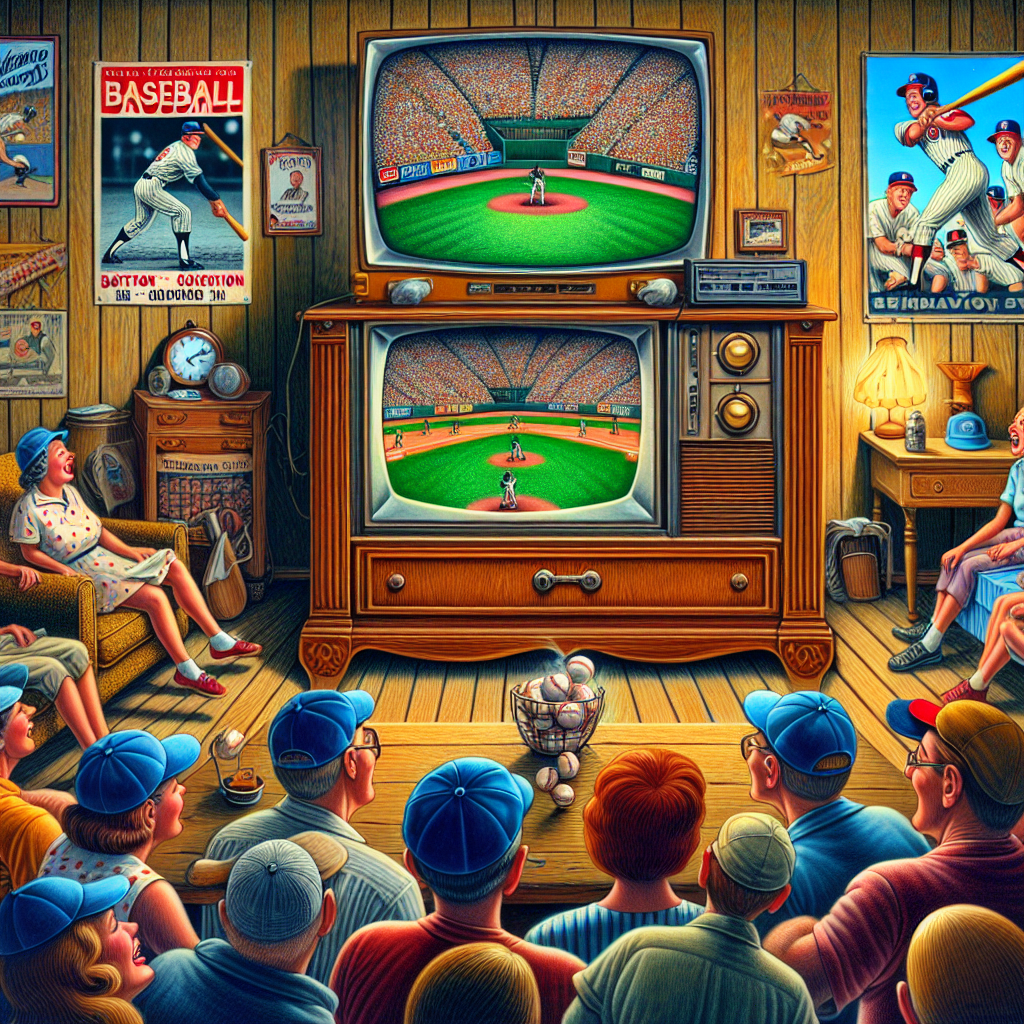
Baseball, often referred to as America’s pastime, has played a significant role in shaping the cultural landscape of the United States. While the sport itself boasts a long history filled with legendary players and memorable moments, its influence extends beyond the diamond. With the advent of television in the mid-20th century, baseball found a new platform that would not only broaden its reach but also contribute to the burgeoning television culture. The relationship between these two entities is intricate and mutually beneficial, reflecting technological advancements and social changes.
In its early days, baseball was primarily experienced in person, with fans flocking to ballparks across the country. Radio broadcasts brought the game to those who couldn’t attend, but it was the introduction of televised games that revolutionized how baseball was consumed. This shift marked one of the first instances where sports and new media technology converged to create a new entertainment medium. Television transformed baseball from a localized event into a nationwide spectacle, making it accessible to millions who could now enjoy the game from the comfort of their living rooms.
The rise of television culture can’t be detached from the rise of baseball broadcasts. As more households acquired television sets, the demand for engaging content surged. Baseball, with its rich history and loyal fan base, was poised to become a staple of this new media diet. Broadcasters recognized the potential and began to invest heavily in rights to air games, understanding that sports could drive television sales and attract advertisers willing to pay top dollar for commercials during games. Baseball, in essence, became a central pillar that supported the growth of television as the dominant medium of entertainment and information in post-war America.
The Early Days of Televised Baseball
The history of televised baseball is as fascinating as any pennant race. The first televised baseball game occurred on August 26, 1939, when NBC broadcasted a doubleheader between the Cincinnati Reds and the Brooklyn Dodgers from Ebbets Field. This watershed moment opened the door to an entirely new way of experiencing the game. Those initial broadcasts were rudimentary by today’s standards, employing a limited number of cameras and offering grainy black-and-white images, but they captivated audiences nonetheless.
As World War II ended and television technology improved, broadcast networks saw a tremendous opportunity in sports programming. In the 1940s and 1950s, as television became a fixture in American homes, baseball broadcasts provided engaging content that helped drive set sales and viewership. Networks such as NBC and CBS secured rights to air games, with announcers like Mel Allen and Red Barber becoming household names.
The growing demand for baseball on television also prompted advancements in production quality. Innovations such as the instant replay, improved camera angles, and color broadcasting enriched the viewing experience. Each of these developments helped to channel a more immersive, detailed portrayal of the game, allowing fans to enjoy baseball in ways that previously seemed unimaginable. The appeal of watching live baseball games without leaving home made the sport a catalyst for television’s expansion in reach and influence.
The Post-War Boom and Baseball’s Influence on Television
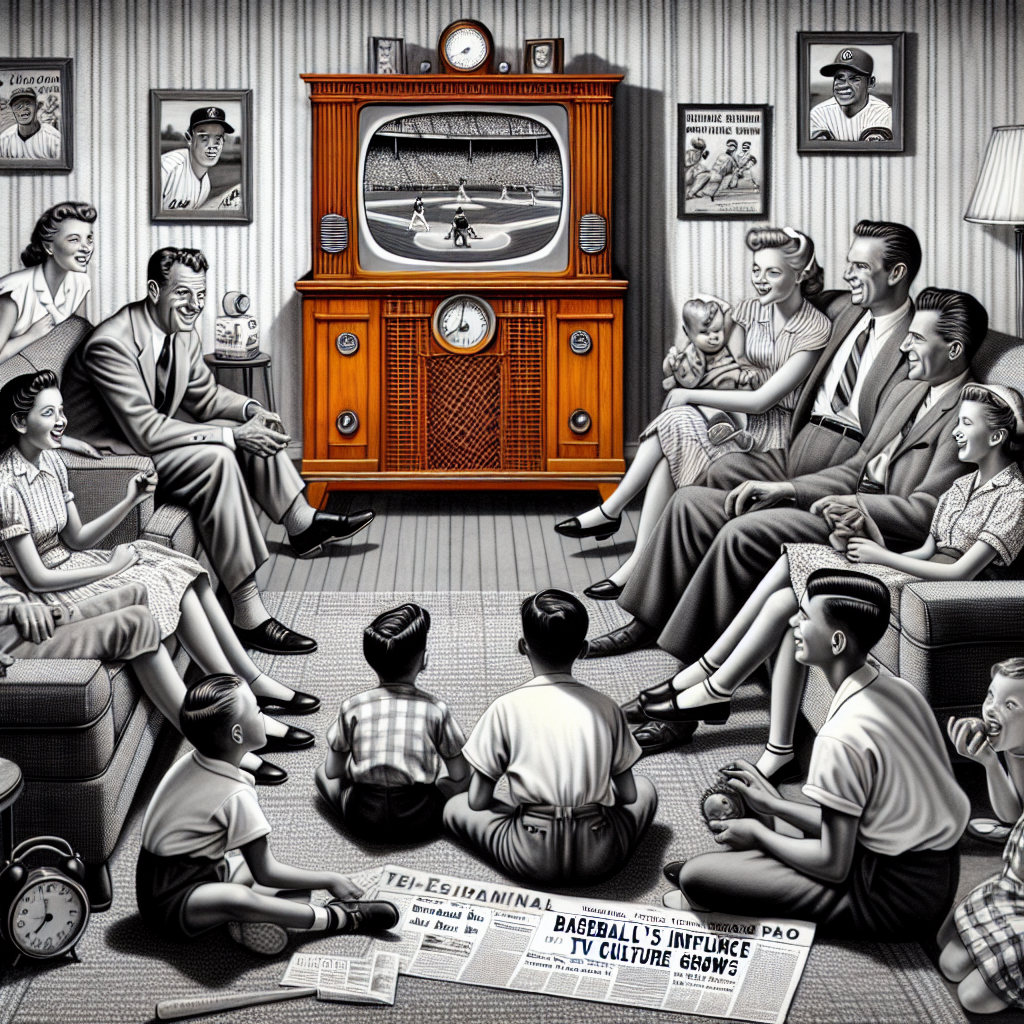
The post-war era was marked by economic prosperity and a boom in consumerism in the United States. Television became the centerpiece of the American living room, and baseball was perfectly positioned to capitalize on this cultural shift. By 1950, millions of Americans owned a television, and networks sought to fill the airtime with engaging and accessible programming. Baseball, with its extensive season and widespread popularity, emerged as an appealing option.
As television networks began to broadcast more games, they realized that baseball’s slow pace was well-suited to this medium. The rhythm of the game allowed for commercial breaks, interviews, and storytelling, providing networks an opportunity to engage viewers beyond the action on the field. This period also saw the rise of the televised World Series, which introduced the sport to a larger audience and captivated millions of viewers annually.
Baseball broadcasts influenced not only how fans consumed the game but also how television was structured. Prime time slots for night games and weekend broadcasts became coveted entertainment periods, gradually shaping what would become television programming norms. As the television medium matured, the sport’s ability to draw eyes to screens made it instrumental in the rise of TV-driven culture.
Cultural Impact and Social Change
Baseball’s permeation into television culture had a profound impact on the social fabric of America. As racial integration progressed during the 1950s and 1960s, baseball emerged as a social platform where crucial conversations about race took place. The presence of pioneering figures like Jackie Robinson not only broke racial barriers in sports but also brought issues of racial equality into the homes of millions of Americans who tuned in to watch.
With each televised game, baseball provided a window into broader societal shifts. The medium of television transformed athletes into national heroes and symbols of change. This visibility offered players a unique opportunity to influence public opinion and advocate for social justice, often through post-game interviews and special broadcasts.
Baseball’s role in these cultural shifts was not limited to players and fans but also extended to the business sphere. The increased visibility attracted advertisers looking to leverage the sport’s popularity to promote products across a multicultural audience. This dynamic further underscored baseball’s integral role in shaping, influencing, and reflecting societal changes championed by television.
Innovation and Broadcasting Strategies
As television technology evolved, so too did the strategies employed by networks to maximize viewer engagement during baseball broadcasts. One significant development was the use of advanced analytics and graphics to offer viewers enhanced insights into player performances and game strategies. Broadcasts incorporated pitch trackers, on-screen statistics, and expert commentary, adding layers of depth to the viewing experience.
To maintain the attention of increasingly sophisticated audiences, networks also began to experiment with interactive features, allowing fans to engage with games in real time through multiple platforms. Social media, online forums, and dedicated apps enabled fans to participate in discussions, share opinions, and even submit questions to commentators during broadcasts.
This interactivity was particularly appealing to younger audiences, ensuring baseball’s continued relevance in a rapidly changing media landscape. The strategic integration of technology facilitated not only the continued expansion of baseball’s fanbase but also illuminated the sport’s potential as a testbed for innovative broadcasting strategies.
Conclusion: Baseball and Television, Partners in Culture
The relationship between baseball and television has been dynamic, evolving alongside advancements in technology and shifts in cultural trends. From the first televised games in the late 1930s to today’s high-definition broadcasts, baseball has continuously adapted and thrived within an ever-changing media environment. This successful partnership has allowed baseball to emerge as more than just a sport; it has become a cultural institution intertwined with the development of television.
Baseball’s role in the rise of television culture highlights the sport’s influence beyond the confines of the playing field, affecting societal norms, harnessing the power of storytelling, and fostering innovation. The ongoing evolution of this relationship continues to shape how audiences experience live events, offering more personalized and interactive viewing experiences that ensure baseball’s enduring appeal in modern society.
As we look to the future, the partnership between baseball and television offers tantalizing possibilities for continued innovation. Technologies such as virtual reality, augmented reality, and streaming services promise to redefine how the sport is experienced, ensuring that this iconic American pastime remains at the heart of cultural progression and media exploration.
Frequently Asked Questions
1. How did baseball impact the early development of television culture?
In the mid-20th century, as television started gaining traction, baseball was one of the first sports to embrace the medium. The sport and television created a symbiotic relationship; baseball provided content, while television offered exposure. As the first MLB game was televised in 1939, this iconic moment marked a new era where sports could be brought into the living rooms of millions, changing how fans interacted with the game. Instead of just being a spectator at the ballpark, fans could now enjoy games from the comfort of their homes. This accessibility expanded baseball’s audience and played a crucial role in the proliferation of television sets, as families bought TVs to watch their beloved teams. Baseball’s contribution anchored television schedules, establishing the demand for daily programming and fostering a culture where TV became an essential household item.
2. Why was baseball so integral to television’s scheduling format?
Baseball is a sport with a lengthy season, consisting of regular games almost every day. This consistent and abundant content made it a perfect fit for television programming. Networks could rely on baseball games to fill large programming blocks, thus establishing loyal viewership patterns. Nightly or weekly baseball broadcasts helped set the precedent for regularly scheduled television events, influencing how networks planned their entire programming calendar. The rhythmic nature of baseball, with its innings, breaks, and predictable pacing, also suited the interruption-driven format of television, which required periodic ad breaks. Baseball’s embrace of nighttime games in the 1940s tapped into prime-time viewer slots, intensifying television’s centrality in the American entertainment sphere.
3. In what ways did television change the way baseball was played or consumed?
Television had a profound effect on the consumption and presentation of baseball. The introduction of televised games led to the development of night games, maximizing viewership potential when families were home from work and school. Furthermore, cameras brought audiences up close to the game’s intricacies, creating a more intimate connection between viewers and players. Television’s ability to replay significant moments and offer commentary transformed how fans experienced games, enhancing their understanding and appreciation of the sport’s nuances. Stadium attendances initially suffered, as some fans preferred the television experience, pushing MLB to innovate and enhance the in-game experience to draw fans back to the ballparks.
4. How did baseball influence the development of sports broadcasting techniques?
Baseball’s frequent airing pushed networks to refine and innovate broadcasting techniques. The strategic use of multiple camera angles came into prominence; one camera for the pitcher, another for the batter, and wide shots capturing the field. These camera techniques were specifically tailored to capture the drama and skill involved in America’s pastime. In addition, the requirement to fill in slower moments of the game led to the creation of engaging commentary formats, early graphics, and on-screen statistics that have become staples in sports broadcasting today. This interactive narrative style of broadcasting not only kept audiences informed and entertained but also laid the groundwork for modern sports coverage across leagues and events globally.
5. What role did legendary baseball moments play in elevating television culture?
Legendary baseball moments televised in real-time became cultural phenomena, contributing greatly to both the sport’s legacy and television’s allure. Iconic home runs, nail-biting World Series games, and historic feats like no-hitters were immortalized on screen, making them part of America’s shared cultural narrative. These moments demonstrated television’s power to capture emotion and drama, drawing in viewers who might not have been traditional sports fans. The ability to watch these moments unfold live or replay them indefinitely bonded communities and fostered a nationwide, television-based culture that valued shared experiences and immediate media consumption. Through baseball’s timeless heroics and dramatic narratives broadcasted nationwide, television itself became an integral part of everyday culture.