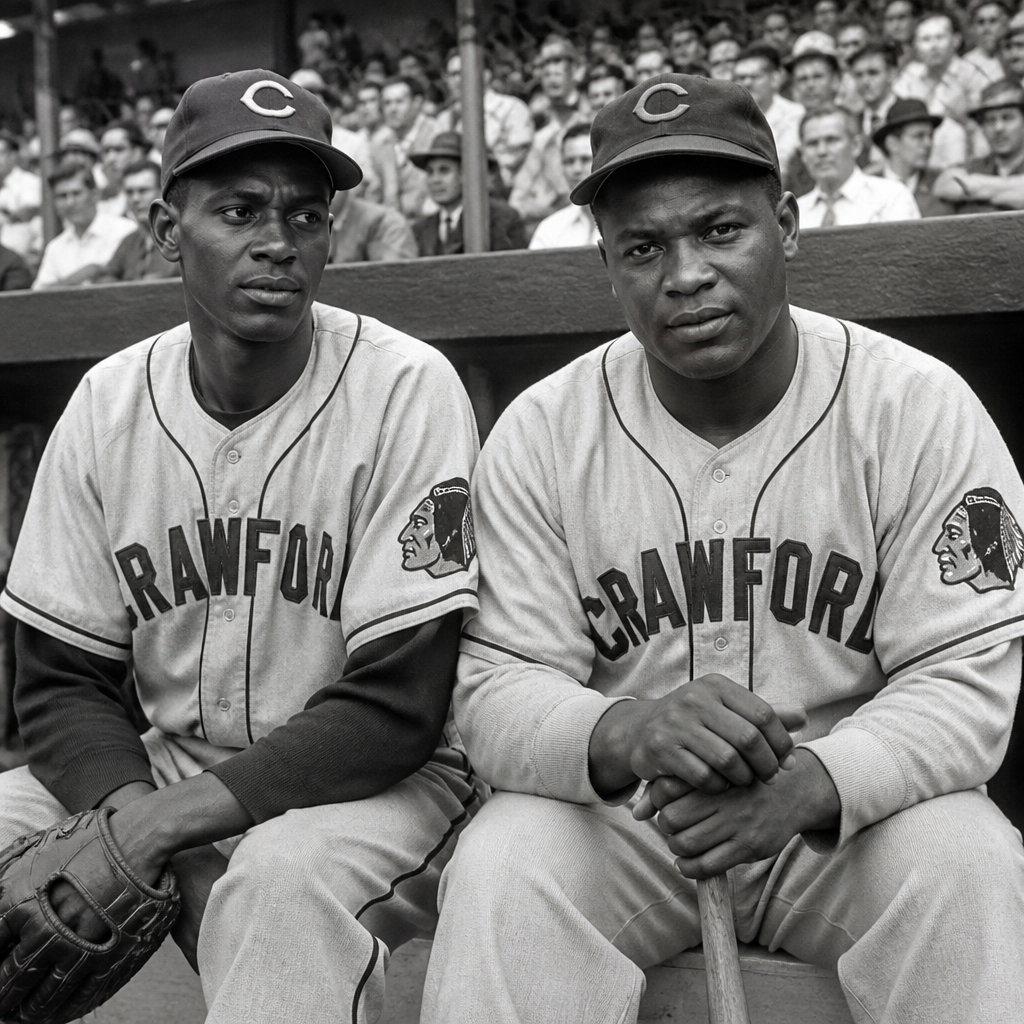
The Pittsburgh Crawfords were more than a great baseball club; they were the most talent-dense Negro Leagues team of the 1930s and a defining chapter in American sports history. Any serious discussion of famous baseball teams must include the Crawfords because they combined elite performance, Black entrepreneurship, packed crowds, and a roster that reads like a Hall of Fame index. When people ask why the Negro Leagues matter, the clearest answer is that clubs like the Crawfords proved excellence was never limited by talent, only by segregation. Their story also serves as an ideal hub for understanding Negro Leagues teams, since it connects owners, ballparks, barnstorming economics, league instability, player migration, and the later recognition of Black baseball as major league history.
Founded in Pittsburgh and elevated by owner William Augustus “Gus” Greenlee, the Crawfords became a powerhouse during a period when organized Black baseball was both vibrant and fragile. The term “Negro Leagues” refers to the professional and semiprofessional Black baseball circuits that developed because Black players were excluded from white major leagues until Jackie Robinson broke the color barrier in 1947. Those circuits were not a single uninterrupted league. They included multiple leagues, independent clubs, and shifting schedules, with teams sometimes playing league games, exhibitions, and barnstorming tours in the same week. The Crawfords mastered that environment better than almost anyone.
This matters today for three reasons. First, the Crawfords help explain how great Negro Leagues teams were built and sustained. Second, they provide direct entry points into the careers of Satchel Paige, Josh Gibson, Oscar Charleston, Judy Johnson, Cool Papa Bell, and other foundational figures. Third, they show how Black baseball functioned as business, civic pride, and cultural institution all at once. I have found that when readers begin with the Crawfords, the wider map of Negro Leagues teams becomes easier to follow, because this one club touched nearly every important theme: star power, financial ambition, league politics, integrated exhibitions, and the painful drain of instability that eventually broke dynasties apart.
Why the Pittsburgh Crawfords sit at the center of Negro Leagues history
The Crawfords became the flagship franchise of 1930s Black baseball because they combined money, scouting reach, and a willingness to sign established stars in their prime. Gus Greenlee, a powerful Pittsburgh businessman, invested heavily in the team and in Greenlee Field, which opened in 1932 and is widely recognized as the first Black-owned and operated baseball stadium in the United States. That fact alone gives the Crawfords unusual historical weight. A team with its own park could control dates, revenue, and presentation in ways many Negro Leagues clubs could not. It also gave Pittsburgh’s Black community a permanent sporting home during the Depression.
As a hub for Negro Leagues teams, the Crawfords illustrate what separated elite clubs from merely good ones. Top teams needed a reliable owner, regional fan support, access to transportation, and enough cash flow to pay stars before rival clubs poached them. They also needed flexibility. Schedules changed constantly, weather disrupted travel, and league structures sometimes shifted midseason. The Crawfords survived those pressures long enough to create a roster that historians still compare to the 1927 Yankees in terms of pure concentration of talent. That is not a slogan; it is a practical description of how many all-time great players were on one team at once.
The team also sat at the crossroads of several Negro Leagues ecosystems. Pittsburgh itself had a rich Black baseball tradition through the Homestead Grays, one of the other greatest Negro Leagues teams. The Crawfords and Grays competed for players, fans, and prestige, which sharpened standards across the region. That rivalry is important for readers exploring this subtopic, because many Negro Leagues histories are best understood through city pairings and regional circuits rather than modern franchise continuity. In Black baseball, the strongest clubs often rose in clusters, pushing each other to higher levels of play.
Gus Greenlee, Greenlee Field, and the business model behind the roster
No account of the Pittsburgh Crawfords is complete without Gus Greenlee. He was not simply an owner writing paychecks. He was a political and commercial force who understood that a first-class ballclub could anchor neighborhood identity and generate revenue from admissions, concessions, and special events. Greenlee Field, built in Pittsburgh’s Hill District, gave the Crawfords a base that symbolized Black self-determination at a time when both economic and legal barriers were severe. The park seated thousands, featured electric lights, and hosted baseball, boxing, and community gatherings. It was an asset, not just a venue.
Greenlee also helped launch the second Negro National League in 1933, a major step in restoring league structure after earlier circuits collapsed. This is central to the broader topic of Negro Leagues teams: owners were often forced to be league organizers, promoters, and diplomats in addition to running clubs. Without stable scheduling and championship frameworks, even great teams struggled to monetize success. Greenlee’s league-building efforts show that the Crawfords were important off the field as well as on it.
The roster was expensive by the standards of the day, and that expense reflected deliberate strategy. Greenlee understood that crowds paid to see stars. Satchel Paige could fill a park by himself. Josh Gibson was already becoming baseball folklore because of his tape-measure power. Cool Papa Bell brought speed that spectators described in impossible, exaggerated terms because normal language felt inadequate. Oscar Charleston added managerial authority and Hall of Fame ability. Judy Johnson brought elite defense and veteran steadiness. The club was assembled like a contender, not discovered by accident.
| Figure | Primary role | Why he mattered to the Crawfords |
|---|---|---|
| Gus Greenlee | Owner and league organizer | Financed the roster, built Greenlee Field, and helped stabilize Black professional baseball |
| Satchel Paige | Pitcher | Delivered ace-level performance, national attention, and unmatched drawing power |
| Josh Gibson | Catcher | Supplied historic power, middle-of-order production, and lasting mythic status |
| Oscar Charleston | Manager and outfielder | Provided leadership, tactical discipline, and all-around greatness |
| Cool Papa Bell | Center fielder | Added game-changing speed, defense, and table-setting offense |
Satchel Paige and Josh Gibson: the twin icons of the Crawfords
Satchel Paige and Josh Gibson are the names most readers know first, and for good reason. Paige was the premier showman-pitcher in Black baseball, but reducing him to showmanship misses the substance. He had command, durability, velocity, and a deep understanding of hitters. Teammates and opponents described not only his fastball but his ability to sequence pitches and perform under pressure. When I review game accounts from the era, what stands out is how often Paige was treated as both attraction and strategic necessity. He was expected to win the biggest games and to create the gate that kept payroll possible.
Gibson’s place in baseball history is equally secure. He was an elite catcher with uncommon power, often compared to Babe Ruth, though that comparison can obscure how complete a hitter he was. Gibson drove the ball to all fields, handled staff duties behind the plate, and produced in league games, exhibitions, and winter ball. Statistical records from the Negro Leagues are incomplete because of fragmented schedules and inconsistent score preservation, but the surviving evidence leaves no doubt: Gibson was one of the greatest sluggers the sport has ever produced. Major League Baseball’s formal recognition of Negro Leagues records has only strengthened that conclusion.
Together, Paige and Gibson gave the Crawfords unusual balance. Many great teams have either dominant pitching or overwhelming offense. The Crawfords had both, plus star appeal at premium positions. Paige changed the shape of a series because opponents had fewer answers when he started. Gibson changed the shape of an inning because a single swing could erase tactical advantages. For a hub article on Negro Leagues teams, this pairing matters because it demonstrates how Black baseball’s best clubs were built around players who would have been national superstars in an integrated system.
The legendary supporting cast that made the team historic
The Crawfords were not a two-man act. Their claim to greatness rests on depth. Oscar Charleston, one of the finest all-around players in baseball history, brought ferocious competitiveness, left-handed hitting, speed, and defensive range. By the time he joined the Crawfords, he was also a respected baseball mind whose presence raised standards. Cool Papa Bell gave the lineup another dimension. His speed was so exceptional that stories about him became legend, yet beneath the folklore was a fundamentally sound player who covered center field brilliantly and pressured defenses every inning.
Judy Johnson, already famous from his years with the Hilldale Club, added steadiness at third base and a reputation for intelligent play. Ted “Double Duty” Radcliffe contributed versatility as a catcher and pitcher, a rarity even in a flexible Negro Leagues environment. Players such as Sam Bankhead and William Bell added more quality to a club that could beat opponents in different ways. That versatility is one reason historians rank the Crawfords among the greatest Negro Leagues teams instead of merely among the most famous.
For readers exploring the full Negro Leagues teams landscape, the Crawfords are a useful benchmark. Compare them with the Homestead Grays, known for sustained dominance and stars like Gibson and Buck Leonard in later years, or the Kansas City Monarchs, renowned for innovation, depth, and longevity. The Crawfords stand out for peak concentration of talent during the mid-1930s. Their roster was less about one long uninterrupted dynasty and more about an extraordinary summit, when numerous Hall of Fame-caliber figures overlapped on one payroll in one city. That makes them ideal for understanding how high the level of Black baseball could rise.
How the Crawfords played, won, and shaped the 1930s baseball landscape
On the field, the Crawfords blended power, speed, defense, and frontline pitching in a style built for both league play and barnstorming exhibitions. Negro Leagues clubs had to be adaptable because conditions varied widely. Some games were in polished urban parks; others were in smaller towns with uneven fields and compressed travel windows. The Crawfords succeeded because they could win clean tactical games or overwhelm opponents with star-level individual brilliance. Their championship-level seasons in the mid-1930s, including the 1935 Negro National League pennant, confirmed that their reputation was not based on publicity alone.
Their influence extended beyond standings. The annual East-West All-Star Game at Chicago’s Comiskey Park became one of Black baseball’s premier showcases, and Crawfords players were central attractions. Those events mattered financially and symbolically, proving there was a large, paying audience for elite Black baseball. The Crawfords also barnstormed extensively, facing other Negro Leagues powers and, at times, white semipro or major league players in offseason contexts. These exhibitions were not sideshows. They were crucial revenue sources and indirect tests of comparative quality in an era when formal integration was blocked.
Still, the team’s greatness existed inside structural limits. Negro Leagues schedules were shorter and less standardized than white major league schedules. Newspaper coverage could be inconsistent. Contracts were vulnerable, and player movement was frequent. Even the best-run clubs were exposed to economic shocks. That instability explains why some legendary Negro Leagues teams, including the Crawfords, burned brilliantly without enjoying the long institutional continuity associated with major league franchises. Understanding that context is essential if you want to assess the team fairly and understand why the Negro Leagues teams category demands different historical methods.
The Crawfords’ legacy within famous baseball teams and Negro Leagues teams
The lasting legacy of the Pittsburgh Crawfords is that they force baseball history to widen its lens. They belong in any credible list of famous baseball teams not as a token inclusion but as a standard-bearing club whose roster, ownership model, and cultural presence changed the sport. They also function as the best gateway into the broader Negro Leagues teams story. Start here, and you naturally branch into the Homestead Grays, Kansas City Monarchs, Chicago American Giants, Hilldale Club, Birmingham Black Barons, Newark Eagles, and Memphis Red Sox. Each reveals a different piece of Black baseball’s architecture, but the Crawfords connect them through rivalry, player movement, league organization, and historical memory.
For modern readers, the benefit of studying the Crawfords is clarity. You see how segregation distorted opportunity while failing to suppress excellence. You see how Black owners and communities built institutions powerful enough to create lasting legends. You also see why recent archival work, museum interpretation, and official record integration matter so much. The numbers are still being refined, but the verdict is settled: this was major league caliber baseball by major historical figures. If you are building your knowledge of Negro Leagues teams, begin with the Pittsburgh Crawfords, then follow the links outward to rival clubs, ballparks, league structures, and the players who transformed American baseball.
The essential takeaway is simple. The Pittsburgh Crawfords were a masterpiece of roster construction, a business achievement anchored by Greenlee Field, and a cultural landmark led by Satchel Paige, Josh Gibson, and one of the deepest casts ever assembled. Explore the Crawfords first, then keep going through the wider Negro Leagues teams universe to understand the full scale of baseball history.
Frequently Asked Questions
Why are the Pittsburgh Crawfords considered one of the greatest teams in baseball history?
The Pittsburgh Crawfords are widely regarded as one of the greatest teams in baseball history because they combined extraordinary individual talent, sustained team success, and enormous cultural importance at the same time. This was not simply a good Negro Leagues club with one or two stars. It was a roster packed with elite players, including Satchel Paige, Josh Gibson, Cool Papa Bell, Judy Johnson, Oscar Charleston, and other standout figures whose names now define Negro Leagues excellence. Few teams in any era, in any league, have ever gathered that much ability in one clubhouse.
What made the Crawfords especially remarkable was their depth. Opposing teams could not focus on stopping just one hitter or surviving one dominant pitcher. They had to face a lineup full of dangerous bats, speed on the bases, strong defense, and top-level pitching. That all-around strength made the Crawfords a nightmare opponent and helped cement their reputation as the most talent-dense Negro Leagues team of the 1930s.
Their greatness also extends beyond statistics and win-loss records. The Crawfords symbolized the high level of play that existed in Black baseball during segregation, at a time when Major League Baseball excluded Black players. For that reason, they occupy a central place in sports history. They force modern fans to reconsider older ideas about who played the best baseball in America. Any serious list of legendary teams must include the Crawfords because they represented elite performance, Black excellence, and the undeniable truth that the Negro Leagues featured world-class competition.
Who were the biggest stars on the Pittsburgh Crawfords roster?
The Pittsburgh Crawfords featured one of the most celebrated collections of baseball talent ever assembled, and two names usually lead the conversation: Satchel Paige and Josh Gibson. Paige was baseball’s most famous showman-pitcher, a right-hander with extraordinary control, charisma, durability, and an almost mythic reputation. He could dominate hitters with velocity, movement, confidence, and timing, and he became one of the most recognizable athletes in American sports. Josh Gibson, meanwhile, was a legendary power hitter and catcher whose combination of strength, bat speed, and run production made him one of the most feared sluggers in baseball history.
But the Crawfords were far more than a two-man attraction. Cool Papa Bell brought blazing speed and outstanding all-around play to the outfield, becoming one of the most famous base runners the game has ever seen. Judy Johnson added steady infield defense, leadership, and proven skill at third base. Oscar Charleston, often ranked among the greatest all-around players in baseball history, contributed hitting, power, intelligence, and intensity. Players such as Sam Bankhead and Ted Page further strengthened an already loaded roster.
What makes this group so special is that many of these men were not merely Negro Leagues stars; they were all-time greats by any standard. Several are now enshrined in the National Baseball Hall of Fame, and others remain deeply respected by historians who study Black baseball. That is why the Crawfords roster is often described as reading like a Hall of Fame index. It was a rare concentration of talent, personality, and baseball intelligence that gave the team legendary status.
What made Satchel Paige and Josh Gibson such important figures for the Crawfords?
Satchel Paige and Josh Gibson were important to the Crawfords because they gave the team both unmatched on-field impact and unmatched star power. Paige anchored the pitching staff with a style that was equal parts dominance and drama. He was known for his confidence, his ability to rise to big occasions, and his command over hitters who often walked to the plate already intimidated. A team with Paige had an ace who could change a series, fill ballparks, and attract national attention. He was not just a pitcher; he was a box-office attraction and a symbol of the artistry of Negro Leagues baseball.
Gibson brought similarly transformative value on offense. As a catcher with extraordinary power, he gave the Crawfords a middle-of-the-order force capable of changing games with one swing. His legend grew because he was seen as a complete offensive threat, not just a home run hitter. He could drive the ball with authority, punish mistakes, and consistently produce against top competition. For many fans and historians, Gibson represents the strongest possible answer to the question of what baseball lost by excluding Black stars from the major leagues for so long.
Together, Paige and Gibson made the Crawfords feel larger than life. They embodied the team’s excellence and helped draw huge crowds, media attention, and lasting fascination. Their presence also helped preserve the legacy of the Crawfords in public memory. Even people who know little about Negro Leagues history often recognize those two names first, and that serves as a gateway into understanding the broader greatness of the club and the era in which it played.
Why do the Negro Leagues, and the Crawfords in particular, matter so much in American sports history?
The Negro Leagues matter because they preserve one of the most important truths in American sports: greatness existed at the highest level even when the country’s official major league structure refused to recognize Black players. Teams like the Pittsburgh Crawfords proved that segregation did not reflect a lack of talent, discipline, or fan interest. It reflected exclusion. The quality of play in the Negro Leagues, especially on powerhouse clubs like the Crawfords, makes that point impossible to ignore.
The Crawfords matter in particular because they stand at the intersection of athletic excellence, Black business leadership, and community pride. They were not just a team winning games. They were a public demonstration that Black institutions could build first-class entertainment, develop elite athletes, and attract passionate support. Packed crowds came to see not only stars like Paige and Gibson, but also a broader display of skill, strategy, speed, and showmanship that made Negro Leagues baseball such a compelling product.
In the larger story of American history, the Crawfords help us understand how Black achievement endured and flourished under unequal conditions. Their success challenges incomplete versions of baseball history that focus only on segregated white major leagues. Studying the Crawfords broadens the story into something more accurate and more honest. They are essential because they remind us that excellence does not depend on official recognition to be real, and that some of the finest baseball ever played took place outside the traditional major league spotlight.
How should modern fans remember the legacy of the Pittsburgh Crawfords?
Modern fans should remember the Pittsburgh Crawfords as both a baseball superteam and a landmark institution in American culture. On the baseball side, they deserve recognition as one of the most loaded rosters ever assembled. Their lineup and pitching staff featured players whose reputations have only grown with time, and their collective ability compares with that of the most famous dynasties in the sport. When discussing legendary teams, fans should not treat the Crawfords as a side note or specialty topic. They belong in the main conversation.
At the same time, their legacy is larger than championships and stars. The Crawfords represent what Black baseball built during an era of exclusion: excellence, professionalism, entrepreneurship, entertainment, and pride. They show that the Negro Leagues were not simply an alternative born of necessity, but a place where extraordinary talent was cultivated and celebrated. Remembering the Crawfords properly means recognizing both what they achieved and what barriers they had to overcome while achieving it.
For modern audiences, the best way to honor the Crawfords is to include them fully in the history of the sport. That means learning the names beyond the most famous headliners, understanding the historical conditions under which they played, and appreciating how much they contributed to baseball’s development and identity. The Crawfords matter because they were brilliant, influential, and unforgettable. They remain one of the clearest examples of why the Negro Leagues are central, not peripheral, to the story of American baseball.