
Baseball, a sport brimming with history, has seen numerous iconic ballparks that have been etched into its storied fabric. Among these venerable arenas, the Kingdome stands out, not only for its unique architectural design but also for its fascinating journey through history. Constructed to serve a varied range of sports, the Kingdome was home to memorable moments that have defined Seattle’s sports culture. This article delves into the history, highlights, and legacy of the Kingdome, embodying its essence as a true multipurpose marvel.
Introduction: The Rise of the Kingdome
The Kingdome, officially known as the King County Domed Stadium, opened its doors to the public on March 27, 1976. Situated in Seattle, Washington, this iconic structure was born out of necessity and ambition. During the 1960s, the city of Seattle experienced a significant population and economic boom, driving a demand for an arena that could host both professional sports and entertainment events. The concept of a multipurpose domed stadium was revolutionary for its time, aimed at offering a weatherproof solution to Seattle’s often rainy climate.
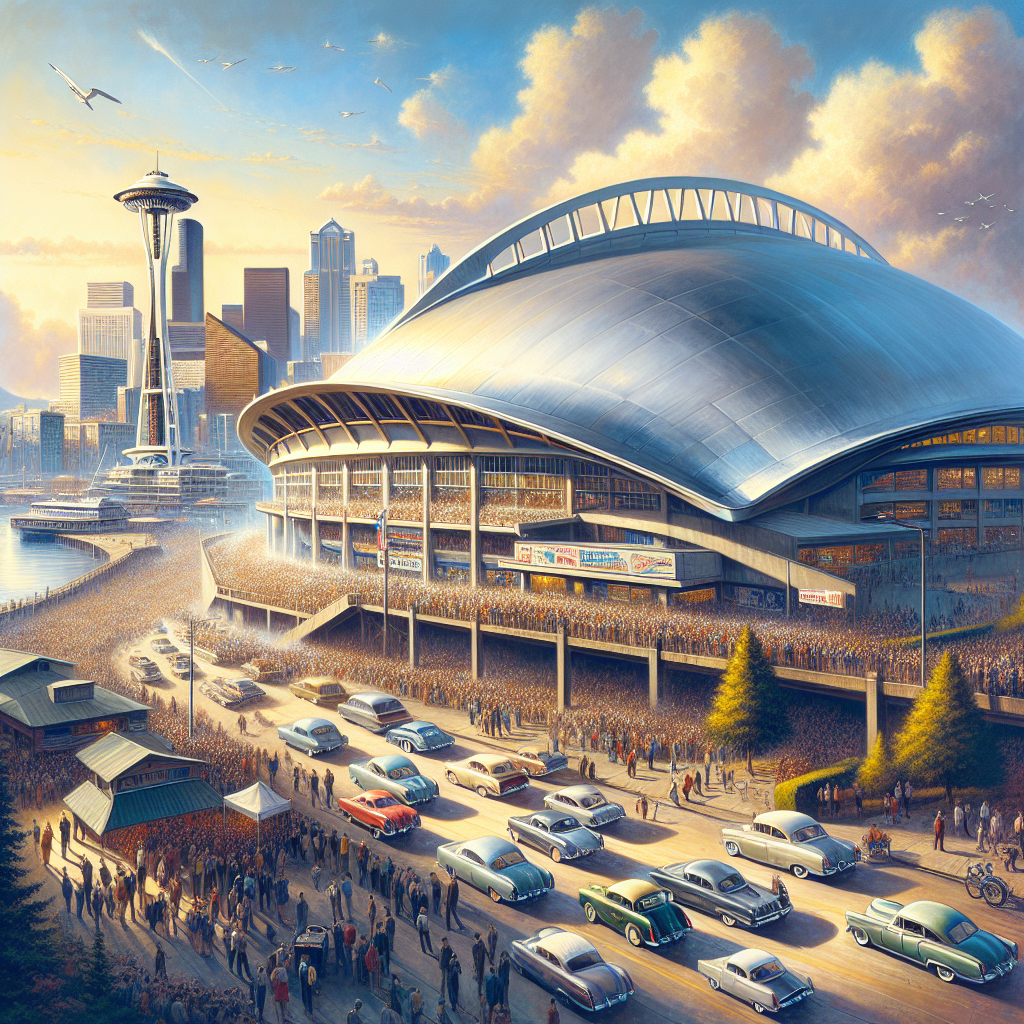
The Kingdome’s construction was no small feat. Built at a cost of around $67 million, it featured a distinctive concrete roof that spanned an impressive 660 feet in diameter. This architectural marvel could seat up to 66,000 spectators, depending on the type of event. The stadium’s design and construction were overseen by Howard S. Wright Construction Co., with Naramore, Bain, Brady & Johanson serving as the principal architects. The venue was not only a place where sports enthusiasts could gather but also a beacon of civic pride for Seattle residents.
From its inception, the Kingdome was envisioned as a multipurpose arena that could host events ranging from baseball and football games to concerts and trade shows. The Seattle Mariners of Major League Baseball and the Seattle Seahawks of the National Football League were among its most prominent tenants. Additionally, the dome hosted NBA games for the Seattle SuperSonics and even soccer matches for the North American Soccer League’s Seattle Sounders. This versatility made the Kingdome a cornerstone of Seattle’s cultural and social life, attracting millions of visitors during its operational years.
Memorable Moments in Mariners’ History
One cannot discuss the Kingdome without highlighting its integral role in the history of the Seattle Mariners. The Mariners played their very first game in this stadium on April 6, 1977, just a year after the Kingdome’s grand opening. The excitement was palpable, and while the Mariners lost to the California Angels, it marked the beginning of a new era in Seattle’s sports landscape. The Kingdome offered a unique advantage – a controlled climate that ensured games could be played regardless of Seattle’s unpredictable weather.
The Kingdome was the backdrop for some of the most iconic moments in Mariners’ history. Perhaps one of the most memorable was Ken Griffey Jr.’s dash from first base to home plate in the 1995 American League Division Series. Griffey’s game-winning run in the 11th inning to beat the New York Yankees is still celebrated by Mariners fans as “The Slide,” propelling the team to their first playoff series win and energizing the local fan base like never before. Such moments helped to solidify the Kingdome’s status as a beloved venue in the hearts of Seattle sports fans.
Beyond Griffey’s heroics, the Kingdome also played host to numerous no-hitters, home run derbies, and All-Star Game festivities. Randy Johnson’s no-hitter against the Detroit Tigers in 1990 became one of the stadium’s signature moments. The Kingdome’s design allowed for a rowdy and intimate atmosphere, with crowds often exceeding 55,000 fans for significant games. The acoustics of the dome amplified the roar of the crowd, creating a unique home-field advantage that some players relished while others dreaded.
The Seahawks Era
In addition to serving as the home of the Mariners, the Kingdome was also the bustling home field for the Seattle Seahawks. The NFL team launched their inaugural season in the Kingdome in 1976, just months after the stadium opened. The Kingdome’s capacity to accommodate large crowds was perfect for the explosive atmosphere of American football. The Seahawks turned the dome into a fortress where they fought countless gridiron battles.
One of the most unforgettable moments for Seahawks fans came on December 31, 1983. In a pivotal AFC Wild Card game, the Seahawks clashed with the Denver Broncos in front of a deafening home crowd. The roaring fans witnessed their team achieve a resounding 31-7 victory. The Kingdome’s amplified noise levels hindered opposing teams’ communication, contributing to the Seahawks’ success at home. The victory catapulted the Seahawks to their first-ever playoff appearance, cementing the Kingdome’s reputation as a stadium where dreams could come true.
Seahawks quarterback Dave Krieg and wide receiver Steve Largent became household names, and both players thrived in the loud, indoor environment of the Kingdome. The stadium’s design meant that game days were loud and energetic, with fans often reporting the sensation of feeling the stadium physically shake from the noise and excitement. This passionate fan base turned the Kingdome into one of the most challenging venues for visiting teams in the NFL.
Entertainment Beyond Sports
While the Kingdome is often remembered for its contributions to Seattle’s sports culture, its influence extended far beyond the realm of athletics. The stadium provided a versatile venue for a wide array of events, from concerts to trade shows and everything in between. Some of the biggest names in music graced the Kingdome stage, turning the concrete cavern into a hub of cultural activity.
The Kingdome hosted legendary concerts, including performances by icons such as The Rolling Stones, Pink Floyd, and U2. These concerts drew massive crowds, showcasing the venue’s ability to transform from a sports stadium into an epic concert arena. The acoustics and expansive seating allowed for unforgettable live music experiences, with the Kingdome becoming a must-visit stop for major tours passing through the Pacific Northwest.
Beyond music, the Kingdome served as an essential exhibition space. It hosted trade shows, motor sports events, and even religious gatherings. The stadium’s flexibility made it a crucial component of Seattle’s event-hosting arsenal, proving that it could adapt to meet the diverse entertainment needs of the city. This multipurpose functionality underscored the Kingdome’s role as far more than just a sports venue.
The Downfall and Demolition
While the Kingdome enjoyed a cherished place in the hearts of many Seattle residents, it was not without its controversies and challenges. The design flaws and maintenance issues began to surface over the years. In the mid-1990s, concerns grew about the structural integrity of the building, leading to significant safety renovations. Furthermore, newer stadiums with modern amenities began to overshadow the aging Kingdome, prompting discussions about its future.
The turning point came in 1994, when ceiling tiles fell during a Mariners game, leading to heightened safety concerns and a temporary closure for repairs. The incident highlighted the need for a long-term solution. In the late 1990s, both the Mariners and Seahawks sought new, state-of-the-art facilities to replace the Kingdome. The opening of Safeco Field (now T-Mobile Park) in 1999 and CenturyLink Field (now Lumen Field) in 2002 marked the end of the Kingdome era.
On March 26, 2000, the Kingdome was demolished in a controlled implosion, bringing an end to a quarter-century of memories and milestones. Its demolition was viewed by some as the end of an era, while others saw it as a necessary step toward progress. The area where the Kingdome once stood is now part of Seattle’s thriving sports and entertainment district.
Legacy and Reflection
The legacy of the Kingdome continues to resonate with those who experienced its grandeur firsthand. Its contributions to Seattle’s sports culture, entertainment scene, and community spirit are undeniable. Although the structure itself no longer stands, the memories created within its concrete walls live on. It was a place where sports heroes emerged, where fans experienced sheer jubilation and heartbreak, and where the echoes of concerts lingered long after the final notes were played.
The Kingdome’s story is a testament to the evolution of multipurpose stadiums and their impact on cities and communities. It showcased the possibilities of creating a venue that could cater to diverse needs, setting the stage for future stadium designs. While modern arenas have surpassed the Kingdome in terms of technology and amenities, they owe a debt of gratitude to this pioneering structure that dared to redefine the concept of a sports and entertainment venue.
Conclusion: Remembering the Kingdome
In conclusion, the Kingdome was more than just a stadium; it was a cultural phenomenon that left an indelible mark on Seattle’s history. From hosting iconic sports moments to unforgettable concerts, the Kingdome was a hub of activity that brought people together from all walks of life. While it faced its fair share of challenges and ultimately met its end, its impact continues to be felt.
As we reflect on the Kingdome’s legacy, it serves as a reminder of the important role that such venues play in shaping a city’s identity. The memories created within its walls remind us of the power of community, the thrill of sports, and the magic of live entertainment. While the physical structure may be gone, the spirit of the Kingdome lives on in the hearts of those who experienced its wonders.
The Kingdome’s story is a vital chapter in the history of baseball and beyond, exemplifying the potential of multipurpose stadiums to bring joy and create lasting memories. As Seattle continues to grow and evolve, the legacy of the Kingdome remains an integral part of its rich tapestry, forever remembered as a true multipurpose marvel.
Frequently Asked Questions
1. What was the primary purpose of the Kingdome?
The Kingdome was designed as a multipurpose stadium in Seattle, Washington, built to host a variety of sports and events. Originally opening in 1976, its primary purpose was to serve as the home ground for several professional sports teams from the city. This included being the base for the Seattle Mariners of Major League Baseball (MLB), the Seattle Seahawks of the National Football League (NFL), and later also hosting the Seattle SuperSonics of the National Basketball Association (NBA) for some games. The versatility of the Kingdome underscored its reputation as a multipurpose marvel, representing a pivotal chapter in Seattle’s sports history.
2. What are some memorable events that took place in the Kingdome?
The Kingdome has hosted a plethora of significant events that have etched its place in Seattle’s sports lore. In baseball, it witnessed Nolan Ryan’s 300th career victory, an iconic moment in the MLB. Furthermore, the NFL saw the Seattle Seahawks hosting numerous memorable games within its domed confines, with its intense and passionate atmosphere being legendary among fans. Similarly, the Kingdome accommodated Super Bowl’s and Final Four NCAA basketball tournaments, adding to its roster of high-profile sporting events. This multipurpose stadium didn’t just cater to sports; it also hosted concerts, conventions, and other significant gatherings that reflected the vibrant pulse of the Pacific Northwest.
3. What was the architectural significance of the Kingdome?
The architectural design of the Kingdome was considered cutting-edge at the time of its construction in the mid-1970s. It proudly boasted a grand, concrete dome structure that stretched impressively across the Seattle skyline. Many were captivated by its size and the engineering feats achieved to support such a mammoth roof without pillars, offering unobstructed views from any seat within the venue. That unique design not only defined its silhouette but also its functionality; allowing a varied configuration to support the dynamic needs of different sporting events, making it a symbol of architectural innovation in multipurpose stadia across the country during its era.
4. What led to the demolition of the Kingdome?
The Kingdome, despite its iconic status, ultimately faced demolition due to several factors. Over the years, structural issues came to light, including leaking roofs and the need for extensive concrete repairs that raised concerns over safety and maintenance costs. Additionally, the evolving needs of sports teams and fans looking for more modern, intimate venues left the Kingdome with decreased appeal. In pursuing new, state-of-the-art facilities aligned with contemporary demands for functionality, utility, and fan engagement, Seattle orchestrated its controlled implosion in 2000, paving the way for new developments like Lumen Field and making space for turning Seattle’s sporting vision into future realities.
5. How has the legacy of the Kingdome influenced Seattle’s current sporting culture?
The legacy of the Kingdome remains ingrained in Seattle’s sports culture. It not only served as a pivotal host for exhilarating sporting moments but also cultivated a strong sense of community and fan allegiance that persists till today. The generations of memories it fostered among fans and players alike left an enduring imprint, shaping the passionate and fervent sports community Seattle is known for. Today’s modern sports complexes echo the Kingdome’s spirit, ensuring that while the physical structure no longer exists, its impact is felt through continued support and enthusiasm for Seattle’s teams. Moreover, the existence of today’s new, elaborate sporting venues can be seen as a part of the evolutionary arc that began with the mold-breaking concept of the Kingdome.