
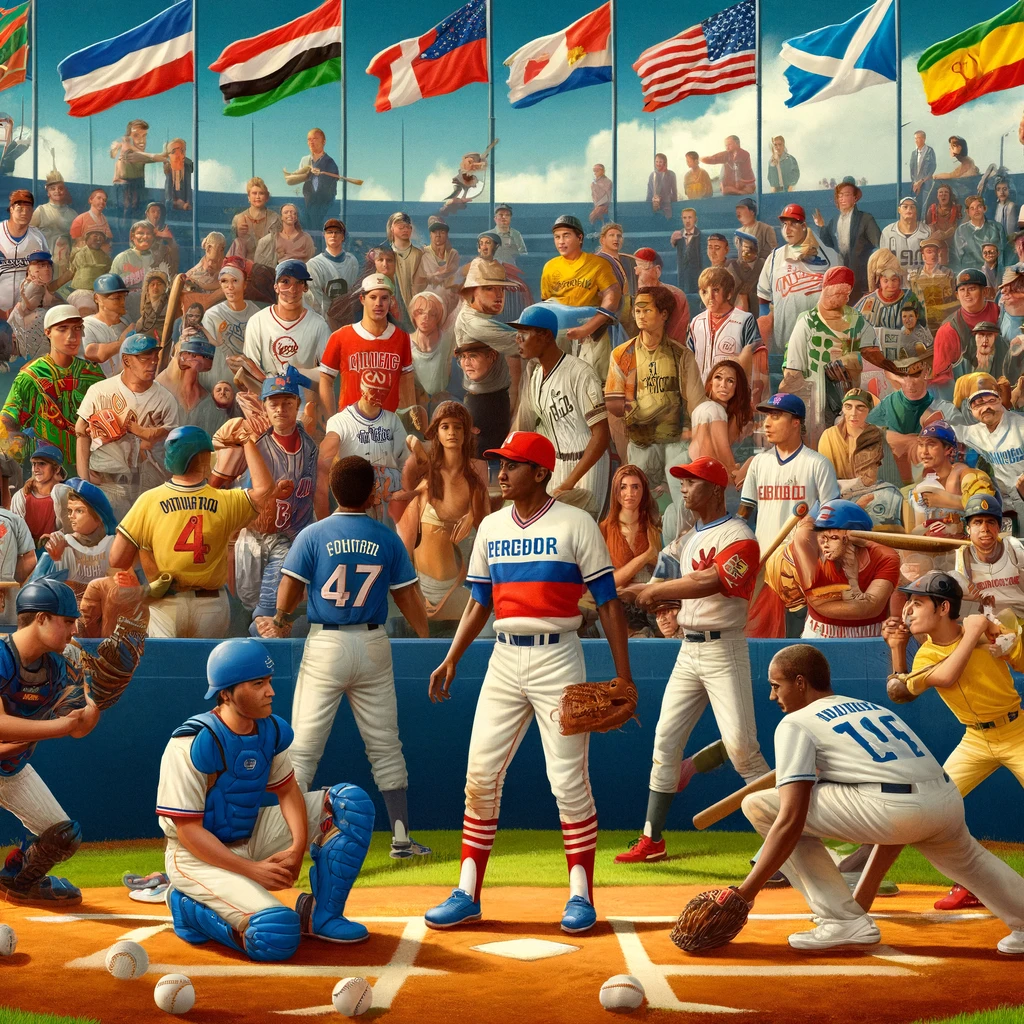
Minor League Baseball (MiLB) has long been a melting pot of talent, showcasing players from various backgrounds and cultures. As baseball continues to grow globally, the influence of international players on the minor leagues becomes increasingly significant. These athletes bring unique skills, perspectives, and styles of play, enriching the game and making it more dynamic. This article celebrates the international influence on Minor League Baseball, examining how players from around the world contribute to the sport and its development.
The Early Days of International Influence
The history of international players in Minor League Baseball dates back to the early 20th century. Latin American players, particularly from Cuba, were among the first to make their mark. In the 1920s and 1930s, players like Adolfo Luque and Miguel Angel González brought attention to the talent in Latin America. Their success opened the door for future generations of players from the region.
The integration of African American players in the 1940s and 1950s also had an international component, as many of these players had honed their skills in the Caribbean winter leagues. This era laid the foundation for the diverse landscape of Minor League Baseball today.
The Impact of Latin American Players
Latin American players have had a profound impact on Minor League Baseball. Countries like the Dominican Republic, Venezuela, and Puerto Rico have become hotbeds of baseball talent. Major League teams have established academies in these countries, providing young players with the opportunity to develop their skills and pursue professional careers.
Dominican players, in particular, have become a dominant force in the minor leagues. The Dominican Summer League serves as a gateway for many young athletes, offering them their first taste of professional baseball. Players like Vladimir Guerrero Jr. and Fernando Tatis Jr. began their careers in these leagues before making it to the majors.
The Venezuelan Winter League also plays a crucial role in the development of players. It offers a competitive environment where young prospects can hone their skills during the offseason. Players like Ronald Acuña Jr. and Gleyber Torres are products of this system, demonstrating the high level of talent that Venezuela consistently produces.
Asian Influence on Minor League Baseball
Asian players have also made significant contributions to Minor League Baseball. Japan, South Korea, and Taiwan have robust baseball traditions, and players from these countries have increasingly sought opportunities in the United States.
Japanese players like Hideo Nomo and Ichiro Suzuki paved the way for others to follow. While they made their mark in Major League Baseball, their journey often included time in the minor leagues. These players brought unique pitching styles and disciplined approaches to hitting, influencing the way the game is played in the United States.
South Korean and Taiwanese players have also begun to make their presence felt. The success of players like Hyun-Jin Ryu and Chien-Ming Wang has inspired younger generations to pursue careers in Major League Baseball, starting with the minor leagues. Their influence can be seen in the growing number of scouts and development programs in these countries.
The European Contribution
While Europe is not traditionally known as a baseball powerhouse, the continent has produced several notable players who have made their mark in the minor leagues. Countries like Italy, the Netherlands, and Germany have steadily increased their presence in the baseball world.
European players often bring a different style of play, influenced by the sports culture in their home countries. For example, the emphasis on fundamentals and team play in European sports translates well to baseball. Players like Dutch pitcher Rick van den Hurk and Italian outfielder Alex Liddi have shown that Europe can produce top-tier talent capable of competing in Minor League Baseball.
The Rise of Australian Talent
Australia has a growing baseball scene, and its players have begun to make waves in Minor League Baseball. The Australian Baseball League provides a competitive platform for local talent, and many players use it as a springboard to professional careers in the United States.
Players like Grant Balfour and Liam Hendriks started their careers in the Australian leagues before moving to the minors. Their success has inspired a new generation of Australian players to pursue baseball professionally. The Australian influence brings a unique blend of athleticism and competitive spirit to the minor leagues.
African and Middle Eastern Players
The influence of players from Africa and the Middle East, while still emerging, is growing in Minor League Baseball. Countries like South Africa and Israel are developing their baseball programs, and players from these regions are beginning to make their way into the minor leagues.
South African players like Gift Ngoepe, who became the first African-born player to reach the Major Leagues, have shown that talent can come from unexpected places. Israel’s success in the World Baseball Classic has also highlighted the potential for players from the Middle East to impact the sport.
The Role of International Academies
International academies play a crucial role in the development of baseball talent worldwide. Major League teams have established academies in various countries, providing young players with the training and resources needed to succeed in professional baseball.
These academies offer more than just baseball instruction; they provide education, nutrition, and life skills training. This holistic approach helps players transition smoothly into the professional ranks. The success of international academies is evident in the increasing number of international players in Minor League Baseball.
Challenges and Opportunities
While the international influence on Minor League Baseball is largely positive, it comes with challenges. Language barriers, cultural differences, and homesickness can make it difficult for international players to adjust. Teams must provide support systems to help players acclimate to their new environments.
Despite these challenges, the opportunities for international players in Minor League Baseball are immense. The diverse talent pool enriches the game, bringing new styles and perspectives that enhance the overall quality of play. International players also help expand the global reach of baseball, making it a truly international sport.
Celebrating Diversity in Minor League Baseball
The diversity in Minor League Baseball is a testament to the sport’s global appeal. International players bring a wealth of talent and unique experiences, making the minor leagues a vibrant and dynamic environment. As baseball continues to grow worldwide, the influence of international players will only increase, further enriching the game.
The international influence on Minor League Baseball is a celebration of diversity and talent. From Latin America to Asia, Europe to Australia, and beyond, players from around the world contribute to the rich tapestry of the sport. Their presence not only enhances the quality of play but also promotes cultural exchange and understanding. As we celebrate the international influence on Minor League Baseball, we acknowledge the game’s power to bring people together and create lasting connections across borders.
Success Stories of International Players
Latin American Success Stories
Latin American players have consistently proven to be some of the most exciting and talented athletes in Minor League Baseball. The rise of stars like Ronald Acuña Jr., who played for the Gwinnett Stripers before becoming a major force with the Atlanta Braves, exemplifies the impact of Latin American talent. Similarly, Fernando Tatis Jr., who spent time with the Fort Wayne TinCaps, quickly became one of MLB’s brightest stars with the San Diego Padres.
Asian Success Stories
Japanese and Korean players have also made significant strides in Minor League Baseball. Shohei Ohtani, although directly transitioning to the majors, symbolizes the impact of Asian talent in American baseball. Others like Yu Darvish and Hyun-Jin Ryu spent time in the minors adjusting to the American style of play before making their MLB debuts.
European Success Stories
Europe’s influence, though smaller, is growing. Players like Max Kepler, who came from Germany and developed his skills with the Cedar Rapids Kernels, have shown that Europe can produce high-caliber talent. Kepler’s success with the Minnesota Twins underscores the potential for European players to make it big in the majors.
Australian Success Stories
Australian players have carved out a niche in Minor League Baseball as well. Travis Blackley and Peter Moylan, both of whom started their professional careers in the Australian Baseball League, went on to have significant impacts in MLB. Liam Hendriks, another Australian, has become one of the best relief pitchers in baseball, showcasing the talent coming from Down Under.
The Future of International Influence
The future of Minor League Baseball looks bright, with international players poised to continue shaping the game. Major League Baseball’s investment in global scouting and development programs ensures that the pipeline of international talent remains strong. As baseball’s popularity grows worldwide, we can expect to see even more diversity in the minor leagues.
Integrating Cultures and Traditions
One of the most enriching aspects of international influence in Minor League Baseball is the integration of different cultures and traditions. Players bring their unique backgrounds, which often includes distinct styles of play, training methods, and approaches to the game. This cultural exchange not only benefits the players but also enhances the overall experience for fans and teammates.
Celebrations and Rituals
International players introduce their own celebratory rituals and superstitions to the game. For example, the lively celebrations common in Latin American baseball, such as dancing and music in the dugout, add a vibrant atmosphere to minor league games. These traditions enrich the cultural tapestry of the sport and create a more inclusive and enjoyable environment for everyone involved.
Culinary Influence
The influx of international players also brings a diverse culinary influence to Minor League Baseball. Clubhouses and team events often feature a variety of foods from different cultures, allowing players and staff to share in each other’s traditions. This culinary exchange fosters camaraderie and helps players feel more at home in a foreign environment.
The Role of Coaches and Mentors
The presence of international players in Minor League Baseball also underscores the importance of coaches and mentors who can bridge cultural gaps. Teams often employ bilingual coaches and staff to assist with language barriers and help players adjust to life in the United States. These mentors play a crucial role in ensuring that international players receive the support they need to succeed both on and off the field.
Language and Communication
Effective communication is vital for the success of international players. Teams provide language classes and resources to help players learn English, which is essential for understanding coaching instructions and interacting with teammates. Conversely, coaches and teammates often learn basic phrases in the players’ native languages to build rapport and show respect for their cultures.
Cultural Sensitivity Training
Cultural sensitivity training is becoming increasingly common in Minor League Baseball. These programs educate players and staff about different cultural norms and practices, fostering a more inclusive environment. By understanding and respecting each other’s backgrounds, teams can build stronger, more cohesive units.
Fan Engagement and Community Impact
International players also have a significant impact on fan engagement and community outreach. Their presence attracts a diverse fan base, creating a more inclusive and welcoming atmosphere at minor league games. Teams often organize events and initiatives that celebrate the cultural diversity of their players, further strengthening the bond between the team and the community.
International Nights
Many Minor League teams host “International Nights,” where they celebrate the heritage of their international players. These events feature cultural performances, food from the players’ home countries, and special promotions. Such initiatives not only honor the players’ backgrounds but also educate fans about different cultures, promoting greater understanding and appreciation.
Community Programs
International players frequently participate in community programs, visiting schools and local organizations to share their experiences and inspire young athletes. These interactions provide valuable role models for aspiring baseball players from diverse backgrounds and emphasize the importance of hard work and perseverance.
Conclusion
The international influence on Minor League Baseball is a testament to the sport’s universal appeal and ability to bring people together. Players from Latin America, Asia, Europe, Australia, and beyond enrich the game with their unique talents and cultural contributions. As baseball continues to grow globally, the minor leagues will remain a vital stage for showcasing the world’s best talent and celebrating the rich diversity that makes the sport so special.
By embracing this diversity, Minor League Baseball not only enhances the quality of play but also fosters a more inclusive and vibrant community. The future of the sport is undoubtedly bright, with international players continuing to play a crucial role in shaping its evolution. As we celebrate their contributions, we acknowledge that baseball is truly a global game, capable of bridging cultural divides and creating lasting connections across the world.
References
Frequently Asked Questions
1. How do international players impact Minor League Baseball?
International players significantly enhance Minor League Baseball (MiLB) by infusing diverse styles of play, unique skills, and cultural perspectives. They bring a vibrancy that challenges traditional baseball norms. As these athletes from all corners of the globe join MiLB teams, they introduce different pitching techniques, batting styles, and fielding strategies, which can disrupt conventional playing patterns and enrich the overall competition. Moreover, their presence helps foster a more inclusive environment that appreciates a wide array of cultural nuances, encouraging local players and fans to understand and celebrate diversity both on and off the field.
Beyond the techniques and tactics, international players in the minor leagues often serve as ambassadors of baseball in their home countries, fostering interest and inspiring future generations to take up the sport. This global interest reciprocally influences MiLB as it becomes more widely followed and supported internationally. Such influence is also evident in how these players adapt and blend their practices into the existing American baseball culture, resulting in a more dynamic and entertaining spectator experience, which in turns boosts attendance and engages communities both locally and globally.
2. What challenges do international players face in the Minor Leagues?
International players face several challenges upon entering Minor League Baseball. Language barriers often top this list, as communicating effectively with coaches, teammates, and fans is crucial for both personal and professional development. Many players undertake learning English, which can be daunting alongside the demands of a professional sports career. Additionally, cultural adaptation can be a significant hurdle. Adjusting to the lifestyle, dietary changes, and understanding the nuances of American customs require time and patience, and these elements combined often contribute to homesickness and may hamper early performances on the field.
Moreover, the transition from different baseball cultures brings technical challenges. Players must adapt their techniques to align with the strategies and expectations present in MiLB, which may differ from what they are accustomed to in their home leagues. Furthermore, visa and legal issues can complicate matters, as maintaining legal status requires attention to documentation and compliance with US immigration laws, adding an extra layer of stress outside of their athletic responsibilities. Despite these challenges, the resilience shown by international players often leads to inspiring success stories that resonate throughout the league and their respective countries.
3. How do Minor League teams support international players in their adaptation process?
Minor League teams play a crucial role in assisting international players with their transition, offering various resources to ensure a smooth adaptation. Many teams provide English language classes and tutoring to help players overcome language barriers, often hiring bilingual staff to facilitate communication. Cultural sensitivity training and mentorship programs are also increasingly common, where seasoned players and staff guide newcomers through the realities of living and playing sports in a different country.
Additionally, teams often provide support with settling logistics such as housing, transportation, and understanding local customs. Many organizations celebrate the diverse backgrounds of their players by hosting cultural exchange events and fostering community engagement. By creating a supportive and inclusive environment, Minor League teams not only aid international players in their personal and professional growth but also foster team unity and community acceptance, which are invaluable for overall league success.
4. What has been the historical impact of international players on Minor League Baseball?
The influence of international players on Minor League Baseball has deep historical roots, with various waves of integration over the decades. Early on, Latin American players were among the first to make significant inroads into MiLB, drawing from talent-rich countries like the Dominican Republic, Venezuela, and Cuba. Although initially facing considerable cultural and racial barriers, these players paved the way for the acceptance and integration of increasingly diverse groups, leading to improved relations and understanding over time.
As the influx of international talent continued, players from Asia, particularly Japan and Korea, began to influence the leagues, bringing distinct playing styles and drawing media attention, which increased MiLB’s visibility worldwide. This global reach has resulted in greater investment in player development both in the US and abroad, creating a robust pipeline of talent that maintains the league’s competitive edge. Historically, these international players have been pivotal not just for their contributions on the field, but for their role in transforming Minor League Baseball into a more global and culturally rich enterprise.
5. In what ways has the globalization of baseball affected the future of the Minor Leagues?
The globalization of baseball has set the stage for a promising and expansive future for Minor League Baseball. As talent pools grow broader and deeper due to increased international presence, MiLB can anticipate a surge in both the quality and diversity of its athletes. This globalization also spurs financial investment and international collaborations for nurturing young talent through partnerships with foreign leagues and development academies. Furthermore, the cultural influx inspired by global representation strengthens fan engagement, as people worldwide follow their local heroes’ journeys in the US, turning baseball into a shared global dialogue.
The increased international attention encourages technological evolutions in training methodologies and scouting, where emerging markets influence how players are identified and developed. At the same time, minor leagues serve as proving grounds for techniques from various baseball traditions, ultimately broadening tactical knowledge and advancing the sport. The cultural exchanges and shared expertise contribute to a creative and evolving baseball landscape, ensuring Minor League Baseball remains at the forefront of the sport. The globalization of baseball assures that while the game remains steeped in tradition, it continues to evolve dynamically to capture the hearts of a worldwide audience.