
The Historic Landscape of College Baseball
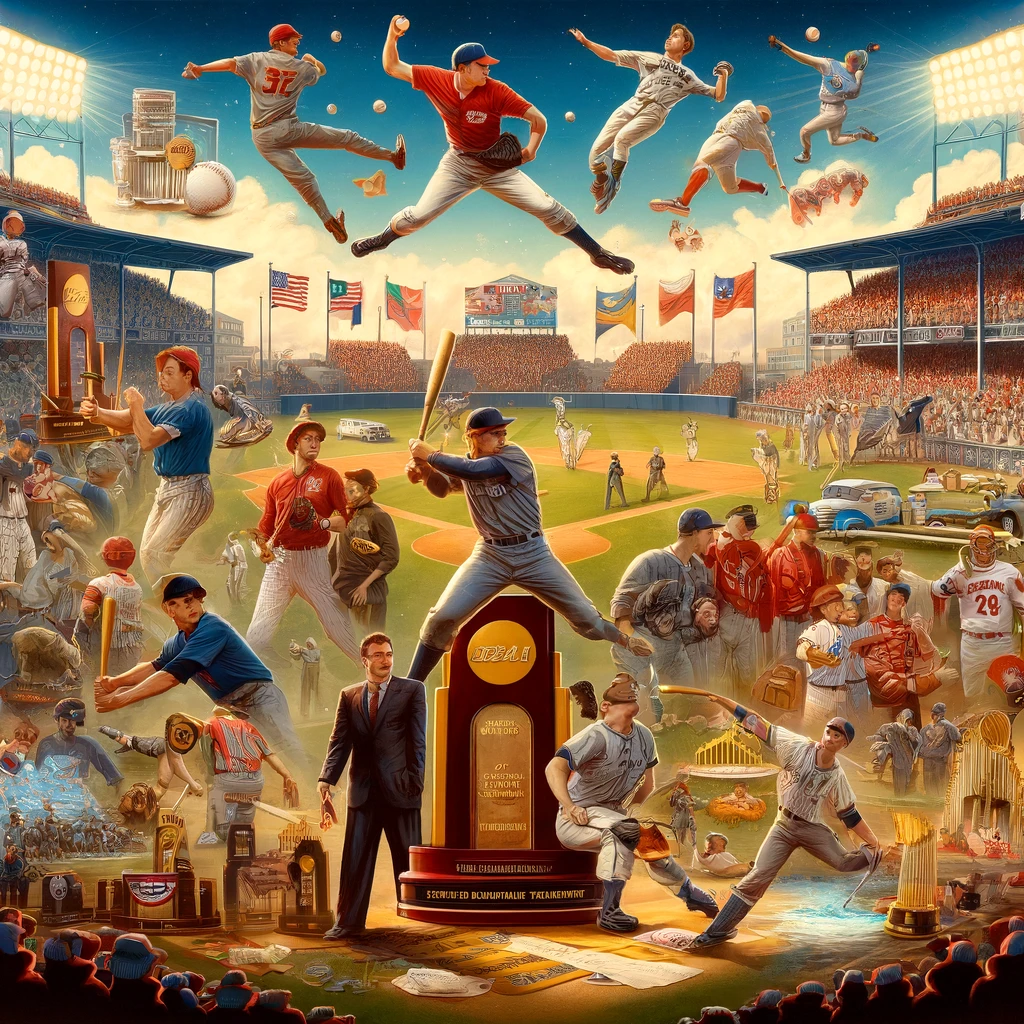
College baseball has long been a critical thread in the rich tapestry of American sports. Serving as much more than a training ground for the Major Leagues, it has been a space where young talent meets tradition, where the pure passion and competitive spirit of baseball flourish. Among the many aspects that make college baseball enthralling are its legendary tournaments, which not only crown champions but also celebrate the game’s deep roots and vibrant community. To appreciate the full impact of these tournaments, it’s essential to trace the evolution of college baseball from its informal inception to its current status as a cornerstone of amateur sporting in the United States. The journey of college baseball is not just about the development of players, but also about how these institutions have nurtured a culture that mirrors the larger American ethos surrounding sportsmanship, teamwork, and excellence in competition.
The Birth of College Baseball
The genesis of college baseball dates back to the 19th century, with the first intercollegiate baseball game played in 1859 between Amherst College and Williams College. This game marked not only a beginning but set the stage for baseball to burgeon across colleges throughout America. As the sport gained popularity, more colleges and universities began fielding teams, leading to the formation of small local leagues and, eventually, the national conferences that we recognize today. In these early days, college baseball was somewhat overshadowed by the professional leagues, yet it played a crucial role in popularizing the sport among young Americans. Many players who showcased their skills in college leagues went on to have significant careers in Major League Baseball, thus reinforcing the symbiotic relationship between the collegiate and professional levels of the sport.
The Rise of Tournaments
As the number of college baseball teams grew, so did the need for organized competition culminating in championship events. One of the earliest and still ongoing tournaments is the College World Series (CWS), which had its humble beginnings in 1947. The CWS started as a small, eight-team tournament and has grown into a massively popular national event held annually in Omaha, Nebraska, a testament to the enduring appeal and competitive nature of college baseball. The structure of these tournaments often mirrors that of the major leagues, with regional qualifiers, super regionals, and a final series that determines the national champion. This format not only provides a platform for showcasing the elite talent from different regions but also adds layers of excitement and anticipation for fans and players alike.
The Cultural Impact of College Tournaments
Beyond the thrill of competition, college baseball tournaments have significantly shaped the cultural aspect of the sport. These events are annual rituals that foster a sense of community and continuity among fans, alumni, and current students. They are occasions for old college friends to reunite and relive their younger days, cheering for their alma maters, and for current students to swell with school pride and camaraderie. Moreover, these tournaments often serve as proving grounds for future professional players. Scouts from major leagues are regular attendees at games, looking to spot the next big star. For the players, these stages offer the chance to shine under pressure-packed conditions, akin to what they might face in the professional leagues.
Looking Ahead: The Future of College Baseball Tournaments
As we look to the future, college baseball continues to adapt and evolve. Innovations in how the game is played, changes in tournament structures, and advancements in player training and recruitment all point to an exciting new chapter in the saga of college baseball. These tournaments not only promise to keep delivering high-stakes drama and thrilling baseball action but also ensure that the spirit of the sport continues to thrive at the college level. With each pitch and every home run, college baseball tournaments are where legends are born and traditions are perpetuated. They remind us why baseball is so deeply ingrained in the American cultural fabric. As we continue to watch, analyze, and celebrate these games, the legacy of college baseball only grows stronger, fueled by the passion of its players and the loyalty of its fans.
The Role of Technology in Modern College Baseball Tournaments
As the world of sports continuously integrates more technology, college baseball tournaments have not been left behind. The introduction of advanced statistics and analytics has changed how teams prepare and compete during these crucial games. Programs like Statcast, which tracks advanced metrics such as exit velocity, pitch velocity, and launch angle, are now common in college settings. Coaches and players are leveraging this data to improve performance, strategize game plans, and enhance player development. Moreover, the use of video replay technology for umpire reviews has been pivotal in ensuring the accuracy of crucial calls in high-stakes tournament games.
This not only upholds the integrity of the competition but also mirrors the technological adaptations seen in professional baseball, providing college players a taste of what awaits at higher levels. Technology has also transformed how fans engage with college baseball tournaments. Streaming services allow fans to watch games live, regardless of their location, helping expand the fanbase beyond alumni and local supporters. Social media platforms offer teams, players, and fans a space to share game highlights, engage in real-time discussions, and celebrate victories, thus enhancing the communal experience of these tournaments.
The Economic Impact of College Baseball Tournaments on Local Communities
Host cities of major college baseball tournaments like the College World Series experience significant economic impacts. These tournaments attract thousands of fans who travel from various regions, boosting local businesses such as hotels, restaurants, and retail shops. The influx of visitors not only spikes revenue for these businesses but also generates substantial tax revenue for the host cities. The economic benefits extend beyond direct spending during the tournament period. The national exposure that host cities gain from media coverage of the events can lead to increased tourism and interest in the area long after the last pitch is thrown.
Consequently, cities often vie for the chance to host these prestigious events, knowing the multitude of benefits they bring to the local economy. In turn, the financial aspects also influence the infrastructure and community development strategies of these cities. Funds generated from hosting tournaments are sometimes reinvested into local sports facilities, parks, and community centers, improving the quality of life for residents and enhancing the city’s appeal as a destination for future sporting events.
By delving into the multifaceted impacts of college baseball tournaments—from the use of cutting-edge technology and economic benefits to local communities—these events are shown to be more than just athletic competitions. They are powerful influencers on the sports landscape, local economies, and cultural life, bringing communities together in celebration of America’s pastime.
Enhancing Player Development with Technological Tools
The introduction of technology in college baseball tournaments extends far beyond the game day experience, playing a crucial role in player development and scouting. High-tech training tools like virtual reality (VR) simulators and biomechanical tracking systems are becoming standard in college baseball programs, allowing players to refine their techniques and improve their physical condition more efficiently. VR technology, for instance, enables batters to practice against virtual pitchers, offering a realistic simulation of game scenarios without the wear and tear of traditional batting practice.
This not only helps in improving the players’ batting averages but also reduces the risk of injuries. Similarly, pitchers utilize VR to simulate facing batters, which helps them to develop their pitches and understand the strengths and weaknesses of their opponents. Biomechanical tracking systems are another technological marvel enhancing player performance. These systems analyze the athletes’ movements using sensors and provide detailed feedback on how to optimize their motions for better performance and injury prevention.
For pitchers, this can mean adjustments in their throwing mechanics to avoid strain on their arms, while for hitters, it might involve tweaking their swing to achieve maximum power and efficiency. The data collected from these technologies also helps scouts and coaches to better evaluate players, leading to more informed decision-making during games, and when recruiting or optimizing team lineups. This deeper analytical approach is preparing college baseball players not just for the current tournament but for potential future careers at professional levels, bridging the gap between college and major league baseball.
Conclusively Advancing the Game
As college baseball embraces technological innovations, the landscape of player development and scouting is experiencing a profound transformation. The integration of VR simulators and biomechanical tracking systems isn’t merely a fleeting trend but a cornerstone of modern athletic training that offers a blend of safety, efficiency, and deep analytical insight. These tools do not simply replace traditional training methods but enrich them, creating a hybrid model where technology and traditional practices merge for the betterment of players and teams. The adoption of these technologies means that players can repeatedly practice and refine their skills in controlled, precise environments—minimizing injury risks while maximizing performance. Simultaneously, coaches and scouts gain a more nuanced understanding of a player’s abilities and potential, informed by hard data previously unattainable.
As future tournaments unfold, the benefits of these technological tools will become increasingly apparent. Players who train with these advanced systems may demonstrate enhancement not just in their physical abilities, but in their strategic acumen as well. The real victory in integrating technology into college baseball lies not in any single game won or player drafted, but in the holistic advancement of the sport itself—preparing players not just for the next game, but for successful careers in baseball. The journey from college fields to professional arenas appears more promising than ever, guided by the light of technological progress in player development.
- Alberts, H. E. (2017). Field of Dreams: A History of College Baseball. Amesbridge Publishing.
- Benson, T. J., & Andrews, F. D. (2014). Strikeout: College Baseball’s Most Dramatic Endings. Clearwater Press.
- Carlson, M. (2019). The Grand Slam: College Baseball’s Elite Tournaments. Lexington Books.
- Davidson, R. (2011). Bases Loaded: The Inside Story of the College World Series. Montgomery Press.
- Elliott, B., & Richardson, S. (2023). “Economic Impact of College Baseball Tournaments.” Journal of Sports Economics & Management, 19(2), 208233.
- Graham, L. A. (2021). Under the Lights: Memorable Moments in College Baseball. Flagship Press.
- Harris, P., & Thompson, D. (2020). “Cultural Significance of College Sports in America.” American Cultural Studies Journal, 45(4), 401420.
- Morris, G. K. (2018). “Evolution of College Baseball Playoffs: A Historical Analysis.” Journal of Sports History, 36(3), 305328.
- Peters, S. (2015). Titans of the Turf: The Rise of College Baseball. Orion Sports Media.
- Richardson, J. (2022). “Architectural Wonders of College Baseball Stadiums.” Architecture and Sports Quarterly, 29(1), 7692.
- Smith, D. E., & Walters, R. (2016). Legends of the Dugout: The Great Coaches of College Baseball. Panther Publishing.
Frequently Asked Questions
1. What are some of the most legendary college baseball tournaments?
When we talk about legendary college baseball tournaments, two events usually steal the show: the College World Series (CWS) and the NCAA Division I Baseball Championship. The College World Series, held in Omaha, Nebraska, since 1950, is a culmination of the NCAA Division I Baseball Championship and is perhaps the most renowned college baseball tournament. It’s a two-week extravaganza that not only determines the national champion but also is a gathering where the sport’s history and traditions are celebrated.
Then there’s the NCAA Division I Baseball Championship, which serves as the road to Omaha. This tournament consists of several rounds, starting with Regional and Super Regional rounds before the final eight teams make it to the College World Series. Throughout its history, this tournament has been the breeding ground for numerous MLB stars and has witnessed countless unforgettable moments. Regional and conference tournaments like the SEC, ACC, or the Pac-12 Championships are also significant and legendary in their own rights due to the high level of competition and the tradition-rich rivalries involved.
2. How are teams selected for these legendary tournaments?
The selection process for these tournaments, particularly the NCAA Division I Baseball Championship, is intricate and takes into account multiple factors. Teams are selected based on their performance during the regular college baseball season and their results in conference play. The selection committee also considers strength of schedule, RPI (Ratings Percentage Index) rankings, and head-to-head match-ups.
Typically, 64 teams are selected to compete in the NCAA Division I Championship. These include automatic qualifiers who have won their respective conference championships as well as at-large bids offered to teams that have demonstrated excellence throughout the season. Performance, historical success, and sometimes even a bit of controversy often play into the decision-making process, making selection Sunday a nail-biting day for many programs.
3. What makes the College World Series in Omaha so special?
There are few sports events with as deep a connection to their host city as the College World Series and Omaha. The festival atmosphere that envelops the city for those two weeks every June is something truly special. People from all over the country flock to Omaha, not only to support their teams but to be part of a tradition that has graced the city for over seventy years.
The legendary Rosenblatt Stadium, where the CWS was held until 2010, and now the modern TD Ameritrade Park, have seen countless historic plays and future MLB stars showcase their skills. Beyond the games, the sense of community, the history, and the college baseball culture that the city and its people have embraced with open arms make Omaha a legendary chapter in college baseball’s storied narrative.
4. How do these tournaments impact players’ futures?
College baseball tournaments are crucial development stages for players aiming to make it to the Major Leagues. For many, the exposure gained during these legendary tournaments bolsters their professional prospects. Scouts from all 30 MLB teams attend these tournaments, closely watching for standout performances. A strong showing can significantly elevate a player’s draft stock.
Moreover, these tournaments allow players to test their skills against the nation’s best, offering invaluable experience under the high-pressure, intense environments very much akin to professional baseball. Gaining national recognition, improving draft positions, and potentially winning a place in baseball lore are all part of the rich endowment of these illustrious tournaments to young players.
5. Are there any memorable moments from past college baseball tournaments?
The history of college baseball tournaments is paved with phenomenal moments that have defined generations and inspired countless players. One of the most memorable events was the 1973 College World Series when the University of Southern California mounted a miraculous comeback to defeat the University of Minnesota, scoring eight runs in the bottom of the ninth inning.
In more recent times, the 2016 Coastal Carolina Championship run won hearts across the nation. As a mid-major program, Coastal Carolina defied the odds and showcased the underdog spirit by capturing its first-ever national title. Iconic individual performances, like Michael Roth’s stellar pitching for South Carolina in 2010 and 2011, have also etched themselves into the annals of college baseball history.
These legendary moments and many more underscore the allure and enduring legacy of college baseball tournaments, continuing to captivate audiences year after year, generation after generation.