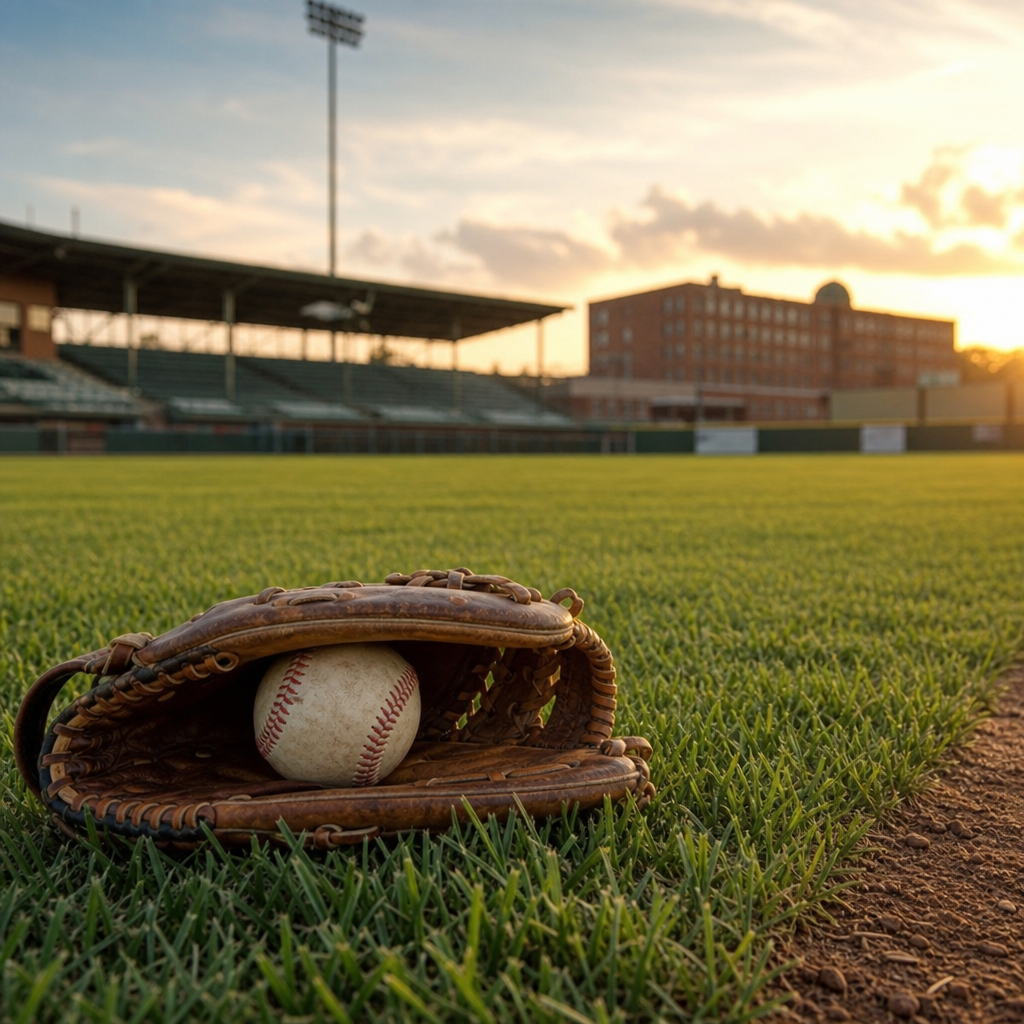
Minor league baseball is where the sport’s broadest history lives: in mill towns and state capitals, at fairground parks and modern training complexes, in leagues that folded, merged, revived, and kept sending players, ideas, and communities toward the majors. When people hear “minor leagues,” they often think only of player development, the ladder below Major League Baseball. That definition is accurate but incomplete. Minor league baseball also describes a civic institution, a business model, a laboratory for rules and technology, and a record of how baseball spread across North America. As a hub within the wider Minor Leagues and College Baseball topic, this article covers the miscellaneous ground that makes the subject so rich: origins, structure, economics, culture, experimentation, independent clubs, college connections, and the reasons these teams matter historically.
In practical terms, minor league baseball refers to professional leagues operating below the major league level, traditionally organized by classifications such as Triple-A, Double-A, High-A, and Single-A. Historically, the system was governed through the National Association of Professional Baseball Leagues, founded in 1901, and later reshaped by Major League Baseball’s 2020 reorganization. A farm system is the network of affiliated clubs supplying talent to a parent MLB organization. Player development covers the training, game reps, instruction, sports science, and evaluation that turn draft picks and international signees into major leaguers. Independent leagues sit outside MLB affiliation but remain vital to the baseball ecosystem. I have worked around archival team histories and development operations, and one lesson repeats: if you want to understand baseball’s real foundations, study the minors. They reveal how the game adapts to economics, geography, labor markets, and local identity more clearly than the majors ever can.
This matters because baseball history is not only the story of pennants and Hall of Famers. It is also the story of where players learned to hit breaking balls, where Black baseball communities sustained the sport under segregation, where women sold tickets and managed front offices, where future innovations were tested, and where towns used ballparks as economic anchors. Minor league baseball has been unstable by design and resilient by necessity. Teams relocate. Leagues disappear. Affiliations change. Yet the function endures. For readers exploring miscellaneous coverage in this sub-pillar, think of this page as the map: the key themes, questions, and context that connect every deeper article on teams, leagues, labor, stadiums, promotions, development methods, and historical turning points.
How the Minor Leagues Built Baseball’s National Footprint
Baseball became a national game not simply because the major leagues were strong, but because smaller professional circuits rooted it in hundreds of places the majors never reached. In the late nineteenth and early twentieth centuries, leagues in the South, Midwest, Mountain West, and Pacific Coast gave local fans a regular product and gave owners a reason to invest in ballparks, rail schedules, and newspaper coverage. The Pacific Coast League, founded in 1903, became so prominent that for long stretches it functioned almost like a third major league, with long seasons and recognizable stars. The International League and American Association did the same in eastern and midwestern cities. These circuits created durable baseball habits: reading box scores, debating prospects, and treating the home club as part of civic life.
The classification system helped organize quality and territory. By the mid-twentieth century, leagues were ranked from Open and Triple-A down through lower classes, giving scouts, executives, and fans a rough sense of competition level. That hierarchy was imperfect, but it created order in a sprawling marketplace. A Class D town and a Triple-A city served different purposes, yet both contributed to the sport’s reach. The structure also reflected transportation and economics. Before air travel and advanced training infrastructure, clubs needed players close to home and leagues clustered by rail routes. What looks quaint now was once efficient business design.
Historical shocks repeatedly reshaped the map. The Great Depression reduced attendance and strained payrolls. World War II pulled players into military service. Television later changed how fans consumed games. The largest single blow came with postwar suburbanization, the spread of air conditioning, and MLB relocation into former minor league territories. When the Dodgers and Giants moved to California in 1958, they transformed western baseball markets that minor leagues had cultivated for decades. The Pacific Coast League never regained its previous status. Even so, the minors continued to regenerate in new suburbs and Sun Belt regions, proving that baseball below the major league level could migrate with population and still preserve local loyalty.
The Farm System Changed Everything
Branch Rickey is the central figure in understanding modern minor league history because he helped turn scattered lower-level clubs into an integrated player development machine. Before the farm system matured, major league teams relied more heavily on independent owners, loose working agreements, and the draft-like mechanisms of the era. Rickey’s model with the St. Louis Cardinals in the 1920s and 1930s secured influence over multiple minor league clubs, allowing the organization to stockpile, train, and promote talent systematically. The result was not just competitive advantage; it was a new operating logic for the whole sport. Today every affiliated team is part of that inheritance.
The farm system professionalized instruction. Hitting coordinators, pitching coordinators, strength coaches, athletic trainers, and analysts now align methods across levels so a player moving from Single-A to Double-A enters a familiar framework. In my experience, this continuity is one of the least visible but most important facts about the minors. Fans see prospects; organizations see progressive benchmarks. A catcher may be promoted not because of batting average, but because his receiving metrics, game-calling, and throwing efficiency match the next level’s requirements. A pitcher may stay put despite dominant results because a new changeup shape still needs game use. Minor league baseball is full of these development decisions that look strange to outsiders and make perfect sense internally.
The 2020 restructuring sharpened this developmental focus. MLB reduced the number of affiliated teams, formalized facility standards, and emphasized controlled environments for training and performance data. Critics correctly noted the cost to communities that lost affiliations. Supporters argued that travel, housing, nutrition, and coaching conditions had become too inconsistent. Both points are true. The modern system is more centralized and, in many ways, more efficient. It is also less geographically generous than the older model. That tradeoff belongs at the center of any honest history of the minors.
Why Minor League Baseball Matters to Communities
Minor league clubs often matter most where they are not the biggest sports property in the country, but the most accessible one in town. Ticket prices are lower than major league prices, parking is easier, and players are physically close to the audience. Fans can hear dugout chatter, collect autographs, and return several times a month without making the outing a major expense. For city governments and downtown business districts, a ballpark can increase foot traffic, support restaurants, and anchor mixed-use development. Durham Bulls Athletic Park in North Carolina, AutoZone Park in Memphis, and Louisville Slugger Field in Kentucky are frequently cited examples of baseball tied to broader urban planning and branding.
Community value is not just economic. It is ceremonial and social. Teams host school days, charity nights, youth clinics, military tributes, and heritage celebrations. Promotions may look silly on the surface, but they solve a serious problem: how to turn 66 or 70 home dates into repeatable family entertainment. Minor league operators learned long ago that they are not selling only baseball quality. They are selling memory, routine, and local ownership of a public space. That is why mascots, alternate identities, and theme nights matter historically. They reflect a shift from pure sporting consumption to community-centered live entertainment.
| Historical role | How minor league teams deliver it | Real-world example |
|---|---|---|
| Player development | Daily game reps, coaching, rehab assignments | Top prospects moving through Double-A and Triple-A before MLB debuts |
| Economic anchor | Ballpark districts, seasonal jobs, local spending | Downtown redevelopment around Durham Bulls Athletic Park |
| Rule experimentation | Testing pace-of-play and automated systems | Pitch clock and ABS trials in affiliated leagues |
| Cultural identity | Local branding, heritage nights, school partnerships | Copa-style alternate identities celebrating regional communities |
| Second-chance pathway | Independent league opportunities and contract purchases | Players signed from the Atlantic League after strong seasons |
There is also a preservation function. When a town supports a team over decades, it preserves names, logos, scorebooks, oral histories, and newspaper archives that document local life beyond baseball. Historians often find that a minor league franchise timeline doubles as a civic timeline, tracking migration, industrial rise and decline, race relations, and public investment. That is one reason this miscellaneous hub matters: the minors are not a side road to baseball history; they are one of its best local archives.
Innovation, Experimentation, and Baseball’s Test Kitchen
Many of baseball’s most consequential changes have been refined in the minors before reaching the major leagues. Because the stakes are lower and the development mission is primary, minor league environments allow leagues and front offices to test rules, technology, and training methods in live competition. Recent examples include the pitch clock, larger bases, limits on defensive shifts, disengagement rules for pitchers, and automated ball-strike systems. These are not trivial tweaks. They affect game tempo, stolen-base success, injury risk, and the visual rhythm of baseball itself.
The Atlantic League, while independent, became especially important as an experimental partner for MLB. It tested a robotic strike zone variant, rules designed to encourage stolen bases, and adjustments to mound distance concepts. In affiliated ball, Statcast-style data collection, high-speed cameras, bat sensors, and biomechanics labs changed how clubs teach movement efficiency and pitch design. A pitcher can now learn that his four-seam fastball plays best at the top of the zone because of induced vertical break, or that a seam-shifted wake effect may help a sinker move in ways traditional scouting language only approximated. Those details filter upward into MLB broadcasts, but they are often learned first on minor league backfields.
Innovation has a human side as well. Better nutrition programs, housing standards, mental skills coaching, and individualized strength plans have improved the developmental environment, though progress has been uneven. For years, low pay and unstable living conditions undermined the quality of life for many minor leaguers. Recent salary increases and collective bargaining gains addressed part of that problem, but not all of it. Any serious account of innovation must include labor conditions, because better performance systems mean little if the people using them cannot live decently during the season.
Independent Leagues, College Baseball, and the Wider Talent Web
Affiliated minor league baseball gets most of the attention, but the broader landscape includes independent leagues, summer collegiate leagues, and strong links to NCAA and junior college baseball. Independent leagues such as the Atlantic League, American Association, Frontier League, and Pioneer League serve several functions at once. They offer released players a place to rebuild value, undrafted players a professional entry point, veterans a way to continue competing, and MLB organizations a market for contract purchases. This pathway is real, not romantic. Players regularly move from independent clubs into affiliated systems after showing improved velocity, plate discipline, defensive versatility, or health.
College baseball intersects with the minors in development philosophy and fan education. Programs in the SEC, ACC, Big 12, and other conferences now use technology, video analysis, and workload management that mirror pro methods. The Cape Cod Baseball League and other summer circuits have long helped scouts compare wood-bat performance against elite competition. As a result, the transition from amateur to professional ball is more informed than it once was, though still demanding. Metal-bat hitters may need swing adjustments. College aces may find that pro schedules require different recovery patterns. The minors provide the bridge between amateur success and major league viability.
This wider talent web also explains why “miscellaneous” topics deserve careful attention. A stadium financing debate can affect affiliation stability. A college coach’s pitching lab can influence draft strategy. An independent league rule trial can later alter MLB gameplay. These subjects are connected, and readers who follow one branch often need context from the others. A good hub article makes those relationships visible so deeper pages on specific leagues, labor issues, famous teams, or player pathways make immediate sense.
The Historical Record: Memory, Loss, and Why the Minors Endure
Minor league history is full of disappearance. Teams vanish after a few seasons. Wooden ballparks burn. Newspapers stop printing. Statistical records are incomplete, especially for lower classifications and segregated circuits. That fragility is part of the subject. Historians rely on sources such as Baseball-Reference, SABR research, library microfilm, municipal records, scorecards, and oral histories to reconstruct what happened in places the national press barely noticed. The gaps matter because they remind us that baseball memory is unevenly preserved. Some communities have museums and digitized archives; others have only fading photographs and family stories.
Yet the minors endure because they answer a need larger than standings. They give baseball a local address. They let the sport be ambitious without being remote. They produce future stars, but they also produce first games, summer jobs, civic rituals, and regional legends that never require major league validation to matter. If you are building knowledge across the Minor Leagues and College Baseball subtopic, start here and branch outward: learn the classifications, study the farm system, follow independent leagues, compare college pipelines, and pay attention to stadium politics and labor reform. The main takeaway is simple. Minor league baseball has always been the grassroots of greatness, the place where the game tests itself, teaches itself, and embeds itself in community life. Explore the related articles in this hub to understand how each piece of that foundation shapes baseball history today.
Frequently Asked Questions
What makes minor league baseball so important to the broader history of the sport?
Minor league baseball matters because it preserves the game at its most widespread, local, and adaptable level. While Major League Baseball often represents the sport’s most visible stars, championships, and national narratives, the minors reveal how baseball actually spread across the country and embedded itself in everyday life. In mill towns, railroad hubs, farming communities, state capitals, and growing suburbs, minor league clubs gave people a regular, affordable way to experience professional baseball close to home. That presence helped turn baseball from a major-city attraction into a deeply rooted American institution.
Its historical importance also comes from continuity. Leagues folded, reorganized, changed classifications, and returned under new names, yet the basic function remained: minor league baseball kept the sport alive in places far from the major league spotlight. It created pathways for players, managers, scouts, umpires, and executives. It tested ideas about training, travel, scheduling, promotions, ballpark design, and fan engagement. Many aspects of modern baseball culture—from player development systems to regional rivalries and family-centered ballpark entertainment—were shaped or refined in the minor leagues long before they became standard elsewhere.
Just as important, minor league baseball is a civic history as much as an athletic one. A local club could reflect a town’s economy, ambitions, demographics, and identity. Teams became symbols of resilience during wartime, depression, industrial change, and population shifts. Even when franchises moved or leagues disappeared, the memories and traditions they left behind often remained part of community identity. That is why minor league history is not simply the background story to the majors; it is one of the main ways baseball became woven into the social and cultural fabric of the country.
How did minor league baseball help shape communities beyond simply providing entertainment?
Minor league baseball often functioned as a community institution, not just a pastime. In many cities and towns, the local ballclub was one of the few recurring public events that brought together residents across occupations, neighborhoods, and generations. Fans came for the game, but they also came to gather, socialize, celebrate holidays, support local businesses, and participate in civic life. Ballparks became shared spaces where political candidates appeared, military bands performed, charitable causes were promoted, and community traditions were reinforced.
Economically, minor league teams could serve as modest but meaningful engines of local activity. Game days created business for restaurants, bars, hotels, street vendors, and nearby retailers. Teams employed stadium workers, grounds crews, office staff, concession operators, and promotional personnel. More broadly, a club could help a town project confidence and relevance. Having a professional team suggested that a place was growing, organized, and worthy of attention. That symbolic value mattered especially in smaller markets competing for investment, visitors, and regional prestige.
Minor league baseball also gave communities a language for memory and identity. Team names, logos, mascots, and rivalries often reflected local industries, geography, folklore, or historical pride. A city might see itself in its club, and fans might view attendance not simply as consumption but as participation in local belonging. When teams endured for decades, generations of families built traditions around them. When teams disappeared, the loss was often felt as more than the end of a business; it could feel like the removal of a piece of civic heritage. That deep connection is one reason minor league baseball occupies such a lasting place in American historical memory.
In what ways did the minor leagues influence player development and baseball innovation?
The minor leagues were essential to the creation of modern player development. Before farm systems became fully organized, talent moved through a looser and often unstable network of local clubs, independent operators, and contractual arrangements. Over time, major league organizations increasingly used minor league affiliates to scout, sign, train, and evaluate players in a more systematic way. That shift made the minors the proving ground where raw talent could be refined over months and years rather than judged in a single leap to the top level.
This developmental role extended far beyond players. Managers learned how to handle lineups, pitching staffs, and clubhouse dynamics. Pitching coaches, hitting instructors, trainers, and front office personnel tested methods in lower-pressure environments. Umpires gained experience and sharpened professional standards. Scouts built regional networks and improved how talent was identified. In that sense, the minor leagues became baseball’s practical laboratory, where techniques could be observed, adjusted, and expanded before influencing the major league game.
Innovation also thrived there because the stakes were different. Minor league teams frequently experimented with promotions, scheduling formats, branding, concessions, family activities, and stadium experiences to attract fans in competitive entertainment markets. On the baseball side, organizations used minor league levels to monitor workload, refine mechanics, develop defensive versatility, and introduce strategic ideas. Even when fans think of the minors mainly as a ladder to the majors, that ladder has always been a place of experimentation. The game’s future has often been built in smaller parks, on longer bus rides, and in less glamorous settings where adaptation was necessary and creativity was rewarded.
Why do so many minor league teams and leagues fold, merge, relocate, or reappear throughout history?
Constant change has been one of the defining features of minor league baseball. Unlike major league franchises, minor league clubs have often operated with thinner financial margins, smaller markets, and greater dependence on local economic conditions. A team’s survival could be affected by factory closures, crop failures, wartime disruptions, transportation costs, weather, stadium quality, ownership turnover, and shifts in population. If attendance declined or municipal support weakened, a franchise might move, pause operations, or disappear altogether.
League instability has also reflected the realities of geography and business structure. Minor leagues depend heavily on workable travel routes, balanced competition, and a cluster of communities able to support professional baseball at similar levels. When one or two clubs failed, an entire league could become unsustainable. Mergers and reorganizations were often practical responses to these pressures. Rather than evidence of failure alone, they can also be understood as signs of the sport’s flexibility. Baseball kept finding ways to reassemble itself in new forms, even after setbacks.
Relocations and revivals further show how strongly place and opportunity interact in the minor league world. A city may lose a team because its economy changes, then regain one years later when downtown redevelopment, a new ballpark, or a renewed civic push makes baseball viable again. Similarly, a dormant league name may return because it still carries regional meaning and fan recognition. This pattern of folding, merging, and revival is not a side note to minor league history; it is central to it. The minors have always mirrored the changing map of American life, adjusting to where people live, how they travel, and what communities can sustain.
How should fans understand minor league baseball today—as a feeder system, a business, or a cultural tradition?
The most accurate answer is all three. Minor league baseball is certainly a feeder system, because its connection to Major League Baseball revolves around development, evaluation, and advancement. Players move through affiliates to gain experience, improve specific skills, and prepare for higher levels of competition. That function is real and foundational, and it remains the most visible way many people understand the minors.
But viewing it only as a developmental ladder misses its full significance. Minor league baseball is also a business model shaped by affiliations, ticket sales, sponsorships, stadium agreements, merchandise, concessions, and local media relationships. Teams must succeed as entertainment operations in their own markets, often by offering an experience that is affordable, accessible, and community-oriented. Promotions, theme nights, creative branding, and fan-friendly ballparks are not distractions from baseball history; they are part of how the minor leagues have sustained themselves across generations.
At the same time, minor league baseball remains a cultural tradition with deep historical roots. It carries forward the local rhythms, civic pride, and regional storytelling that have always defined the sport below the major league level. For many fans, the minors offer a version of baseball that feels intimate and immediate: close seats, familiar faces, neighborhood routines, and a direct connection between team and town. That combination is precisely why minor league baseball has played such an important role in history. It develops talent, supports local economies, and preserves a form of baseball culture in which community is not secondary to the game, but one of the game’s central meanings.