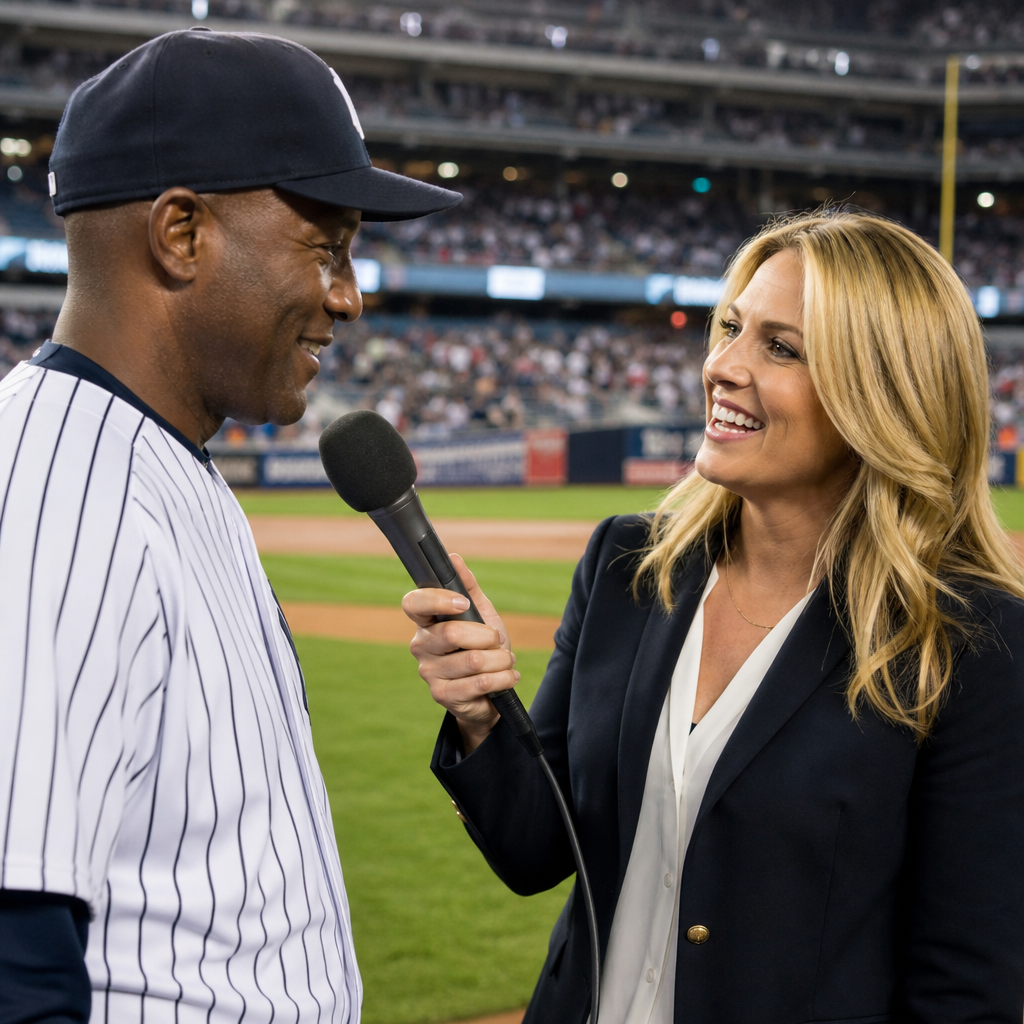
Baseball media has changed dramatically over the past century, and one of the clearest measures of that change is the evolution of women’s roles in baseball media. What began as rare, often marginalized participation has grown into a broad professional presence that includes beat reporting, television hosting, play-by-play, color analysis, podcasting, documentary production, data journalism, social video, and executive editorial leadership. In practical terms, baseball media refers to the systems and people that shape how fans understand the game: newspapers, radio, television, digital publications, team-controlled channels, streaming platforms, newsletters, podcasts, and social networks. Women now work across all of those channels, influencing not only what stories get told but also how baseball itself is framed for public audiences.
This shift matters because media does more than describe games. It creates memory, establishes heroes, sets agendas, and determines which voices carry authority. When women are excluded from baseball media, coverage tends to narrow around inherited assumptions about expertise, audience, and access. When women are included, the sport gains sharper reporting, more complete storytelling, and a wider understanding of clubhouse culture, labor issues, player development, business operations, fan communities, and history. I have worked with sports content teams that audited source diversity and story framing, and the pattern is consistent: broader representation improves editorial quality because it expands the range of lived experience applied to the same facts.
For readers exploring the larger Women in Baseball topic, this hub covers the miscellaneous media side comprehensively. That means looking beyond one job title or one era. The story includes pioneers who reported despite formal barriers, broadcasters who changed what viewers expected on air, writers who built trust on the beat, and modern creators who use analytics and direct-to-audience platforms to build influence without waiting for traditional gatekeepers. It also includes the institutional issues that shaped careers, from credentialing rules and clubhouse access to harassment policies, contract structures, and audience bias. Understanding those forces is essential if you want a clear picture of where baseball media has been and where it is going next.
The key terms are straightforward. Beat reporting is daily coverage of one team, usually involving game stories, injury updates, transactions, interviews, and clubhouse reporting. Play-by-play is the live description of the action; color analysis adds interpretation, strategy, and context. Studio hosting connects broadcasts, interviews guests, and translates news for fans. Editorial leadership includes assigning stories, setting standards, and managing publication strategy. Digital creators may do all of those functions at once, publishing written analysis, video explainers, and social clips around a single game. Women have entered every part of this ecosystem, but progress has not been linear. Each new role has required a fight for legitimacy, fair access, and equal treatment.
From exclusion to early access: the first generations of women in baseball media
In the early twentieth century, women covered baseball sporadically, often under limitations that male colleagues did not face. Some were assigned “women’s angles” or novelty features rather than straight reporting. Others wrote columns, profiles, or human-interest pieces that nonetheless captured essential truths about players and teams. The structural barrier was simple: sports departments were male dominated, and baseball’s own institutions reinforced that hierarchy through custom as much as formal policy. Press boxes, clubhouses, and travel expectations were built around the assumption that serious baseball reporting was men’s work.
Even so, women established a foothold. Trailblazers such as Mary Garber in sports journalism and later pioneers across local newspapers demonstrated that reporting quality, not gender, determined value. Their work mattered because baseball is an everyday sport with a long season; credibility is earned through repetition, accuracy, and sourcing over months, not through a single appearance. The women who persisted in that environment built credibility the hard way, by filing clean copy under deadline, cultivating contacts, and returning the next day despite skepticism. That pattern still informs how many veterans in the industry describe career advancement: skill opens the first door, persistence keeps it open.
A major practical issue was access. Reporters who could not enter clubhouses after games were at a competitive disadvantage because they missed direct quotes, injury observations, and postgame reactions. For decades, unequal access shaped whose bylines appeared authoritative. That makes the history of women in baseball media inseparable from labor rights and workplace discrimination. The issue was never merely symbolic. If one group cannot gather the same facts in the same timeframe, their professional ceiling is artificially lowered. That reality explains why legal challenges and newsroom advocacy were pivotal to change.
Clubhouse access, legal turning points, and the fight for professional legitimacy
The most important turning point in modern baseball media inclusion was the battle over equal clubhouse access in the 1970s. As women entered sports reporting in greater numbers, teams and leagues often maintained policies that blocked them from postgame spaces while still expecting them to compete professionally with male reporters. Several legal cases and public disputes forced organizations to confront the contradiction. The principle that emerged was decisive: if the clubhouse functions as a workplace for credentialed media after games, exclusion on the basis of sex is discrimination.
Melissa Ludtke’s lawsuit against Major League Baseball and the New York Yankees is the landmark example. In 1977, while working for Sports Illustrated, she challenged being barred from the Yankees clubhouse during the World Series. The federal court ruled in her favor, affirming that denying equal access interfered with her ability to do her job. In baseball media history, that case is foundational because it converted a “custom” into a rights issue. Newsrooms could now point to law, not just fairness, when demanding access for women reporters.
The consequences spread far beyond one credential. Once access expanded, women could compete on equal reporting terms, build stronger source networks, and move into higher-visibility assignments. In my experience reviewing sports media workflows, access determines everything downstream: quote quality, speed to publish, exclusives, feature depth, and eventually reputation. The Ludtke case did not erase bias, but it removed a core structural obstacle. Later workplace reforms, including anti-harassment standards and clearer credentialing procedures, continued that work, though enforcement has varied across organizations and eras.
| Era | Primary barrier | Key change | Impact on women in baseball media |
|---|---|---|---|
| Pre-1970s | Informal exclusion from sports desks and clubhouses | Limited local breakthroughs | Women published, but often without equal reporting access |
| 1970s | Formal or customary clubhouse restrictions | Legal challenges, especially Melissa Ludtke’s case | Equal access became a professional rights issue |
| 1980s–1990s | Persistent bias about credibility on the beat and on air | More women in newspapers, radio, and television | Visibility increased and specialization deepened |
| 2000s–2010s | Gatekeeping in leadership and national assignments | Expansion of digital media and team networks | Women built brands across platforms and roles |
| 2020s | Online abuse, uneven advancement, contracting instability | Streaming growth, creator economy, audience diversification | Authority now extends beyond traditional outlets |
Broadcasting breakthroughs: from sideline presence to play-by-play authority
Television and radio created a different set of hurdles. In print, a reporter’s authority could emerge through sourcing and prose. On air, women also had to navigate audience expectations about voice, appearance, and perceived expertise. For years, many were funneled toward hosting or sideline formats while men dominated play-by-play booths and analyst chairs. That hierarchy reflected legacy assumptions rather than actual skill requirements. Strong baseball broadcasting demands preparation, timing, scorebook discipline, historical recall, rules knowledge, and the ability to explain strategy clearly under pressure. Women proved capable in every category once given the opportunity.
One of the most significant contemporary names is Suzyn Waldman, whose long career in Yankees broadcasting demonstrated durability in one of the sport’s highest-pressure markets. Another milestone figure is Jessica Mendoza, whose work on national broadcasts expanded the visibility of women in high-level baseball analysis. On the play-by-play side, Melanie Newman and Jenny Cavnar are central examples of how the role has evolved. Their work is important not because it is symbolic alone, but because play-by-play remains the most visible signal of who is trusted to narrate the sport in real time.
The growth of regional sports networks and team-owned channels accelerated these opportunities. Broadcasters could develop over long schedules, learning rhythm and audience expectations in the same way beat writers did. Viewers also became more accustomed to varied presentation styles. Once audiences hear consistently prepared calls and sharp analysis, novelty fades and competence becomes the standard. That is how durable change usually happens in baseball media: repetition normalizes what bias once marked as exceptional.
Digital media, analytics, and the expansion of editorial influence
The internet changed baseball media more than any single technology since radio. It lowered publishing barriers, rewarded niche expertise, and made data-literate analysis central to serious coverage. That shift opened new routes for women who might previously have faced slower advancement through traditional newsroom hierarchies. Writers and editors could build reputations through independent blogs, digital-first outlets, newsletters, and social platforms, then leverage that credibility into national roles. Baseball Prospectus, FanGraphs, The Athletic, MLB.com, and team sites all contributed to a media environment where authority could be demonstrated through insight and consistency rather than legacy alone.
Analytics played a major role in that evolution. Modern baseball coverage increasingly depends on concepts such as wRC+, FIP, pitch tunneling, framing, expected weighted on-base average, and public Statcast data. Women who mastered those tools were not entering baseball media as token voices; they were shaping how the sport was understood. Analysts such as Sarah Langs, whose research and historical framing have earned broad respect across baseball, show how expertise can travel across broadcast, social, and written formats at once.
Digital platforms also changed audience relationships. A reporter no longer needs to wait for a print cycle or a producer’s rundown to answer a fan’s question about an optioned reliever, a Rule 5 decision, or a swing-change story. She can post a thread, publish a quick analysis, appear on a podcast, and then expand it into a reported feature. That multiplatform reality has benefited many women in baseball media because it values range: reporting, analysis, audience engagement, and clarity. It has also created more visible records of expertise, which matters when editors and viewers evaluate credibility.
What women in baseball media cover now, and why the scope keeps widening
Today, women in baseball media cover every layer of the game. That includes traditional beats around major league clubs, but also player development, biomechanics, front-office strategy, labor negotiations, sports business, stadium policy, minor leagues, the draft, international scouting, and fan culture. The scope matters because baseball’s story does not begin at first pitch and end at the final out. Some of the most consequential reporting now involves areas once considered peripheral, such as housing conditions for minor leaguers, the economics of regional sports networks, or the implementation of pace-of-play rules.
Examples make the point clear. A beat reporter may explain how a team’s injured list decisions affect a 40-man roster crunch. A television analyst may use Statcast visuals to show why a pitcher’s induced vertical break is playing differently after a grip adjustment. A features writer may document how women executives or athletic trainers are changing internal baseball operations. A podcaster may connect bargaining history to current roster rules in terms casual fans can understand. These are not side stories. They are the sport’s operating realities, and women are helping define how audiences learn them.
This widening scope also strengthens the larger Women in Baseball hub. Media is where many adjacent subjects intersect: women as executives, coaches, umpires, medical staff, owners, historians, and fans. A comprehensive subtopic hub should therefore link outward to biographies of pioneering reporters and broadcasters, explainers on clubhouse access, profiles of women in team content departments, and case studies on broadcast milestones. Media is the connective tissue because it records every other change happening in the sport.
Persistent challenges and what meaningful progress still requires
Despite substantial gains, the evolution of women’s roles in baseball media is not a finished success story. Harassment remains a professional risk, especially online, where abuse can be constant and gendered. Contract instability in digital media has also created uneven career paths. Women may gain visibility quickly yet still face slower promotion into executive editorial roles, top national assignments, or long-term broadcast security. In some markets, audience skepticism still appears first and fades only after repeated proof of competence, a burden men are less often asked to carry.
Organizations that want real progress need systems, not slogans. Clear access policies, anti-harassment procedures, equitable assignment practices, transparent pay structures, and active mentorship all matter. So does editorial discipline. Newsrooms should review who gets quoted, who gets sent to marquee events, who receives investigative support, and who is positioned as an expert rather than only a host. Broadcasters need development reps, not just one-off appearances. Team media departments should avoid confining women to lifestyle content when they are capable of handling tactics, transactions, and critical reporting.
For readers, the takeaway is straightforward. If you want better baseball coverage, follow women who are already doing elite work across reporting, broadcasting, analysis, and production. Read deeply, share credible journalism, and use this page as a hub for the broader Women in Baseball conversation. The history shows that access changes opportunity, opportunity builds authority, and authority changes the sport’s public record. Women have already reshaped baseball media by reporting more accurately, explaining more clearly, and widening the lens through which fans see the game. The next step is simple: keep listening to the voices that make baseball coverage smarter.
Frequently Asked Questions
How have women’s roles in baseball media changed over time?
Women’s roles in baseball media have evolved from limited, often symbolic participation into a major and highly visible part of the industry. In the early decades of baseball coverage, women were frequently excluded from clubhouses, denied access to the same reporting opportunities as men, and pushed toward features, lifestyle pieces, or novelty assignments rather than core baseball journalism. Even when talented women entered the field, they often had to work against assumptions that they were not suited for hard reporting, analysis, or on-air authority. That made advancement difficult, and it narrowed the public’s understanding of who could credibly explain the game.
Over time, those barriers began to weaken as more women built careers in beat reporting, broadcasting, editing, and production. Their work helped prove that baseball expertise is not determined by gender, and audiences increasingly responded to strong reporting, smart analysis, and distinctive storytelling regardless of who delivered it. As television expanded, then digital media, podcasting, streaming, and social platforms, women found more pathways into baseball coverage and more opportunities to develop recognizable professional voices. Today, women contribute across every major area of baseball media, including play-by-play, color commentary, investigative reporting, long-form writing, data journalism, video production, and editorial leadership. The shift is important not only because representation has improved, but because the quality, scope, and perspective of baseball coverage have grown with it.
What kinds of jobs do women hold in baseball media today?
Women now work in virtually every corner of baseball media, reflecting how broad the modern baseball content ecosystem has become. Traditional roles still matter: many women serve as beat reporters covering teams on a daily basis, columnists analyzing league trends, broadcasters hosting pregame and postgame shows, sideline and dugout reporters providing live updates, and studio analysts explaining strategy, roster decisions, and player development. Others have become play-by-play announcers and color commentators, roles that were once especially resistant to change because they were tied so closely to ideas about voice, authority, and tradition.
Beyond legacy media, women are also active in digital-first and emerging roles that shape how fans consume baseball today. That includes podcast hosts, newsletter writers, documentary producers, social video creators, audience engagement editors, researchers, data journalists, and multimedia storytellers who combine reporting with visual presentation and analytics. Many also work in behind-the-scenes leadership positions as executive producers, editors, content directors, and newsroom managers, where they influence editorial priorities and help determine which baseball stories reach the public. This range matters because it shows that women are not participating in baseball media only as visible personalities; they are helping define the industry’s content, standards, and direction at every level.
Why is the evolution of women’s roles in baseball media important for the sport and its audience?
The evolution of women’s roles in baseball media matters because media shapes how fans understand the game, its culture, and its future. When baseball coverage is produced by a narrow group with similar backgrounds and perspectives, certain stories tend to be emphasized while others are overlooked. Expanding women’s participation has helped broaden the range of questions asked, the types of players and communities highlighted, and the ways baseball is explained to different audiences. That does not mean women cover baseball in one uniform way; rather, it means the industry benefits from a wider field of experience, style, and editorial judgment.
This change also has cultural significance. Baseball has long been associated with tradition, and media plays a central role in preserving and interpreting that tradition. As women take on more prominent and authoritative positions, they challenge outdated assumptions about expertise and belonging within the sport. For audiences, that can make baseball media more accessible, more dynamic, and more reflective of the actual fan base. For aspiring professionals, visibility matters as well. Seeing women succeed as reporters, analysts, hosts, and executives creates clearer pathways for the next generation. In that sense, the evolution of women’s roles in baseball media is not just a staffing trend; it is part of a larger transformation in who gets to narrate baseball and whose perspective is treated as essential to the sport’s ongoing story.
What obstacles have women in baseball media faced, and do those challenges still exist?
Women in baseball media have historically faced a combination of formal exclusion and informal bias. Earlier generations often dealt with restricted access to locker rooms and clubhouses, which put them at a professional disadvantage because baseball reporting depends heavily on postgame interviews, daily interaction, and relationship-building around the team. They also encountered stereotypes that framed them as outsiders, questioned their technical knowledge, or treated their presence as unusual rather than professional. In many cases, women had to excel under greater scrutiny than their male counterparts, while also navigating workplace cultures that could be dismissive, isolating, or openly hostile.
Many of those barriers have been reduced, but challenges have not disappeared. Women in baseball media can still face credibility tests that men are less likely to encounter, especially in highly visible roles such as national broadcasting or analytical commentary. Online harassment, gendered criticism, unequal promotion opportunities, and the pressure of representing “firsts” or “onlys” remain real concerns. At the same time, the industry has become more aware of these issues, and institutional support has improved in many places through clearer standards, stronger professional networks, and more intentional hiring and mentorship. The current moment is best understood as meaningful progress rather than completed progress. Women have gained a far stronger foothold in baseball media, but the work of building truly equitable conditions, access, and recognition continues.
How has digital media influenced opportunities for women in baseball media?
Digital media has been one of the most important drivers of change because it lowered traditional gatekeeping barriers and created new ways to build credibility, audience, and influence. In earlier eras, a journalist or broadcaster often needed access to a newspaper, radio station, or television network to reach baseball fans at scale. That made entry into the profession heavily dependent on institutions that were not always welcoming. With the rise of blogs, podcasts, independent newsletters, video platforms, social media, and streaming, talented baseball communicators gained more ways to publish work, demonstrate expertise, and connect directly with audiences. For many women, that shift created opportunities to establish a professional identity on the strength of their reporting, analysis, interviewing, or storytelling.
Digital media has also expanded the definition of what baseball media can be. Fans now consume highlights, short-form analysis, live reactions, deep statistical breakdowns, documentary storytelling, and community-driven discussion in addition to traditional game coverage. Women have played a major role in that expansion, especially in areas such as data journalism, social content, podcasting, and multimedia production. These formats reward clarity, originality, and trust, which can help strong voices grow quickly. At the same time, digital platforms bring challenges, including relentless audience exposure and harassment that can disproportionately affect women. Even so, the broader impact has been transformative: digital media has opened more doors, diversified baseball storytelling, and accelerated the visibility of women as central contributors to how the sport is covered and understood.