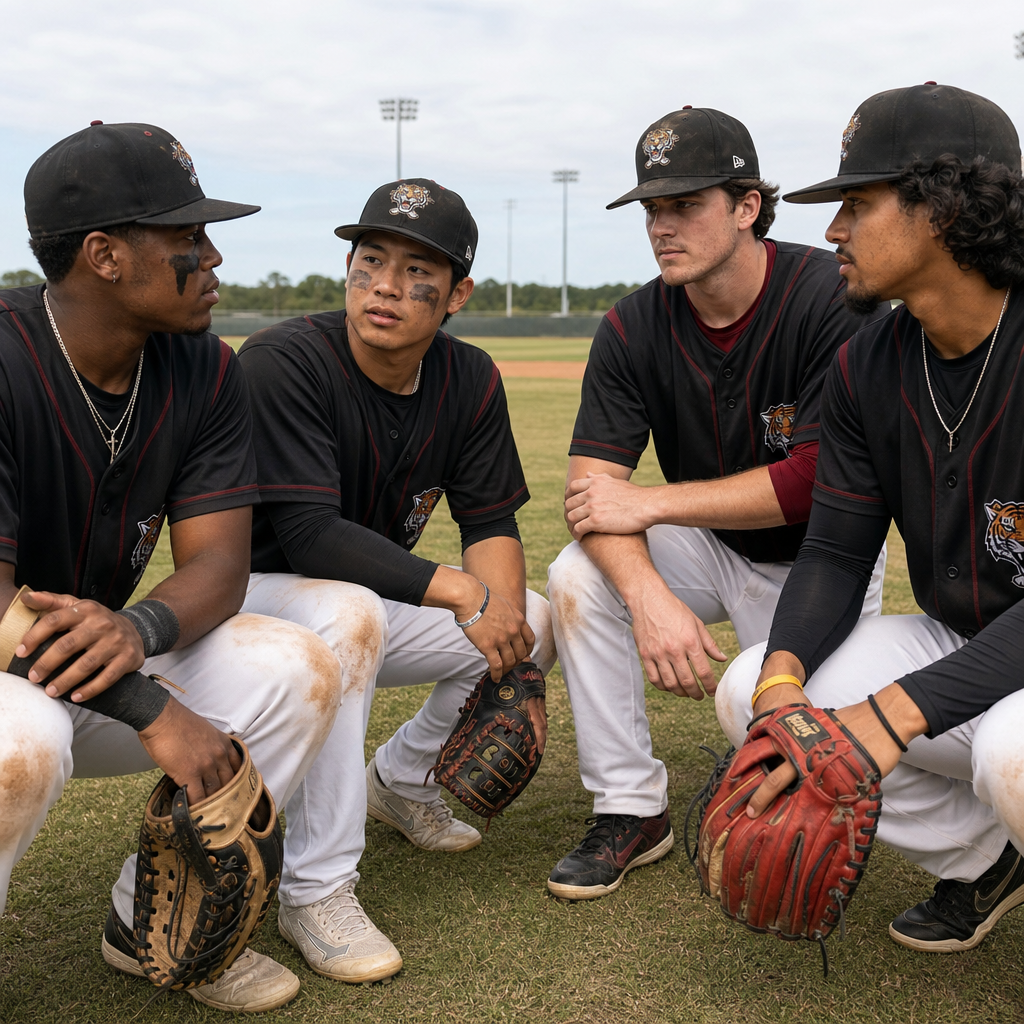
College baseball has long been framed through narrow assumptions about who plays, who belongs, and who gets noticed, yet the modern game tells a far broader story. Diversity in college baseball refers to the range of racial, ethnic, socioeconomic, geographic, cultural, and personal backgrounds represented on rosters, coaching staffs, support teams, and in the pipeline that feeds the sport. In practical terms, it includes Black players at historically white institutions, Latino athletes balancing recruitment with international eligibility questions, first-generation college students navigating scholarships, rural players competing alongside prospects from elite travel programs, and athletes whose religious identity, language background, or family income shape daily life in the clubhouse.
I have worked around college baseball programs, recruiting conversations, and player development environments long enough to see how quickly stereotypes form and how slowly they fade. Some still assume baseball is primarily suburban and affluent, that speed belongs to one demographic group and power to another, or that certain communities care more about football or basketball than the diamond. Those assumptions affect scouting, roster construction, media coverage, and even how young players imagine their future. They also obscure the reality that the college game depends on a diverse talent base, and that inclusion is not a public-relations exercise. It is a competitive necessity for programs trying to recruit well, build strong team culture, and connect with the communities they represent.
This hub article examines diversity in college baseball as a broad miscellaneous topic because the issue touches nearly every part of the sport. It shapes access to youth development, scholarship opportunities, campus belonging, mental health, coaching pathways, fan engagement, and preparation for the minor leagues or professional baseball. It also intersects with larger structures, including NCAA rules, transfer trends, Name, Image, and Likeness opportunities, Title IX resource allocation questions, and the economics of travel ball. Understanding these connections helps readers evaluate the sport more accurately and gives coaches, parents, players, and administrators a clearer picture of what progress looks like beyond slogans or one-time initiatives.
What diversity in college baseball really includes
When people discuss diversity in college baseball, they often reduce the conversation to race alone. Race matters, but a complete view is broader. A roster can look mixed on paper while still excluding lower-income athletes through hidden costs, overlooking international players because of admissions complexity, or failing to support athletes from underrepresented religious and cultural backgrounds. Real diversity includes representation, access, retention, and advancement. Representation asks who is on the roster. Access asks who had a fair chance to get there. Retention asks whether players feel supported enough to stay and thrive. Advancement asks who becomes captains, graduate assistants, assistant coaches, recruiting coordinators, and eventually head coaches.
In college baseball, that full framework matters because the sport has a layered pathway. A player may need private instruction, showcase travel, video analysis, strength training, summer ball, and recruiting exposure before ever stepping on campus. Each step carries a cost in money, time, transportation, and social knowledge. Families familiar with the recruiting ecosystem often know when to email coaches, how to build a skills video, and which events actually matter. Families without that background may have a talented athlete but little access to the unwritten rules. Diversity efforts that focus only on the final roster miss the larger pipeline that determines who gets seen in the first place.
Barriers in the pipeline from youth baseball to campus
The biggest barrier is usually not interest; it is access. Baseball is expensive compared with many other sports because the development model increasingly centers on private coaching, tournament travel, bats, gloves, indoor training, and showcase fees. For a high school player trying to be recruited, one summer on a high-level travel circuit can cost thousands of dollars before hotel rooms, gas, and missed work for parents are counted. That economic reality narrows the player pool. It particularly affects urban communities with shrinking public baseball infrastructure and rural areas where elite competition is far away.
Facilities also matter. A player with year-round access to quality fields, batting cages, a weighted-ball program, and video tools such as Rapsodo, TrackMan, or Blast Motion enters recruiting with measurable advantages. Another player may have talent but limited data, inconsistent coaching, and fewer chances to face premium velocity. Scouts and college coaches often say they recruit performance, but performance is shaped by environment. That is why community-based programs, MLB Develops initiatives, RBI organizations, and school partnerships are important. They expand the number of players who can stay in the sport long enough to be evaluated fairly.
Geography adds another layer. Warm-weather states naturally produce more game reps, while cold-weather athletes often depend on indoor facilities and compressed spring schedules. International players may face visa, academic credential, and budget issues that make recruitment more complicated. Junior colleges can serve as a bridge for players who are late bloomers, under-recruited, or still improving academically, but they also require extra persistence and resources. The path is possible; it is simply uneven.
How stereotypes affect recruiting, development, and opportunity
Stereotypes in baseball often hide behind the language of projection. A coach may describe one player as “instinctive” and another as “toolsy,” or assume leadership, baseball IQ, or signability based on background rather than evidence. These judgments are not always overt, but they shape recruiting boards and player usage. I have seen athletes pigeonholed by body type, race, accent, school history, or where they trained. A middle infielder from a less visible region may be dismissed as unpolished. A Black player may be praised for athleticism while receiving less credit for preparation. A Latino player may be evaluated through assumptions about aggressiveness or communication instead of actual game behavior.
Development can suffer when coaches apply one-size-fits-all expectations. Effective player development starts with individual assessment: swing decisions, bat speed, force production, movement quality, recovery, confidence, and learning style. Programs that understand diversity well coach the person, not just the position. They know some players respond to direct mechanical cues, while others need visual feedback or translated terminology. They also recognize that belonging influences performance. An athlete who feels isolated, stereotyped, or constantly required to represent an entire group is operating under a load that stat lines do not show.
| Area | Common stereotype | What strong programs do instead |
|---|---|---|
| Recruiting | Judge fit by background or school pedigree | Use video, data, live looks, and structured evaluation criteria |
| Player development | Coach everyone the same way | Adapt instruction to language, learning style, and physical profile |
| Leadership | Assign captain qualities to familiar personalities | Create clear leadership standards and rotate responsibility |
| Culture | Assume players will assimilate without support | Build onboarding, mentoring, and inclusive team norms |
Roster culture, coaching leadership, and belonging on campus
Diversity only helps a program when inclusion is operational, not decorative. That starts with coaching leadership. Head coaches set tone through recruiting language, staff hiring, disciplinary consistency, and everyday standards in practice. If the staff jokes about accents, ignores religious observances, tolerates clique behavior, or treats some backgrounds as “different” while framing others as normal, players notice immediately. Conversely, teams with healthy cultures establish expectations early: respect in shared spaces, intentional roommate pairing during travel, support for first-year transitions, and clear reporting channels when problems occur.
Belonging also depends on what happens off the field. College athletes manage class schedules, training loads, nutrition, housing, social life, and pressure about playing time. First-generation students may need extra guidance on academics and campus systems. International players may need help with banking, transportation, or immigration paperwork. Players from low-income families may quietly struggle with meal costs during breaks or travel incidentals not covered by the program. Athletic departments that partner with academic support, counseling services, multicultural offices, and compliance staff create a more stable environment, which usually improves retention and performance.
Coaching diversity matters as well. Players benefit from seeing assistant coaches, strength staff, trainers, analysts, and operations personnel from different backgrounds. Representation does not guarantee trust, but it expands perspective and mentorship. In the long term, increasing diversity in college baseball requires broader hiring pipelines, paid entry-level roles, and networking access for former players who want to coach but cannot afford years of low-paid internships.
Why this topic matters for the future of college baseball
The future of college baseball will be shaped by which programs remove unnecessary barriers and widen participation. Demographic change, rising youth sports costs, transfer mobility, and stronger public expectations around inclusion are already reshaping recruiting. Programs that ignore diversity are shrinking their talent pool and weakening community ties. Programs that take it seriously recruit more broadly, communicate better, and build rosters that reflect the actual baseball landscape rather than an outdated image of it.
For readers following the wider Minor Leagues and College Baseball hub, this miscellaneous page matters because it connects many related subjects. It links recruiting strategy to player development, roster building to campus support, and college baseball culture to the professional pipeline. It also provides context for future articles on scholarships, walk-ons, junior college routes, international recruitment, NIL, mental skills, and coaching careers. The central lesson is simple: college baseball gets better when decision-makers evaluate players fully, support them intentionally, and challenge stereotypes with evidence instead of habit.
Striking out stereotypes is not a symbolic exercise. It changes who gets seen, who gets funded, who stays in school, and who advances in the game. Coaches can audit recruiting practices, parents can seek access-focused development options, and players can ask sharper questions about fit and support before committing. If you are building, covering, or following college baseball, make diversity part of how you judge program quality. The sport’s next step forward depends on it.
Frequently Asked Questions
What does diversity in college baseball actually include?
Diversity in college baseball goes far beyond race alone. It includes the wide range of racial, ethnic, cultural, geographic, and socioeconomic backgrounds represented by players, coaches, trainers, analysts, administrators, and support staff throughout the sport. It also includes first-generation college students, international athletes, players from rural towns and major cities, and student-athletes whose paths to the game were shaped by very different levels of access to travel ball, private coaching, quality facilities, and recruiting exposure. In that sense, diversity is not just about who appears on a roster photo; it is about who has a realistic opportunity to reach college baseball and thrive once they get there.
In today’s college game, diversity can be seen in Latino athletes navigating language, family, and cultural expectations, Black players competing in spaces where they may be underrepresented, and athletes from lower-income backgrounds working around the high cost of youth baseball development. It also includes differences in religion, identity, family structure, and lived experience. When people talk seriously about diversity in college baseball, they are talking about broadening the definition of who belongs in the sport and recognizing that talent is not limited to one community, one pipeline, or one traditional image of a ballplayer.
Why has college baseball often been associated with stereotypes?
College baseball has historically been shaped by visibility, access, and tradition, and those factors have helped narrow public assumptions about who plays the sport. For decades, baseball at the college level has often been seen through the lens of certain regions, certain schools, and certain recruiting networks. Because the sport can be expensive to play at the youth level, especially in the era of travel teams, showcase events, and private instruction, the athletes who receive the most exposure have often come from families and communities with greater financial resources. Over time, that unequal visibility can create stereotypes that certain groups are more “natural” fits for college baseball while others are treated as exceptions rather than as part of the sport’s normal fabric.
Media coverage and cultural narratives also play a role. When coaches, broadcasters, and fans repeatedly picture college baseball in one way, they can unintentionally reinforce limited ideas about who belongs on the field or in leadership roles. Stereotypes may show up in assumptions about athletic style, intelligence, discipline, position fit, or coachability, all of which can influence recruiting and development in subtle but powerful ways. Challenging those stereotypes matters because they distort reality. The modern college game is more complex, more multicultural, and more representative of different life experiences than outdated narratives suggest.
What barriers can prevent greater diversity in college baseball?
One of the biggest barriers is cost. Baseball can be one of the most expensive youth sports in the country, particularly for players trying to enter elite development channels. Travel ball fees, equipment, tournament expenses, transportation, training, and showcase attendance can create major financial hurdles for families. If a player cannot afford the most visible pipeline, that athlete may be overlooked regardless of skill. This creates a system in which access often shapes opportunity long before college recruiters ever evaluate talent. The result is that many gifted athletes from underrepresented or lower-income backgrounds never receive the same level of exposure as their peers.
There are also structural and cultural barriers. Recruiting tends to concentrate in established hotspots and familiar networks, which can leave some regions and communities under-scouted. A lack of diverse coaching staffs and mentors can affect whether players feel welcomed, understood, and supported once they arrive on campus. For some athletes, there may be pressure to balance academics, family responsibilities, work, immigration realities, or cultural adjustment alongside the demands of college sports. Language barriers, unconscious bias, and limited institutional support can further complicate the experience. When people discuss improving diversity in college baseball, they are not simply asking for different faces in the dugout; they are asking the sport to address the systems that influence who gets found, who gets funded, and who gets a fair chance to succeed.
How does greater diversity benefit college baseball programs and the sport as a whole?
Greater diversity makes college baseball stronger, smarter, and more competitive. Teams benefit when they bring together players and staff with different perspectives, life experiences, and styles of leadership. A more diverse program can improve communication, deepen team culture, and create an environment where student-athletes learn how to collaborate across differences. That matters not only for winning games but also for preparing players for life beyond baseball. College athletics should be a developmental space, and exposure to a wide range of backgrounds helps athletes grow as teammates, students, and future professionals.
Diversity also expands the sport’s reach and long-term health. When more communities see themselves represented in college baseball, the game becomes more accessible and more relevant to a broader audience. That can strengthen recruiting pipelines, increase fan engagement, and encourage younger athletes to stay involved in baseball instead of leaving for sports they perceive as more welcoming or realistic. Just as important, diverse programs are often better positioned to challenge old assumptions and build cultures centered on equity, accountability, and belonging. In practical terms, that means attracting talent from more places, supporting players more effectively, and reflecting the real makeup of the communities colleges serve.
What can colleges, coaches, and supporters do to promote diversity in college baseball?
Meaningful progress starts with expanding access. Colleges and coaching staffs can recruit more intentionally in underrepresented communities, build relationships with high school and community programs outside traditional pipelines, and look beyond expensive showcase circuits when evaluating talent. Camps, clinics, and prospect events can be made more affordable and geographically accessible. Programs can also invest in outreach efforts that introduce younger players to baseball earlier and keep them connected to the sport over time. If schools want more diverse rosters, they have to examine where they are looking, how they are evaluating, and whether their current systems unintentionally reward privilege over potential.
Support also matters after recruitment. Colleges can strengthen diversity by creating inclusive team cultures, hiring more diverse coaches and staff, offering mentorship, and providing resources that help student-athletes adjust academically, socially, and culturally. That may include language support, mental health services, financial guidance, and intentional spaces for belonging. Alumni, donors, and fans can contribute by funding scholarships, supporting youth development initiatives, and championing programs that widen access to the game. Real change in college baseball comes from sustained commitment, not symbolism. The goal is not just to invite more people into the sport, but to make sure they are seen, valued, and given the tools to succeed once they arrive.