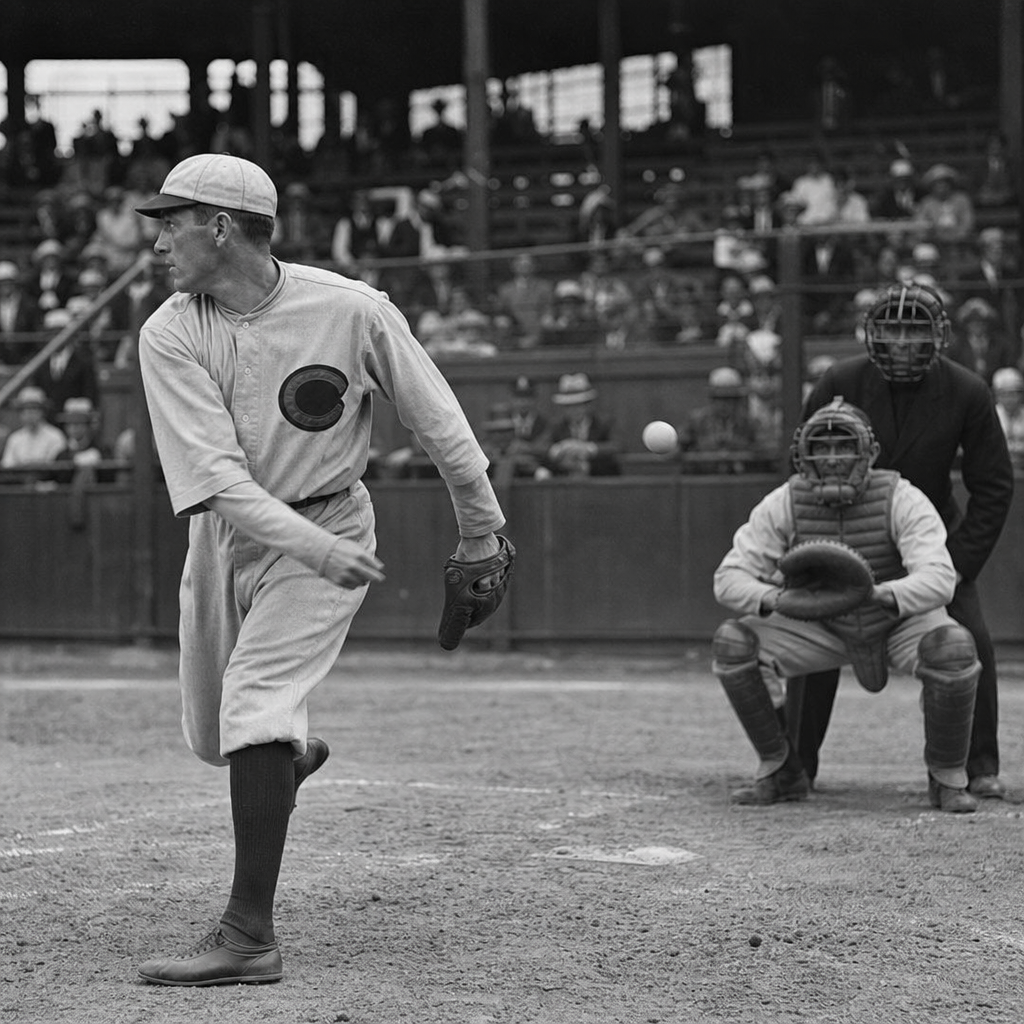
Few moments in baseball history have carried the weight of the Carl Mays and Ray Chapman tragic pitch. On August 16, 1920, New York Yankees submariner Carl Mays threw a fastball that struck Cleveland shortstop Ray Chapman in the head, and Chapman died the next day, becoming the only Major League Baseball player killed by a pitch during a game. The incident sits at the crossroads of sport, safety, ethics, and public memory, which is why it remains central to any serious look at baseball scandals and controversies.
To understand why this event still matters, it helps to define the terms around it. The word tragic is literal here: this was not bench-clearing theater or a disputed call but a fatal on-field event. The word pitch refers not just to one thrown ball, but to an era of baseball in which darkened, misshapen baseballs, late visibility, aggressive inside pitching, and limited protective equipment created conditions modern fans would find astonishing. The controversy comes from what followed: arguments over Carl Mays’s intent, criticism of his pitching style, the role of umpires and leagues, and how baseball responded to prevent another death.
I have worked through old game accounts, league histories, and rule changes enough to know that this story is often flattened into a simple villain-and-victim narrative. That misses the real significance. Chapman was a star player on a pennant contender. Mays was one of the American League’s most effective and most disliked pitchers, known for his sidearm and submarine delivery. Their collision became a case study in how a sport handles catastrophe when competitive norms suddenly look indefensible. In practical terms, the aftermath accelerated reforms involving cleaner baseballs, greater scrutiny of dangerous pitching, and eventually the acceptance of batting helmets, even if those changes did not happen all at once.
As a hub article within the broader scandals and controversies topic, this page covers the fatal pitch itself and the surrounding miscellaneous questions readers usually have. Was Carl Mays trying to hit Chapman? Why was the ball so hard to see? What changed in baseball after Chapman’s death? How should modern fans judge a 1920 incident using current standards? Those questions matter because this story is not only about one play. It is about risk management, league governance, media framing, and the uneasy line between accepted aggression and preventable harm in professional sports.
The Day at the Polo Grounds and What Happened
The game took place at the Polo Grounds in New York during the 1920 pennant race. Cleveland was chasing the American League flag; the Yankees were contenders as well. In the fifth inning, Ray Chapman came to the plate against Carl Mays. Mays delivered one of his trademark pitches from a low arm slot. The ball struck Chapman in the head. Accounts from the time note that Mays fielded the rebound at first, initially believing the ball had hit Chapman’s bat because the crack was so sharp. Chapman collapsed near home plate after taking a step toward first base. He was taken to a hospital, underwent surgery, and died early the next morning from his injuries.
Several contextual details are essential. Baseballs in 1920 were used far longer than today, often becoming scuffed, dirty, and dark by the later innings. Players sometimes applied tobacco juice, mud, or other substances, and the spitball and related doctored pitches were still part of the game. Late-afternoon light at the Polo Grounds could be difficult. Chapman also had a habit of crowding the plate, and Mays had a reputation for pitching inside. None of those facts excuses the outcome, but all of them help explain why a hitter could fail to pick up a pitch in time.
The immediate reaction around the league was grief mixed with accusation. Teammates and reporters struggled to process how a routine baseball action had become fatal. Chapman had been well regarded, a skilled bunter and energetic infielder, and his death shook Cleveland deeply. The club went on to win the 1920 World Series, and many contemporary accounts framed that championship through the emotional shadow of Chapman’s loss.
Who Carl Mays and Ray Chapman Were
Ray Chapman was not a fringe player remembered only because of his death. He was Cleveland’s starting shortstop, valued for speed, defense, bat control, and disruptive baserunning. In the dead-ball and immediate post-dead-ball environment, those skills mattered enormously. Chapman could bunt for hits, move runners, and pressure infielders. By 1920 he was one of the better shortstops in the American League and an important piece of a championship-level roster.
Carl Mays, meanwhile, was an elite pitcher with a polarizing reputation. He won 26 games for Boston in 1919 and helped the Red Sox win the 1918 World Series. After a contentious split with Boston ownership, he was sold to the Yankees in a move that sparked league-level disputes. On the mound, Mays used a low delivery, heavy movement, and a hard sinker that produced weak contact. He was effective enough to win 207 major league games. He was also considered combative. Opponents accused him of being surly and willing to brush hitters back aggressively. In baseball culture, where personality often shaped reputation as much as evidence, that mattered.
This contrast fed the controversy. A well-liked position player died after being hit by a feared pitcher whom many already distrusted. In any era, that combination would influence public judgment. It helps explain why Mays was widely condemned even though no formal finding established intent to injure Chapman.
Was the Pitch Intentional or an Accident?
The direct answer is that there is no credible historical basis to say Carl Mays intentionally threw a fatal pitch at Ray Chapman. The stronger conclusion, supported by most serious baseball historians, is that the incident was a terrible accident shaped by dangerous playing conditions and by Mays’s established tendency to pitch inside. That distinction matters. Inside pitching can be reckless without being homicidal, and 1920 baseball normalized a level of risk that modern leagues would not accept.
Why, then, did so many people suspect intent? First, Mays was already disliked. Second, his delivery made the ball difficult to track. Third, the sound of the impact and his first movement toward the ball looked cold to witnesses, though it likely reflected confusion more than indifference. Fourth, grief needs a target. When a preventable system failure is hard to grasp, people often focus on the individual actor.
What can be said confidently is that Mays did not show the kind of public remorse that would have softened opinion. Some contemporaries thought him defensive and detached. Others argued he was emotionally shut down and unable to process the event under scrutiny. That ambiguity has followed his legacy ever since.
Why 1920 Baseball Was So Dangerous
Modern readers often ask how a major league player could die from a pitch in a professional game. The answer lies in a cluster of risk factors that baseball tolerated at the time.
| Risk factor | How it affected hitters | Why it mattered in the Chapman case |
|---|---|---|
| Dirty, darkened baseballs | Reduced visibility, especially late in games | Chapman may have picked up the pitch too late |
| Legal spitballs and doctored balls | Unpredictable movement and changing ball appearance | Hitters faced more tracking difficulty than today |
| No batting helmets | No protection against skull fractures or brain trauma | A survivable hit today could be fatal then |
| Inside pitching culture | Normalized pitches near the head and hands | Mays routinely worked the inner half |
| Submarine or low-slot delivery | Changed visual angle and reaction time | Mays’s release point was especially hard to read |
Those conditions existed before Chapman, but his death forced baseball to confront them. The league soon moved toward replacing balls more frequently and emphasizing cleaner, more visible baseballs. That change is often discussed alongside the broader offensive explosion of the early 1920s, which also reflected the outlawing of many doctoring practices after the death of another star, Eddie Cicotte’s scandal-tainted era notwithstanding. Safety and style of play were linked: a cleaner ball was easier to see and also easier to hit.
Protective headgear evolved far more slowly. Players experimented with padded caps in later decades, but broad helmet adoption did not arrive until much later. That lag is a reminder that sports reform rarely occurs in one sweep. Leagues may fix the most obvious operational problem first while leaving deeper cultural resistance untouched.
The Aftermath for Cleveland, the Yankees, and Baseball
Cleveland’s response was both emotional and practical. The Indians acquired Joe Sewell, a minor league shortstop, to help fill the roster gap left by Chapman. Sewell would become a Hall of Fame caliber infielder known for extraordinary contact skills. Cleveland rallied and won the 1920 World Series, and the club’s championship story has long been inseparable from Chapman’s memory. Players and managers spoke of carrying his loss with them through the pennant race.
For the Yankees, the episode darkened Mays’s standing permanently. He kept pitching and remained productive, but he never escaped association with the fatal beaning. His broader Hall of Fame case, already complicated by personality and politics, was weakened by a reputation that many baseball writers never forgave.
For Major League Baseball, the incident became part of a reform period. Owners and league officials were already under pressure to restore public confidence after the Black Sox scandal. Chapman’s death added a different but equally urgent issue: the sport had to show it could govern physical danger responsibly. More frequent ball replacement, tighter handling of discolored baseballs, and a gradual shift away from the dirtiest forms of ball doctoring were not cosmetic adjustments. They were operational safety responses.
How Historians and Fans Interpret the Tragic Pitch Today
The best modern interpretations avoid two extremes. One extreme treats Mays as a murderer, which the evidence does not support. The other treats Chapman’s death as pure misfortune detached from baseball’s culture, which is also wrong. A balanced reading says the fatal pitch was accidental, but the system around it was negligent by modern standards. Baseball accepted poor visibility, tolerated headhunting as gamesmanship, and gave hitters almost no protection.
This is why the Chapman incident belongs in a scandals and controversies hub even though it was not a conventional scandal involving cheating or corruption. The controversy lies in responsibility. Who is accountable when accepted practices become lethal? The pitcher who throws inside? The league that permits unsafe conditions? The clubhouse culture that prizes intimidation? These are the same governance questions that appear in later debates about collisions at home plate, beanball wars, concussion protocol, and sticky-substance enforcement.
In research and in conversation with serious baseball readers, I have found that this story often changes how people think about the sport’s past. Early baseball is sometimes romanticized as tougher and purer. Chapman’s death shows the cost of that nostalgia. Toughness without safeguards is not virtue. It is unmanaged risk wearing the language of tradition.
The Broader Miscellaneous Legacy Within Baseball Controversies
As a miscellaneous hub topic, the Carl Mays and Ray Chapman tragic pitch connects to several adjacent articles and themes. It links to baseball safety history, especially the evolution of protective equipment and the policing of dangerous pitches. It connects to league governance, because the response to Chapman’s death illustrates how rule enforcement often changes only after public crisis. It also belongs beside reputation-driven controversies, where media narratives and clubhouse sentiment shape a player’s legacy as powerfully as statistics do.
The incident further intersects with discussions of the dead-ball era’s end. Cleaner baseballs and limits on doctoring improved visibility, but they also contributed to more offense, changing strategy across the sport. In that sense, one tragic event sits inside a larger transformation from low-scoring, rough-edged baseball to a brighter, more standardized game marketed to wider audiences.
Finally, the story remains useful because it resists easy moral packaging. Chapman deserves remembrance as more than a victim; he was an excellent player whose career and life were cut short. Mays deserves factual judgment rather than caricature; he was a great pitcher tied forever to a catastrophic moment. Baseball deserves scrutiny because institutions reveal themselves most clearly in how they respond to preventable harm.
The Carl Mays and Ray Chapman tragic pitch endures because it is not merely a sad anecdote from 1920. It is one of the clearest examples of how a sport’s accepted habits can become a controversy only after tragedy exposes their consequences. The fatal pitch was almost certainly accidental, but the conditions around it were dangerous, familiar, and tolerated. That is why the event still matters in any serious study of scandals and controversies.
The key lessons are straightforward. Ray Chapman was a significant player, not a historical footnote. Carl Mays was a top pitcher whose inside style and difficult delivery amplified risk. Dirty baseballs, poor visibility, and the absence of head protection made the game far more hazardous than many modern fans realize. Baseball’s later safety reforms did not erase the loss, but they show that institutions can change when evidence and public pressure become impossible to ignore.
If you are building a deeper understanding of baseball’s most debated moments, use this article as your starting hub for the miscellaneous side of the topic. From here, explore related issues such as beanball culture, rule changes, equipment evolution, and how public narratives shape player legacies. The Chapman-Mays story remains essential because it teaches a lasting truth: controversy in sports is often about systems, not just single acts.
Frequently Asked Questions
What happened in the Carl Mays and Ray Chapman tragedy?
On August 16, 1920, during a game between the New York Yankees and the Cleveland Indians at the Polo Grounds, Yankees pitcher Carl Mays threw a pitch that struck Cleveland shortstop Ray Chapman in the head. Mays was known for his submarine-style delivery, which made the ball especially difficult to pick up. Contemporary accounts suggest Chapman may have been unable to see the ball clearly, a serious issue in an era when baseballs often became darkened, scuffed, and dirty during play. After being hit, Chapman collapsed and was rushed for medical treatment, but he died the following day from his injuries. His death remains one of the most devastating events in baseball history and stands as the only instance in Major League Baseball in which a player died after being struck by a pitch during a game. The tragedy immediately resonated far beyond the box score, forcing the sport to confront questions about player safety, equipment standards, and the limits of acceptable risk in professional baseball.
Why is Ray Chapman’s death considered such an important moment in baseball history?
Ray Chapman’s death is important because it marked a turning point in how baseball thought about danger, responsibility, and the conditions under which the game was played. Before this incident, the sport tolerated many practices that would later be seen as unsafe, including the continued use of discolored baseballs deep into games and a relatively relaxed approach to protective measures. Chapman’s death exposed the real consequences of those traditions. It also occurred during a period when baseball was already under intense scrutiny, with the sport still dealing with broader concerns about integrity and public trust in the wake of the Black Sox scandal. As a result, the incident took on even greater significance. It was not simply a freak accident; it became a symbol of how the game’s culture sometimes lagged behind the need to protect players. Historians and fans continue to revisit the event because it sits at the intersection of sport, ethics, evolving rules, and public memory. In that sense, Chapman’s death is remembered not only as a personal tragedy but also as a catalyst for change in the modern game.
Was Carl Mays blamed for Ray Chapman’s death?
Carl Mays was heavily scrutinized in the aftermath, but the historical picture is more complicated than simply assigning personal blame. Mays had a fierce reputation and was not widely liked by many around the game, which shaped public reaction almost immediately. Some observers believed his aggressive style and unusual delivery made him especially dangerous, while others argued the tragedy was the result of broader conditions in baseball rather than intentional wrongdoing. There is no evidence that Mays intended to hit Chapman, and the event has generally been understood by historians as a tragic accident rather than a deliberate act. Still, Mays carried the burden of the incident throughout his life and career. His name became inseparable from one of the darkest moments in baseball history, and that association affected how he was remembered. The controversy around Mays reflects a larger truth about sports tragedies: people often search for an individual face to attach to a painful event, even when the underlying causes include systemic issues such as poor visibility, inadequate safety standards, and the accepted practices of the era.
Did Ray Chapman’s death lead to changes in baseball safety rules?
Yes, although the changes were not always immediate or limited to one single rule, Chapman’s death helped accelerate a broader shift in baseball safety and game management. One of the most significant developments was a stronger emphasis on replacing dirty or damaged baseballs more often so hitters had a better chance of seeing the pitch clearly. In the early twentieth century, baseballs were commonly used for long stretches, becoming stained with dirt, tobacco juice, grass, and other marks that reduced visibility, especially in late afternoon light. After the Chapman incident, concerns about the visibility of the ball became harder to ignore. The tragedy also contributed to a growing recognition that baseball could not simply rely on tradition when player welfare was at stake. Over time, the sport moved further toward modern safety expectations, including later developments in batting helmets and protective equipment. While it would take years for some protections to become standard, Chapman’s death remains one of the key moments that pushed baseball toward a more serious understanding of preventable risk.
Why does the Carl Mays and Ray Chapman pitch still matter in discussions of baseball scandals and ethics?
This incident still matters because it forces difficult conversations about accountability, culture, and the line between accepted competitiveness and unacceptable danger. Although it was not a scandal in the same sense as game-fixing or cheating, it remains central to serious discussions of baseball scandals because it exposed uncomfortable truths about the sport’s priorities at the time. The tragedy raised questions about whether baseball had ignored obvious safety issues, whether players were being asked to accept unreasonable hazards, and how the league should respond when tradition and human welfare collide. It also highlights the role of public memory in shaping how sports history is told. Chapman is remembered as a victim of a game that had not yet modernized its approach to safety, while Mays is remembered through the lens of a single catastrophic moment that overshadowed much of his career. For modern readers, the story remains relevant because it reminds us that baseball’s history is not only about championships and legends; it is also about moments that prompted the sport to reexamine its values. That is why the tragic pitch continues to appear in conversations about ethics, reform, and the hidden costs of the game’s older traditions.