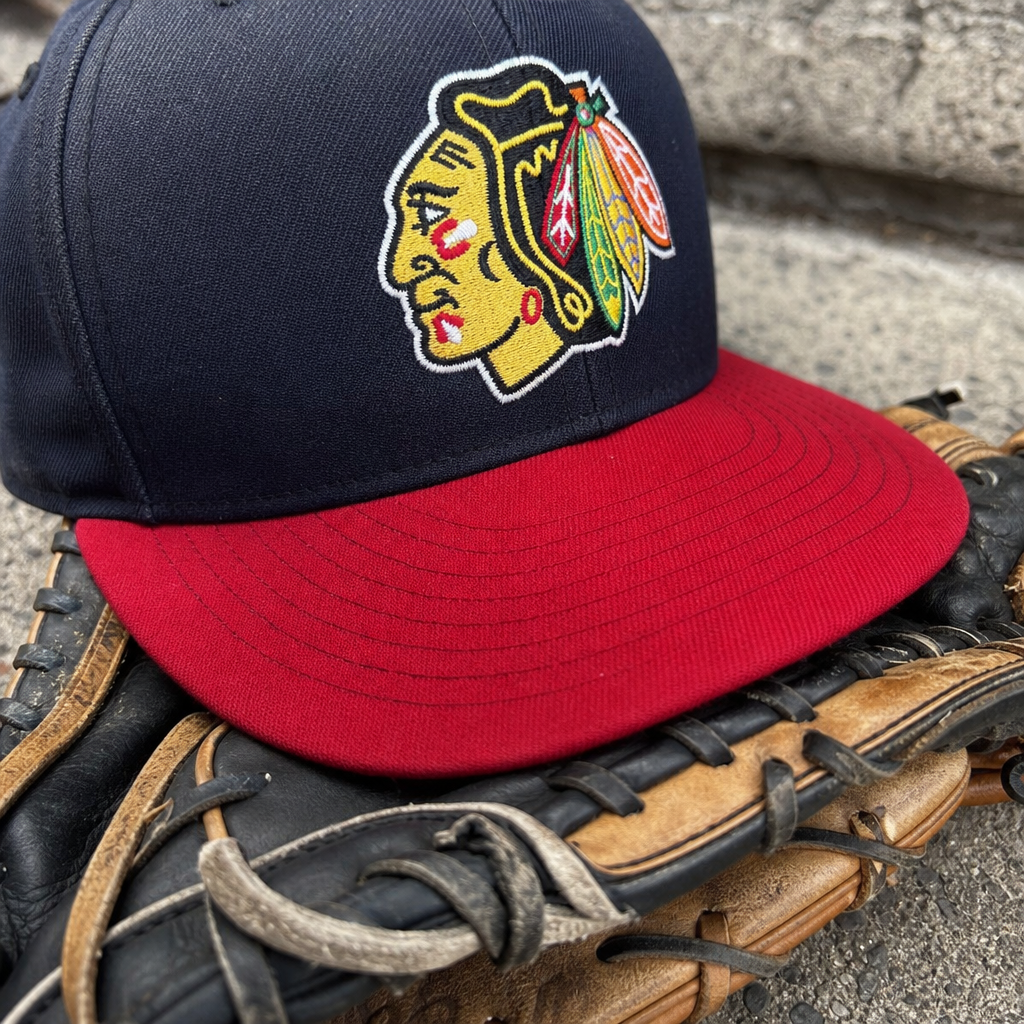
The Atlanta Braves have spent decades at the center of a persistent debate over Native American imagery in sports, a controversy that sits at the intersection of branding, tradition, race, commerce, and public memory. The phrase Native American imagery controversy refers to the use of names, logos, chants, costumes, and ceremonial references drawn from Indigenous peoples by teams, fans, and marketers, often without the participation or consent of the communities being represented. In the Braves’ case, the issue extends beyond the team name itself to symbols such as the tomahawk logo, the “Tomahawk Chop” chant, fan regalia, and the broader atmosphere created on game day. This matters because sports brands shape culture at scale. A Major League Baseball club reaches millions of viewers, influences young fans, drives merchandise trends, and helps normalize what audiences see as acceptable representation. When a franchise uses Indigenous-associated imagery, that choice does not stay inside the stadium; it appears in schools, social media, workplaces, and local politics. I have worked on sports controversy coverage long enough to see the same pattern repeat: defenders describe tradition, critics describe harm, and institutions try to split the difference until outside pressure forces a clearer decision. The Braves are one of the clearest examples of that dynamic.
Understanding the Braves controversy also requires placing it within a larger set of sports naming disputes. This hub article addresses the miscellaneous side of the broader scandals and controversies topic by connecting the Braves to related issues involving fan conduct, sponsorship risk, league governance, protest culture, and media framing. The central question is simple: when does a team’s symbolic identity become a reputational liability rather than a proud tradition? For the Braves, that question has been tested repeatedly by postseason visibility, criticism from Native activists and scholars, and comparison to other teams that changed or retired similar imagery. The debate remains active because the Braves have made selective adjustments rather than a full break. They no longer distribute foam tomahawks in the same way they once did, and the club has modified some in-stadium practices, yet the name and the chop endure. That partial response keeps the issue alive. Anyone trying to understand sports controversies, from mascot disputes to fan-behavior scandals, needs to understand the Braves case because it shows how slowly legacy institutions move when identity, money, and memory are all on the line.
What the controversy involves
The Braves controversy has several distinct components, and separating them helps explain why the debate is so durable. First is the team name, Braves, which supporters argue is less overtly derogatory than slurs used by other franchises. Critics counter that even if a term is not a slur, it can still flatten hundreds of distinct Native nations into a generic warrior stereotype. Second are the logos and visual marks historically associated with the club, especially the tomahawk iconography that turned an Indigenous weapon into a commercial sports symbol. Third is the “Tomahawk Chop,” a synchronized arm motion and chant popularized in the late twentieth century and amplified by organ music, scoreboard prompts, and postseason broadcasts. Fourth is fan behavior: face paint, headdresses, mock war chants, and costumes that take the team’s branding and turn it into racialized performance. In practice, many people object less to one isolated element than to the combined effect of all four.
When people ask why the chop draws so much criticism, the answer is direct. It reduces Native identity to a theatrical, martial gesture performed by tens of thousands of mostly non-Native fans. That can feel dehumanizing because it transforms living cultures into stadium entertainment. During nationally televised playoff games, the image becomes especially stark: cameras pan across crowds doing the same motion while commentators treat it as atmosphere rather than a cultural issue. This is one reason the controversy resurfaces in October. Visibility changes the stakes. A local custom may draw limited attention in June, but a postseason ritual seen across the country invites renewed scrutiny from advocacy groups, journalists, and viewers who otherwise do not follow the team.
Historical background and how the chop became central
The Braves franchise has roots stretching back to the nineteenth century, but the modern controversy is most closely tied to late twentieth-century branding and fan rituals. The team relocated several times before settling in Atlanta in 1966, carrying the Braves name with it. For years, the name attracted less national scrutiny than more overt Native mascots elsewhere, partly because American sports culture had long normalized such branding. The chop changed that. Although the gesture and chant became strongly associated with the Braves in the early 1990s, its popularity drew from broader trends in college and professional sports, especially crowd rituals designed to create a signature home-field identity. Atlanta’s run of division titles and frequent postseason appearances then exported the practice to a mass audience.
From a sports business perspective, the chop worked because it was simple, visual, and repeatable. Fans could learn it instantly, television cameras loved it, and the sound created a sense of spectacle. Those features also made it hard to unwind later. Once a ritual becomes part of a winning era, teams wrap it in nostalgia. I have seen this in other controversy cycles: the more a disputed tradition is tied to championship memories, the more forcefully supporters defend it. In Atlanta, the chop became linked to stars such as Chipper Jones, Greg Maddux, Tom Glavine, and John Smoltz, even though the players themselves did not create the ritual. Over time, many fans stopped seeing it as borrowed imagery and started seeing it simply as Braves baseball. That is exactly how controversial symbols become entrenched.
Why Native groups and critics object
Native advocates, historians, and many educators object because the imagery trades on stereotypes and ignores the diversity of Indigenous peoples. There is no single Native culture, no single warrior tradition, and no universal Indigenous view on sports mascots. More than 570 federally recognized tribes exist in the United States, each with its own history, governance, and cultural practices. Turning all of that into a tomahawk, chant, and cartoon language of combat is a form of reduction. Critics also point to a substantial body of research on stereotype harm. The American Psychological Association called for the retirement of American Indian mascots in schools in 2005, citing evidence that such representations can damage the self-esteem of Native youth and reinforce biased views among non-Native people.
Another objection concerns power and consent. Sports teams typically monetize Indigenous-associated names and symbols through ticket sales, sponsorships, apparel, and broadcast exposure. Yet the communities invoked often have limited control over how those images are used. Even when a team consults with some tribal representatives, that does not automatically resolve the issue, because no single endorsement can speak for all Native people. The Braves have at times highlighted relationships with the Eastern Band of Cherokee Indians, and supporters cite that connection as evidence of respect. Critics respond that consultation on some ceremonial matters does not erase broader concerns about the chop or the commercial use of generalized Native identity. That tension is central to the controversy: institutional partnership and cultural criticism can exist at the same time.
How the Braves and Major League Baseball have responded
The Braves and MLB have generally pursued incremental adaptation rather than complete rebranding. That approach became more visible after the 2019 National League Division Series, when St. Louis Cardinals pitcher Ryan Helsley, a member of the Cherokee Nation, said the chop misrepresented Native people and turned them into a caricature. His comments drew national attention because they came from an active player during the postseason. In response, the Braves reviewed some in-game presentation elements and later said they would not distribute foam tomahawks during the 2020 season if fans were present, though the pandemic altered attendance and implementation. The team has also stated that it is committed to respectful engagement and that the Braves name honors Native communities rather than mocks them.
MLB’s posture has been cautious. The league has supported some club-specific changes across baseball, but it has not imposed a sweeping standard on all Native imagery. That contrasts with stronger interventions seen in other contexts, such as school districts, state athletic associations, and corporate sponsors that concluded brand risk outweighed tradition. In practice, leagues often wait for a combination of media pressure, sponsor concern, and internal consensus before forcing a break. The Braves have benefited from ambiguity: because their name is not a recognized slur, decision-makers can frame the issue as complicated rather than urgent. That does not make the criticism weaker. It means the threshold for action has remained higher.
Comparison with other team controversies
The Braves controversy is easier to understand when compared with other franchises that faced similar scrutiny. Some teams changed quickly once pressure intensified; others resisted until legal, commercial, and political costs mounted. The table below shows why the Braves occupy a middle position in the broader landscape of mascot disputes.
| Team | Primary issue | Response | Why it matters for the Braves debate |
|---|---|---|---|
| Washington NFL franchise | Use of a recognized racial slur | Retired old name and branding in 2020 | Showed that sponsor and public pressure can force rapid change |
| Cleveland MLB franchise | Chief Wahoo logo and Native-themed name | Retired Chief Wahoo, later changed name to Guardians | Demonstrated that phased reforms often lead to larger rebranding |
| Kansas City Chiefs | Chop, drum, and fan rituals | Modified some traditions but kept name | Illustrates the same partial-adjustment strategy used in Atlanta |
| Florida State Seminoles | Native-associated symbols in college sports | Retained branding with tribal partnership | Frequently cited by defenders who argue consent can justify retention |
These examples show that not all cases are identical. A slur-based brand presents a clearer line than a team name like Braves. A university with a formal relationship to a specific tribe differs from a professional franchise using generalized imagery for mass entertainment. Still, the comparisons matter because public standards have shifted. What teams could defend in 1991 is harder to defend in 2026. Once fans see one league or club change, they begin asking why another organization cannot do the same.
The business, media, and fan dimensions
Every major sports controversy has a business layer, and the Braves are no exception. Team branding drives merchandise, premium seating experiences, sponsorship activations, and digital engagement. A famous chant is marketable because it makes broadcasts feel dramatic and gives fans a ritual to perform online. But the same visibility creates downside risk. Sponsors increasingly evaluate social controversy through reputation metrics, not just sales numbers. A team can retain a tradition for years, then find that a high-profile criticism during the playoffs forces partners to answer uncomfortable questions. Corporate caution often arrives before official policy change, especially when national advertisers are more risk-averse than local fan bases.
Media framing also shapes the debate. Local coverage often emphasizes fan attachment and team history, while national coverage more frequently centers activism, race, and institutional accountability. Neither frame is complete on its own. Fan loyalty is real; many supporters grew up with the chop and do not intend disrespect. But intent is not the only standard that matters. Public meaning is shaped by effect, context, and who has the power to define representation. In my experience covering sports controversies, the breakthrough moment comes when a story stops being treated as a niche culture-war argument and starts being covered as a mainstream governance issue. That is when owners, commissioners, and sponsors begin recalculating.
What this hub means for the wider “miscellaneous” controversy category
As a sub-pillar hub under scandals and controversies, the Braves imagery dispute belongs in a wider miscellaneous category because it overlaps with several issue types at once. It is a branding controversy, a fan-conduct controversy, a league-policy controversy, and a media-ethics controversy. It also touches adjacent topics that readers often explore next: controversial mascots, team rebranding battles, offensive chants in stadiums, sponsor responses to public backlash, and the role of athlete activism in forcing institutional review. In that sense, the Braves page works as a gateway article. It helps readers connect one visible dispute to a broader map of sports scandals that are not strictly financial, criminal, or competitive, but are still highly consequential.
The practical lesson is that miscellaneous controversies are often the hardest for teams to resolve because they involve symbols rather than simple rule violations. There is no box score for cultural harm and no single governing statute that settles the question. Resolution depends on leadership, public pressure, and a willingness to separate community identity from inherited spectacle. For the Braves, the path forward is clear even if the politics are not: sustained consultation with Native communities, transparent standards for in-stadium conduct, and a serious evaluation of whether the chop can coexist with claims of respect. Readers tracking this category should use the Braves as a benchmark case. It shows how controversy persists when institutions choose partial reform over decisive change. If you are building a deeper understanding of sports scandals, start here, then follow the linked threads into mascot history, fan culture, and rebranding conflicts across leagues.
Frequently Asked Questions
Why are the Atlanta Braves at the center of a Native American imagery controversy?
The Atlanta Braves are often discussed in debates about Native American imagery because the team’s identity has long been tied to symbols, language, and fan practices that draw from generalized ideas about Indigenous peoples. The controversy is not only about the team name itself, but also about the broader cultural environment surrounding the franchise, including chants, gestures, costumes, and branding that many critics argue reduce Native nations to mascots or entertainment themes. For supporters, these elements are sometimes framed as tradition or tribute. For opponents, they are examples of stereotyping that flatten the diversity, history, and political reality of Native communities into a simplified image for commercial use.
What makes the Braves especially prominent in this conversation is the visibility of the team and the endurance of certain fan rituals over time. In high-profile games and postseason moments, these symbols and behaviors are broadcast to national audiences, which amplifies criticism and keeps the issue in public view. The controversy sits at the intersection of sports culture, business, race, and memory: a major franchise benefits from longstanding brand recognition, while Indigenous advocates and allies question whether that recognition has been built in part on imagery that many Native people did not choose and do not control. That tension is why the Braves remain central to the larger discussion over Native representation in American sports.
What kinds of imagery and fan traditions are considered controversial in the Braves’ case?
In the Braves’ case, controversy often centers on a combination of visual branding and crowd behavior rather than on a single logo or slogan alone. Critics point to team-associated Native references, stylized imagery, and especially fan-led chants and gestures that evoke a broad, theatrical version of Indigeneity rather than any specific tribal culture. These performances can include synchronized motions, vocal chants, faux ceremonial language, and Native-inspired costumes worn by spectators. Even when fans intend these acts as celebration, critics argue that the effect is to turn living cultures into props for a sports spectacle.
The main concern is that these traditions usually rely on caricature and repetition instead of historical or cultural accuracy. Indigenous peoples are not a monolith, and Native nations have distinct identities, languages, governments, and ceremonial practices. When a stadium culture collapses those differences into one dramatic symbol, it can reinforce outdated assumptions and make Native people seem like figures of the past instead of contemporary communities. That is why many observers distinguish between genuine engagement with Native history and branding practices that selectively borrow images or gestures because they are memorable, marketable, or emotionally powerful in a sports setting.
Why do many Native American advocates and scholars object to Native-themed mascots and symbols in sports?
Many Native American advocates, scholars, and community leaders object because they see these mascots and symbols as part of a long history in which Indigenous peoples have been represented by outsiders for profit, amusement, or political symbolism. From this perspective, the issue is not merely one of offense in the abstract. It is about power: who gets to define Native identity, who benefits from those definitions, and who is left out of the decision-making process. When sports teams use Native imagery without meaningful consent or collaboration, critics argue that they perpetuate a pattern in which Indigenous communities are treated as symbols rather than as living peoples with sovereignty and agency.
There is also concern about the social effects of these representations. Research and advocacy on mascot controversies have often emphasized that stereotyped imagery can shape public attitudes, especially when audiences repeatedly encounter Native people in narrow, romanticized, or warlike forms. Such representations can limit understanding of Native life in the present and contribute to erasure of real issues such as land rights, education, health disparities, cultural preservation, and tribal governance. In that sense, the objection is not only cultural but civic: opponents argue that mascot-style representation distracts from the full humanity and contemporary reality of Indigenous nations while normalizing imagery that would be widely recognized as inappropriate if applied to many other racial or ethnic groups.
How do supporters of the Braves’ traditions defend them, and why is that defense contested?
Supporters of the Braves’ traditions often argue that the team name and associated rituals are meant to honor strength, courage, resilience, or regional sports history rather than demean Native people. Many fans see these elements as inherited customs that create community, continuity, and emotional connection across generations. From their perspective, the traditions are part of what makes the game-day atmosphere distinctive, and changing them can feel like an erasure of shared memory. Some also argue that intention matters, insisting that respectful admiration should be distinguished from mockery.
That defense is contested because critics respond that intention does not cancel impact. A tradition can feel meaningful to one group while still being harmful or diminishing to another, especially when the represented group has had limited control over how it is portrayed. Opponents also challenge the idea that generalized Native symbolism automatically counts as honor, noting that real respect would involve listening to Native communities, acknowledging disagreement among them, and reconsidering practices that depend on stereotype or fantasy. In other words, the dispute is not simply between honor and insult; it is about whether a commercial sports tradition built by non-Native institutions can credibly claim to celebrate Indigenous peoples while relying on imagery and rituals that many Indigenous voices have repeatedly criticized.
What does the Braves controversy reveal about the broader debate over Native American imagery in sports?
The Braves controversy reveals that debates over Native American imagery in sports are rarely just about logos or names in isolation. They are really about how a society remembers the past, who controls cultural symbols, and how institutions respond when tradition comes into conflict with demands for representation and respect. The Braves serve as a vivid case study because the franchise shows how branding, fan identity, media attention, and commercial interests can all reinforce one another. Once a team image becomes deeply woven into merchandise, rituals, and nostalgia, change becomes emotionally and economically difficult, even when criticism is longstanding and well documented.
More broadly, the controversy illustrates a shift in public expectations. Increasingly, audiences are asking whether longstanding sports customs should be judged not only by popularity but also by their historical meaning and social consequences. That does not guarantee consensus, and debates often remain heated because they involve identity, loyalty, and competing ideas of what counts as respect. But the Braves discussion underscores an important point: Native American imagery in sports is no longer seen by many people as a harmless relic of the past. It is understood instead as an active public issue tied to race, representation, consent, and the responsibilities of powerful cultural institutions in the present.